
Vesterålen Travel Guide: Plan Your Trip
Plan Vesterålen: how to get there, best time to go, where to base yourself, whale safaris, hikes, and how it compares with Lofoten.
On this page
Last updated November 2026. Vesterålen is the island group just north of Lofoten in Nordland county, and it suits travellers who want whales, long beaches and fewer tour buses. Plan on a rental car and more driving time than the map suggests. Our guide covers when to go, how to arrive, where to base yourself and how to fill 3 days or a week, as one stop in the wider Norwegian island trips cluster.
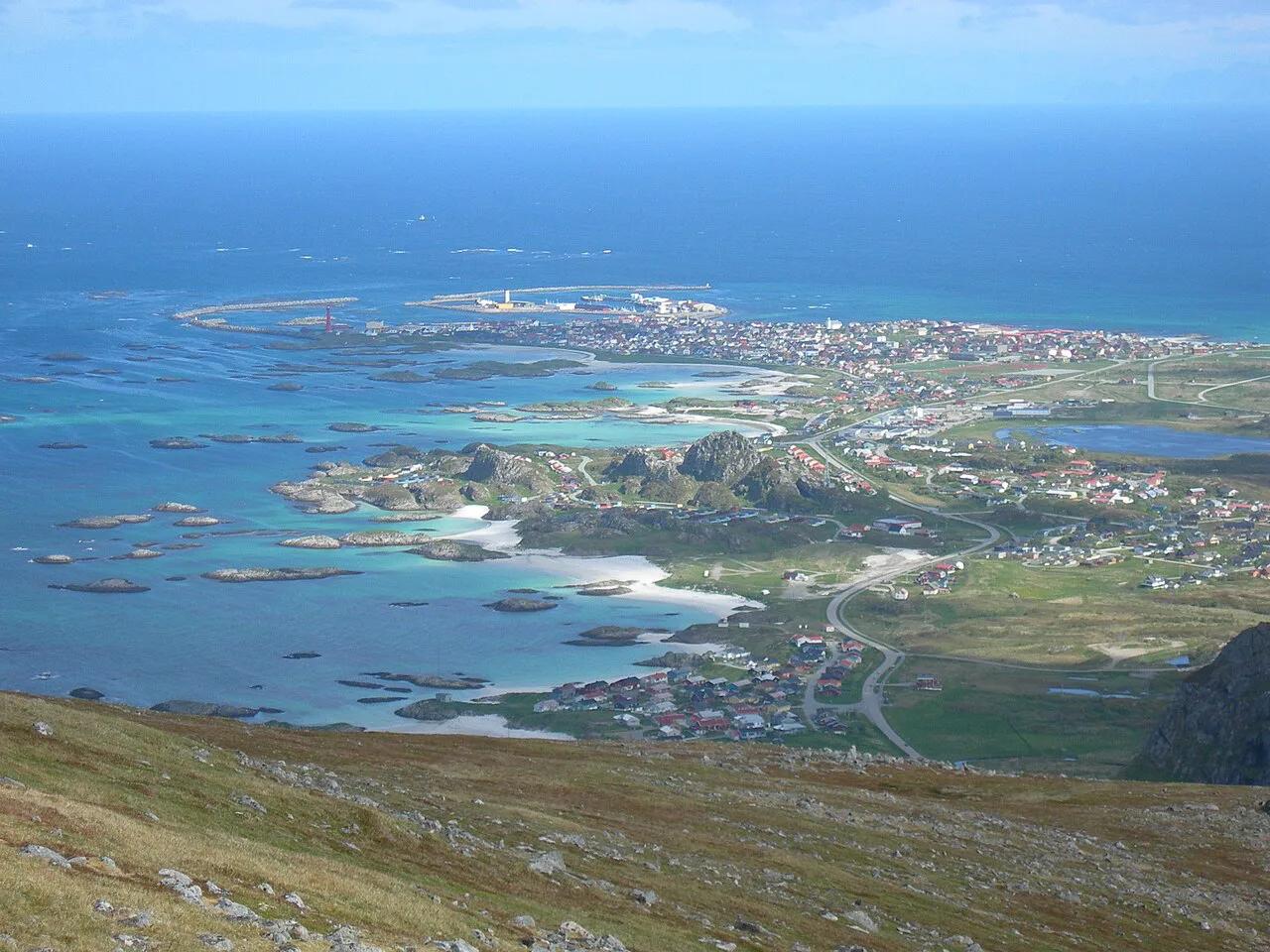
Featured image: Wikimedia Commons, CC BY-SA 3.0, via Wikimedia Commons.
Vesterålen at a glance
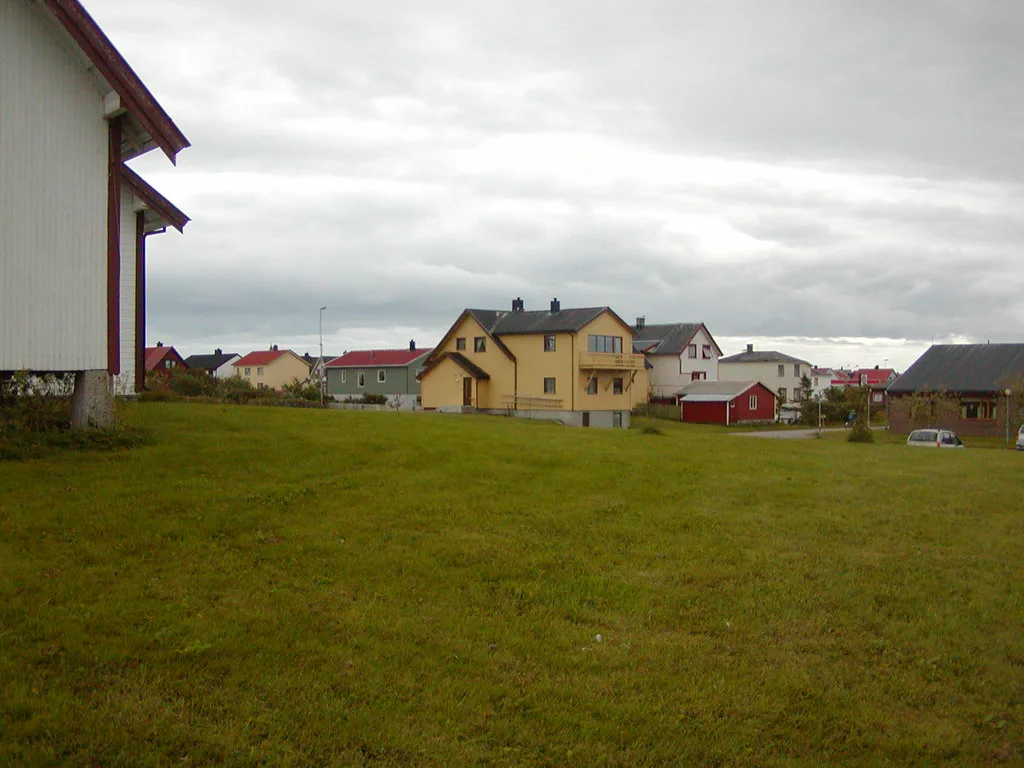
Andøya, Langøya, Hadseløya and part of Hinnøya make up the main islands. Bridges and short ferry hops tie them together. Sortland and Stokmarknes work as practical hubs, while Bleik, Nyksund and Stø hold the red rorbu cabins and storm-worn harbours. Pick Vesterålen for space, whale access and a slower pace. Pick Lofoten's peaks and villages for tighter scenery and more services. Many travellers combine both. The trade-off is simple: you need a car and time.
| Factor | Vesterålen | Lofoten |
|---|---|---|
| Crowds | Fewer tour buses | Busier, especially in summer |
| Scenery | Wide beaches, ridges folding into small fishing villages | Steeper, peak-led coastline |
| Whale access | Andenes is the classic base | Possible, but not the main draw |
| Beaches | Bleik, Hovden and Vinjestranda | Sandy bays exist, scenery is more mountain-led |
| Hiking | Beach walks through to Møysalen | Many steep ridge routes |
| Without a car | Buses run but are limited for sightseeing | Also easier with a car |
- Where: north of Lofoten, in Nordland county.
- Main bases: Andenes, Bleik, Nyksund, Stø, Bø, Sortland and Stokmarknes.
- Best for: whale safaris, coastal hikes, beach walks and quiet roads.
- Plan for: a rental car, layers in every month and a flexible day for weather.
Best time to visit Vesterålen
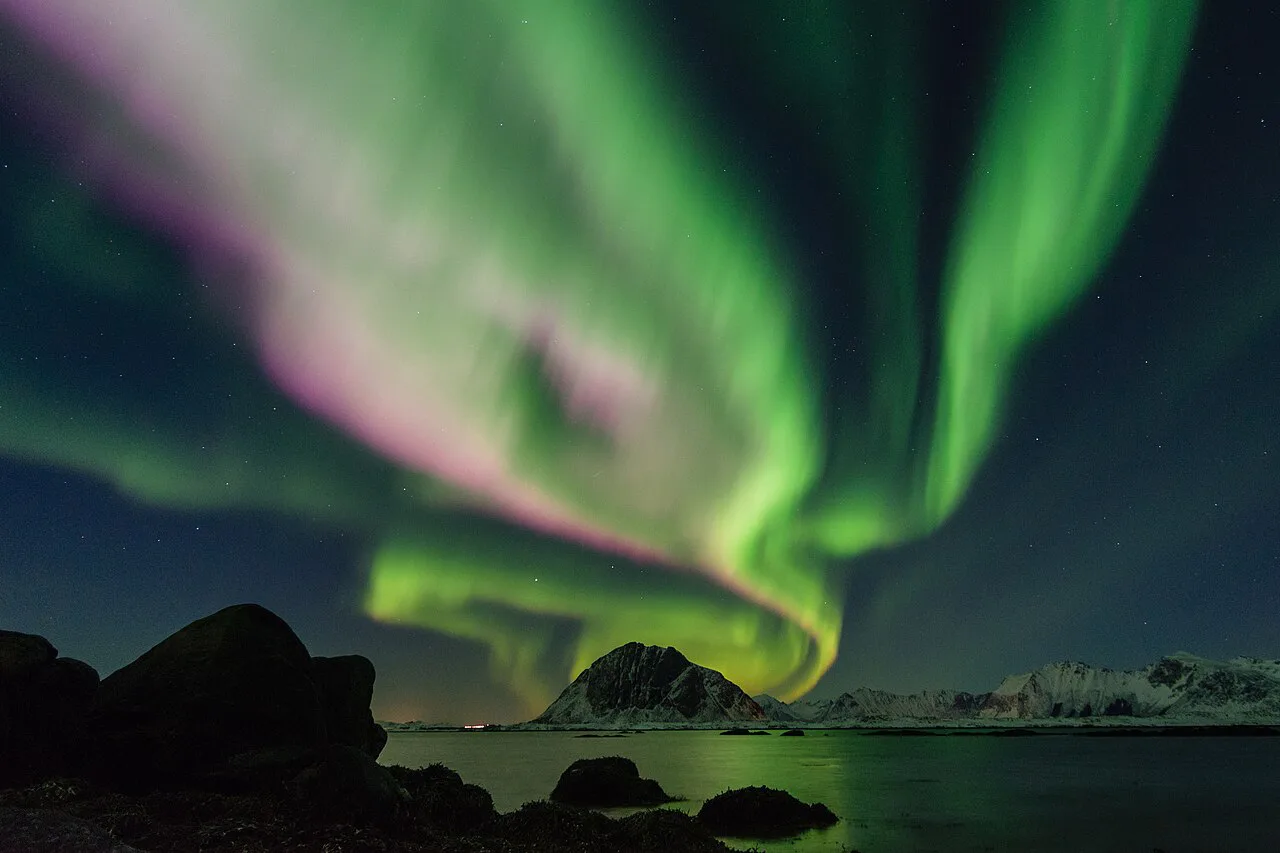
Vesterålen works in every season, but each one changes the trip. Summer brings the midnight sun, with light still gold at 2 a.m. Whale safaris run at full capacity from June to August, so book those dates early. Aurora is most visible from late September to March, when nights are darkest. Autumn adds heather colour and quieter roads. Winter brings storms that can shut roads, then clear, bright nights. Spring is shoulder season with returning seabirds. For aurora planning, see aurora timing in Lofoten, which shares the same northern sky.
| Activity | When | Notes |
|---|---|---|
| Whale watching | Year-round from Andenes | Orcas and humpbacks add to the summer chances |
| Puffins and seabirds | Summer | Bleiksøya is the bird island off Bleik |
| Midnight sun | Summer | Ideal for late hikes and beach walks |
| Northern lights | Late September to March | Needs clear, dark skies |
| Skrei and winter food | Winter | Skrei anchors local menus |
| Road and storm risk | Winter, plus any windy day | Check road conditions before driving |
Getting to Vesterålen
Harstad/Narvik Airport Evenes is the most practical gateway. From there, Sortland or Andenes is roughly 1.5 to 3 hours by car, depending on your stop. Andenes also has a small regional airport, so check which northern Norway routes currently serve it. Rail travellers can take the train to Narvik and rent a car. The Coastal Express calls at Stokmarknes, Sortland and Risøyhamn. A local ferry links Melbu and Fiskebøl, which is the usual hop between Vesterålen and Lofoten. For the Lofoten side, read route options into Lofoten. Compare fares on flight options for Lofoten. The official Vesterålen tourism site lists current travel details.
Expect 1.5 to 3 hours behind the wheel from Evenes, so the airport transfer takes a real chunk of a 3-day trip.
| Route | Best for | Flexibility |
|---|---|---|
| Evenes airport plus rental car | Most visitors | High; book the car ahead in summer |
| Andenes regional flight | Short northern hops | Fixed schedule; check current routes |
| Train to Narvik plus car | Rail travellers | High once you have the car |
| Coastal Express stop | Voyage itineraries | Fixed stops at Stokmarknes, Sortland, Risøyhamn |
| Melbu–Fiskebøl ferry | Moving on to Lofoten | Local ferry; check the timetable |
Getting around and scenic drives
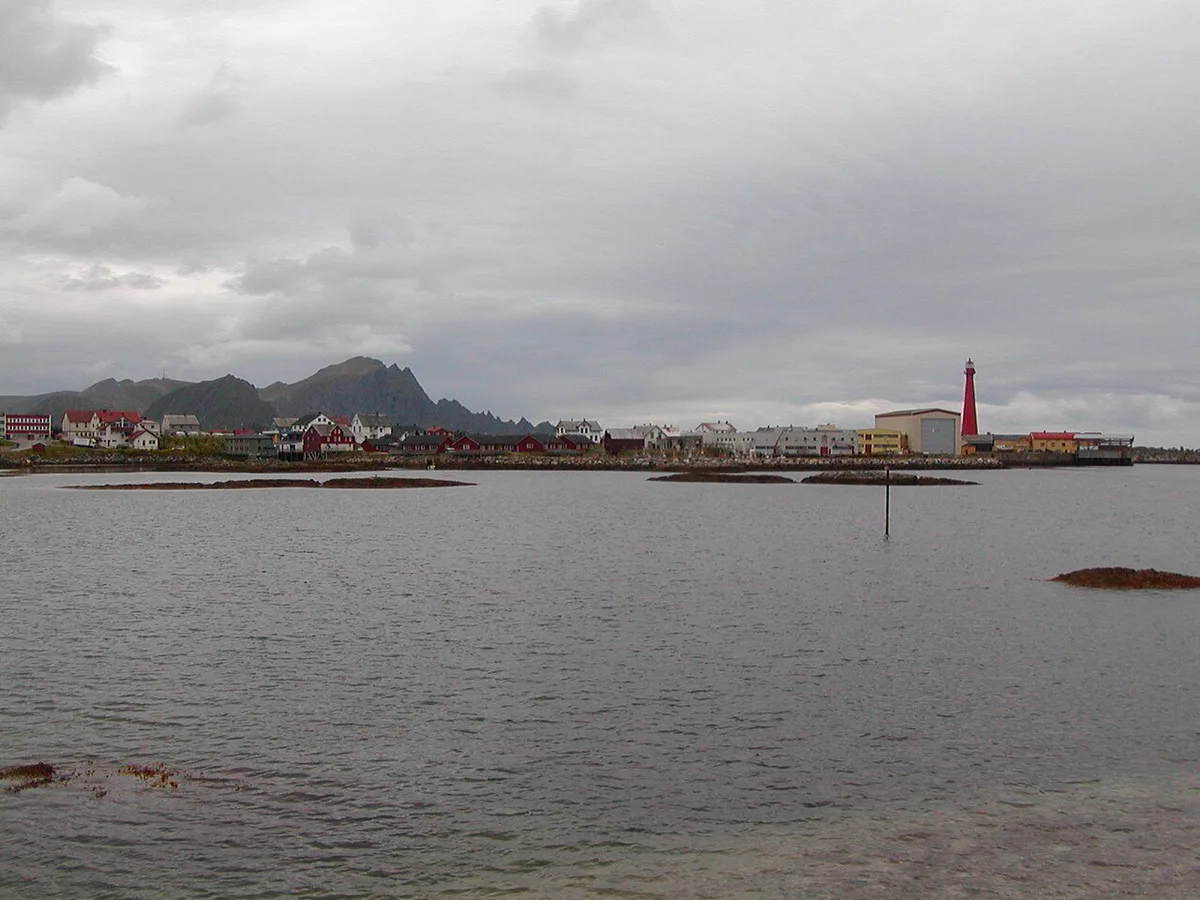
Take a car. Distances are longer than the map suggests, and buses are reliable but limited for sightseeing. Driving is straightforward, though wind matters. In winter, use proper tyres and check road conditions before setting off. The Andøya National Scenic Route is the highlight. It runs from Andenes down the exposed west side of Andøya. Along the way you pass Bleik's long beach, offshore sea stacks and the roadside art stop at Bukkekjerka. Drive it slowly and stop often.
Where to base yourself in Vesterålen
Lodging ranges from simple rorbu cabins to small hotels and guesthouses. Peak summer needs early booking, especially for waterfront cabins and set whale safari dates. May, early June and September usually offer better availability. Drive times between bases vary with weather and ferries, so check your route planner.
| Base | Best fit | Within about 30–45 minutes | Trade-off |
|---|---|---|---|
| Andenes / Bleik | Whale safaris, beach and scenic route | Bleik beach, Måtind, Andøya Space | Remote; fewer services than Sortland |
| Nyksund / Stø | Dronningruta and quiet evenings | Coastal trail, summer bird and whale trips from Stø | Small harbours, limited shops |
| Bø | Beaches and west-facing light | Hovden, Vinjestranda, Man from the Sea | Far from Andenes; check current route planner |
| Sortland / Stokmarknes | Groceries, buses and Hurtigruten links | Hurtigruten Museum, Møysalen access | Less coastal drama on the doorstep |
Best things to do in Vesterålen: Andøya, Andenes and Bleik
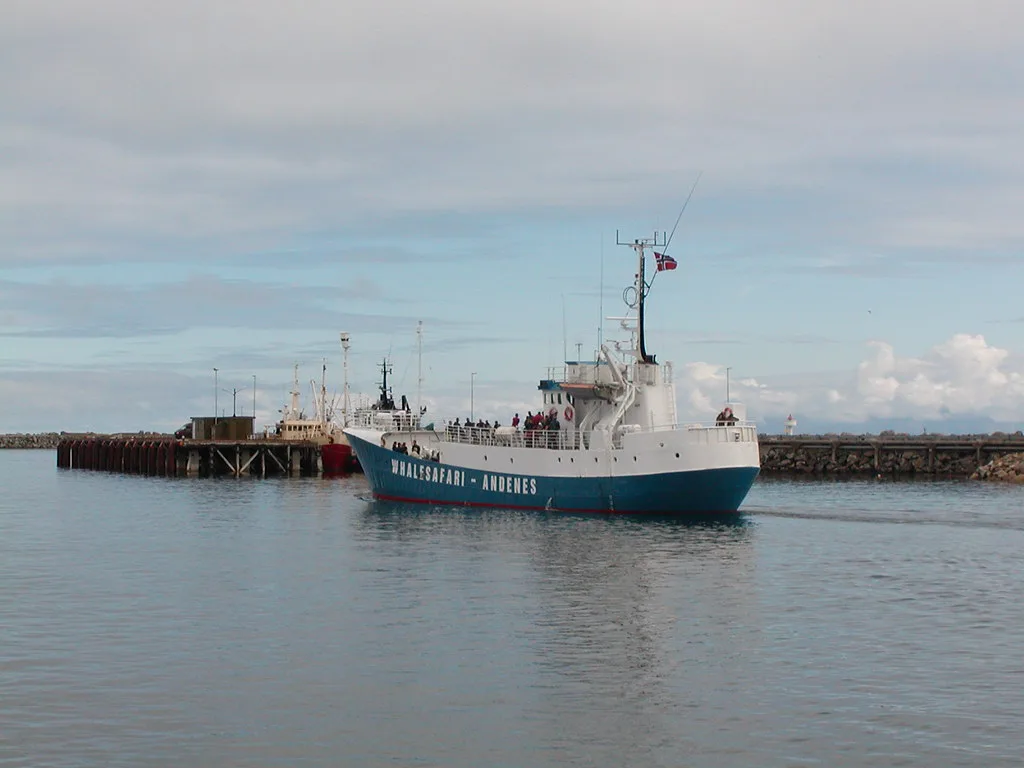
Andenes sits on the northern tip of Vesterålen. The deep edge of the continental shelf lies just offshore, which is why sperm whales can be spotted here year-round. Summer adds orca and humpback chances. Tours combine a science briefing with a fast boat and often hydrophones. Dress warmly even in July, because wind on deck is colder than expected. Just south, Bleik has a pale arc of sand and Bleiksøya offshore. Climb Måtind for a viewpoint over Bleik's beach and the open ocean. Andøya Space tells the story of Norway's rocket range and the northern lights. Check its current opening hours and tickets before visiting.
Øksnes, Nyksund and Stø: Dronningruta
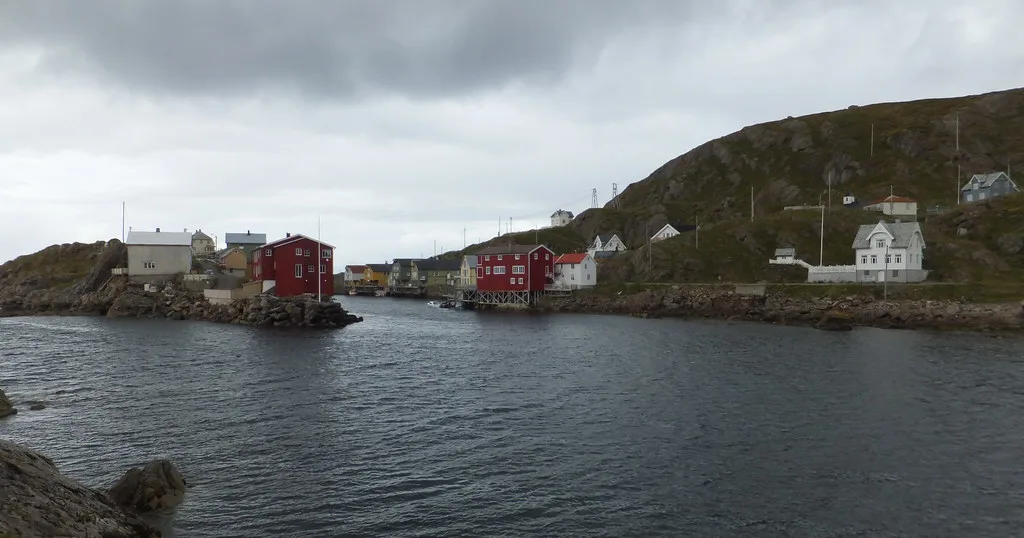
Nyksund is an abandoned-then-revived fishing village on Langøya. Cafés, small galleries and old buildings cluster around a tight harbour. From Nyksund or Stø you can hike Dronningruta, a marked coastal trail along cliffs, beaches and heather moors. Many walkers take the lower shoreline route one way and the higher ridge path back. Allow plenty of time and wear sturdy boots. Stø also launches summer bird and whale trips, and sea eagles are a regular sight.
Bø: beaches and the Man from the Sea
Bø sits on the outer edge of Langøya and faces open sea. Hovden and Vinjestranda catch the evening light well. Man from the Sea, a tall sculpture gazing toward the horizon, is the local landmark. Reka is the demanding hike here. Drive the coastal roads slowly, because low sun, cloud and water keep changing.
Sortland, Stokmarknes and the Hurtigruten Museum
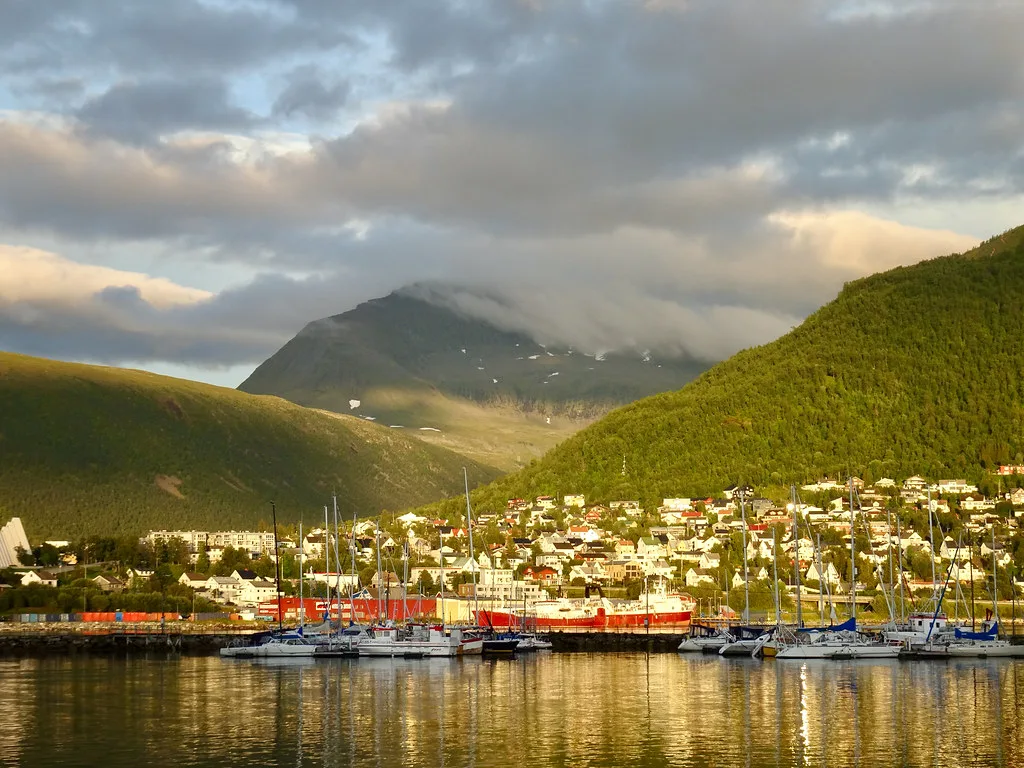
Sortland is the practical centre, known as the Blue City for its blue-painted buildings. Stock up on groceries here between day trips. Nearby Stokmarknes holds the Hurtigruten Museum, where a real coastal ship sits inside a glass building. It tells the story of Norway's coastal voyage and the communities it connected. Check current hours and ticket details with the museum before you go.
Møysalen National Park and Hinnøya
Møysalen stands 1,262 m high and is the roof of Hinnøya. The national park holds granite ridges, quiet lakes and reindeer-grazed uplands. The route includes boulder fields and, in early summer, patches of snow. Many hikers hire a local guide. Wait for clear weather, when the views reach across the islands to the mainland ranges.
At 1,262 m, Møysalen is the toughest hike, so the itinerary saves it for days 6–7 and only if the forecast aligns.
Hiking in Vesterålen: what to expect
Trails run from family-friendly shoreline paths to steep ridge routes. Expect wet ground after rain, variable waymarking and real wind on exposed tops. Good boots, a windproof shell and extra layers matter even in summer. Check the local forecast the morning of any hike. Tell someone your route or leave a note at your accommodation. In winter or early spring, consider a guide for anything above the tree line.
- 1. Bleik beach walks: easiest, fine on storm days too.
- 2. Måtind: a steady climb above Bleik.
- 3. Dronningruta: a long coastal route between Stø and Nyksund.
- 4. Reka at Bø: for the adventurous.
- 5. Møysalen: hardest, with boulder fields and early-summer snow.
Wildlife and responsible encounters
Whales are the star, but sea eagles and otters in quiet coves are also common. Follow the crew's instructions on whale trips. They position the boat so you see animals without stressing them. Keep your distance from nesting birds, especially around Bleiksøya and Stø. Never fly a drone near a colony. For national rules, consult the Norwegian Environment Agency.
Costs and what to book ahead
Four things drive the budget: car rental, a whale safari, summer lodging and eating out. Whale safaris are the premium item, car rental is mid to high, and groceries from Sortland keep food costs down. Book whale trips and waterfront cabins early for June to August. Current prices sit on operator pages and the Visit Vesterålen listings.
Food and local taste
Cod is king. In winter, skrei season anchors menus. The rest of the year brings fresh cod, haddock and halibut, usually served with potatoes and carrots. Try boknafisk if you want lightly dried fish. Bakeries in the hubs turn out cinnamon buns and cardamom twists, so plan coffee stops into each day.
Suggested itineraries: 3 days and 5–7 days
Base in Andenes or Bleik for a long weekend. For 5 to 7 days, add Nyksund, Stø and Stokmarknes. Keep one day free for weather.
- Day 1: drive the Andøya scenic route and walk Bleik beach. Bad weather: Andøya Space.
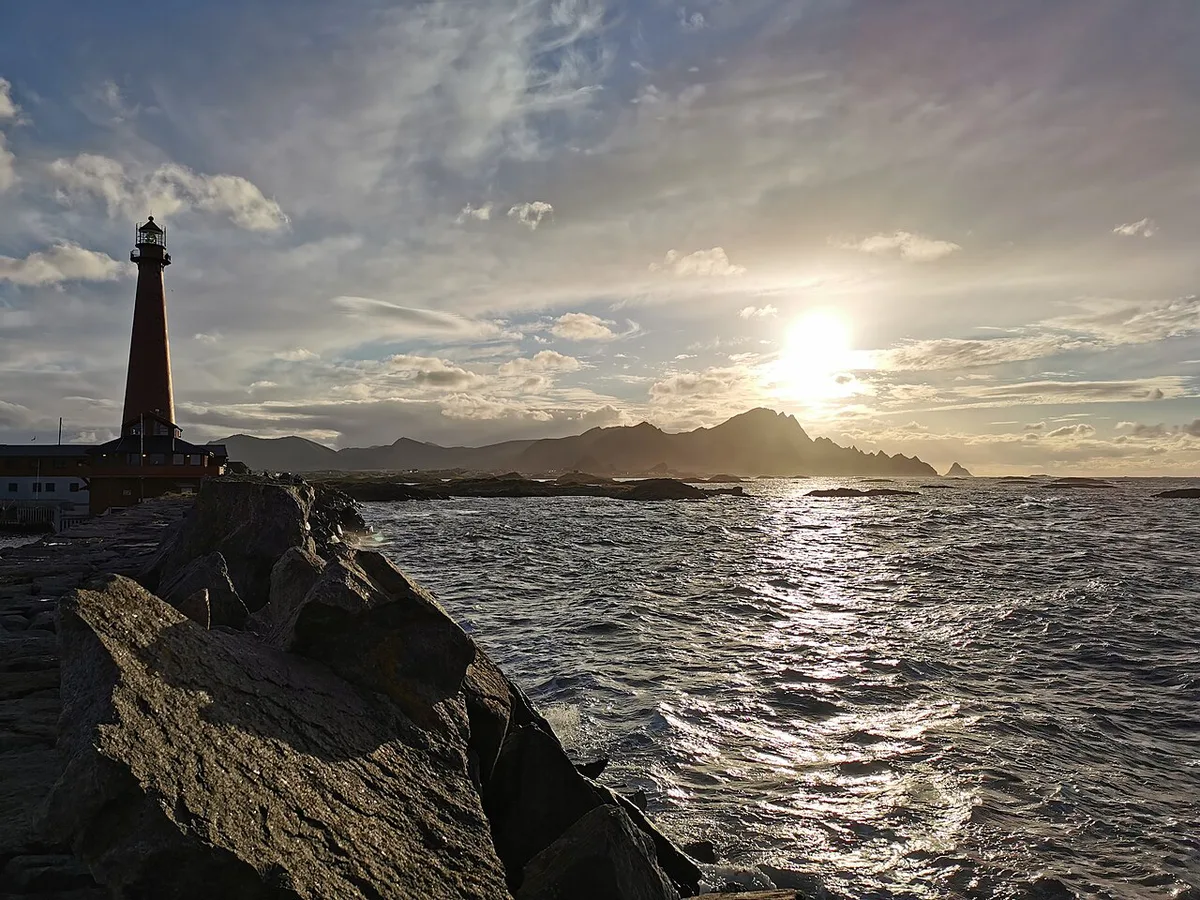
- Day 2: take a whale safari and visit the lighthouse. Bad weather: move the safari to Day 3.
- Day 3: Bø beaches and Man from the Sea, then return via Sortland. Bad weather: Hurtigruten Museum in Stokmarknes.
- Days 4–5: Nyksund, Dronningruta and a night in Stø. Bad weather: harbour cafés and galleries.
- Days 6–7: Møysalen summit day if the forecast aligns. Bad weather: Sortland reset day.
Practical tips and packing
Weather changes fast. Pack layers, a warm hat, gloves and a real rain jacket even in July. Bring sunglasses and a thermos for windy beaches. Mobile coverage is decent along main roads but patchier in remote coves. Cards are accepted almost everywhere. Add Lofoten with the Senja's coastal drives nearby if you want a longer island trip.
- Skipping a car.
- Underestimating distances.
- Committing to Dronningruta or Møysalen without checking the weather.
- Packing no layers in July.
- Booking summer whale trips late.
- Flying a drone near bird colonies.
Useful notes for your next island trip
Optional updates to our guides.
You might also like

Continue reading
More guides you'll find useful