
Svalbard Travel Guide: Seasons, Safety & How to Plan a Trip
Plan a trip to Svalbard: when to go, what to do in Longyearbyen, polar bear safety rules, getting there, and cost trade-offs.
On this page
Last updated November 2026: Svalbard is a remote Norwegian Arctic archipelago, and Longyearbyen on Spitsbergen is its main base. It suits travelers who want polar bears, glaciers and extreme seasons more than a road trip. Flights from Oslo or Tromsø are the usual way in, and our guide to reaching Svalbard covers the routes in detail.
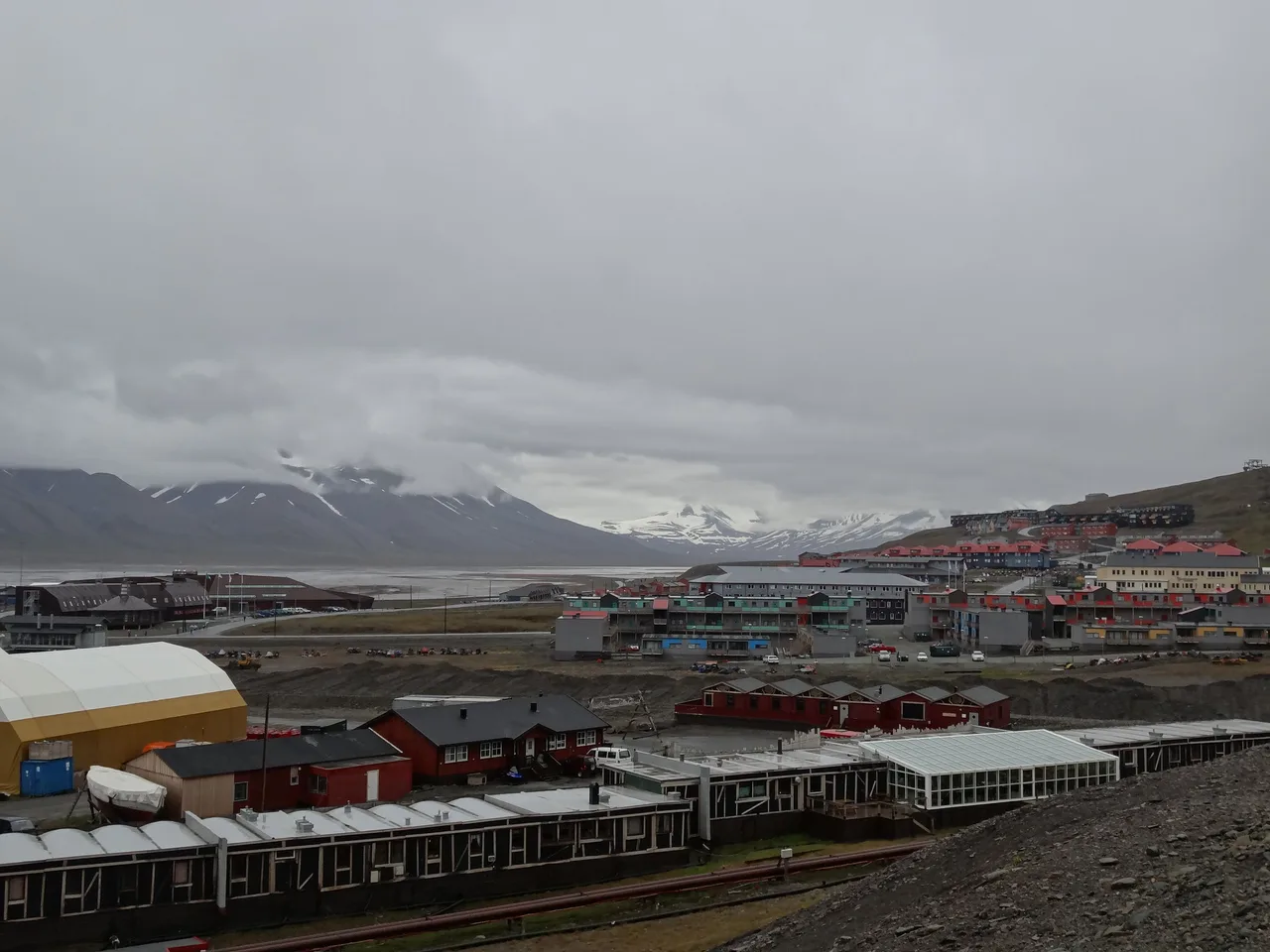
Featured image: tomp77, CC BY 2.0, via Flickr.
What Svalbard Is, And Who It Suits
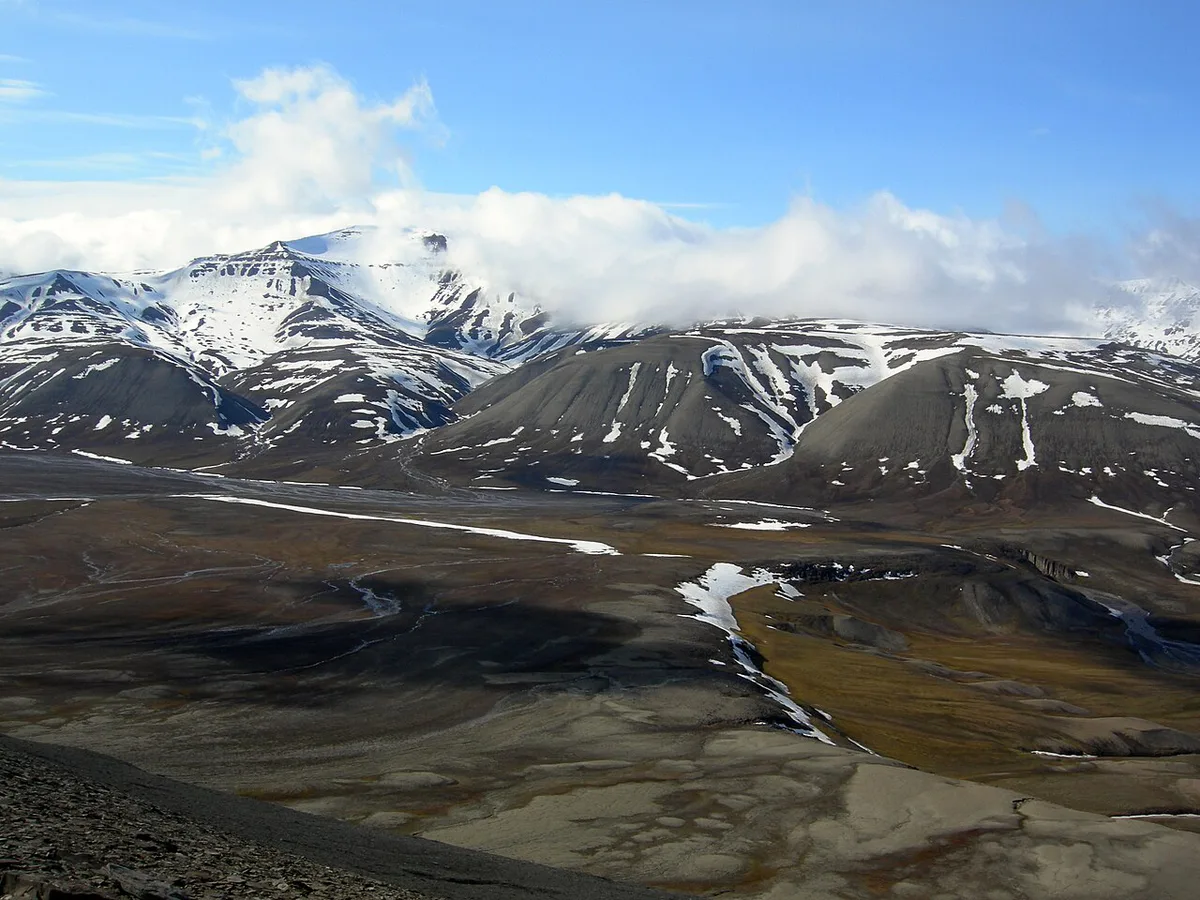
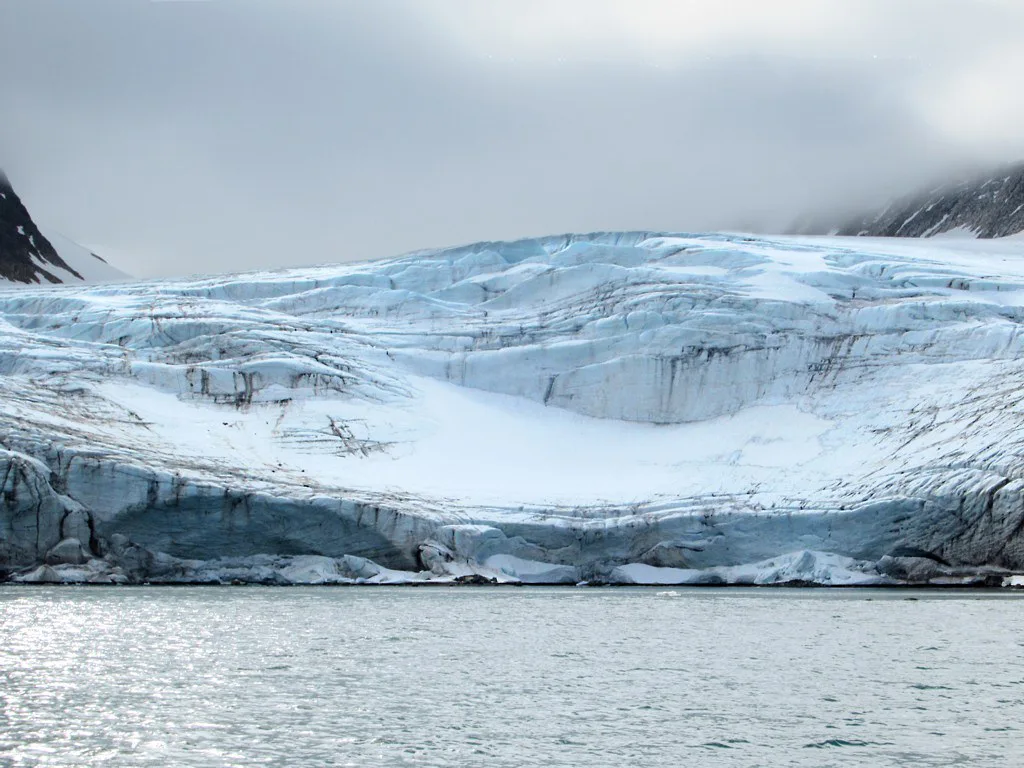
Svalbard lies between mainland Norway and the North Pole. Longyearbyen sits above 78°N, which puts daily life well inside the high Arctic. Polar bears, glaciers and a sharp split between summer daylight and winter darkness define the place. It also hosts the Global Seed Vault, which protects crop seeds from around the world. Svalbard is not a Lofoten-style island group with a连 road loop. It is a separate trip with its own logistics, rules and costs.
- Good fit: travelers who want guided Arctic wildlife, glacier and snowmobile days.
- Good fit: people who accept that most excursions need a guide.
- Skip it if: you want independent hiking from a car or a low-cost trip.
- Skip it if: you plan to treat it as a quick add-on to a mainland Norway itinerary.
When To Go: Season-By-Season Trade-Offs
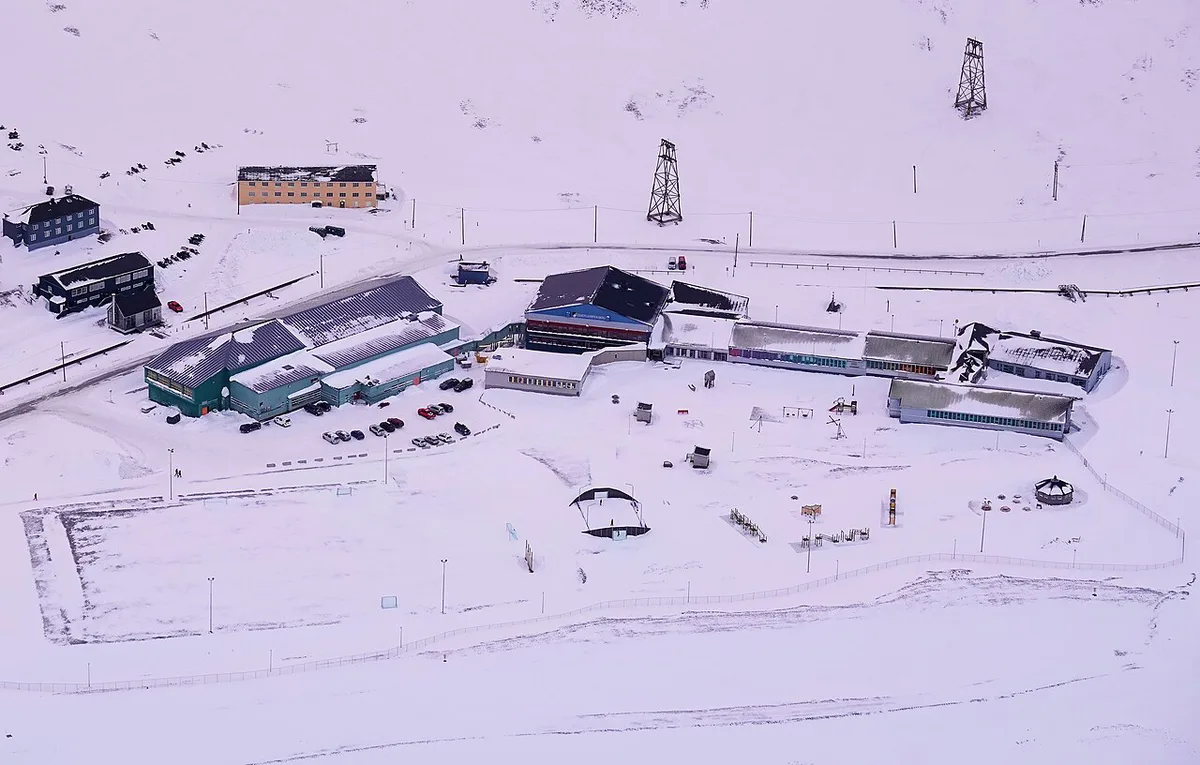
Svalbard has months of continuous daylight in summer and complete darkness in winter. Each stretch opens some activities and closes others. Exact start and end dates shift, so check them with Visit Svalbard before you book. Cold is the constant. One photographer reported -10°C to -30°C in October 2008, but treat that as a single dated anecdote, not a forecast.
Because the town sits above 78°N, the polar night and midnight sun in the season table apply to Longyearbyen itself.
| Season | What is possible | What is not | Who should skip it |
|---|---|---|---|
| Polar night | Dark-sky stillness, northern lights chances, town atmosphere | Daylight sightseeing and easy landscape photography | Anyone who needs daylight views |
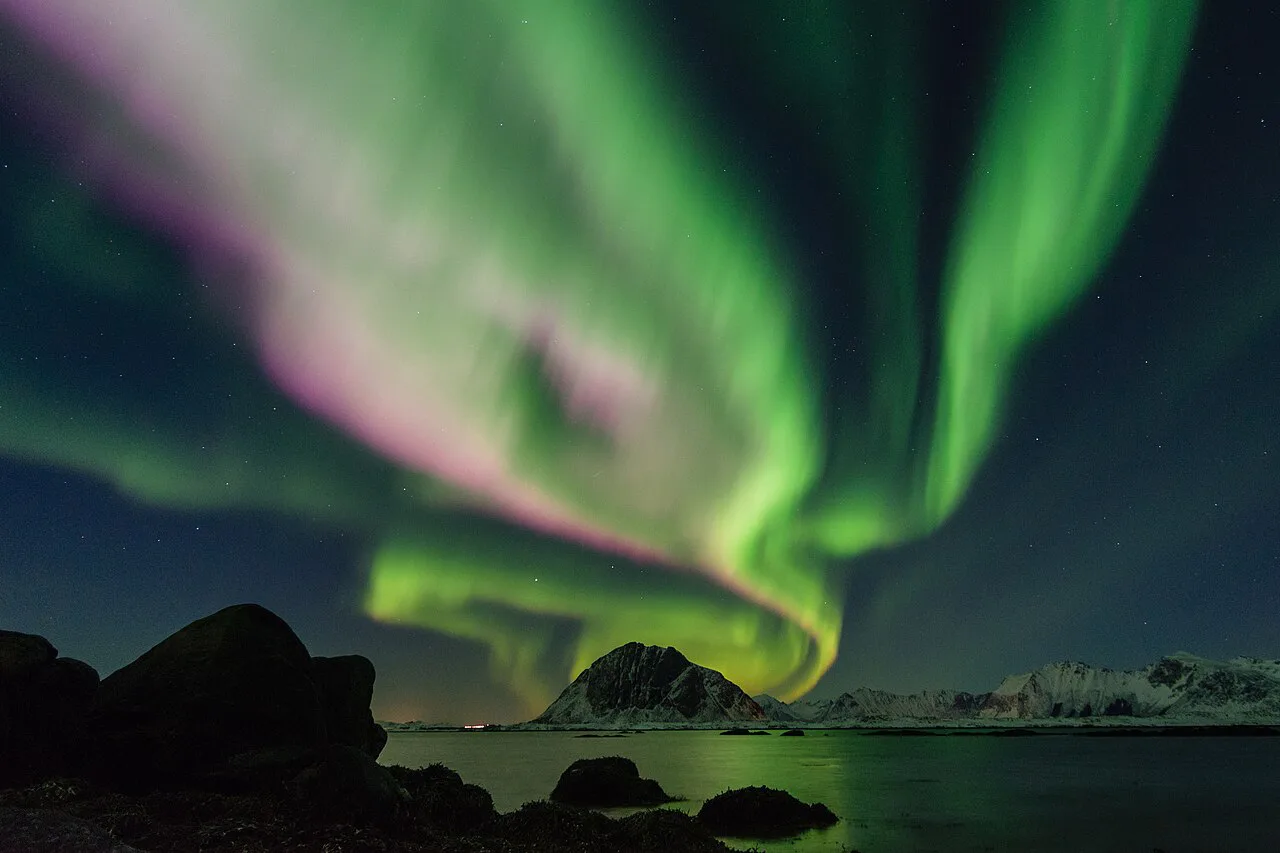
| Dark season (northern lights) | Aurora hunting on clear nights | Reliable viewing in cloud or storm | Travelers who cannot plan around weather |
| Return of the sun | Growing daylight and wider tour choice | Guaranteed warm conditions | Those expecting summer comfort |
| Midnight sun | Round-the-clock daylight, flexible tour timing | Darkness for aurora or a night-sky feel | Light-sensitive sleepers without blackout curtains |
| Summer thaw | Boat and coastal trips, open water | Winter-style snow activities | Travelers set on snowmobiles or dog sledding |
Best Things To Do In Svalbard
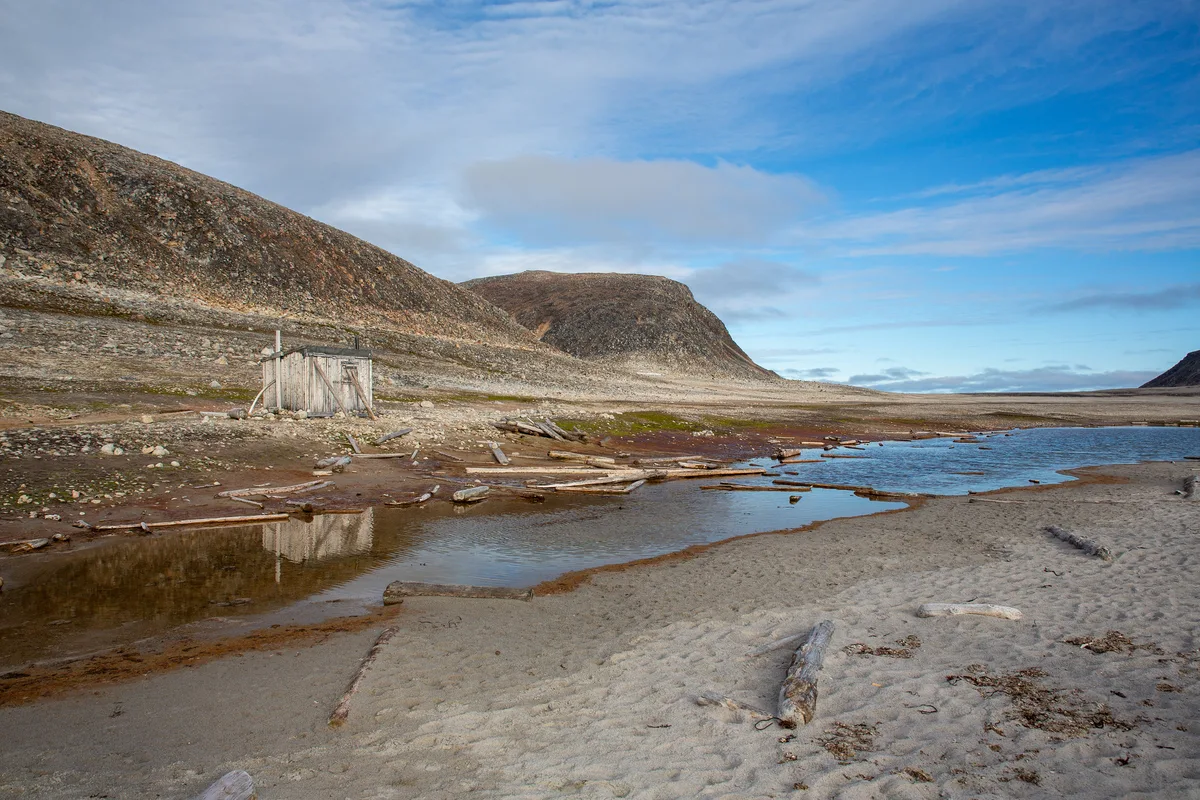
Most Svalbard activities are guided and grouped by season. Winter and spring suit snowmobile and dog-sled style days, while summer favors boats and coastal wildlife viewing. Confirm each current offer on Visit Svalbard. In Longyearbyen, the Seed Vault is mainly an exterior sight, so look up its access rules before planning around it. Galleri Svalbard, an artist residency, and a local dog yard add minor cultural stops. Treat those as short additions, not whole days.
Safety, Guides And Rules
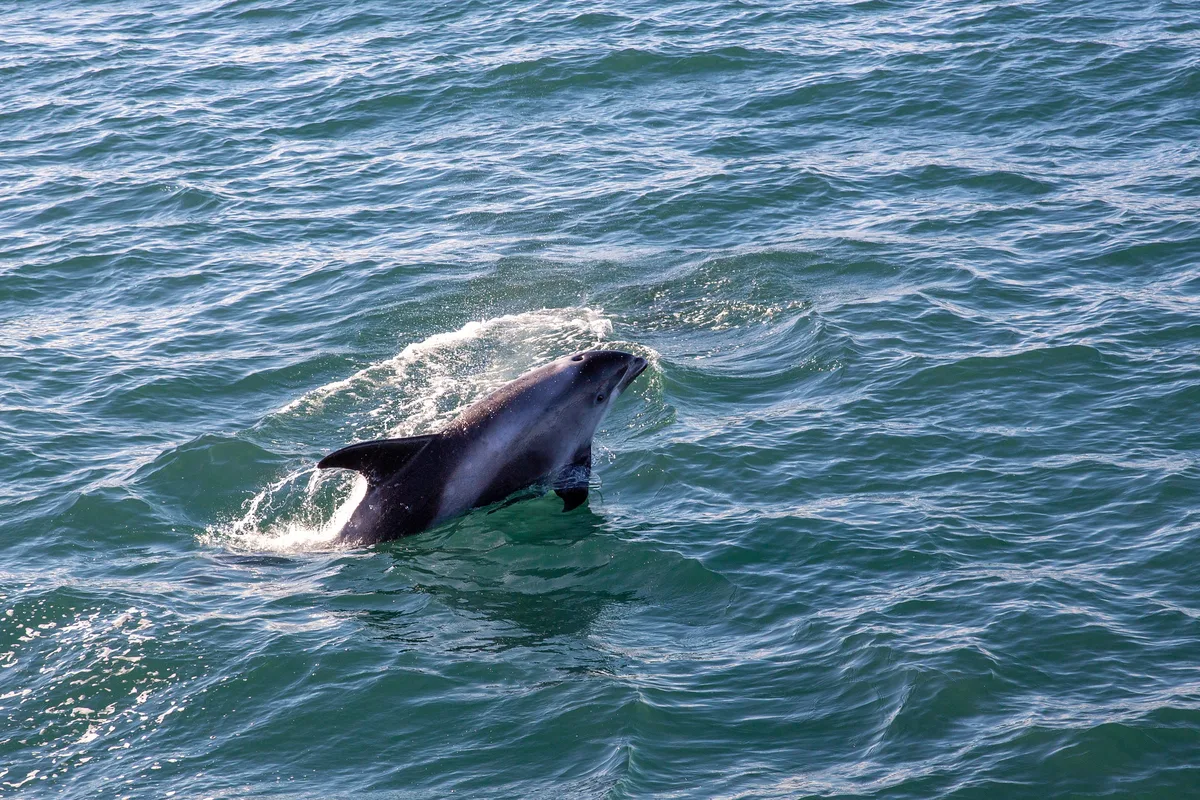
Polar bears make safety a planning constraint, not a footnote. Leaving the settlement raises guide, firearm and permit questions that do not exist on the mainland. Read the Governor of Svalbard's rules before you plan any independent walk. As a practical default, assume that anything beyond town needs a guide. Guided groups carry the protection and the local knowledge you cannot replace with a map.
Getting There And Getting Around
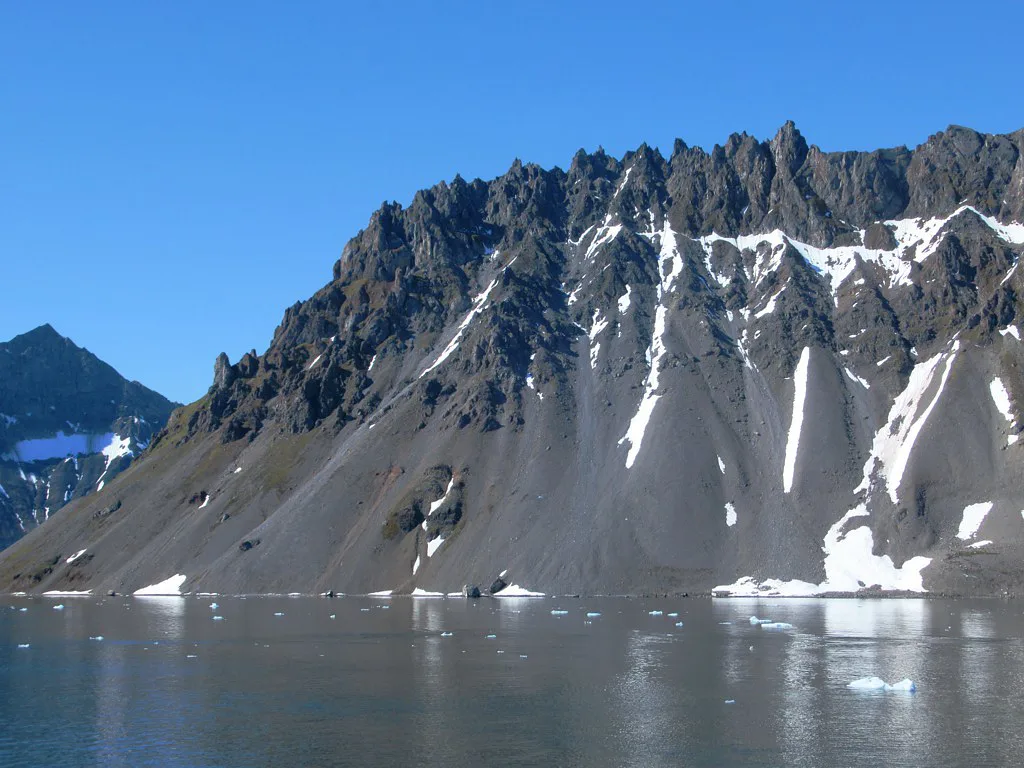
Longyearbyen is the gateway, reached by air from Oslo or Tromsø. Airport details are on the Svalbard Airport page. Entry rules for Svalbard are unusual because of its treaty status. Check passport and visa requirements with Norwegian government sources before you fly. Roads are limited, so travelers rely on tours, snowmobiles, boats or flights beyond town. Lofoten routes such as the Bodø ferry and Lofoten flights are mainland routes. They do not lead to Svalbard.
Costs And Booking Realities
Expect Svalbard to sit at the very high end of Norwegian travel costs. Flights, guided excursions and winter gear drive the total. Peak seasons fill early, so book tours and rooms before you lock in flights. Prices change each year, so use operator sites for current NOK figures. The comparison below uses relative levels only.
Read a 2-3 day stay against the cost list: flights and one guided tour take a large share of a short trip's budget.
| Trip style | Cost level | Time needed | Access |
|---|---|---|---|
| Short stay, town and one tour | High | Short | Guided day trip from Longyearbyen |
| Longer stay, several tours | Very high | Longer | Multiple guided excursions |
| Budget version | High | Short | Town walks plus one affordable tour |
| Fully guided version | Very high | Medium to long | Guided activities most days |
| Summer | High to very high | Flexible | Boat and coastal options |
| Winter | Very high | Flexible | Snowmobile and aurora options |
Where To Stay
Longyearbyen is the main base, so most visitors sleep there. Options run from simple guesthouse-style rooms to larger hotels. Compare location, breakfast and tour pickup rather than chasing a named property. Book early for peak seasons, because beds are limited on a small Arctic island.
How Long To Stay
A 2-3 day stay covers town, the main sights and one guided tour. A 4-5 day stay lets you add a second excursion and absorb weather delays. A longer stay suits wildlife, photography or a mix of seasons. Weather can cancel a tour, so extra days protect the trip. Short stays work best when you accept fewer activities.
Sample 4-Day Svalbard Itinerary From Longyearbyen
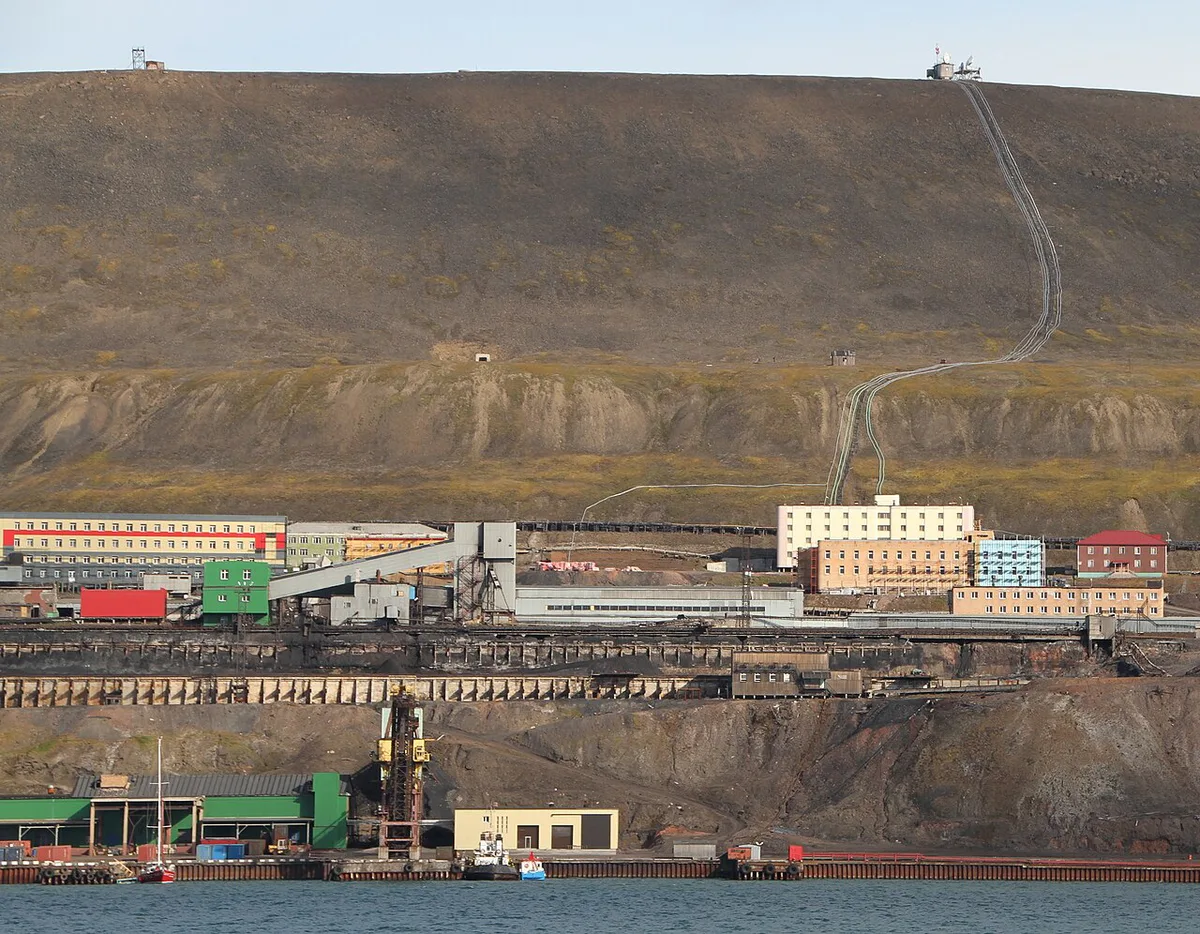
This plan assumes four nights based in Longyearbyen, with one main guided excursion and a spare day for weather. Swap the excursion for the season: snowmobile or dog-sled days suit winter and spring, while boat and coastal trips suit summer. Confirm what is running on Visit Svalbard before you book flights.
| Day | Plan | Why it works |
|---|---|---|
| Day 1 | Arrive, walk the town, visit the Svalbard Museum, see the Seed Vault from outside | Light day while you adjust to the cold and sort out gear |
| Day 2 | Main guided excursion of the season (snowmobile, dog sled or boat trip) | Put the headline activity early so there is time to rebook if weather cancels it |
| Day 3 | Second guided outing, such as a glacier or mining-heritage tour, or a dog yard visit | Adds variety without a second full-cost expedition |
| Day 4 | Buffer day, shopping and cafes, then the flight out | Protects the trip against delays and cancelled tours |
How to adjust the plan
- Polar night: replace daylight sightseeing on Day 3 with an evening aurora outing, and accept that clear skies are never guaranteed.
- Midnight sun: tours run at flexible hours, so you can schedule the longest excursion on Day 2 without worrying about dusk.
- Tight budget: keep one paid excursion and fill the remaining days with town walks and museum time, since flights and a single guided tour already take a large share of a short trip's spend.
Anything beyond the edge of town needs a guide, so do not add independent hikes to the gaps in this plan. If a tour is cancelled, ask the operator about moving it to your buffer day before you book anything else.
Svalbard Vs. Mainland Arctic Norway
Mainland Arctic Norway fits better if you want lower cost, easier road access and a longer season for general sightseeing. Browse Norway's island destinations to compare options. Lofoten's fishing villages and peaks suit road trips. Senja's coastal mountains and Vesterålen offer quieter drives. For a lower-cost aurora option, see our Lofoten northern lights guide. Combining Svalbard with Lofoten means two separate trips with separate flights, so do not treat one as an add-on to the other.
Mistakes To Avoid On A Svalbard Trip
Most problems come from underplanning. Avoid these common errors.
- Underestimating the cold and the weather.
- Booking too late for peak seasons.
- Expecting independent hiking without a guide.
- Treating Svalbard as an add-on to a Lofoten trip.
Frequently Asked Questions
What is the weather like in Svalbard?
Svalbard has extreme seasons, with months of continuous daylight in summer and complete darkness in winter. Cold is the constant. One photographer reported -10°C to -30°C in October 2008, but that is a single dated report.
Why is Svalbard part of Norway?
Svalbard is an Arctic archipelago belonging to Norway, and the Governor of Svalbard administers it. Its treaty status is unusual, so read the Governor's official pages for the legal background.
Useful notes for your next island trip
Optional updates to our guides.
You might also like
Continue reading
More guides you'll find useful