
Lofoten Northern Lights: Best Spots, Season and Tips
Plan Lofoten northern lights: season window, how to choose a viewing spot, tour vs self-drive trade-offs, weather strategy and safety tips.
On this page
Last updated November 2026. Lofoten northern lights are a realistic goal because the islands sit well inside the auroral zone, so success depends on clear skies, darkness and solar activity. Plan for autumn to early spring and build in weather flexibility, since that matters more than picking one perfect village. Use the spot comparison, tour trade-offs and forecast routine below to organise your nights.
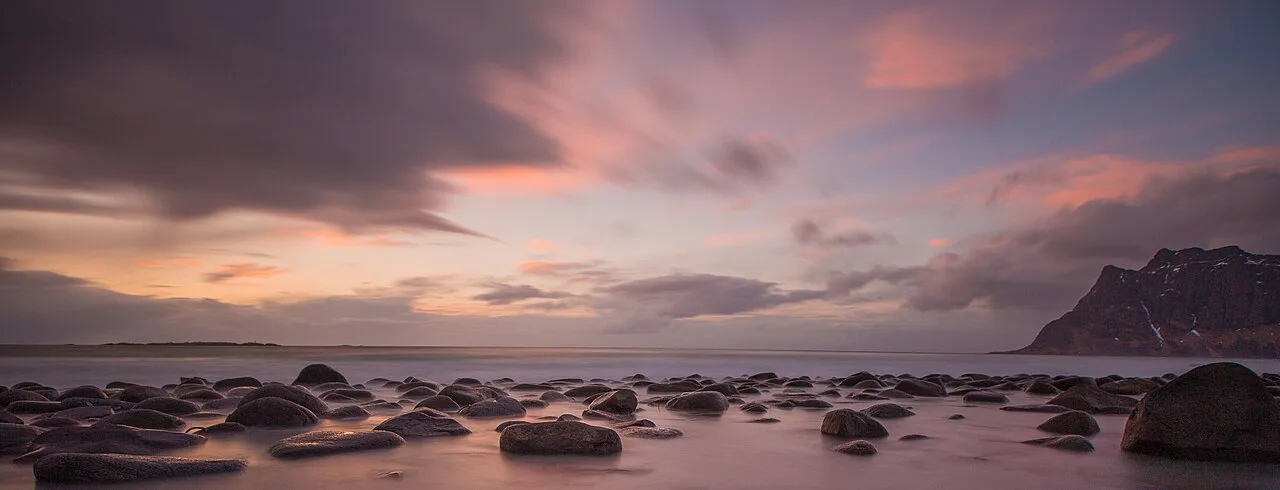
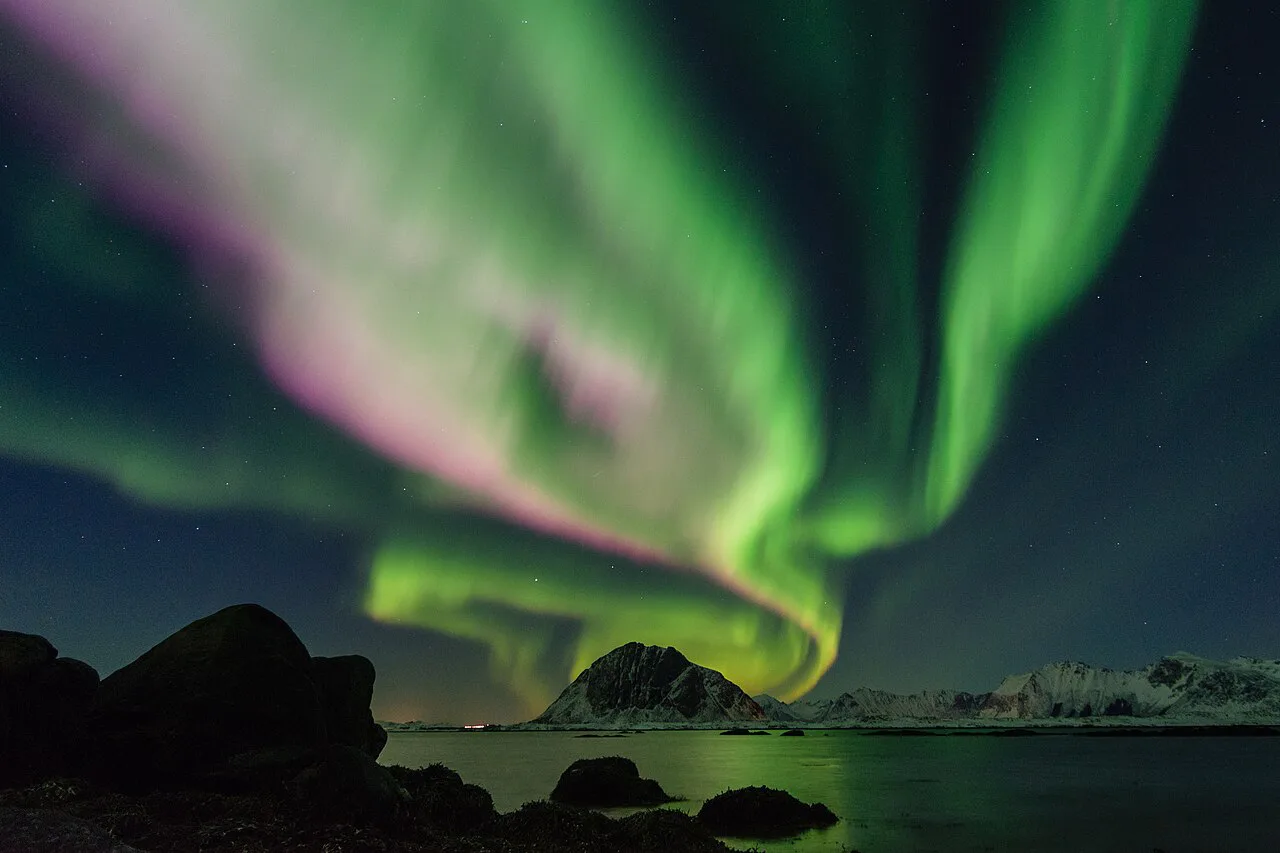
Featured image: Cem Sagisman cems77, CC0, via Wikimedia Commons.
Quick answer: can you see the northern lights in Lofoten?
Yes, in the dark season, when clouds allow. Cloud is the usual reason a night fails, not a lack of aurora. Plan 3 to 5 nights so that one clear spell can fall inside your trip. That is guidance, not a guarantee. Base yourself somewhere with a dark sky outside the window and the freedom to move. Start with our Lofoten base guide if you have not chosen an area yet.
Best time to see the northern lights in Lofoten
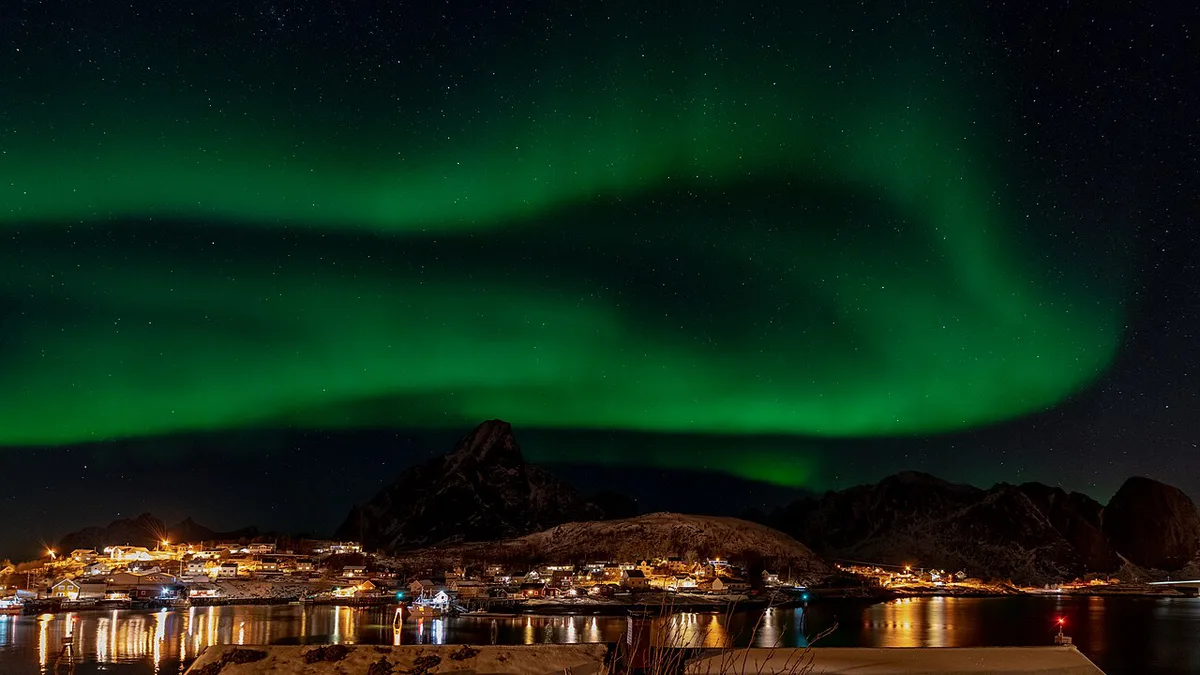
Aurora season runs from autumn to early spring, when nights are properly dark. Summer is out. Under the midnight sun and bright twilight, the sky never gets dark enough. Deep winter gives the longest nights but also the harshest roads and the least daylight for sightseeing. Shoulder months give you a mix of dark evenings and usable daylight. Moon phase also matters, because a bright full moon washes out faint displays while a thin moon helps. Visit Lofoten's official tourism pages list seasonal activities and local operators.
How to choose a viewing spot in Lofoten
Score each spot on five questions rather than chasing a ranked list. Can you see a wide northern or open-sea horizon? Are harbour lights and road glow out of your line of view? Can you park safely off the road? Is the ground safe to walk on in the dark? Is the foreground worth photographing if the aurora is weak? Verify each village on a map before you drive out at night.
| Criterion | What to look for | Watch out for |
|---|---|---|
| Orientation | Open northern or sea horizon | Steep mountain walls that box in the sky |
| Light sources | Dark foreground, no harbour floodlights | Town glow and passing traffic |
| Access | Signed pull-offs and short walks | Icy shoulders on the E10 and side roads |
| Parking | Space that leaves passing places free | Blocking farm tracks or turning areas |
| Foreground | Beach, peaks or boats for photos | Flat, empty ground |
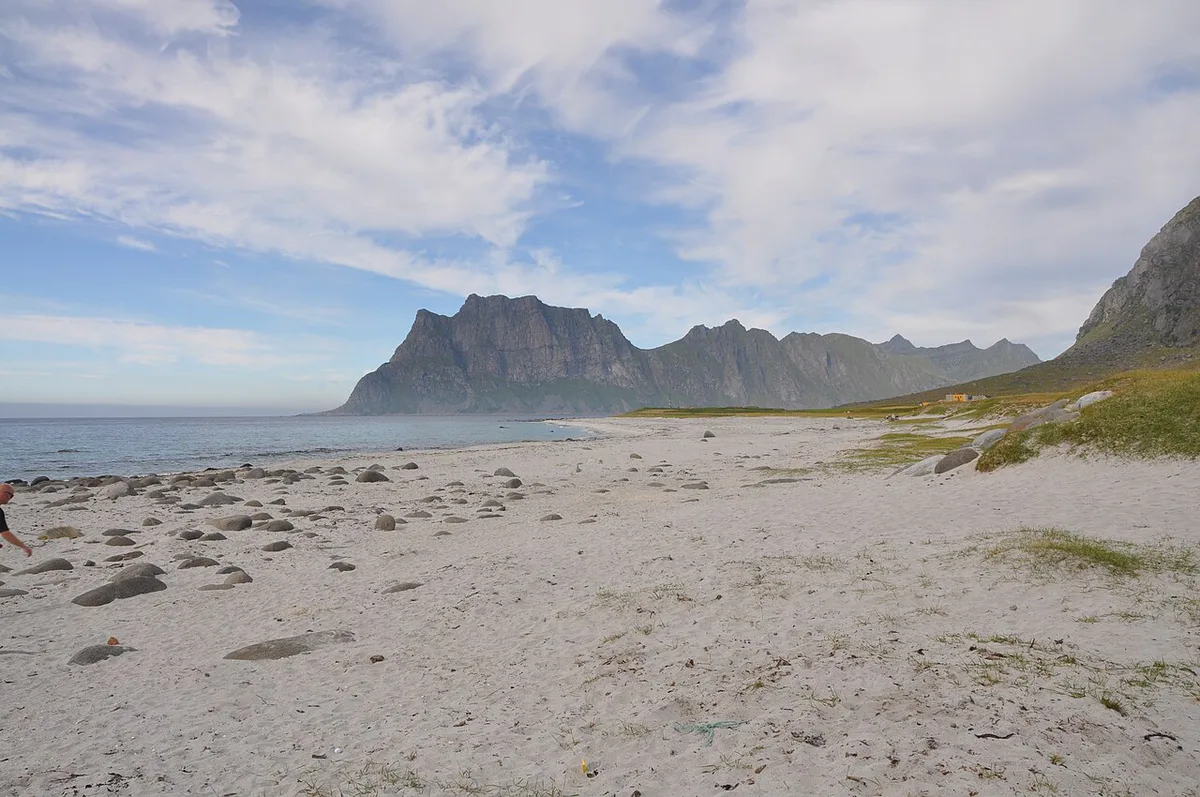
Best northern lights spots in Lofoten, by area
Group your options by geography so you can switch coasts when cloud moves in. Cloud often differs between the outer coast and sheltered fjords, so a short drive can change your night.
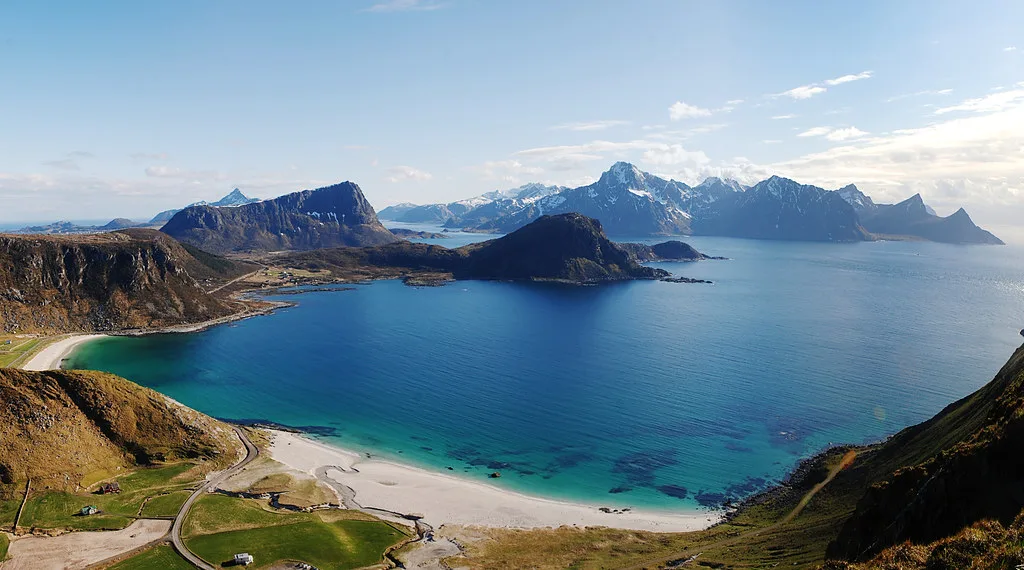
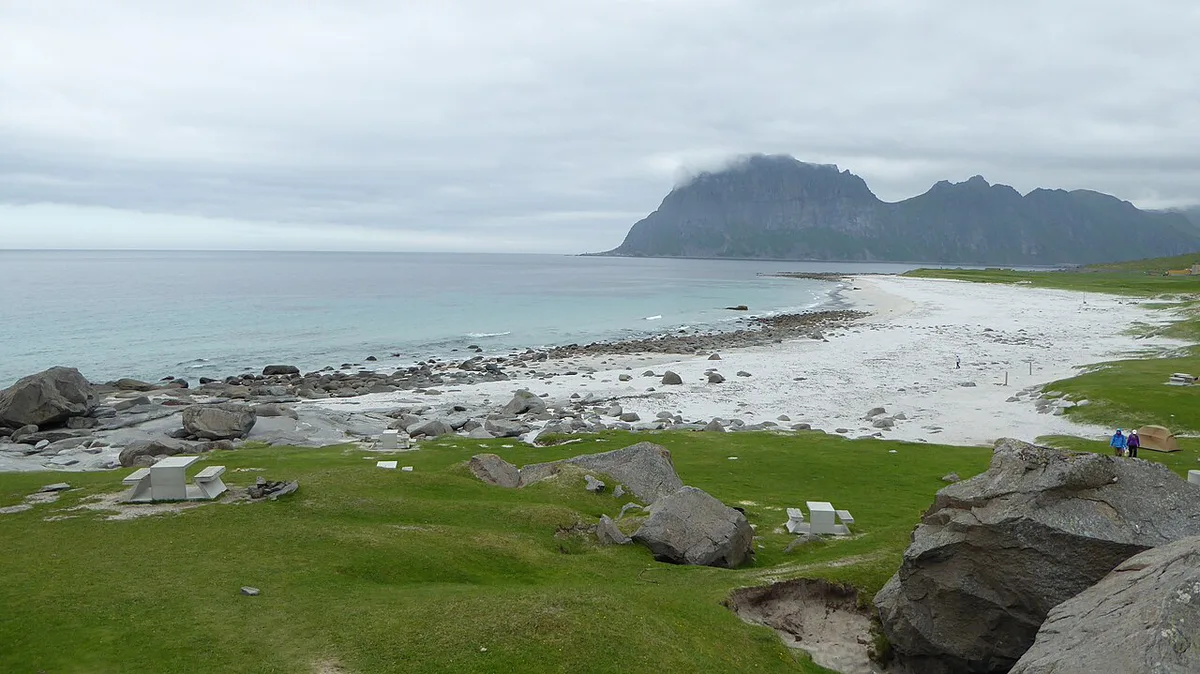
- Vestvågøy: Haukland and Uttakleiv are open beaches on the island's north-west side. They suit photographers who want sea, sand and mountains in one frame, and both can be windy.
- Flakstad: Skagsanden near Ramberg is a long beach with a wide sea horizon. It suits visitors staying in the middle of the chain who want an easy beach walk.
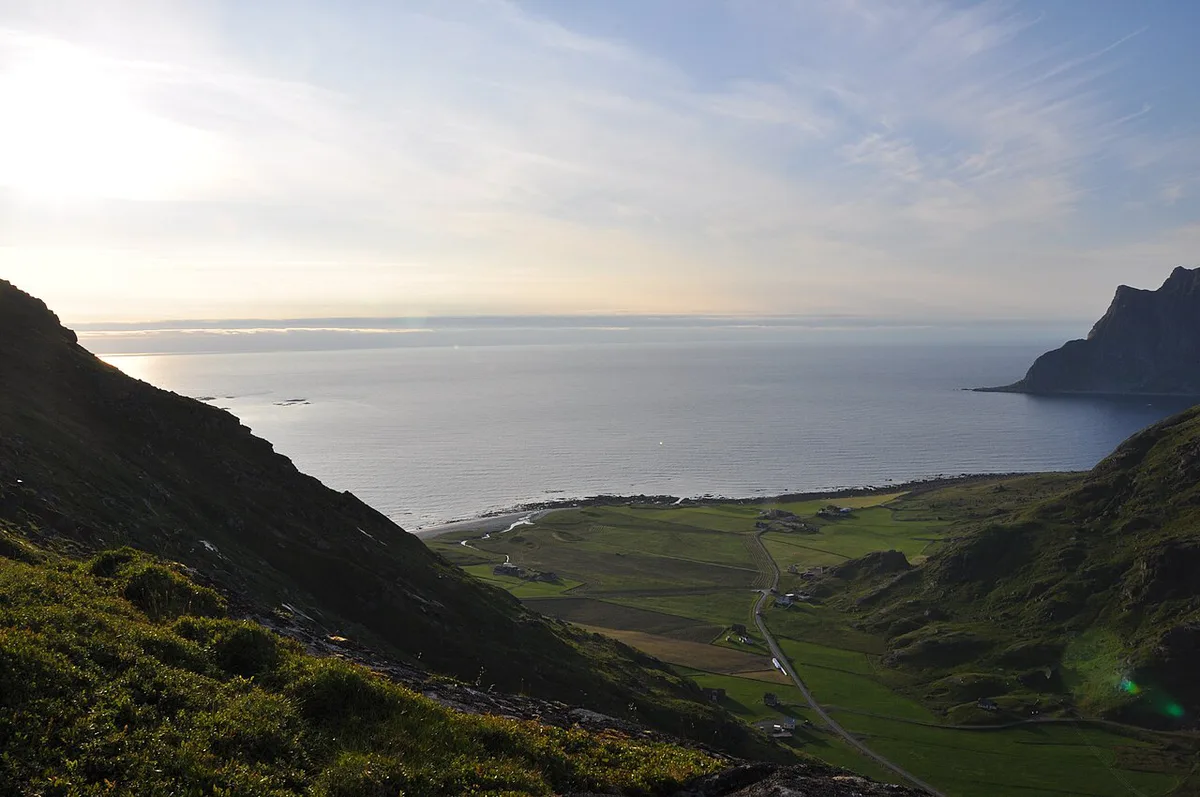
- Vestvågøy: Unstad and Eggum offer open coastal outlooks away from the larger towns. Check road conditions before driving out after dark.
- Moskenes and Flakstad villages: Å, Reine and Hamnøy give classic fishing-village foregrounds. Mountains and harbour lights can limit the sky, so treat them as scenery stops first.
- Austvågøy: Svolvær, Kabelvåg and Henningsvær are convenient bases with restaurants. Town lighting is stronger there, so drive a few minutes beyond the glow.
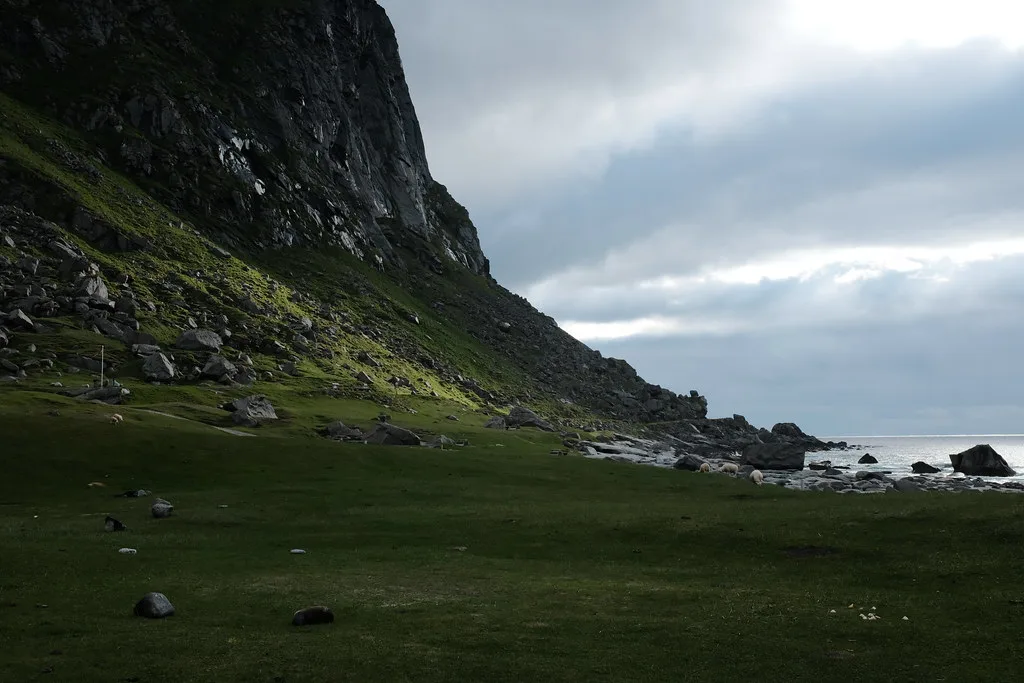
Guided tour or self-drive: cost, time and access trade-offs
A guided tour removes winter driving, handles the forecast decisions and adds a local guide who knows where cloud is clearing. Self-drive gives you freedom to stay at a spot as long as the sky is active. Prices change each season, so compare current NOK quotes from local operators. Choose a tour if you are nervous about icy roads at night. Choose self-drive if you want flexibility and are comfortable in winter conditions.
Book a guide on night 1 or 2 if you are nervous about icy roads, and hold self-drive for later nights once the forecast clears.
| Option | Relative cost | Best for | Main limit |
|---|---|---|---|
| Guided aurora tour | Mid to premium | No-car travellers, first-timers | Fixed schedule, group size |
| Self-drive with rental car | Mid, plus fuel | Flexible photographers | Winter driving in the dark |
| Public bus and walking | Budget | Staying near one village | Few late-night services |
Where to stay and how to get around
Look for lodging with dark surroundings, a window facing north or the sea, and flexible check-in for late returns. Rental cars should have winter tyres, which you can confirm with the rental company. Statens vegvesen publishes winter road conditions. Without a car, buses rarely suit late-night aurora trips, so stay near your viewing spot or book a tour. Our guide on getting to Lofoten covers the main routes. Check current options on the Flights to Lofoten: Airports, Routes and Cheapest Ways to Get There page. A Bodø to Lofoten ferry is the sea alternative. If Lofoten books out, Vesterålen to the north is an add-on base.
Lodging booked for at least 3 nights gives room to move to the other side of the islands when cloud closes in.
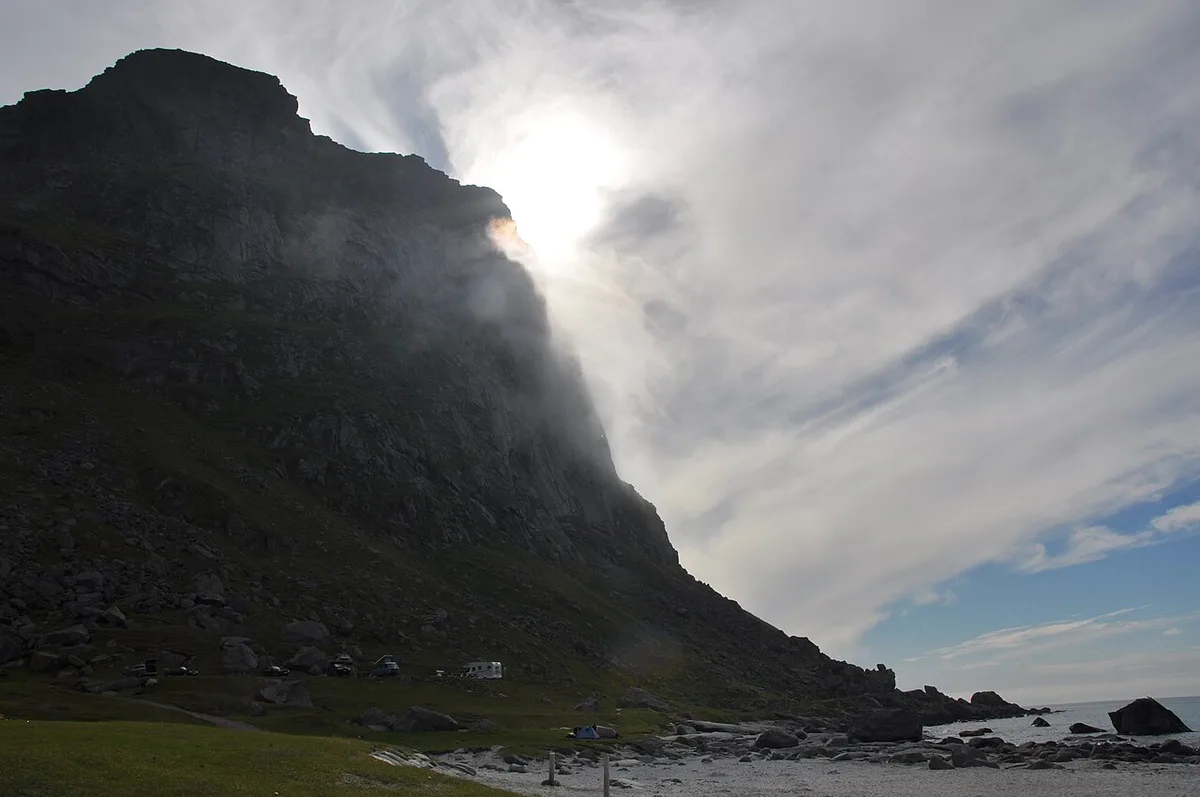
A weather-first plan for 3 to 5 nights
Treat each day as a decision, not an itinerary. Check cloud forecasts at lunchtime and again in the evening. If your coast is clouded in, drive to the other side of the islands. Spend cloudy days on hikes, fishing-village visits or museum stops, and keep an early dinner so you can go out at dusk. Book a tour on night 1 or 2 if you want a guide's help. Hold your self-drive nights for later, when the forecast clears.
How to read aurora and weather forecasts
Use two kinds of forecast. Cloud forecasts from Met Norway's yr.no show whether the sky is open. Space-weather forecasts from NOAA's Space Weather Prediction Center show solar activity. Strong activity does nothing if clouds block it, and a clear night with weak activity can still show a faint arc. Check satellite imagery and live webcams before you leave your lodging. Do not expect an exact answer to "what is the aurora forecast for Svolvær tonight". Combine both tools and trust the sky outside.
Photography and what to wear
Bring a sturdy tripod, a wide lens and a camera you can set to manual. Start with a wide aperture and a long exposure, then adjust to what the sky is doing. Keep spare batteries inside your jacket, because cold drains them fast. Wear wool layers, a windproof shell, insulated boots, a hat and gloves with liners. You will stand still for long periods, so dress warmer than for a day hike.
Safety and etiquette for late-night viewing
Wind, ice and darkness are the main risks. Stay back from sea edges and cliffs, and avoid wet rocks at night. Use a headlamp with a red setting so you do not spoil other people's night vision. Park only in proper pull-offs and never block passing places or farm tracks. Respect rorbu and private property, and keep noise down near lodging. Tell someone where you are going, and carry a charged phone.
Step-by-step planning checklist
Use this order to avoid last-minute problems.
- Pick dark-season dates and book flexible lodging for at least 3 nights.
- Decide between a tour, a rental car or both.
- Book a car with winter tyres if you self-drive.
- Pack layers, a headlamp, a tripod and spare batteries.
- Check yr.no cloud and a space-weather forecast each day.
- Read Statens vegvesen road conditions before every drive.
- Keep a cloudy-day plan ready.
Who should choose Tromsø, Svalbard or Senja instead
Choose Lofoten for scenery and a quiet landscape. Choose Tromsø if you want many guided operators, and see Visit Tromsø for options. Senja island is a quieter alternative with mountain-and-sea views. For a very different trip, see the Svalbard archipelago. Our Svalbard access guide explains the route. These are trade-offs, not a ranking of which place has better aurora. For wider island planning, browse our Norwegian island overview.
Frequently Asked Questions
Where is the best place to go in Norway to see the northern lights?
No single place wins every night, because cloud decides the result. Lofoten suits scenery and quiet, Tromsø suits guided hunts with many operators, and Svalbard is a different Arctic trip.
Is it expensive to go to the Lofoten Islands?
Lofoten sits at the mid to premium end for lodging, rental cars and guided tours. Self-drive with a flexible base keeps costs lower. Check current NOK prices with operators before booking.
What is the aurora forecast for Svolvær tonight?
Combine a yr.no cloud forecast with a NOAA space-weather forecast, then check live webcams. Svolvær has town lighting, so drive a few minutes beyond it for darker sky.
Useful notes for your next island trip
Optional updates to our guides.
You might also like

Continue reading
More guides you'll find useful