11 Dodecanese Islands: Which to Visit and How to Hop
Dodecanese islands guide: which of 11 islands to pick, the best months to go, and how to hop by ferry from Rhodes and Kos to Patmos, Symi and beyond.
On this page
Last updated November 2026: the Dodecanese islands are a group in the southeastern Aegean, close to the Turkish coast, usually described as 12 main islands plus many smaller ones. Pick Kalymnos for climbing, Patmos for pilgrimage, Nisyros for a volcano, and Tilos, Lipsi or Halki for quiet. Rhodes and Kos are the gateway islands with airports, and the rest are reached mostly by ferry.
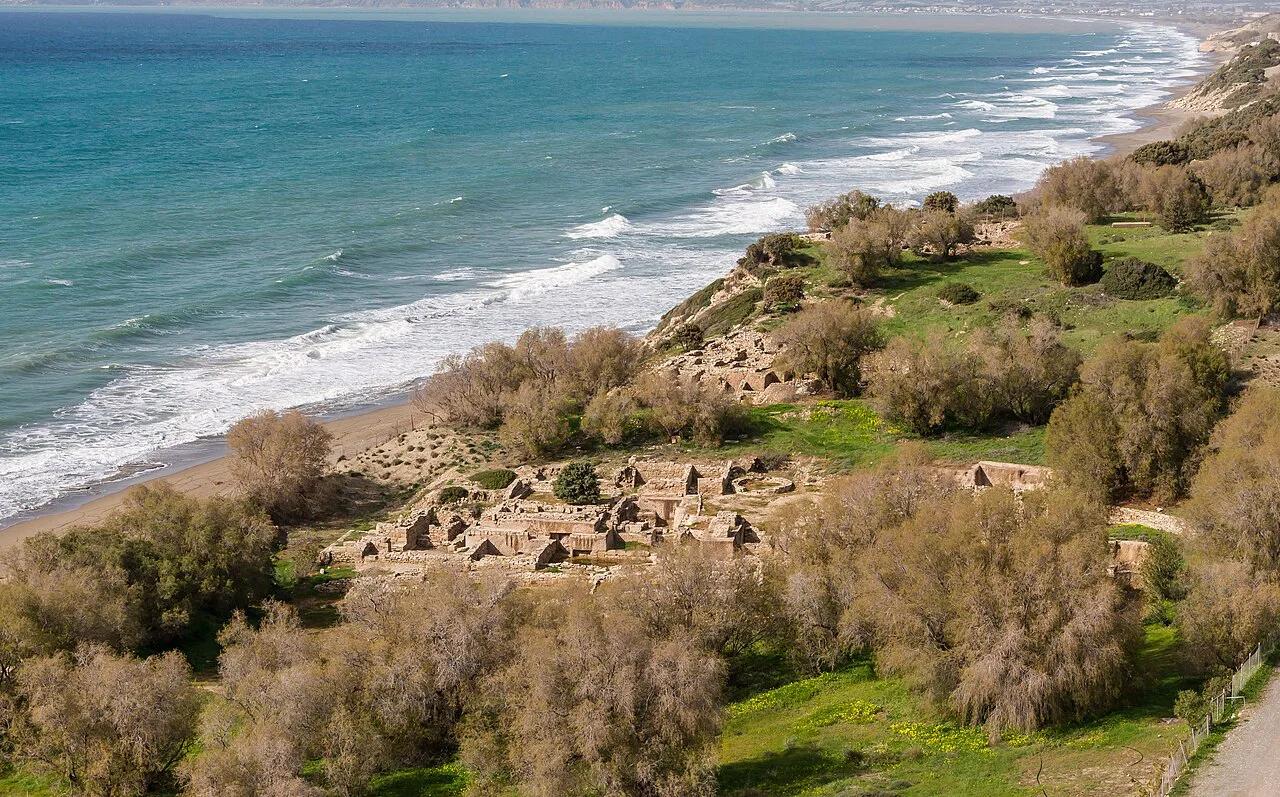
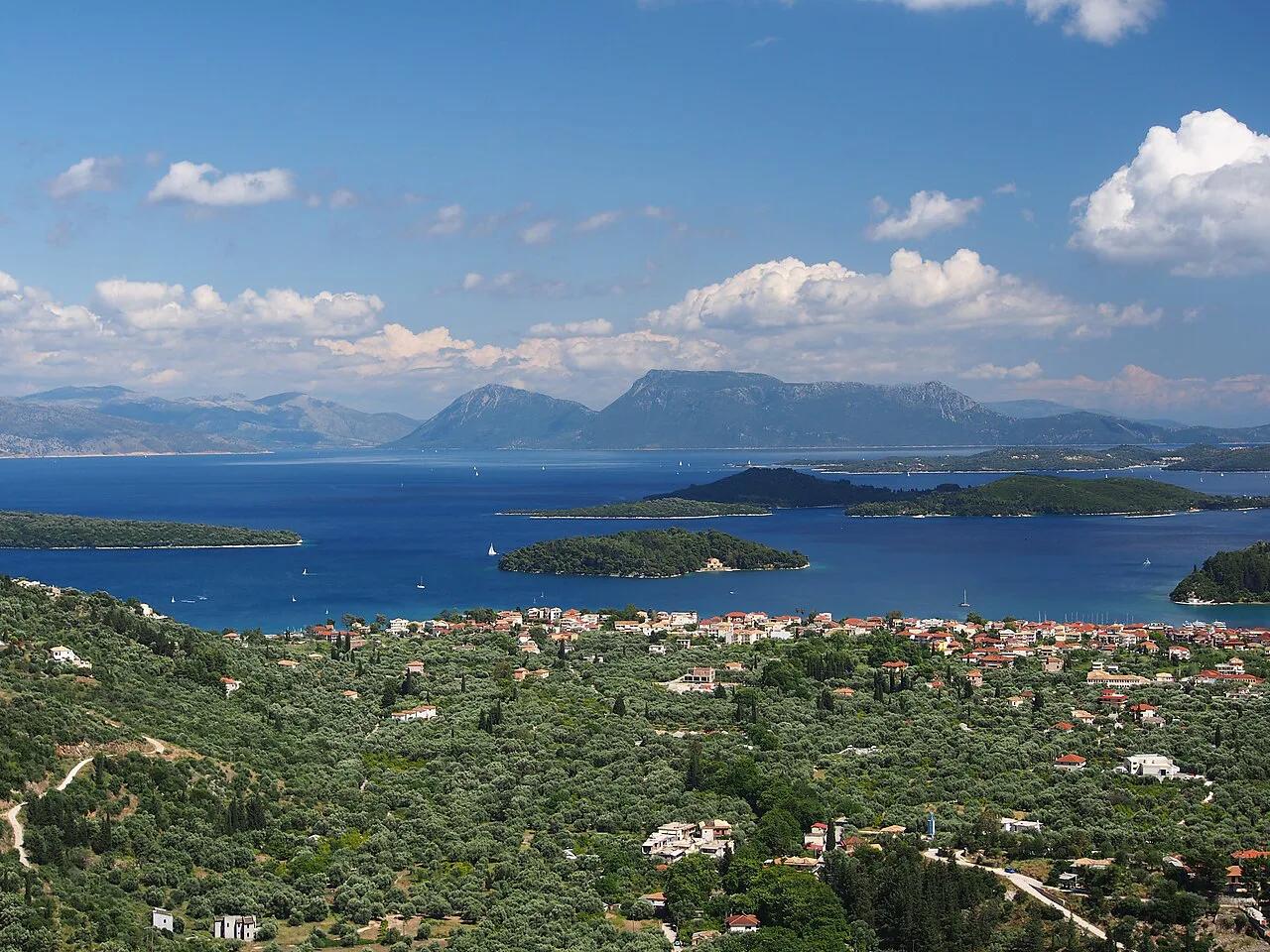
Featured image: Bernard Gagnon, CC BY-SA 4.0, via Wikimedia Commons.
Dodecanese Islands at a Glance
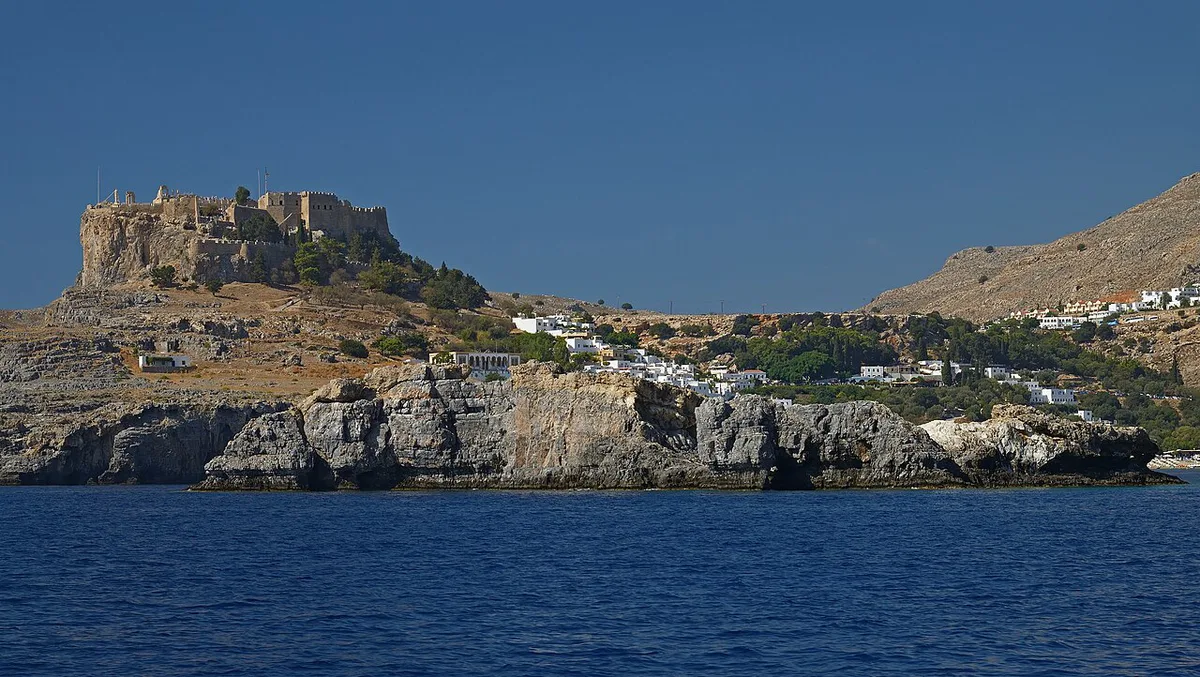
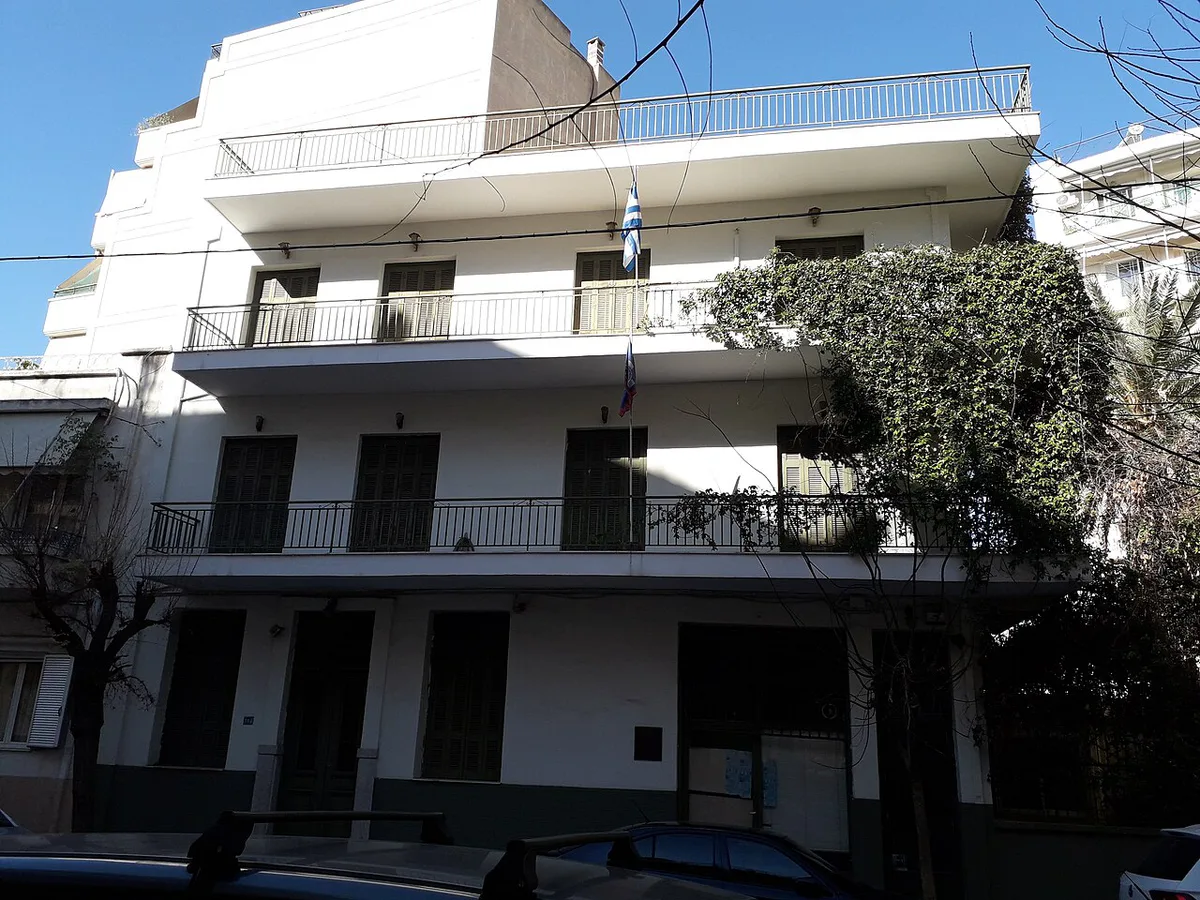
The name means "twelve", yet the archipelago holds 12 main islands plus many smaller ones, and counts differ by source. Rhodes and Kos are the gateways, with airports, the most visitors and the easiest connections. Rhodes is the largest island and the usual starting point. For an official overview of the group, read the Greek tourism board's Dodecanese page. The table below compares the two gateways and the 11 islands profiled in this guide.
| Island | Best for | Vibe and crowds | Base town | Main access | Minimum stay |
|---|---|---|---|---|---|
| Rhodes | Medieval Old Town, first or last stop | Busiest, most resort-style | Rhodes Town | Airport and ferry | 2-3 nights |
| Kos | Ancient sites, easy beach time | Busy, resort-style | Kos Town | Airport and ferry | 2-3 nights |
| Patmos | Pilgrims, culture | Calm, spiritual | Skala port, Chora above | Ferry | 2-3 nights |
| Kalymnos | Climbers | Active, local | Pothia | Ferry or limited flights | 2-3 nights |
| Symi | Harbour views, day trips | Busy by day, quiet at night | Symi harbour | Ferry or boat trip | 2-3 nights |
| Karpathos | Hikers, traditional villages | Spread out, uncrowded | Pigadia | Ferry or limited flights | 2-3 nights |
| Astypalaia | Remote, white Chora | Quiet, far-flung | Chora and Pera Gialos | Ferry or limited flights | 2-3 nights |
| Leros | Quiet bays, castle | Low-key, local | Agia Marina | Ferry or limited flights | 2-3 nights |
| Nisyros | Volcano crater | Small, uncrowded | Mandraki | Ferry | 2 nights |
| Kastellorizo | Remote harbour, sea caves | Tiny, off-grid | Main harbour | Ferry or limited flights | 2-3 nights |
| Tilos | Hiking, quiet | Very quiet | Livadia port | Ferry | 2-3 nights |
| Lipsi | Quiet, slow pace | Very small, quiet | Harbour village | Ferry | 2 nights |
| Halki | Off-grid calm | Very small, quiet | Harbour village | Ferry or boat | 2 nights |
How to Choose Your Dodecanese Islands
Island choice matters more here than anywhere else in Greece, because each ferry hop costs half a day. Match the island to what you want to do, then add neighbours only if time allows.
Each ferry hop costs half a day, so plan 2-3 nights per island and count the boat time before booking a neighbour.
- Climbers: head to Kalymnos for limestone climbing.
- Pilgrims and culture: choose Patmos and its monastery.
- Hikers: Karpathos, Tilos and Nisyros all have walking routes.
- Volcano seekers: Nisyros and its crater is the answer.
- Quiet and off-grid: try Tilos for slow walking, Lipsi for a small-island pace, Halki or Leros.
- Harbour photos and day trips: Symi.
- Remote and rugged: Kastellorizo and Astypalaia.
11 Dodecanese Islands Worth Visiting, Island by Island
Each profile gives the best-for case and a skip-if warning. Island details here come from public island guides, so check ferry timetables on the ferry information site before locking in dates.
1. Patmos
Patmos is the Dodecanese choice for pilgrims and culture, tied to St. John and the Book of Revelation. Its Monastery of Saint John and the Cave of the Apocalypse are the two main sights, and the monastery overlooks Chora, the hilltop main town. Skala is the port where you arrive, with cafes and shops along the waterfront.
Cover shoulders and knees at both religious sites. Allow 2-3 nights, and read our guide to staying on Patmos for base-town detail. Skip it if you want nightlife or a beach-first week.
2. Kalymnos
Kalymnos is known as the sponge divers' island, and it now draws climbers to its limestone cliffs every year. Pothia is the capital and the practical base for ferries, food and gear. Vathy is the other village most visitors add to a plan.
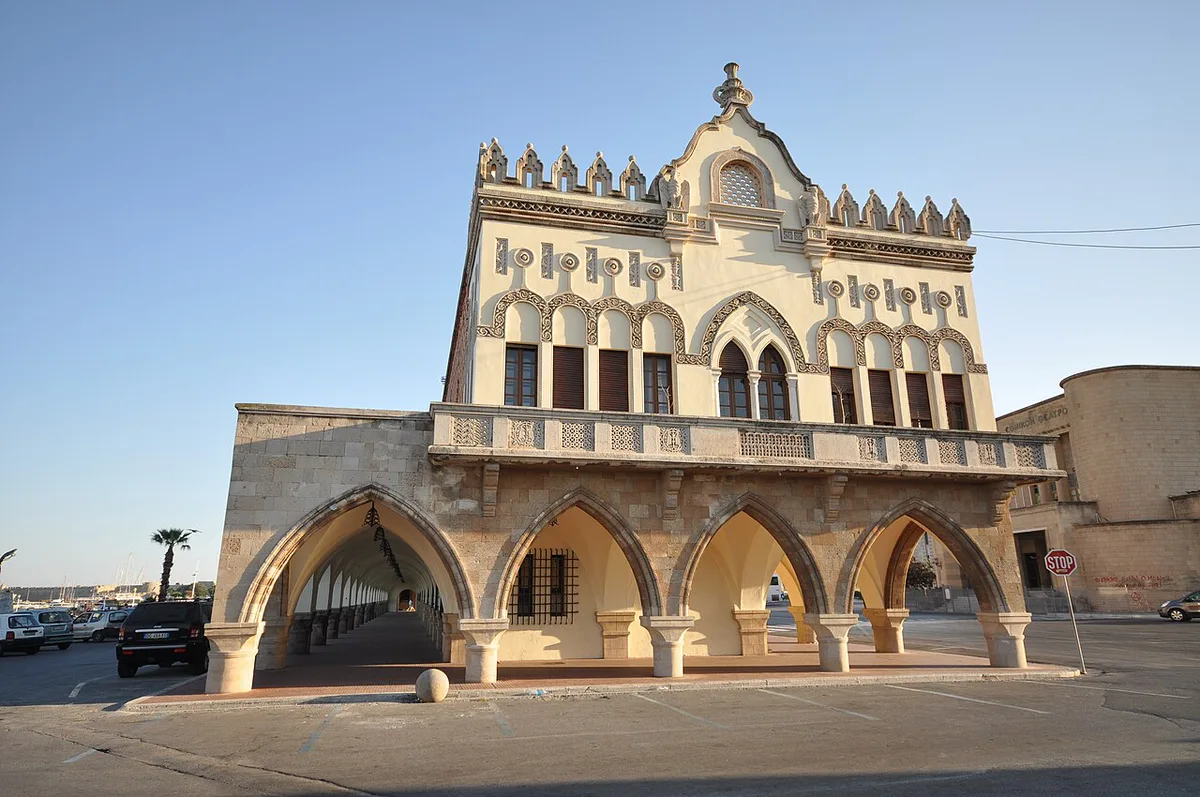
Our guide to climbing and staying on Kalymnos covers the island in more depth. Plan 2-3 nights so climbing days are not lost to ferry time. Skip it if cliffs and rope work hold no appeal for you.
3. Symi
Symi is the island for harbour views, with neoclassical houses stacked around a single waterfront. Many visitors come for a day, so evenings feel calmer once the boats leave. Narrow lanes and walking paths reward an overnight stay.
Our Symi harbour and walking guide lays out where to base yourself. It pairs naturally with Rhodes as a first or last stop. Skip it if you want a long beach stay or nightlife.
4. Karpathos
Karpathos suits hikers, with mountain terrain and traditional villages such as Olympos and Diafani. Pigadia is the capital and the main base for rooms and services. Olympos is known for preserved village traditions, so build in a full day for it.
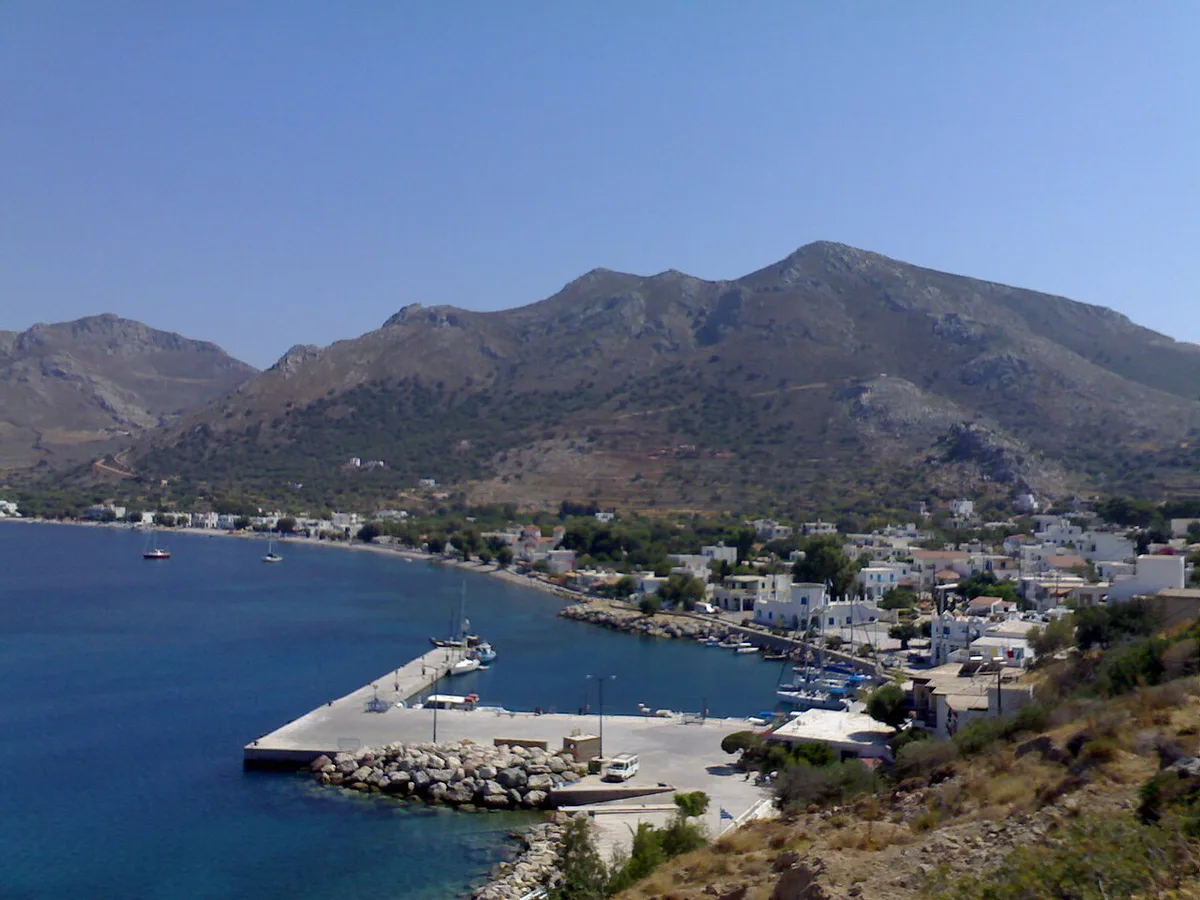
Our Karpathos hiking and village guide maps out the island. It is spread out, so give it at least 2-3 nights. Skip it if you only have a single night to spare.
5. Astypalaia
Astypalaia is remote and rugged, with a white Chora crowned by a Venetian castle on the hilltop. Pera Gialos is the seaside village with the best-known beach. The island sits at the western edge of the group, and its ferry links can feel closer to the Cyclades.
Read about Astypalaia's Chora and coastline before choosing a route. Plan 2-3 nights, because the journey eats time. Skip it if you want easy onward hops to other Dodecanese islands.
6. Leros
Leros is low-key and local, with Agia Marina as its main town and the medieval Castle of Panteli above it. Its coastline is cut by quiet bays and small beaches. Accommodation and tavernas are spread across the island's villages.
Our Leros bays and castle guide suggests where to base. It works well on a northern hop between Kalymnos and Patmos. Skip it if you need resort-style evenings.
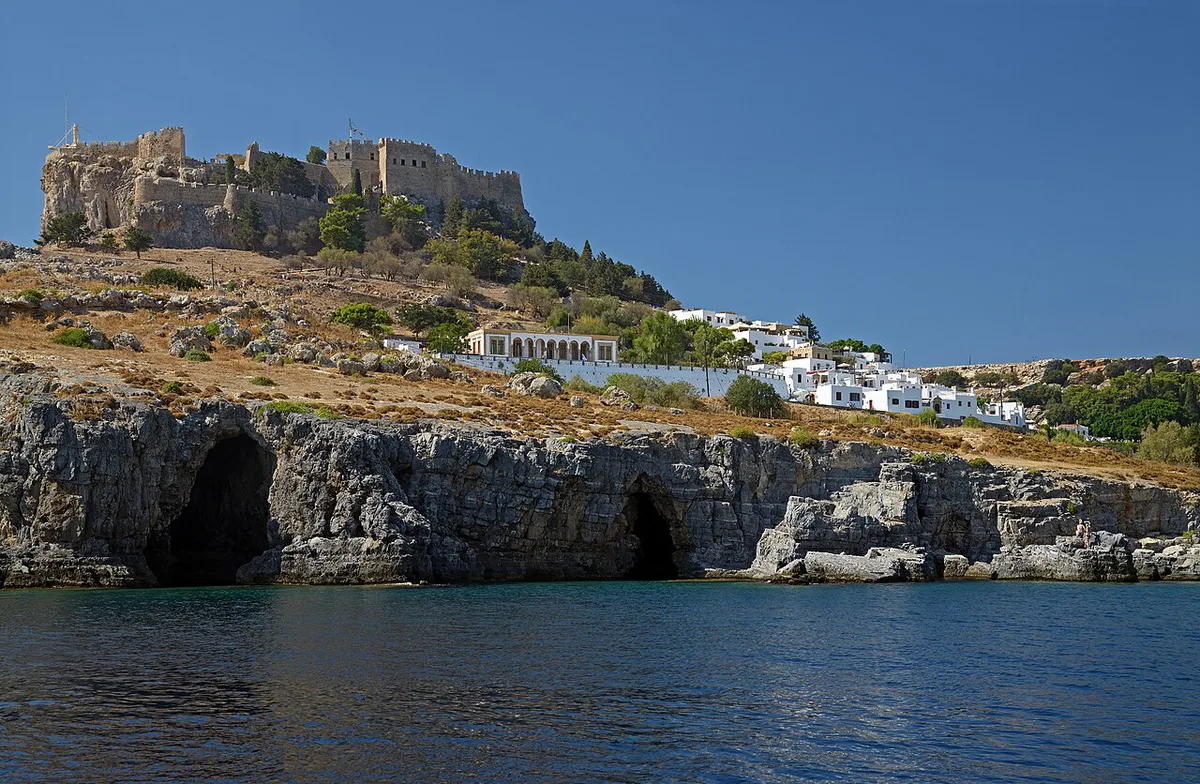
7. Nisyros
Nisyros is the volcano island, and the Stefanos crater is the reason to come. Mandraki is the capital, a village of white houses and narrow lanes. Visit the crater early, since midday heat makes the walk harder.
Our Nisyros volcano and village guide covers the crater route. Two nights is enough for the crater, Mandraki and a swim. Skip it if you want long beach days.
8. Kastellorizo
Kastellorizo is among the least convenient islands to reach, which is exactly its appeal. A single harbour holds pastel-coloured buildings and fish tavernas. Boat trips to sea caves, including the Blue Grotto, are the usual outing.
Our Kastellorizo harbour and sea caves guide explains the logistics. Allow extra buffer days for sailings that may not run daily. Skip it if your schedule is tight.
9. Tilos
Tilos is a small, very quiet island with two main villages: Megalo Chorio, on a mountain slope, and Livadia, the port. Most visitor facilities cluster in Livadia. The abandoned village of Mikro Horio, emptied by the 1950s, makes a good walking goal.
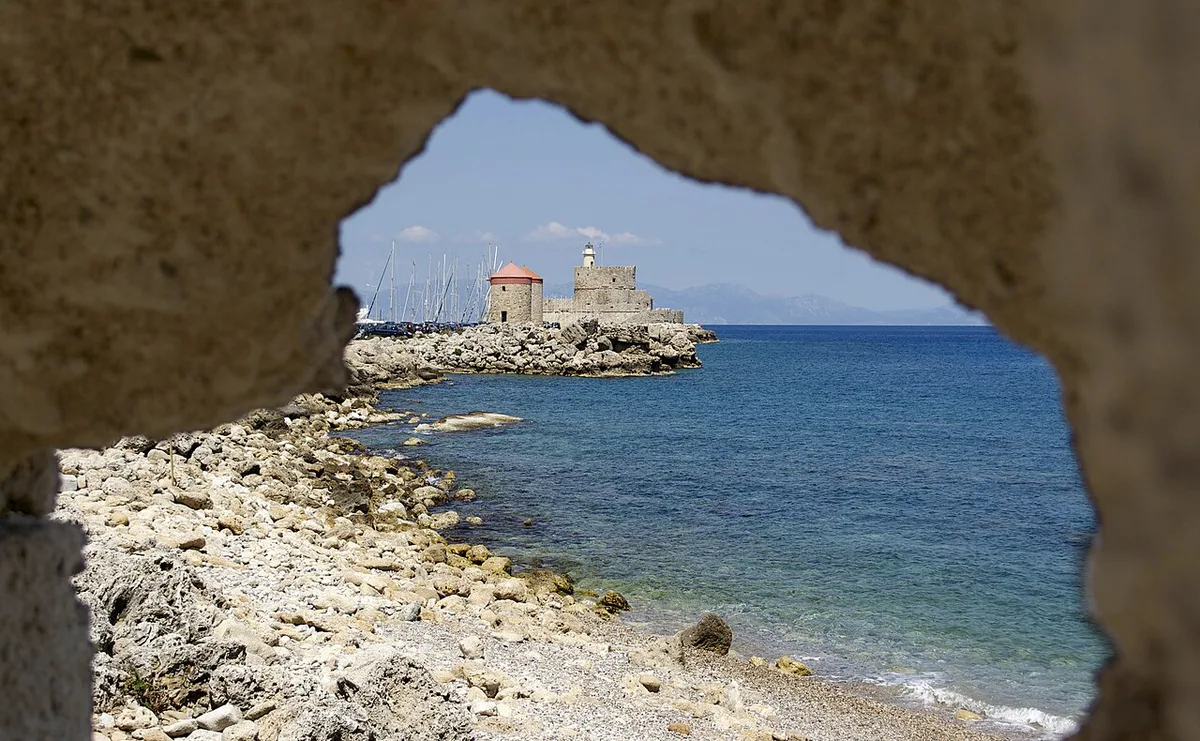
Our Tilos walking and village guide lists routes. Allow 2-3 nights for slow walking and swims. Skip it if you want shops and nightlife.
10. Lipsi
Lipsi is a very small island with a slow pace, and it fits between Leros and Patmos on a northern hop. Expect a compact harbour village and a limited choice of rooms. It rewards visitors who want swims, short walks and little else.
Our Lipsi small-island stay guide covers the practical details. Two nights is enough for most people. Skip it if you need variety, big sights or late nights.
11. Halki
Halki is a small, quiet island that appeals to hikers, snorkellers and anyone who wants off-grid calm. Guesthouses and eco-minded stays are the usual choice here. Ruins and walking paths fill the days without any crowds.
Our Halki quiet-island guide explains how to plan a stay. Check current boat links before building a day around it. Skip it if you want nightlife or a long list of sights.
Best Time to Visit the Dodecanese
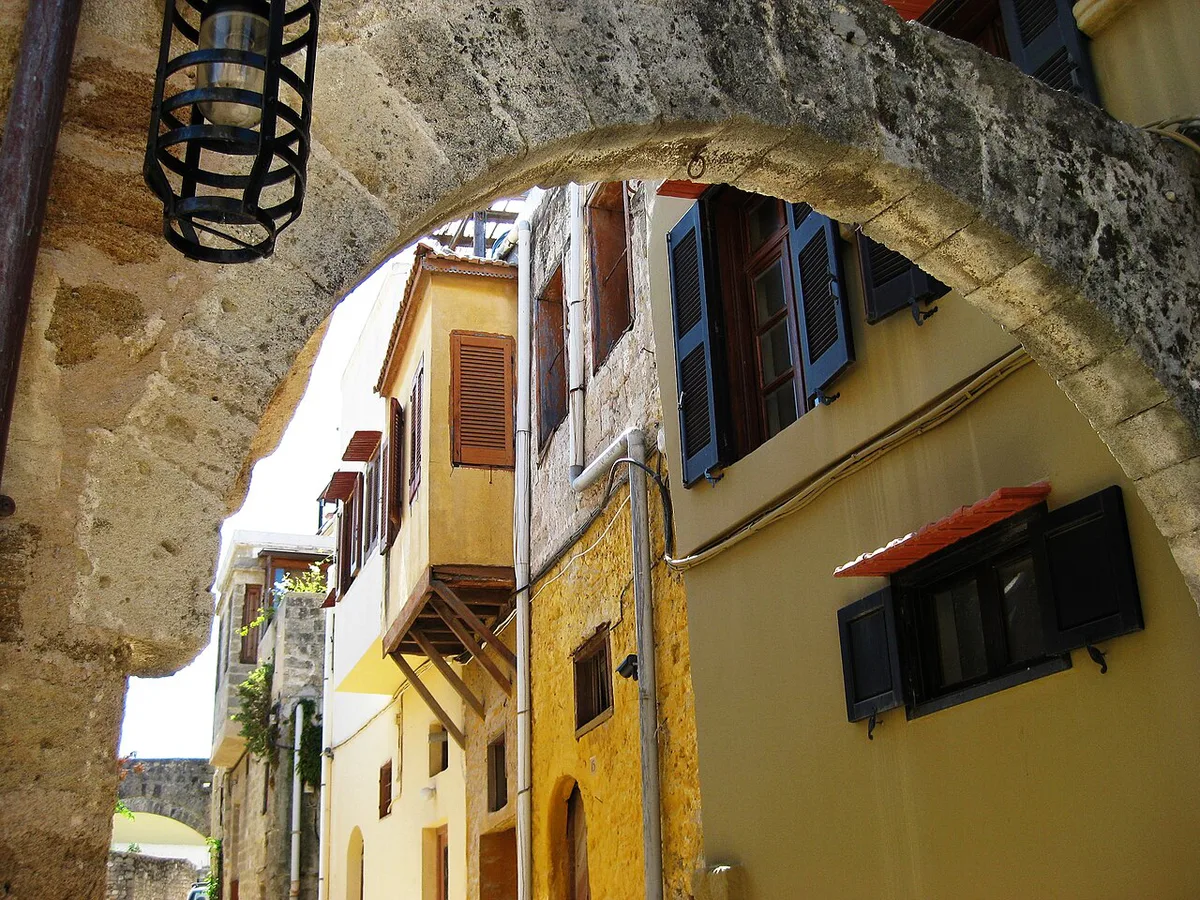
The usual season runs from April to October. July and August are peak months, with more crowds and higher prices. Shoulder months such as April, May and October are quieter, though small islands run fewer ferries and some tavernas shut. Summer meltemi wind can disrupt sailings, so leave a spare day before any flight home. Rhodes works well as a first stop in early April or a final stop in late October.
Getting There and Island Hopping
Rhodes and Kos are the main airports, and Rhodes has the most frequent flight connections. A few smaller islands have airports too, so check current links. Ferries connect the mainland and the islands, with some daily connections and others only a few times a week. Verify every link against operator timetables, and book return sailings early. Use the routes below as starting points rather than fixed schedules.
- Southern loop: Rhodes, Symi, Tilos, Nisyros, Kos.
- Northern loop: Kos, Kalymnos, Leros, Lipsi, Patmos.
- Quiet loop: choose two of Tilos, Lipsi, Halki and Leros, and add a gateway island for flights.
Where to Stay and How to Get Around
Choose one base town per island and walk or use local transport from there. Rhodes has the widest range of hotels, from budget to five-star. Small islands mostly offer guesthouses and apartments, and they fill early in July and August. Buses, taxis and rental cars exist on larger islands. On tiny islands such as Lipsi or Halki, a car adds little.
Costs and Time Trade-Offs
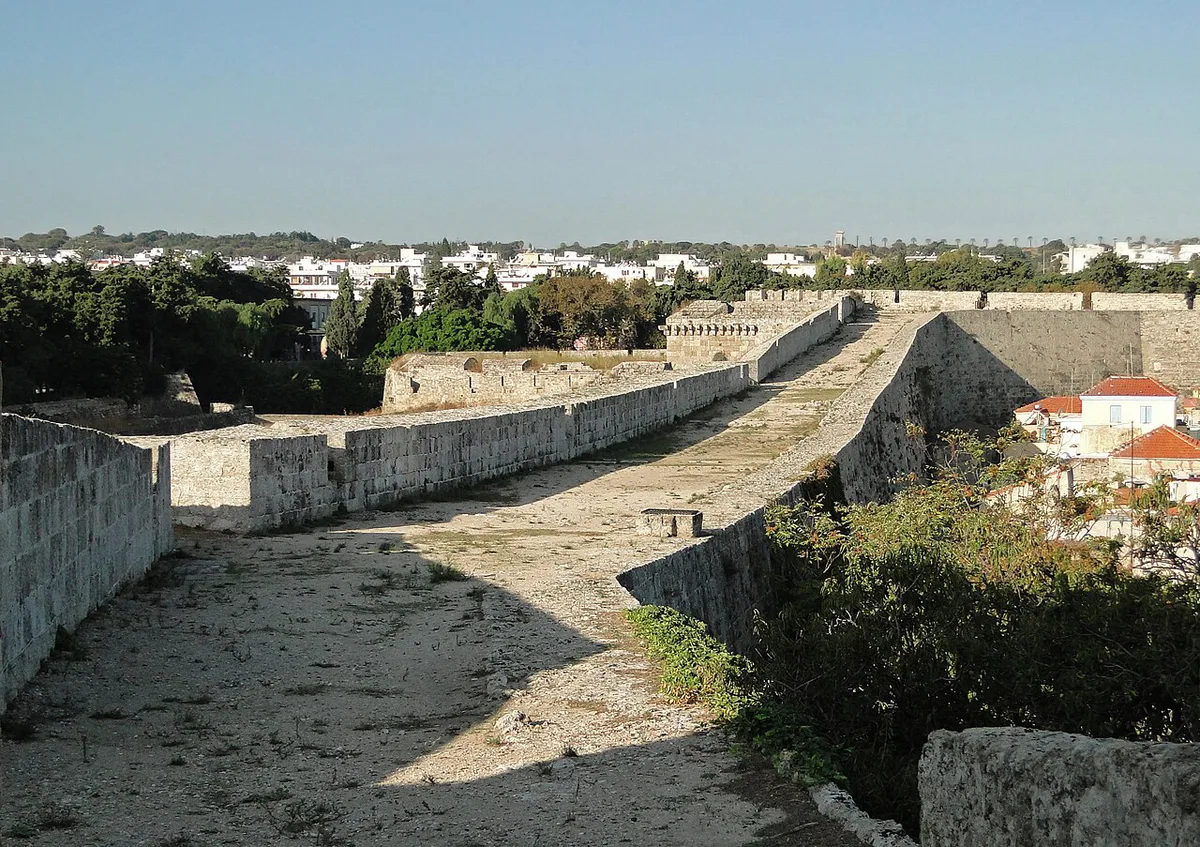
Rhodes and Kos are cheaper to reach but busier. Small islands have fewer rooms, so peak-season stays cost more and sell out sooner. Ferry time eats days, so plan 2-3 nights per island. Fares change by season, so check the current ferry timetable before you commit.
Dodecanese vs Cyclades
Both groups suit island hoppers, but the Dodecanese trade fame for variety.
- Less crowded outside Rhodes and Kos.
- More varied history, from ancient sites to medieval fortifications.
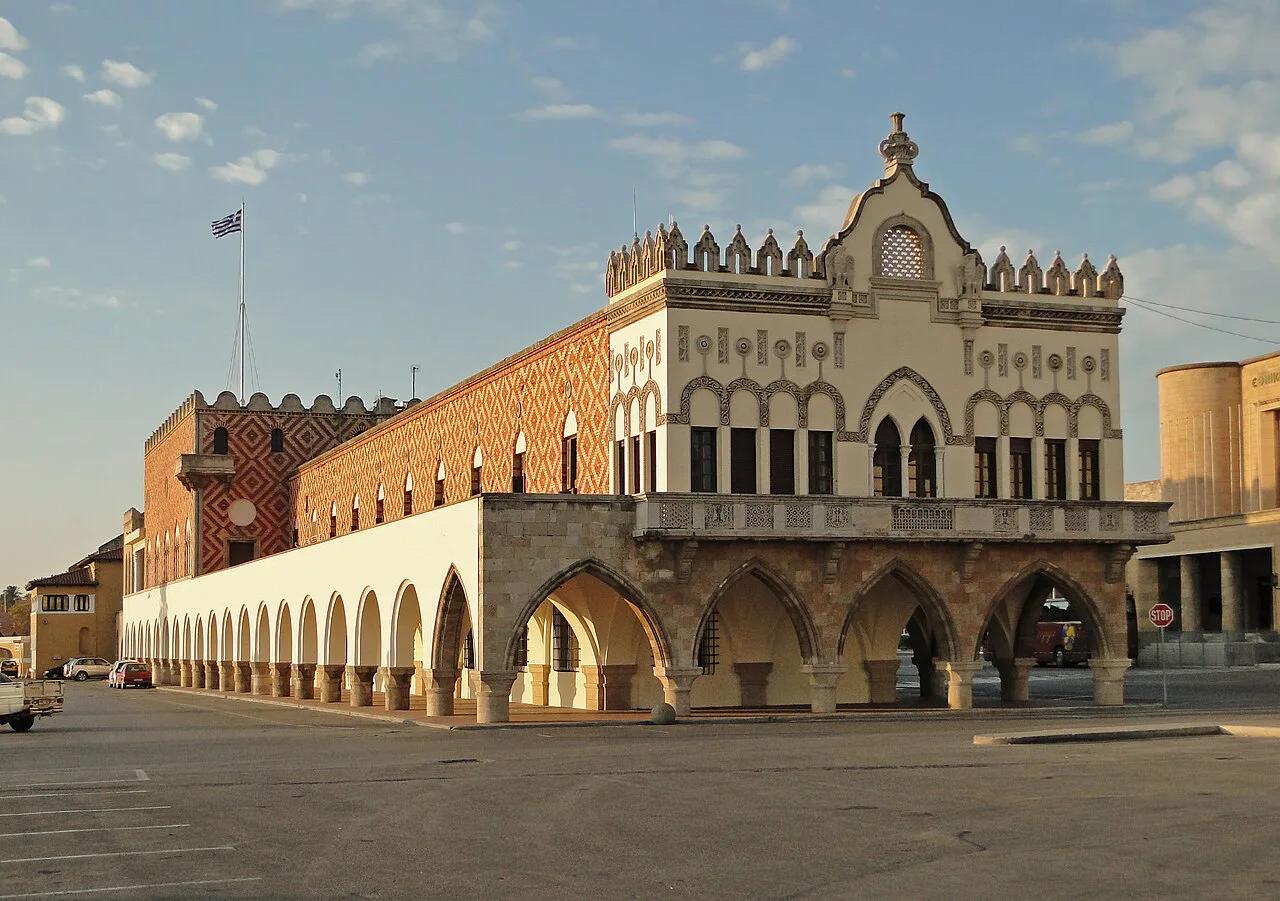
- Italian-era and medieval architecture, especially around Rhodes Old Town.
- Closer to Turkey, with some islands near the border.
Common Mistakes to Avoid
Most Dodecanese trip problems come from overpacking the route.
- Trying to see too many islands in a week.
- Assuming daily ferries on small islands.
- Skipping the return-ferry check.
- Booking a car on islands where you will not need one.
- Visiting monasteries without covering shoulders and knees.
To compare the Dodecanese with island groups elsewhere on the continent, see our overview of islands in Europe by sea and trip type.
Frequently Asked Questions
What islands are part of the Dodecanese?
The group is centred on Rhodes and Kos. Patmos, Kalymnos, Symi, Karpathos and Leros are among the other major islands. Astypalaia, Nisyros, Kastellorizo and Tilos complete the usual list. Lipsi and Halki are the quietest small ones.
What is so special about Rhodes, Greece?
Rhodes is the largest island in the Dodecanese and the main gateway. Its medieval Old Town is a UNESCO World Heritage site. It is busier than the smaller islands.
Explore More Guides
Keep planning your trip with these guides.
Guides
Useful notes for your next island trip
Optional updates to our guides.
You might also like
Continue reading
More guides you'll find useful