Greek Islands Ferry Guide: Ports, Ship Types & Planning
Plan a Greek islands ferry trip: choose between Piraeus, Rafina and Lavrio, compare ship types, and avoid tight connections.
On this page
Last updated November 2026: a Greek islands ferry trip works best when you choose the departure port first, then the ship type, then your buffers. Athens has three ferry ports, Piraeus, Rafina and Lavrio, and each serves different island lines. Pick the port that matches your island, then leave real slack for the transfer, boarding and the return leg.
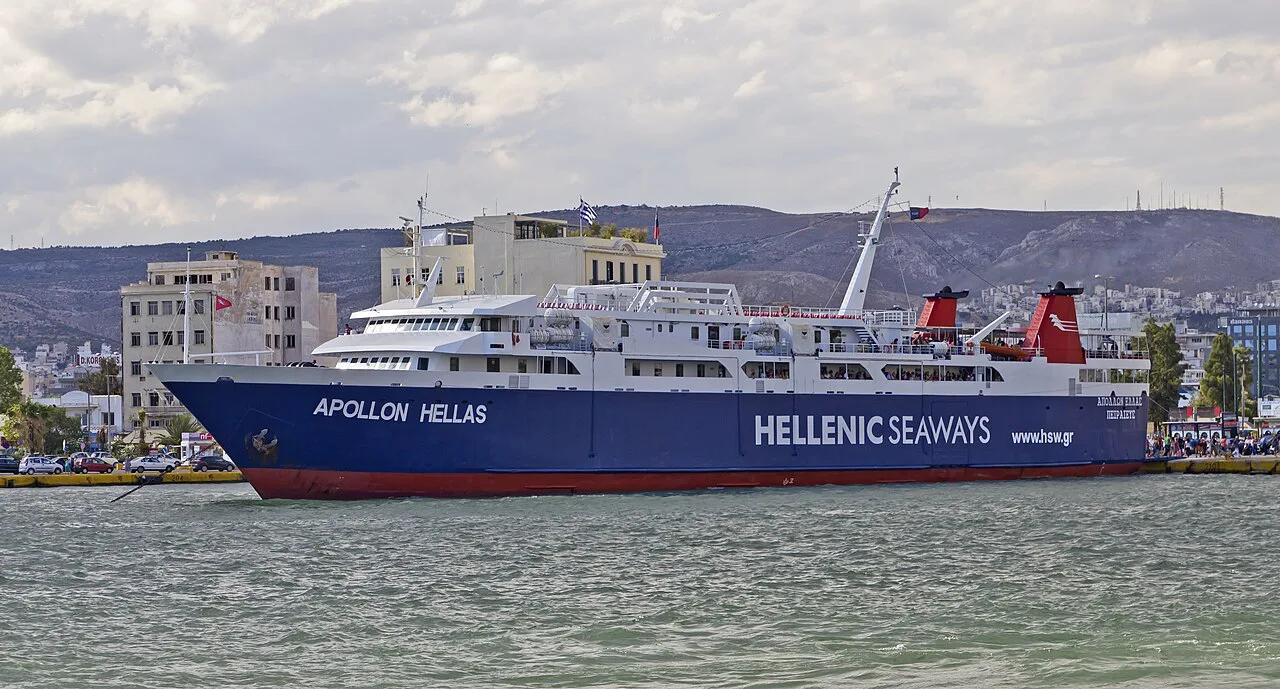
Featured image: A.Savin, CC BY-SA 3.0, via Wikimedia Commons.
How Greek Islands Ferry Services Work
Greece has about 6,000 islands and islets across the Aegean and Ionian seas, and ferries link the ones most visitors reach. Piraeus, Rafina and Lavrio serve the Cyclades. Kavala and Thessaloniki serve the North Aegean, while Igoumenitsa and Patras serve the Ionian side. Operators include Hellenic Seaways and Blue Star Ferries. Routes and timetables change by season and by operator, so confirm a specific sailing on the Hellenic Seaways timetable or your operator's own site. For a visual sense of distances, start with this map of the Greek islands.

How to Choose Your Departure Port: Piraeus, Rafina or Lavrio
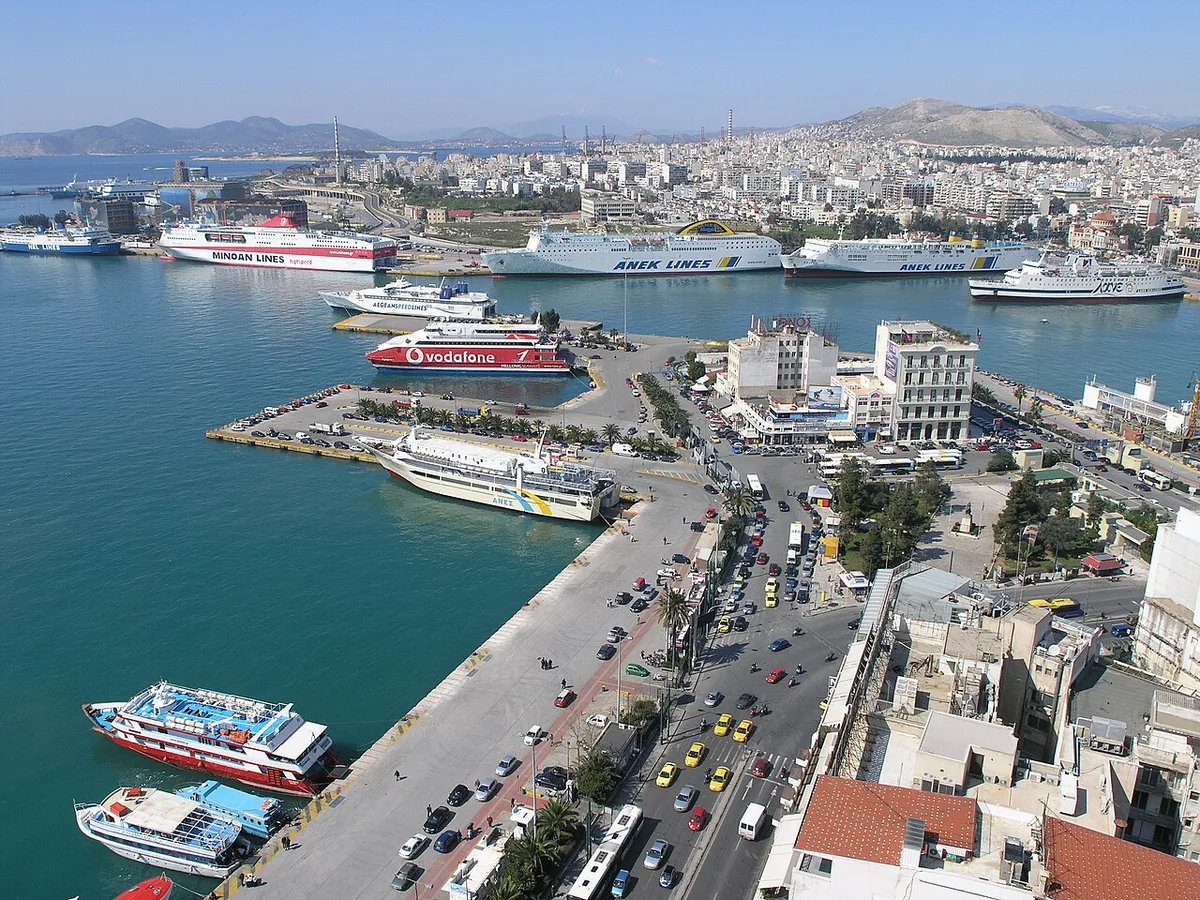
Think of your trip as a port plus an island line, not as Athens plus an island. Piraeus has the widest network, covering the Cyclades, Crete, the Dodecanese and the Saronic Gulf. Rafina serves Andros, Tinos and Mykonos first, and it is the port nearest the airport. Lavrio serves Kea and Kythnos plus selected seasonal Cyclades sailings. Piraeus port information is on the Piraeus Port Authority site.
| Port | Island lines served | From Athens airport | Best when | Avoid when |
|---|---|---|---|---|
| Piraeus | Cyclades, Crete, Dodecanese, Saronic | Metro Line 3, suburban rail or X96 | You need the widest choice of sailings | You pick it only because it is the famous port |
| Rafina | Andros, Tinos, Mykonos, seasonal fast Cyclades services | KTEL bus or taxi | You go from the airport straight to the Cyclades | Your sailing leaves from another port |
| Lavrio | Kea, Kythnos, selected seasonal Cyclades sailings | KTEL bus via Markopoulo, or taxi | A sailing you need leaves from here | You have not checked how often it runs |
Arriving From Athens Airport
If you land in Athens and continue by sea, judge each port by how easily you reach it from the airport, not from the city centre. Piraeus is reachable on Metro Line 3, but allow for waiting time and the walk to the right gate. Rafina suits a straight airport-to-Cyclades day. Lavrio needs a bus change or a taxi, so choose it only when the exact sailing justifies it.
Metro Line 3 reaches Piraeus, the port with the widest network across the Cyclades, Crete and the Dodecanese.
Conventional vs High-Speed Greek Islands Ferry Sailings
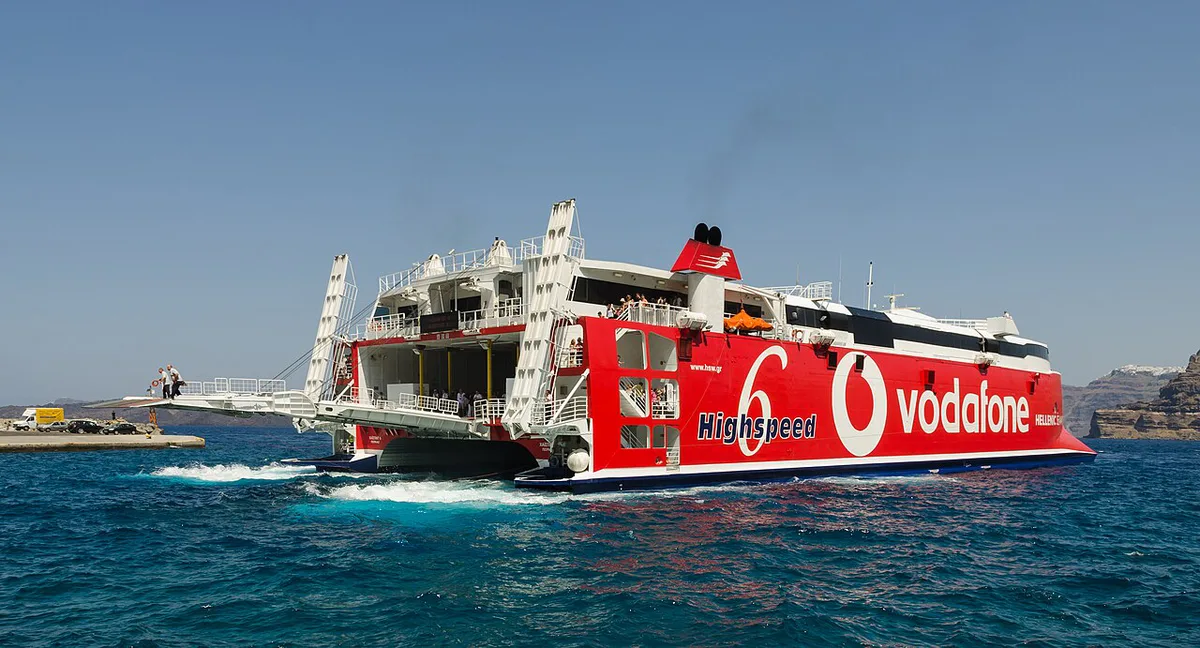
Conventional ferries are steadier and easier to fit into a long travel day. High-speed vessels cut sailing time, but weather affects them more and boarding feels different. Fares vary by operator, ship type and season, so compare them on the operator's site. Mykonos shows the gain clearly, with high-speed sailings taking about 2 hours from Piraeus or Rafina. That saving only counts if the rest of your day is simple.
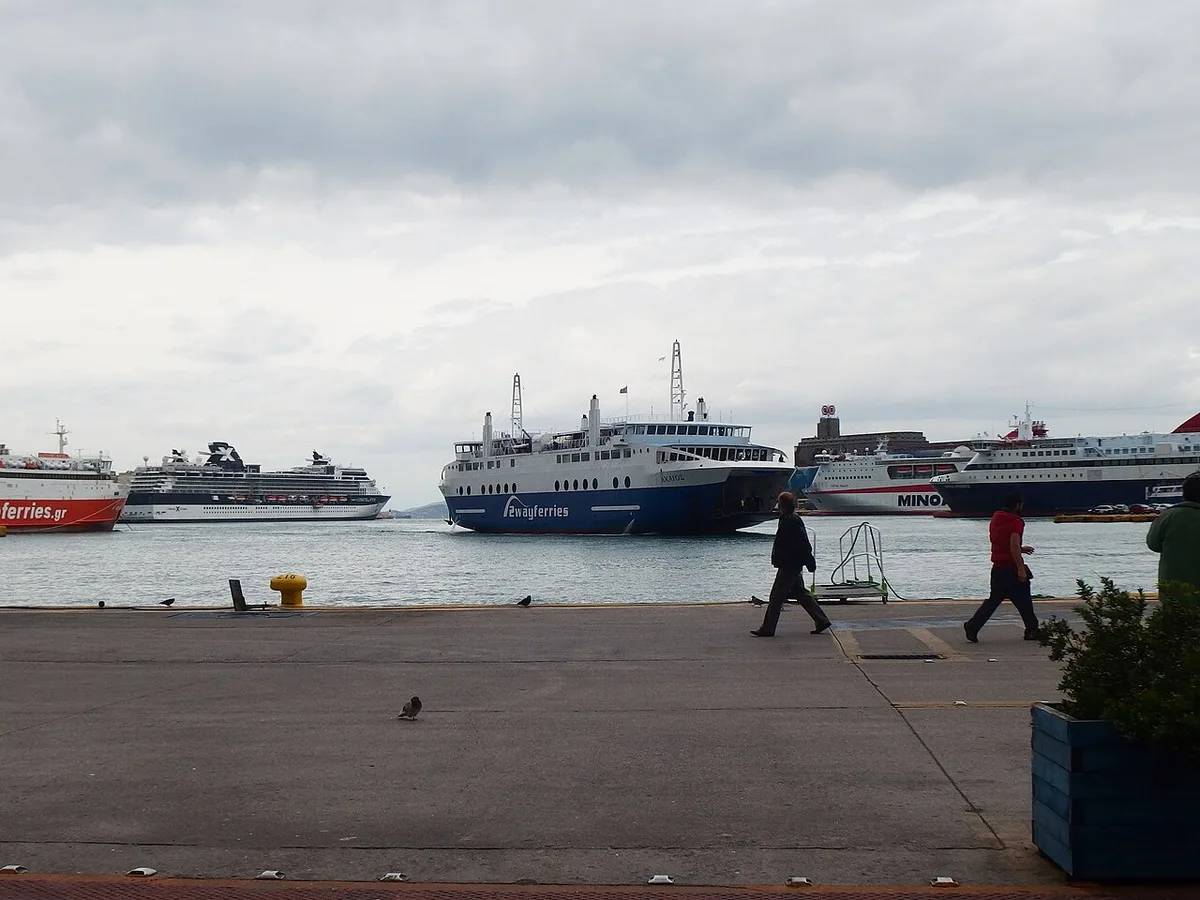
- Hotel or airport to the port: add the transfer time, including traffic and any bus change.
- Check-in and boarding: add time for luggage and, with a vehicle, loading.
- Sailing: use the operator's time for your exact ship.
- Arrival transfer: add the ride from the island port to your hotel.
- Compare the totals, not just the sailing times.
Greek Islands Ferry Routes to the Most Popular Islands
Use this table for a first pass, then confirm the port and ship on your operator's site. For longer chains of stops, see our island-hopping routes. The island groups explained show which lines overlap.
| Island | Usual departure port | Typical sailing time | Season and trade-off |
|---|---|---|---|
| Santorini | Piraeus, arriving at Athinios | About 5 hours on a standard sailing | Runs almost every day of the year; more sailings in summer |
| Mykonos | Piraeus or Rafina | About 2 hours high-speed | Multiple daily crossings; new port at Tourlos |
| Naxos | Piraeus; Rafina in summer | Check operator | Year-round from Piraeus |
| Paros | Piraeus | Check operator | Daily departures; more in summer |
| Milos | Piraeus or Lavrio | Check operator | Daily crossings; some island links are seasonal |
| Ios | Piraeus; Lavrio 1-2 times a week; Rafina in summer | Check operator | No airport, so ferry-only |
| Crete | Piraeus | 8.5 to 14 hours | At least 2-3 daily crossings |
| Hydra | Piraeus, Peloponnese ports | Check operator | Car-free; runs all year |
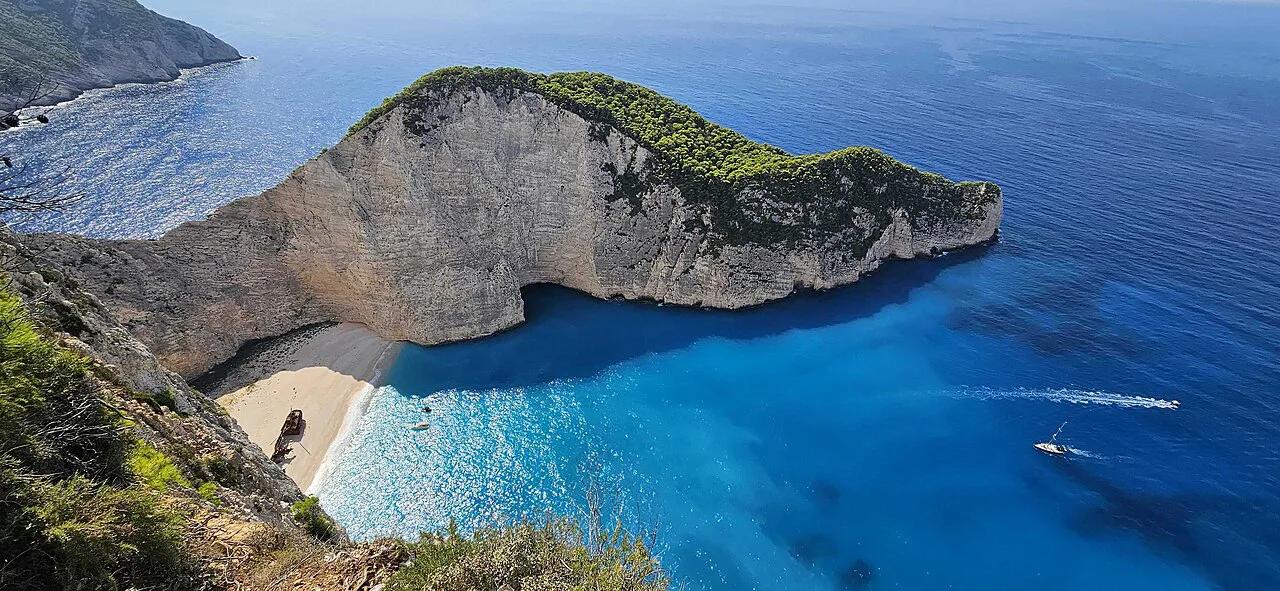
| Zakynthos | Kyllini in the Peloponnese | Check operator | Daily all year |
| Skiathos | Volos or Mantoudi; seasonal from Thessaloniki | Check operator | Daily from the mainland ports |
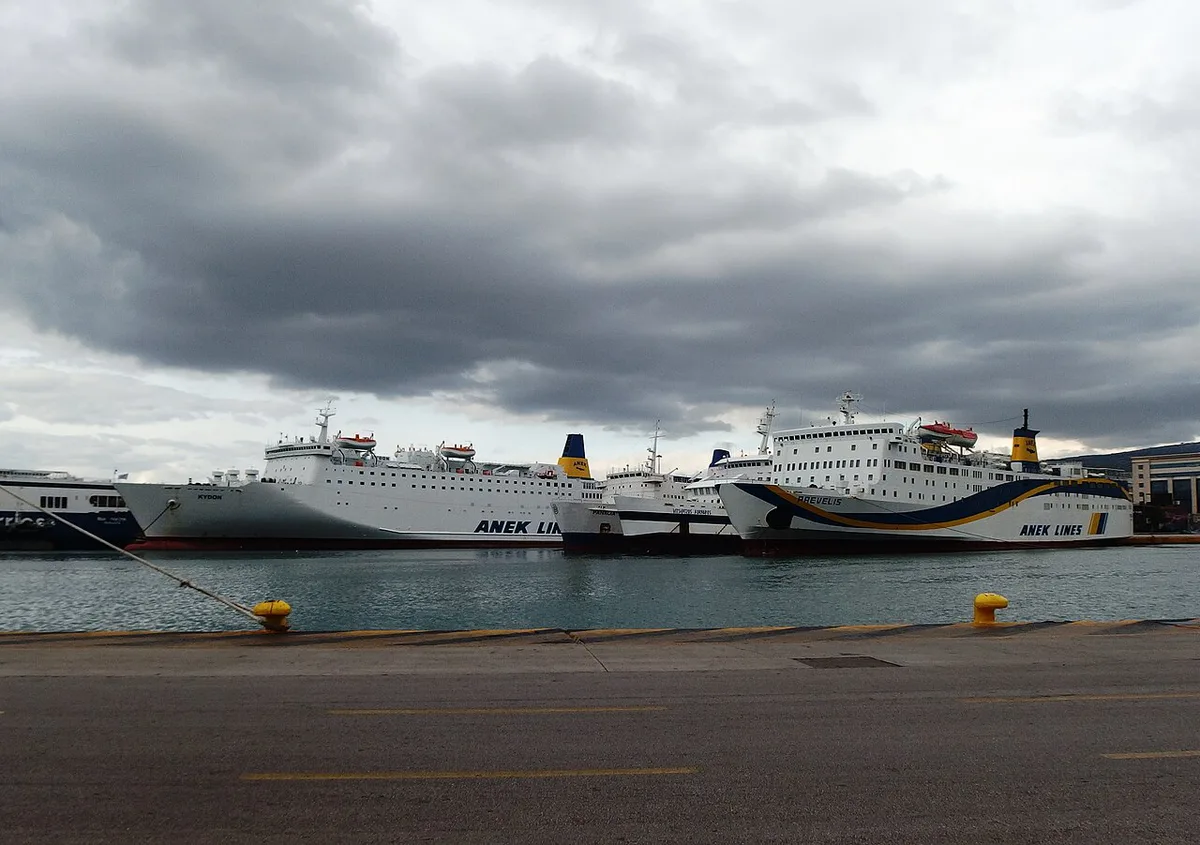
Island Route Logic: Where the Trade-Offs Sit
Only a few islands need a closer look before you book.
Santorini and Mykonos
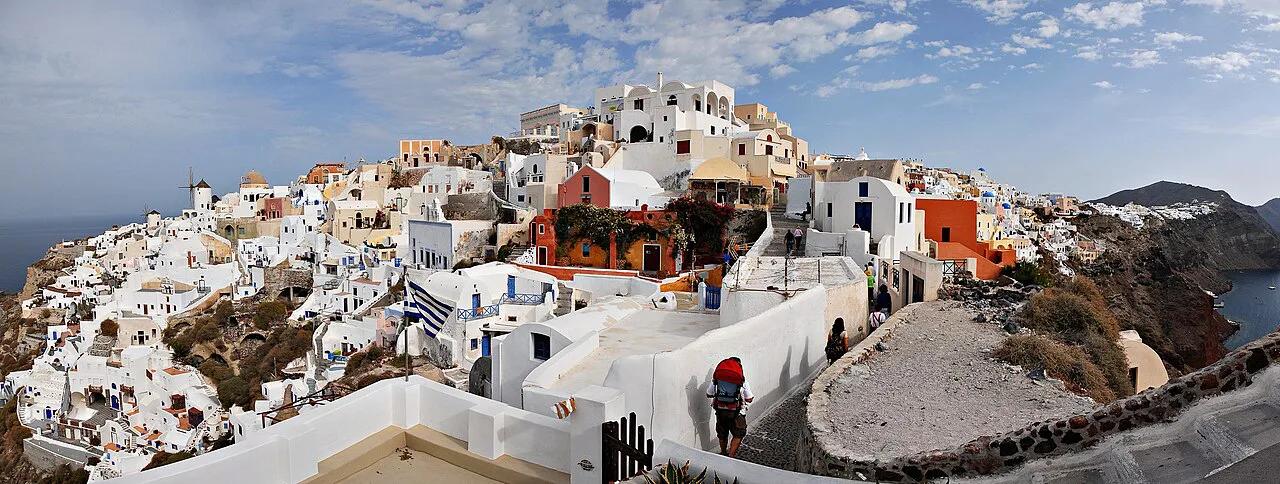
Santorini ferries arrive at Athinios, so budget for the road transfer to Fira or Oia. Mykonos has multiple daily crossings from Piraeus and Rafina. Fast sailings take about 2 hours, which makes it a workable base for day trips across the Cyclades.
Crete, Milos, Ios and Hydra
Crete takes 8.5 to 14 hours from Piraeus, so a flight often wins for a short stay. See islands with airports for those cases. Milos has daily crossings from Piraeus and Lavrio. Ios has no airport, and Lavrio sails there only 1-2 times a week. Hydra is car-free and runs from Piraeus and Peloponnese ports such as Ermioni and Porto Cheli.
Cross-Border and Turkey Routes
Rhodes links to Fethiye in Turkey, and Corfu links to Sarandë in Albania plus Italian ports such as Bari and Brindisi. Passport and visa checks apply on these crossings. Read islands near the Turkish coast before planning one.
Which Islands Suit Which Traveler
First-timers often start with Paros or Naxos, both on daily Piraeus lines. Party-oriented travelers look at Mykonos and Ios. Car-free travelers choose Hydra, and Milos suits anyone who wants a quieter, less-visited stop. For ranked picks, see which islands suit your trip. If you are still undecided, choosing the right island narrows it down. Beach-first trips fit islands with the best beaches, and pairs can compare romantic island options.
When a Ferry Plan Becomes Too Tight
Most plans fail because of everything squeezed around the crossing. A same-day flight-to-ferry connection leaves no room for a late plane. Stacked island hops multiply the risk. Fixed evening plans, such as a dinner booking or a hotel check-in cutoff, turn a delay into a loss. The return is often planned more loosely than the way out. Pick the last sailing that works, then add the port transfer and any onward flight.
Delays, Cancellations and Passenger Rights
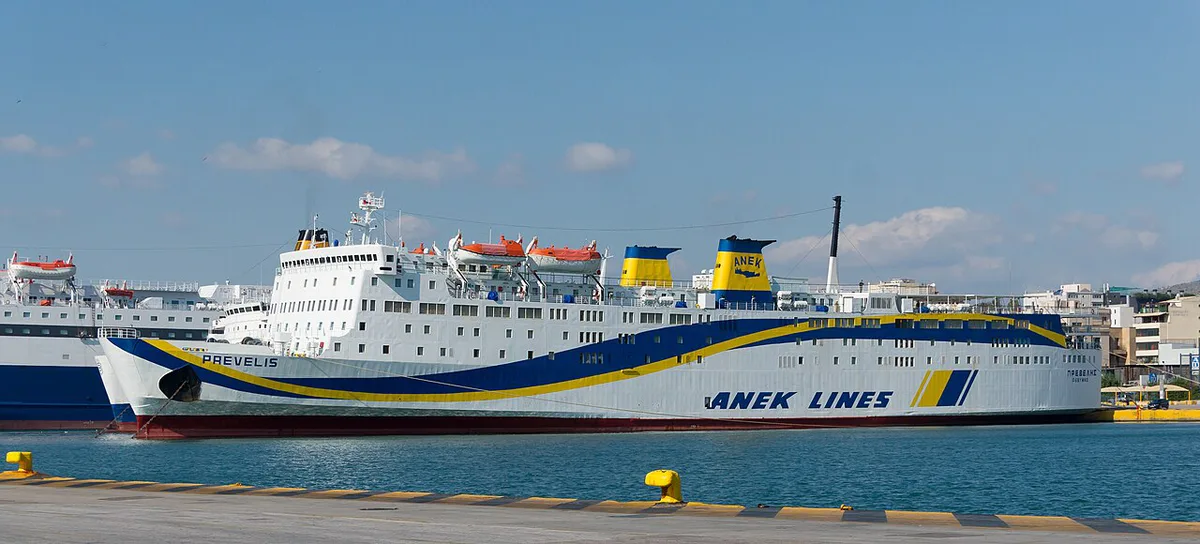
Sea travel in Greece is exposed to weather, operational changes and port notices. Check your operator's updates on the day you sail. Keep your ticket details and any notice you receive. For general sea travel guidance, see the Visit Greece official site. Passenger rights for sea travel are set by EU rules, so ask your operator how they apply to your booking.
Best Time to Travel by Ferry
Summer brings the most sailings, and some seasonal links only run then. Late spring (May and early June) and late September to October give lighter crowds and still-warm seas. June is a good month for Milos. Outside peak summer, frequencies drop and some services stop, so keep island combinations selective. Our guide to the best months for the islands covers weather and crowds.
Mistakes to Avoid on a Greek Islands Ferry Trip
These are the errors that break ferry days most often.
Lavrio reaches Ios only 1-2 times a week, so a shoulder-season plan cannot assume summer frequency.
- Treating "Athens" as one port. Piraeus, Rafina and Lavrio serve different lines.
- Booking a same-day flight-to-ferry connection with no buffer.
- Stacking several island hops on one day.
- Planning the return leg loosely.
- Assuming summer frequency applies in shoulder season.
- Paying for a fast ferry when the transfers on either side are slow.
See our tourism attractions guide for the broader city overview.
Frequently Asked Questions
How do you get to the Greek islands?
Most visitors take a ferry from Piraeus, Rafina or Lavrio near Athens. Islands with airports can also be reached by plane, which often wins for Crete.
How much are ferries around Greece?
Fares depend on the operator, ship type, cabin and season. High-speed sailings generally cost more than conventional ones, so compare both on the operator's site.
What is the nicest island close to Athens?
Hydra is a strong pick. It is car-free and reached from Piraeus, with crossings all year and multiple daily sailings in summer.
Useful notes for your next island trip
Optional updates to our guides.
You might also like
Continue reading
More guides you'll find useful