6 Best Greek Islands for Beaches: Picks by Beach Type
Compare the best Greek islands for beaches by sand type, access, crowds and season, with picks for families, couples and quiet escapes.
On this page
Last updated November 2026: the best Greek islands for beaches are Naxos for families, Milos for volcanic scenery and Koufonisia for quiet swimming. Zakynthos, Paros and Crete's Elafonissi cover boat-access coves, stylish organized sand and pink-tinged shores. Choose by beach type, wind and access rather than by island fame.
Featured image: Andrzej Rękas, CC BY-SA 4.0, via Wikimedia Commons.
Quick answer: which beach island fits you
Match the beach to your priorities before you compare ferry times. Each pick below has its own entry further down.
- Soft sand, shallow water, families: Naxos
- Boat-access coves plus organized beaches: Zakynthos
- Dramatic volcanic coast: Milos
- Small, walkable and quiet: Koufonisia
- Stylish, mid-range and organized: Paros
- Pink-tinged sand and big scenery: Elafonissi on Crete
How to choose the best Greek islands for beaches
Start with the sand. Soft sand suits toddlers, while pebble and rock suit swimmers who want clear water and do not mind a harder entry. Volcanic shores look dramatic but rarely give a gentle slope into the sea. For a wider shortlist beyond beaches, read our best Greek islands overview. If you are still undecided between islands, our island-choice guide narrows it down. Couples have a separate shortlist in our couples guide.
- Sand versus pebble versus volcanic rock
- Organized beach with sunbeds versus wild cove
- Wind exposure on the day you visit
- Airport access versus ferry-only
- Car needed versus walkable
- Length of the swimming season
6 Best Greek Islands for Beaches, Compared by Beach Type
Facilities and schedules checked November 2026. Each entry names one thing to do and who should look elsewhere.
1. Naxos: sandy, shallow and easy for families
Naxos is the safest all-round answer for soft sand, shallow water and families. Its long sandy coastlines come with plenty of places to stay, from beach resorts to small boutique hotels. Choose a base within walking distance of the sand and you can leave the car parked on most days.
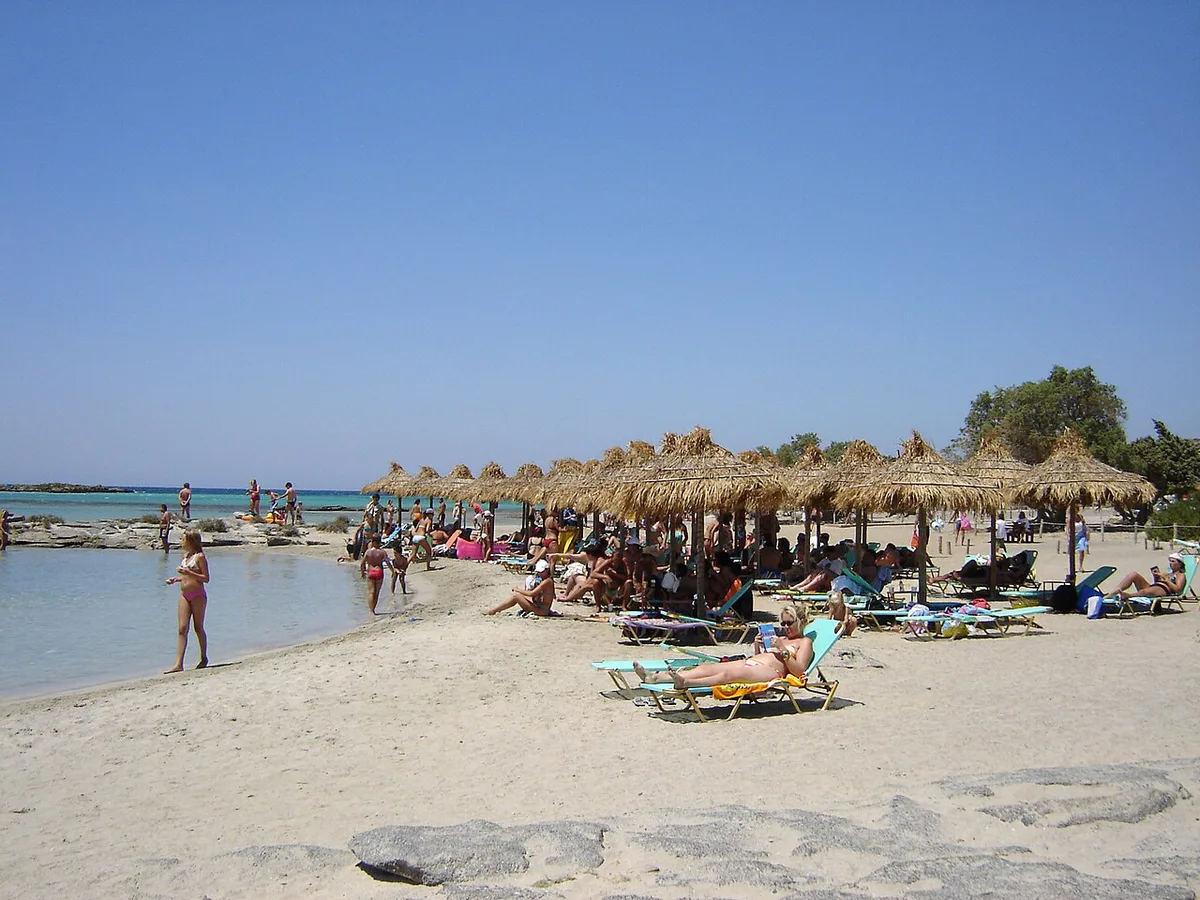
Beach-hopping across the island is easier with a rental car, since Naxos is one of the larger Cyclades. Pair it with Koufonisia for a quieter second stop, using our island-hopping routes. Skip it if you want a tiny walkable island, because distances between beaches add up.
2. Zakynthos: organized beaches plus boat-access coves
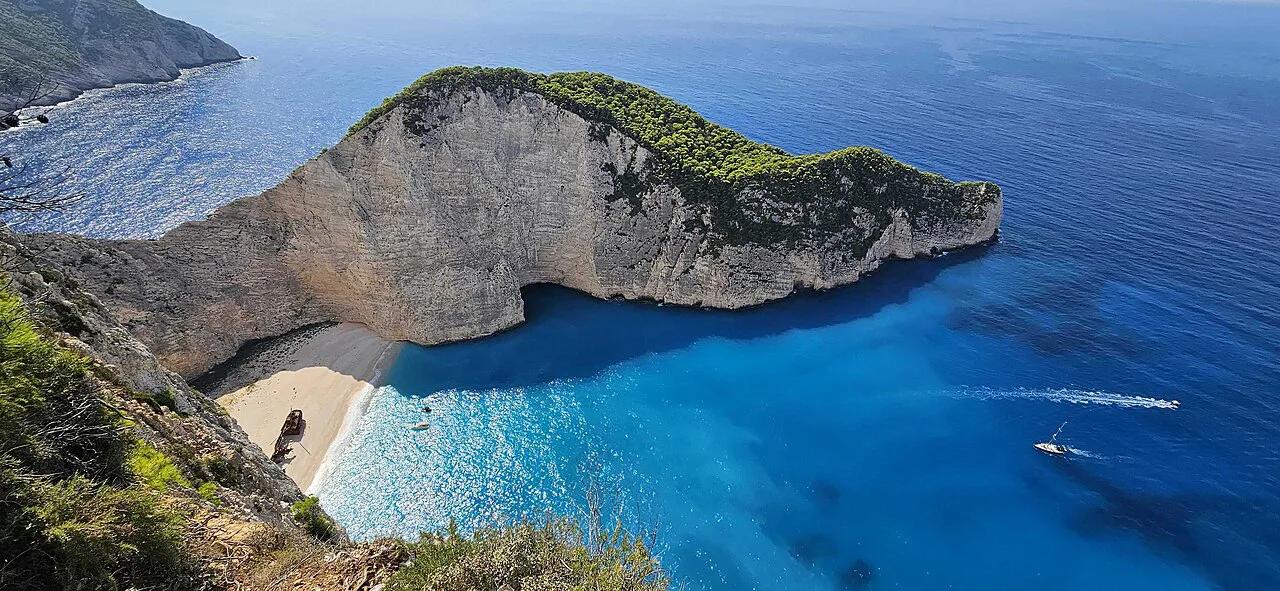
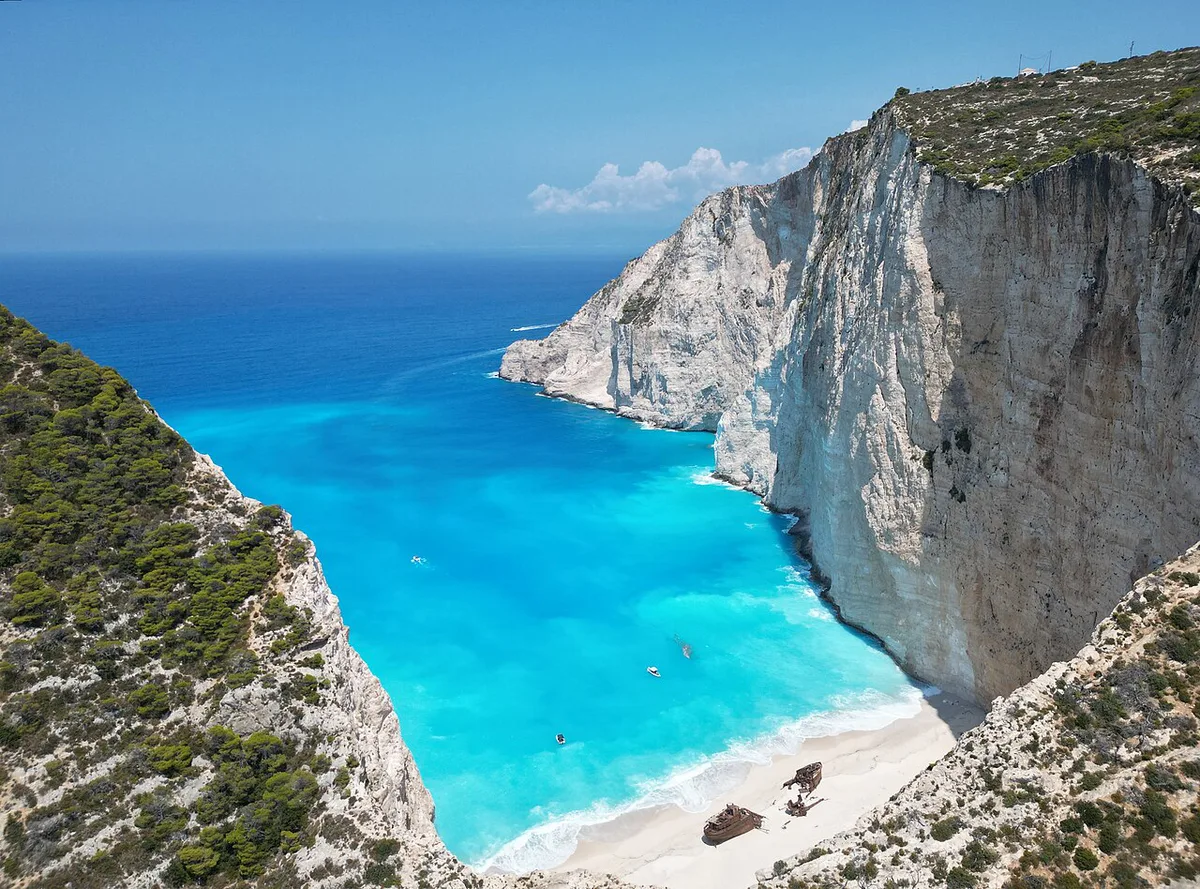
Zakynthos is an Ionian island that mixes organized beaches with coves you reach by boat. That mix suits groups who disagree about how wild a beach day should feel. Expect sunbeds and tavernas at the busier beaches, and plan sea excursions for the quieter ones.
The island's official tourism site is the place to check beach and excursion details. Boat trips add a cost on top of your stay, so budget for at least one. Skip it if you want a calm, car-free base, since you will rely on transfers and boats.
3. Milos: dramatic volcanic coastline
Milos is the pick for dramatic volcanic shoreline rather than long stretches of sand. Plan around Sarakiniko, Gerontas and Tsigrado, each with a very different feel. Sarakiniko is about pale, sculpted rock and swimming off the edge, not a sunbed day.
Tsigrado involves a steep climb down, so check current access with the local municipality and wear sturdy shoes. Boat tours reach coves the roads do not. Skip it if you need a gentle sandy entry for toddlers.
4. Koufonisia: small, walkable and quiet
Koufonisia is a small Cyclades island where you can walk between beaches. It suits travelers who want to spend every day in the water without arranging transport. Facilities are limited compared with Naxos, so do not assume a remote beach has a taverna or shade.
It is ferry-only, and our Greek islands ferry guide explains how routes connect. Plan a short stay of a few nights rather than a full week. Skip it if you want nightlife or a large choice of restaurants and rooms.
5. Paros: stylish and mid-range
Paros suits travelers who want stylish, organized beach time with more choice than a small island offers. Kolymbithres is known for rock formations around its sand, and Santa Maria for water sports and snorkeling. Both beaches are organized, so expect sunbeds and food within easy reach.
Antiparos sits across a short ferry hop for a quieter day, though you should check current operator schedules for crossing times. Together they make a natural two-island pair. Skip it if you want empty beaches in peak summer, since Paros draws steady crowds.
6. Crete: Elafonissi's pink-tinged sand
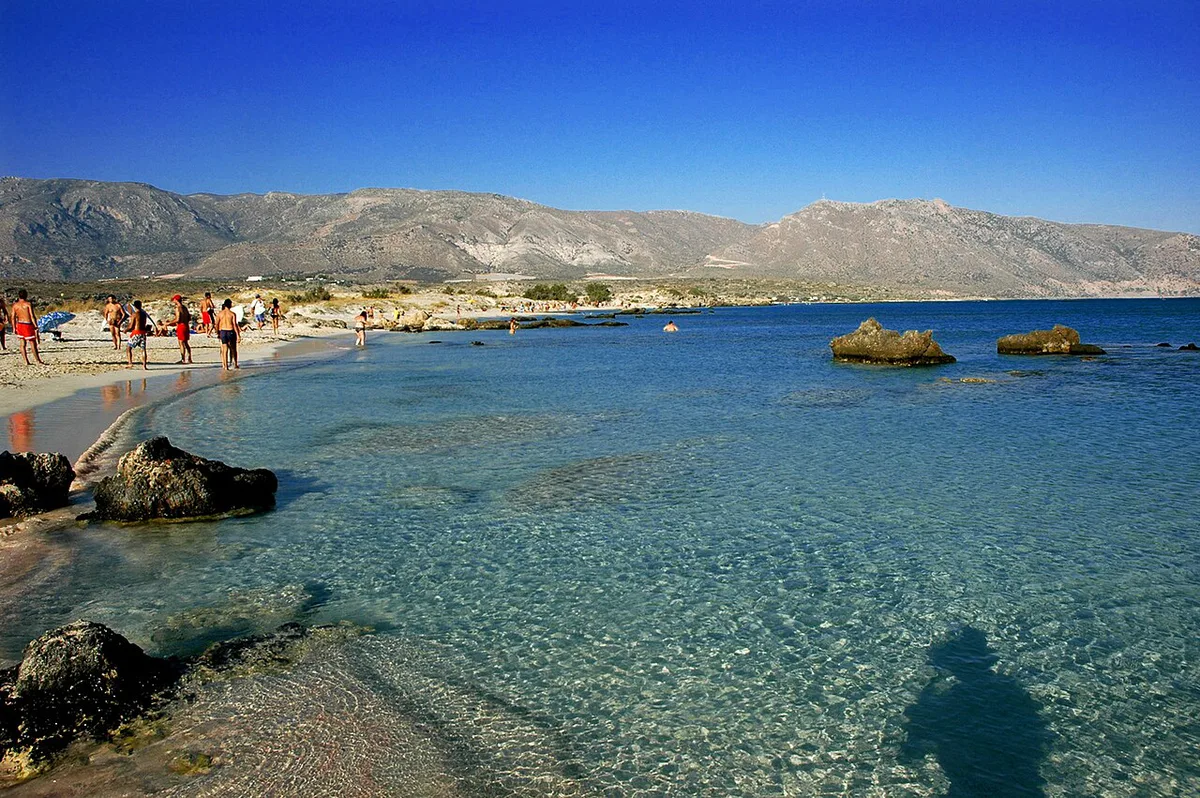
Crete is a large island, so treat Elafonissi as a destination rather than a quick add-on. Pink-tinged sand against turquoise water is the draw. Crete's north coast faces the Aegean and its south coast faces the Libyan Sea, and beaches sit far apart.
A rental car is the practical way to cover those distances. Choose a base near your target beach instead of the biggest town. Skip it if your trip is short, because the drive eats into beach time.
Greek island beaches compared at a glance
Group labels follow our Greek Island Groups: Cyclades, Ionian, Dodecanese & More guide. Cost levels are relative, not quoted prices.
| Island | Group | Beach style | Access | Crowds | Best for | Skip if |
|---|---|---|---|---|---|---|
| Naxos | Cyclades | Long sandy beaches | Ferry; car helpful | Moderate | Families | You want a tiny island |
| Zakynthos | Ionian | Organized beaches and boat coves | Check flights and ferries | High in summer | Mixed groups | You want car-free calm |
| Milos | Cyclades | Volcanic rock and coves | Ferry | Moderate | Scenery, swimmers | You need sandy shallows |
| Koufonisia | Cyclades | Small sandy beaches | Ferry only | Low to moderate | Quiet swims | You want nightlife |
| Paros | Cyclades | Organized, rocky sand | Ferry | High in summer | Mid-range style | You want empty beaches |
| Crete (Elafonissi) | Crete | Pink-tinged sand | Car or excursion | High in summer | Big scenery | Your trip is short |
Beyond Mykonos and Santorini: what to expect instead
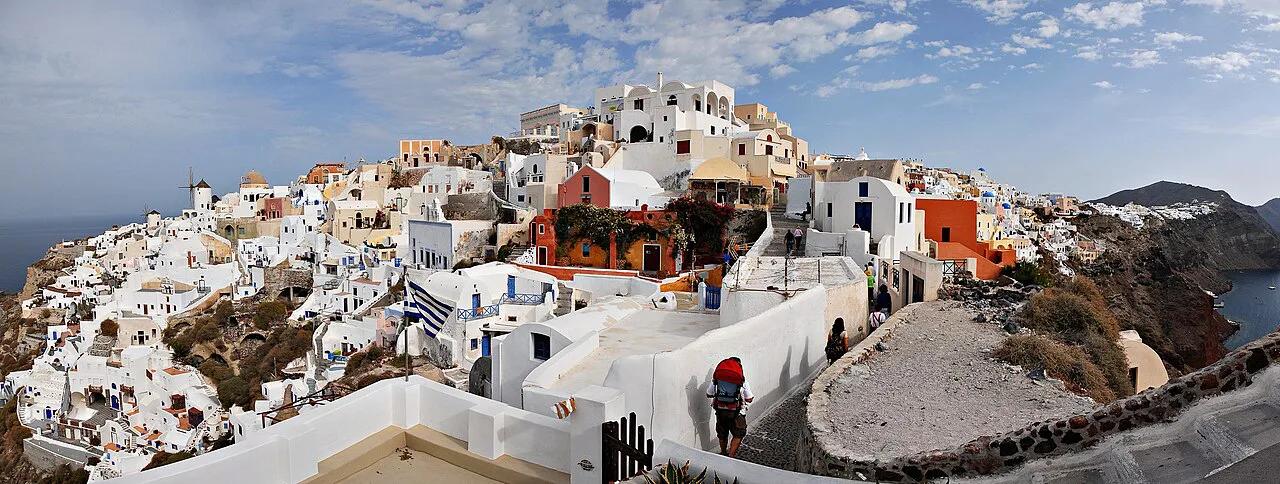
Mykonos has the liveliest beach scene, and Platis Gialos is the usual starting point. Beach-club price levels there run high. Santorini's beaches, such as Perissa, have black volcanic sand rather than soft golden sand, which surprises many visitors. Both islands reward you for scenery and nightlife more than for a relaxed beach week. Naxos and Paros usually deliver more beach time for less money.
Best time for Greek island beaches and wind trade-offs
June and September are the calmer shoulder choices when you want warm water with fewer crowds. Our best time to visit guide explains the full season. Summer meltemi winds can make exposed Aegean beaches rough on a given day. Check the forecast from the Hellenic National Meteorological Service and choose a sheltered side of the island. Small, exposed islands such as Koufonisia offer fewer alternatives when a wind blows.
Getting there and around
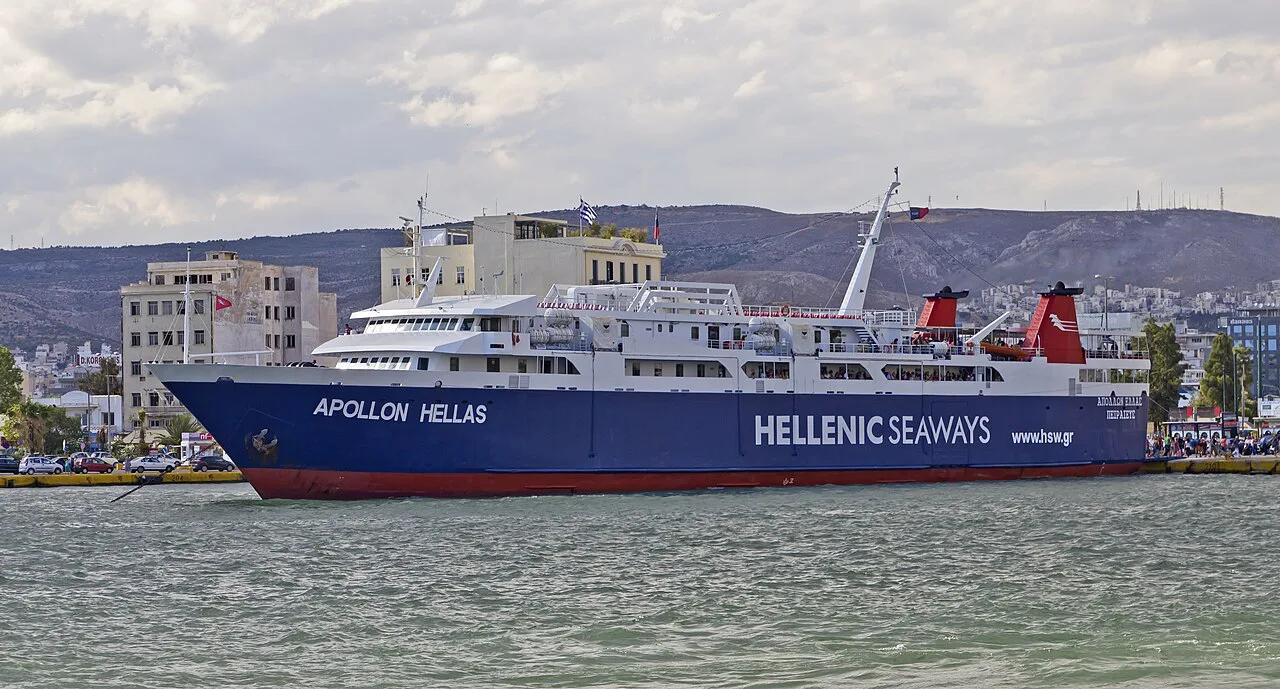
Ferry times and airline routes change each season. Check Hellenic Seaways for current ferry schedules.
- First beach trip: pick one island with an airport, using our islands-with-airports list.
- Short trip: stay on one island rather than hopping between two.
- Two islands: Paros with Antiparos, or Naxos with Koufonisia, via our island-hopping guide.
- Distances: use our Greek islands map to see how far apart your picks sit.
Common mistakes to avoid
Most disappointing beach days come from planning around the photo instead of the conditions.
For a 3–4-day beach break, stay on one island, because ferry time to small islands is easy to underestimate.
- Booking a famous beach without checking wind direction.
- Underestimating ferry time to small islands.
- Staying far from a swimmable beach.
- Assuming remote beaches have sunbeds, food or shade.
Where to stay for the beach experience you want
For a 3–4-day beach break, choose one base near the water rather than losing time changing islands. Naxos works well around its sandy west-coast beaches, while Paros offers more restaurants and organized beach facilities.
Stay near Chora on Naxos if you want town dining alongside beach access. Choose a beach-area hotel if toddlers and easy swimming matter more than evening variety. On Paros, base near Santa Maria or Kolymbithres for organized days, or in Naousa for a livelier evening base.
A 2-island trip is most practical when the islands complement each other. Pair Paros with quieter Antiparos, or Naxos with small-scale Koufonisia. Check current ferry schedules before booking separate accommodation.
On Crete, stay close to the coast you plan to use. Elafonissi is not a simple day trip from every resort town. On Milos, choose a central base and expect to use a car or boat for different coves.
Frequently Asked Questions
What are some of the islands in Greece?
Popular beach islands include Naxos, Paros, Milos, Zakynthos, Corfu, Rhodes and Crete. For the full count, see our Greek island count guide. Browse more in our Greek islands hub.
Which Greek island has the clearest sea?
Milos and Koufonisia are common picks for clear swimming water. Clarity changes with wind and swell, so check conditions on the day.
Useful notes for your next island trip
Optional updates to our guides.
You might also like
Continue reading
More guides you'll find useful