Best Time to Visit the Greek Islands: Month-by-Month Guide
Late May to June and September to early October suit most trips. See month-by-month weather, swimming, crowds, price and ferry trade-offs by island group.
On this page
Last updated November 2026: the best time to visit Greek islands for most travelers is late May to June or September to early October. Peak July and August give the strongest swimming and fullest ferry timetables, but also the biggest crowds and highest prices. Use the goal table below to pick a window, then adjust it by island group with our Greek islands guide.
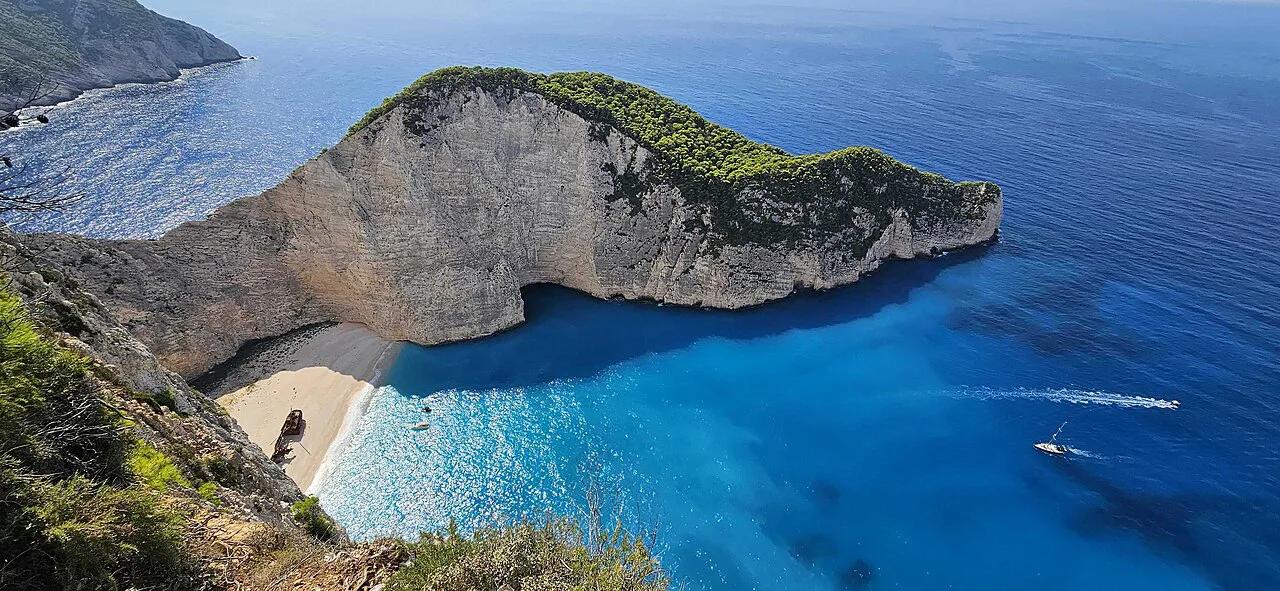
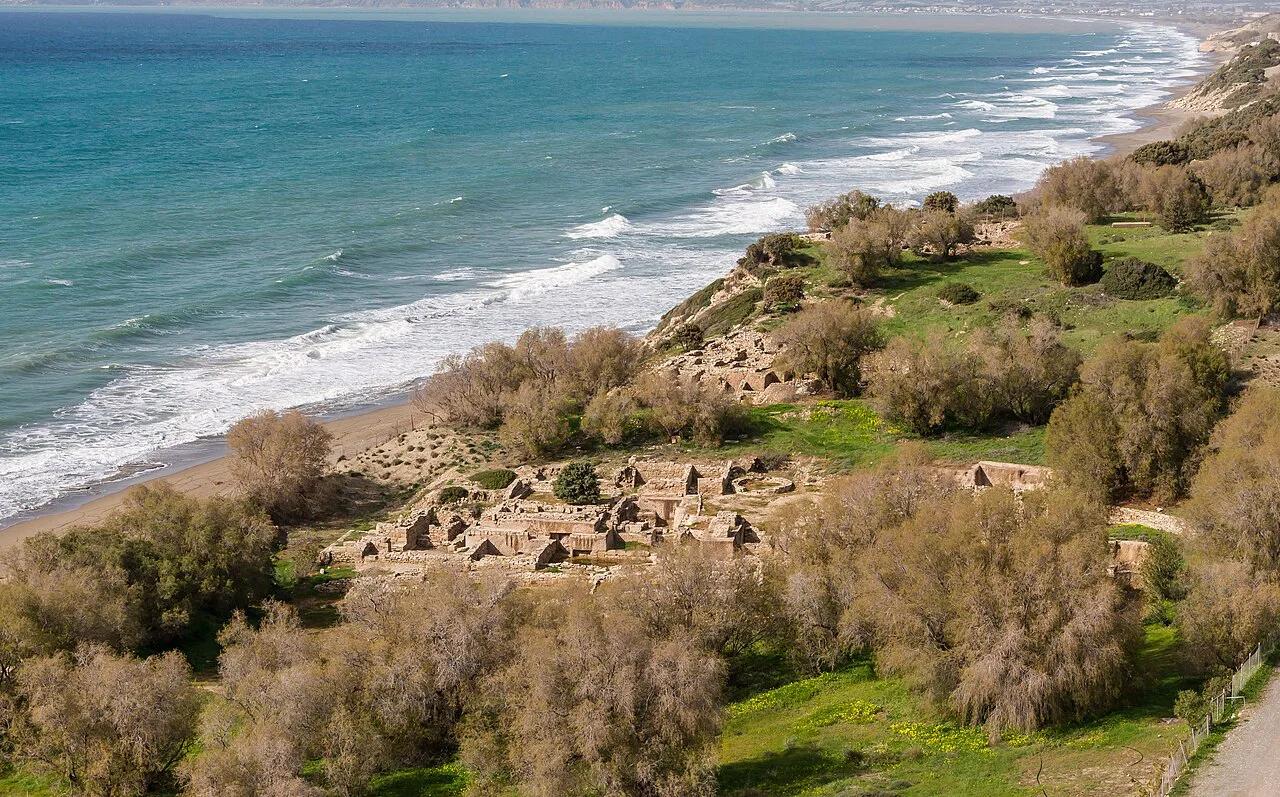
Featured image: Bernard Gagnon, CC BY-SA 3.0, via Wikimedia Commons.
Quick Answer: Best Time to Visit Greek Islands by Goal
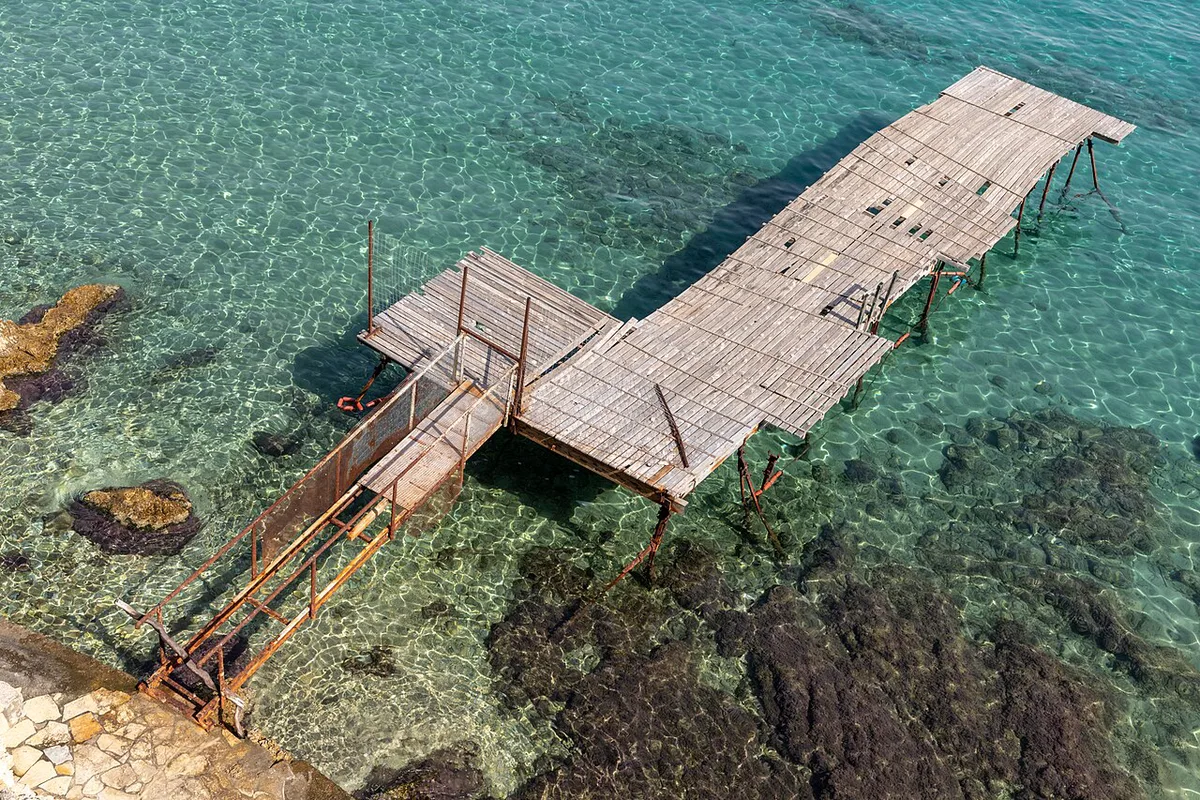
Match your month to what you want from the trip. Sea temperatures typically climb from about 19°C (66°F) in May to roughly 24°C (75°F) by August. Early autumn sea often stays near 23°C (73°F) after the summer heat has built up. Spring water is cooler, so September usually beats May for swimming.
| Goal | Best window | Main trade-off |
|---|---|---|
| Swimming and beaches | Late June to mid-September | Higher prices and crowds in July and August |
| Sightseeing and hiking | April to early June, late September to October | Cooler sea; some seasonal businesses still closed in April |
| Lowest crowds and prices | November to March | Reduced ferries and many closed hotels |
| Island hopping | June and September | Fullest ferry timetables, but July and August book out |
| Couples and romance | Late May to June, September | Sunset spots in Santorini and Mykonos stay busy |
| Photography | May, June, October | Light is softer; some beach bars not yet open or already shut |

Greek Islands Weather by Month
This table uses relative labels, because conditions change by island and by year. Check the Hellenic National Meteorological Service for current forecasts and climate data.
| Month | Weather feel | Sea comfort | Crowds | Price level | Services and ferries |
|---|---|---|---|---|---|
| January | Cool, wet | Cold | Very low | Low | Minimal ferries, many closures |
| February | Cool, wet | Cold | Very low | Low | Minimal ferries, many closures |
| March | Cool, changeable | Cold | Low | Low | Services slowly return |
| April | Mild, some rain | Cool | Low to moderate | Low to moderate | Easter week is busy |
| May | Warm, sunny | Cool to fresh | Moderate | Moderate | Most places open |
| June | Hot, dry | Pleasant | Moderate to high | Moderate to high | Full schedules |
| July | Hot, windy | Warm | High | High | Full schedules, wind delays |
| August | Hot, windy | Warmest | Highest | Highest | Full schedules, booked out |
| September | Warm, calmer | Warm | Moderate | Moderate | Full schedules |
| October | Mild, showers | Still pleasant early on | Low | Low to moderate | Services wind down |
| November | Cool, wet | Cool | Very low | Low | Reduced ferries |
| December | Cool, wet | Cold | Very low | Low | Reduced ferries |
Peak Summer (July–August): Who It Suits and Who Should Skip It
July and August bring daytime highs around 31°C (88°F) on many Aegean islands. Beach bars, boat trips and ferries all run at full capacity. Strong meltemi winds typically blow across the Aegean in these months and can delay sailings. Rooms fill early, and a mid-range double that costs around €90 in May can reach €150+ in August on popular Cyclades islands. These are indicative rates, checked November 2026. Summer suits families tied to school holidays and anyone who wants the lively beach scene. Skip it if you dislike heat, crowds or booking months ahead. For sand and swimming spots, see our guide to the 6 Best Greek Islands for Beaches: Picks by Beach Type.
€90 in May can reach €150+ in August on popular Cyclades islands. Booking early matters most in these peak months.
Shoulder Seasons (May–June and September–October)
Shoulder months win for most travelers. Days run around 24–28°C (75–82°F) in June and September, with thinner crowds than midsummer. September has the warmest sea after a hot summer, while spring water is cooler. Most hotels, tavernas and ferries run full or near-full schedules in these months. By mid-October, some seasonal businesses start to close. Orthodox Easter moves every year and brings family travel and closures, so check the date on Visit Greece before booking April trips. Couples will find quieter sunsets in these months; see our picks of the 6 Best Greek Islands for Couples by Trip Type.
Days run around 24–28°C (75–82°F) in June and September, against highs around 31°C (88°F) in July and August.
Winter and Early Spring (November–April)
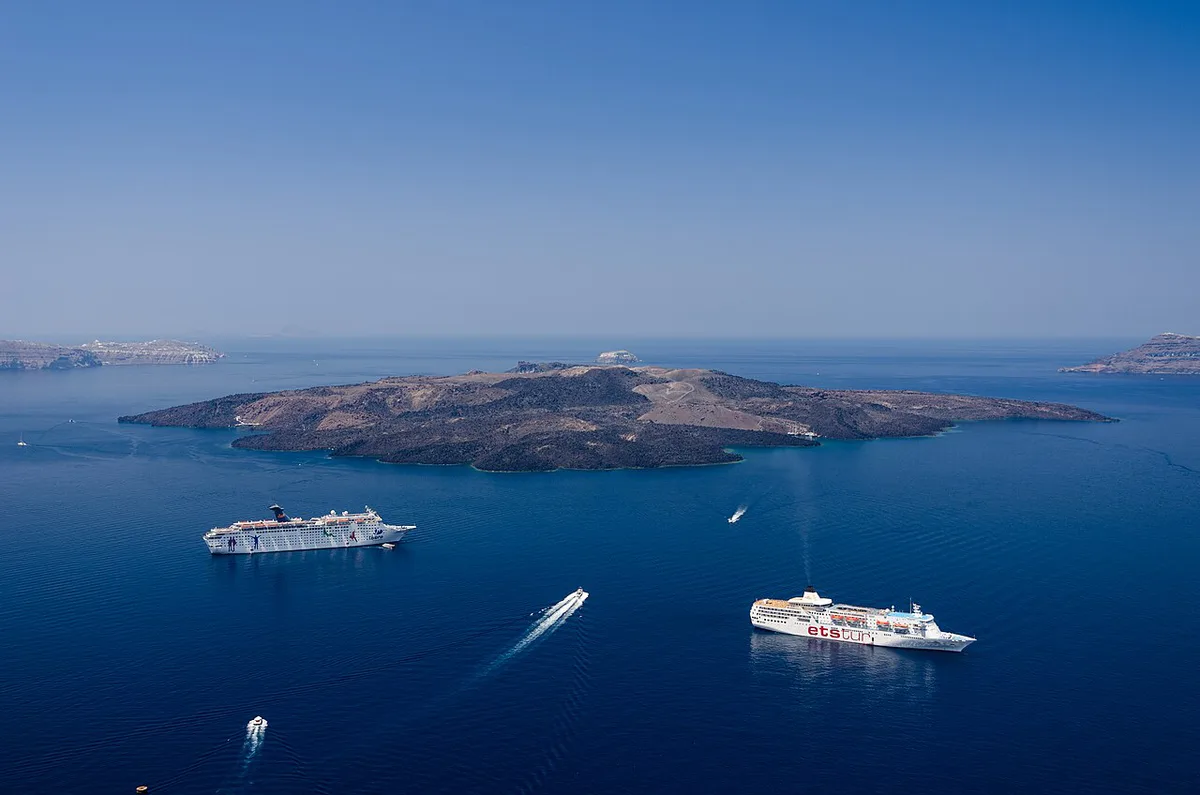
Winter highs sit around 13°C (55°F) on the Cyclades, with rain and rough seas. Ferry frequency drops sharply, and many hotels and restaurants close. This suits hikers, culture-minded travelers and anyone on a tight budget who values empty villages. It is a poor fit for beach trips, since the sea is too cold for most people. Larger islands such as Crete keep more services running than small Cyclades islands.
Timing Varies by Island Group
Treat each group separately rather than applying one climate to all of Greece. Our guide to Greek Island Groups: Cyclades, Ionian, Dodecanese & More explains how they differ.
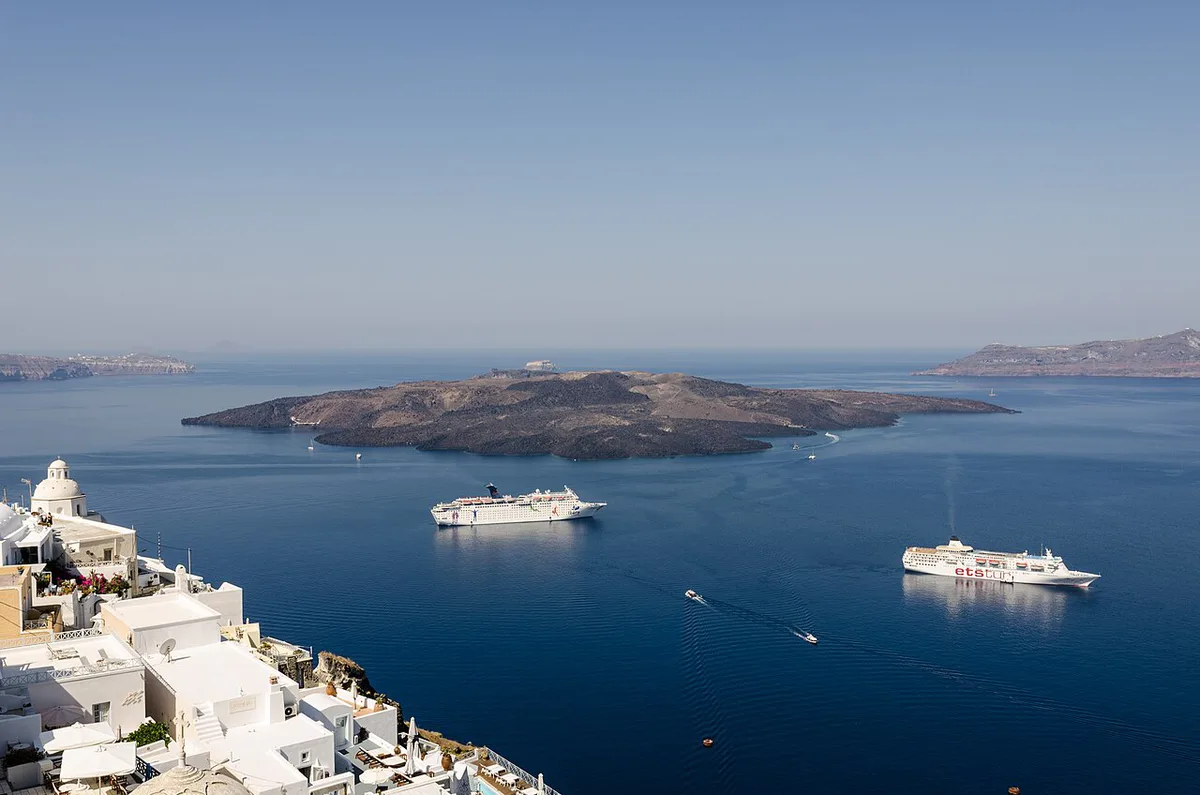
- Cyclades (Santorini, Mykonos, Naxos): the most exposed to meltemi in July and August, so September is often calmer.
- Ionian Islands (Corfu, Zakynthos, Kefalonia): typically greener and less windy, with a season running from May to October.
- Dodecanese (Rhodes, Kos): hot and long-seasoned, with swimming often possible into October.
- Crete: the longest season, with spring hiking and some services open year-round.
- Sporades and North Aegean: greener, with a more concentrated summer season.
- Eastern Aegean islands near the coast of Turkey: see Greek Islands Near Turkey: Where to Stay and How to Cross for local patterns.
Ferries, Flights and Logistics by Season
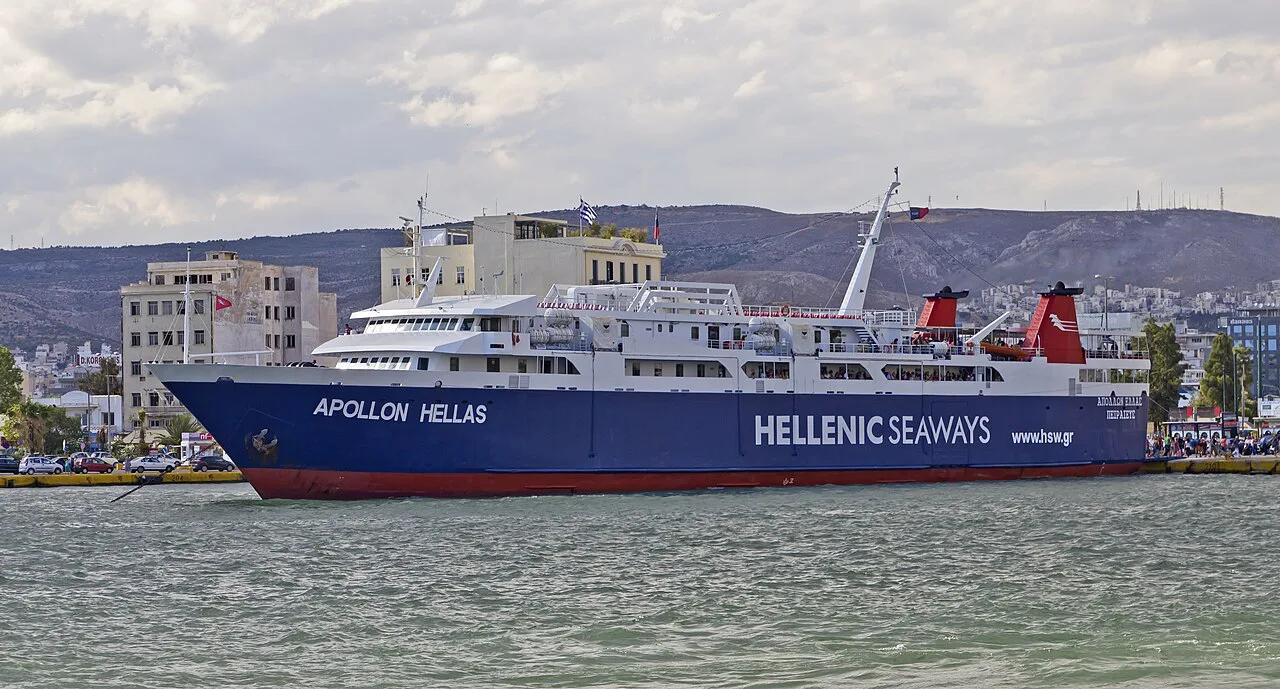
Ferry timetables expand from roughly May and thin out after October. Operators such as Hellenic Seaways publish seasonal schedules that change each year. Strong winds can cancel or delay sailings in July and August, so leave a buffer day before any flight home. Book peak-season ferries and rooms weeks ahead, since last-minute choices narrow quickly. For route planning, start with our Greek islands ferry guide. Flying skips winter ferry gaps, and our list of Greek Islands With Airports: Which to Fly To or Skip shows which islands have direct access. If you plan a multi-island trip, Greek Island Hopping: Routes, Ferries & Planning Guide covers routes in detail.
How to Choose Your Month
Use these rules to decide quickly.
- If you want to swim comfortably and avoid peak prices, go in early to mid-September.
- If you want hiking and wildflowers, go in April to May.
- If you want the lowest prices and can accept closures, go between November and March.
- If you want a full ferry network for island hopping, go in June or September.
- If you want a lively nightlife scene, go in July or August and book early.
- Mistakes to avoid: booking Cyclades rooms and ferries too late for August, expecting everything open in winter, and assuming one island's weather applies to every other island.
Next Step After Choosing Your Month
Once you have a window, pick your island. Our 8 Greek Islands Compared: Which Is Best for You? (2026) guide compares the options by traveler type. Our 8 Best Greek Islands: Which One Fits Your Trip? list gives a wider shortlist.
Frequently Asked Questions
What are the best months to visit Greece?
May, June, September and early October suit most travelers. Weather is warm, crowds are lighter than in July and August, and ferries run full schedules.
What is the weather like in Greece in October?
Early October is typically mild and often still pleasant for swimming, with some showers. By late October, some seasonal businesses close and ferry schedules start to thin.
Useful notes for your next island trip
Optional updates to our guides.
You might also like
Continue reading
More guides you'll find useful