Patmos Travel Guide: Ferries, Cave of the Apocalypse
Plan Patmos: how to get there by ferry, the monastery and Cave of the Apocalypse, where to stay in Skala or Chora, and when to go.
On this page
Last updated November 2026: patmos is a small Dodecanese island with no airport, so every visitor arrives by sea. Pilgrims and history readers come for the Monastery of Saint John the Theologian and the Cave of the Apocalypse, and the island's slow pace suits them. Anyone who wants clubs or a different beach each day will be happier elsewhere in our Dodecanese islands guide.
Featured image: Odysses, CC BY-SA 3.0, via Wikimedia Commons.
Patmos at a Glance
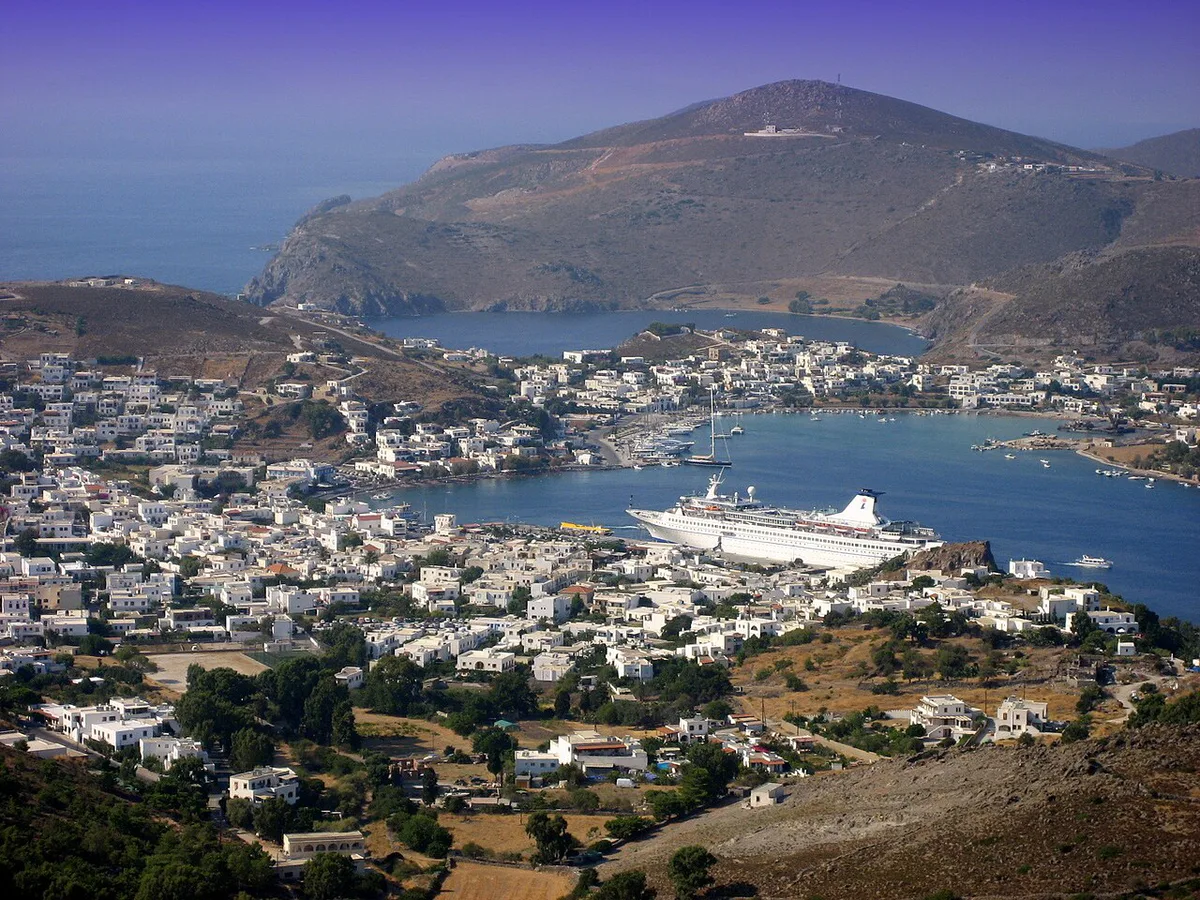
Patmos is a small island in the Dodecanese, in the southeastern Aegean. Ferries dock at Skala, the main port. Chora, the hill town above it, holds the monastery. Official island information is on Visit Greece's Patmos page.
- Airport: none, so you arrive by ferry or excursion boat.
- Main port: Skala.
- Hill town: Chora, home to the monastery.
- Sacred sites: the Monastery of Saint John the Theologian and the Cave of the Apocalypse, both inside one UNESCO World Heritage listing.
- Beaches named in this guide: Psili Ammos and Agriolivadi.
Is Patmos Worth Visiting?
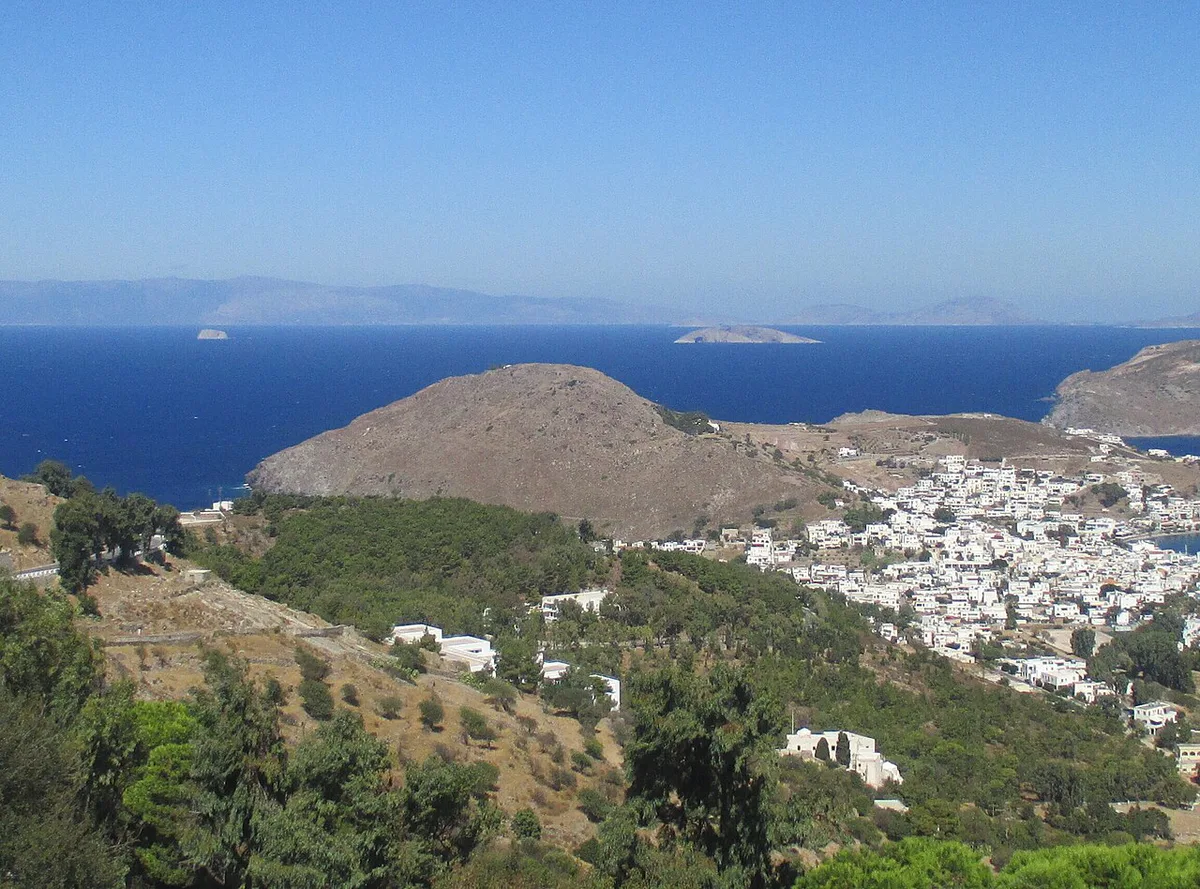
Yes, if your trip centers on the sacred sites, quiet evenings and unhurried walks. Readers of Revelation, Orthodox pilgrims and travelers who like small harbors get the most from it. Nightlife seekers will find little. Beach-hoppers face a short list of options and a small road network. Shoppers hunting for resort infrastructure should also look at larger islands. Patmos rewards one night or more, because the island empties out once the excursion boats leave.
What Patmos Is Known For
Revelation 1:9 states that John was on the island called Patmos because of the word of God and the testimony of Jesus. Scholars treat the identification of the island as certain. Revelation does not name a cave, however. Later Christian tradition ties the Cave of the Apocalypse to John's visions, and medieval pilgrimage made it a major landmark. Many readers understand his stay as Roman exile. Yet the exact circumstances and date remain debated. Revelation is addressed to seven churches in the Roman province of Asia, which lay across the sea to the east. UNESCO lists the historic center of Chora, the monastery and the cave together as one site.
How to Get to Patmos
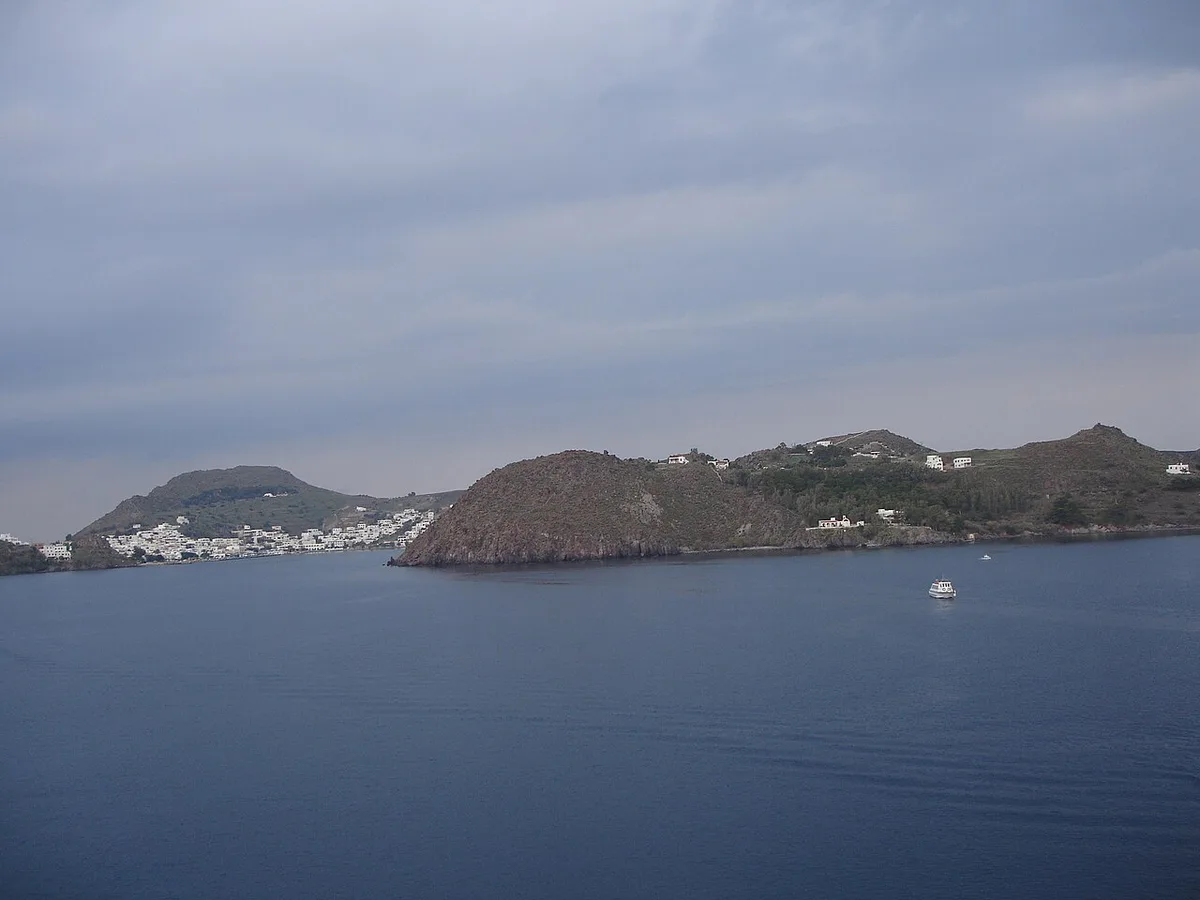
No planes land here, so choose your route by starting point. Timetables shift sharply between summer and winter. Winter sailings are sparse, and fast services run mainly in the warm months. Ferry schedules are listed on Greek ferry information site Ferries.gr, and the operator's own site is the final word.
- From Athens: take a ferry from Piraeus. Slower and overnight boats cost less time awake and often suit a flexible budget. Faster services save hours but run on fewer days.
- From Kos or Samos: fly in, then take a ferry to Skala. This route works when you want to skip a long sea crossing from the mainland.
- From other Dodecanese islands: hop north or south along the chain. Match each leg to the current timetable before booking beds.
- Mistake to avoid: booking a flight home the morning after a ferry. Sailings can be cancelled in strong wind.
Getting Around Patmos
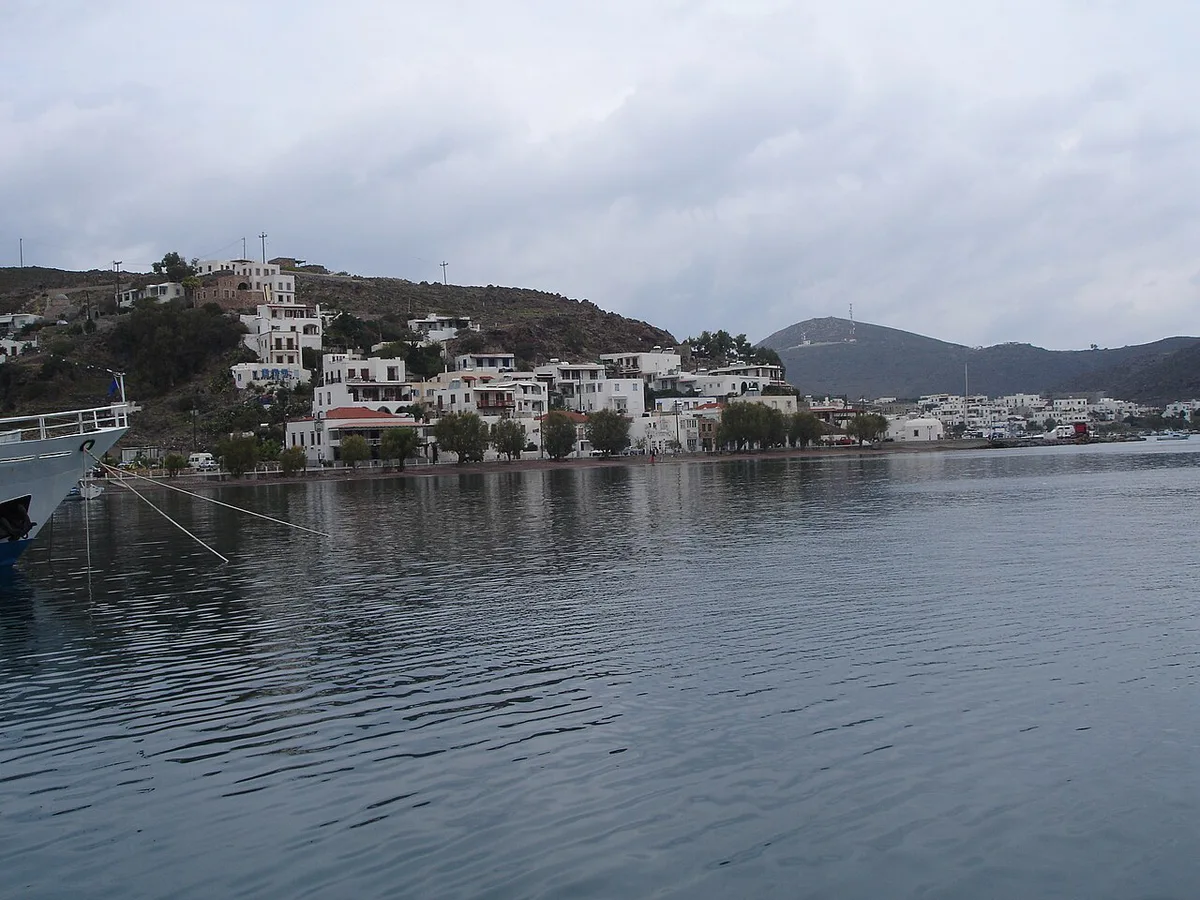
Skala, Chora and the beaches sit on a small road network. Buses, taxis, scooters and walking all work, and each suits a different leg. Walking between Skala and Chora is possible for fit travelers, while taxis save time and heat in summer. Scooters give freedom to reach bays on your own schedule, but summer traffic strains narrow roads. Parking in Chora is limited, so leave vehicles below the old town and walk up the lanes. Buses connect the main points on the island, though frequency drops outside summer.
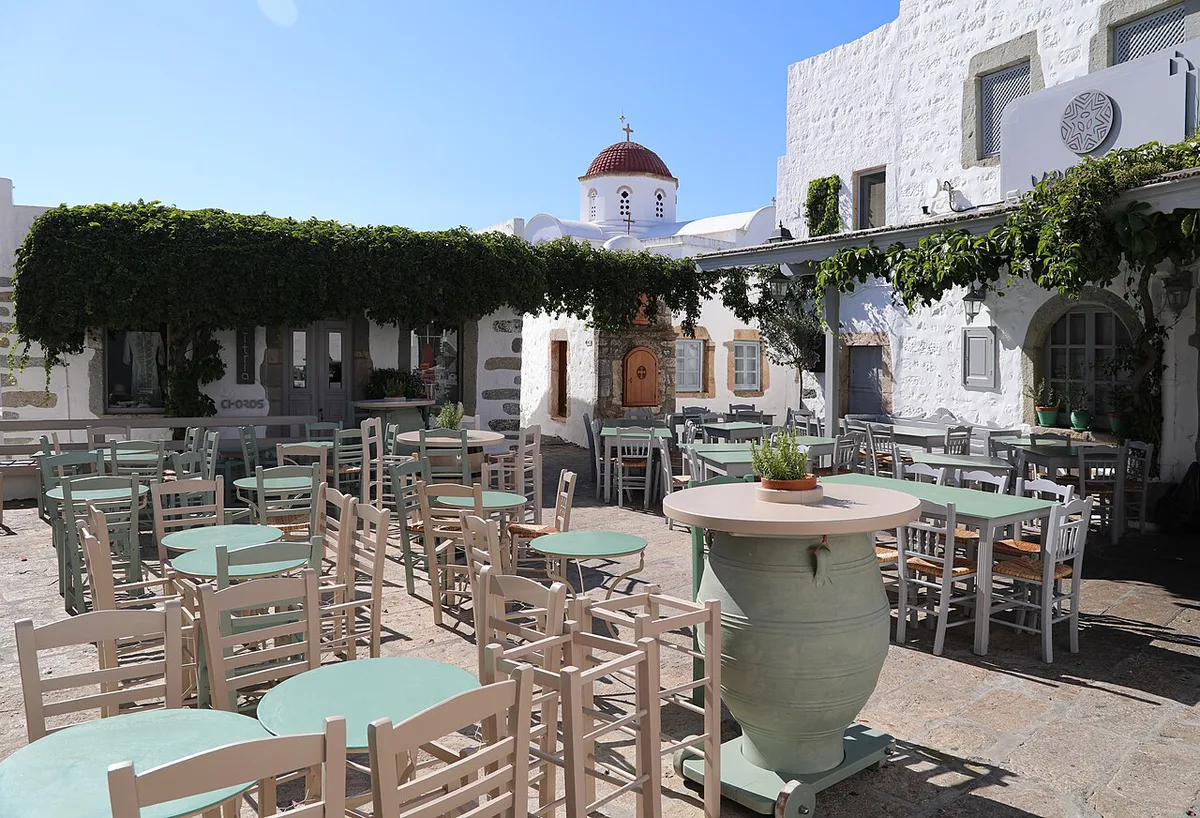
The Cave of the Apocalypse and the Monastery of Saint John
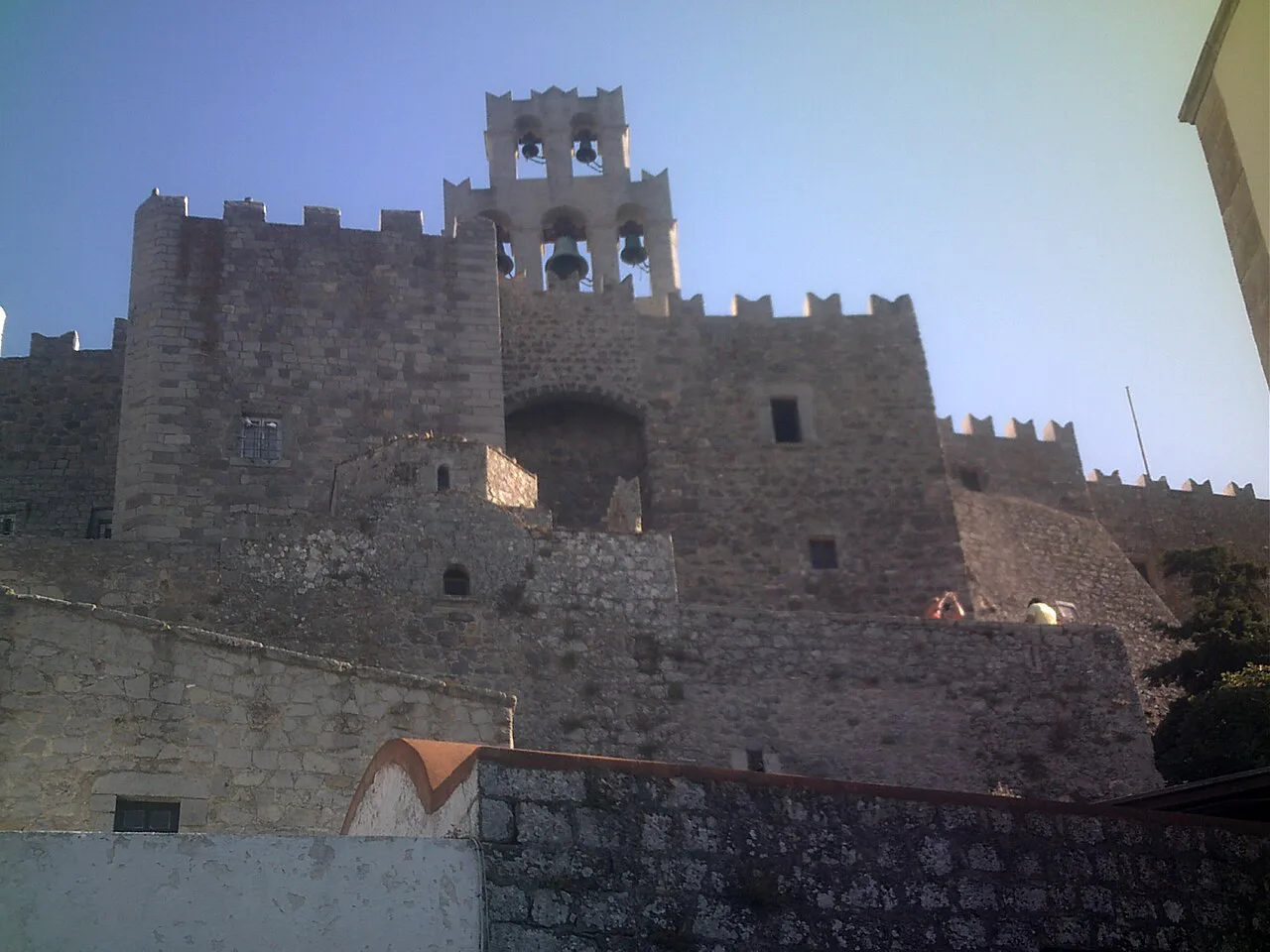
Treat both as one route from Skala, with the cave first and the monastery in Chora afterward. Hours change seasonally, so check the current schedule at the sites. Dress modestly with covered shoulders and knees, as at any Orthodox monastery. Photography rules vary inside, so ask before lifting a camera. Allow unhurried time at both. The monastery's fortified walls dominate Chora, and the UNESCO listing covers the old town around it.
Day Trip or Overnight on Patmos
Excursion boats give a few hours ashore. That is enough for Skala, then Chora and the monastery. Only an overnight stay adds quiet evenings and time at a beach.
| Visit type | What you can realistically do | What you miss |
|---|---|---|
| Day trip | Skala, Chora, the monastery, a short walk | Beaches, evening light, quiet streets |
| One night | Sacred sites plus sunset in Chora or Skala | Slower beach days |
| Two to three nights | Sites, one or two beaches, unhurried meals | Little, if you like quiet |
Villages of Patmos: Skala, Chora and Grikos
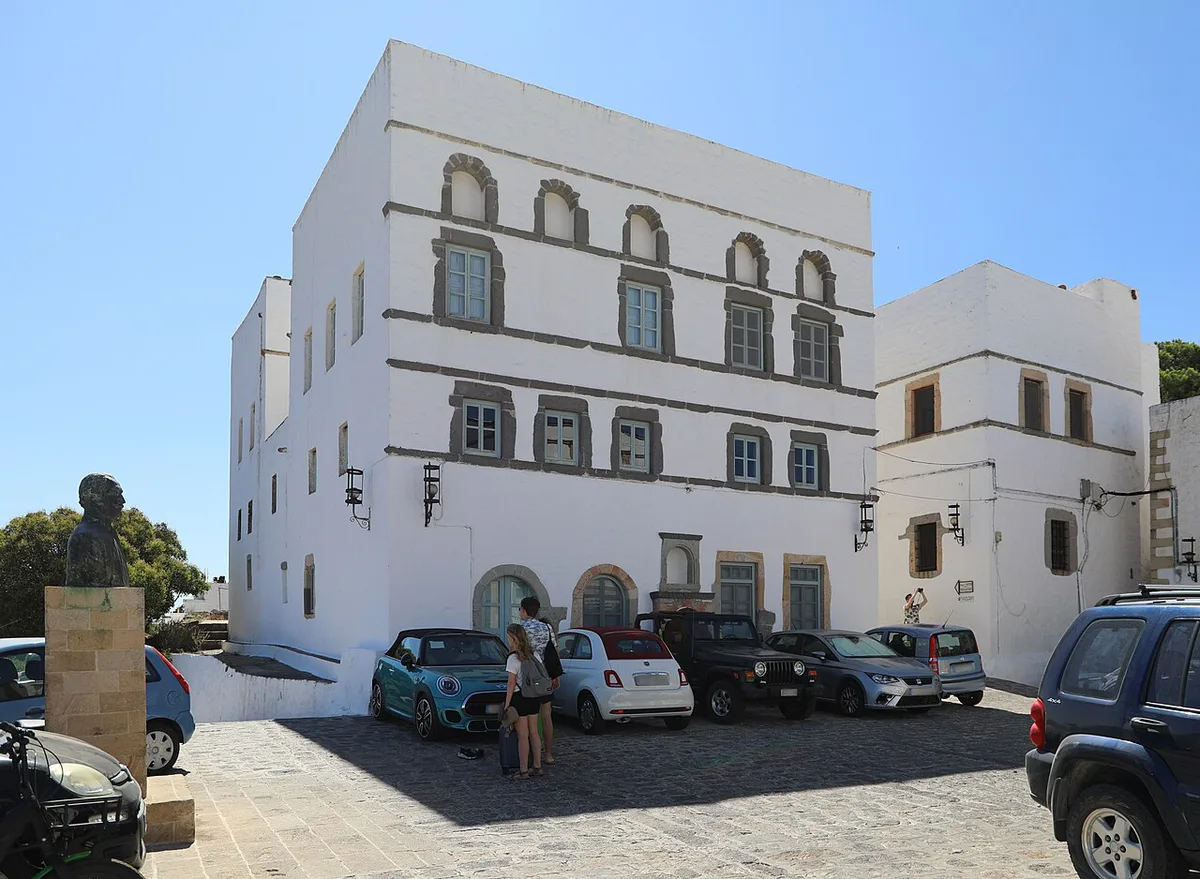
Skala is the port and the practical base. Chora is the old hill town and the quietest after dark. Grikos is a bay settlement for those who want to stay beside the sea. In our editorial assessment, Chora suits couples and pilgrims, Skala suits first-timers, and Grikos suits beach-first travelers with a vehicle.
| Base | Vibe | Walkability | Port access | Evening life | Best fit |
|---|---|---|---|---|---|
| Skala | Working harbor, easiest logistics | High, flat harbor front | Immediate | Tavernas and cafes by the water | First-time visitors |
| Chora | Quiet old town, hill setting | Steep lanes, car-free feel | Needs a bus or taxi | Low-key, early to bed | Pilgrims and couples |
| Grikos | Sheltered bay, resort edge | Good around the bay only | Needs transport | A few waterfront tavernas | Beach-first stays |
Beaches of Patmos
Beaches here involve trade-offs, not a single best choice. Psili Ammos is the name most visitors expect to find, and reaching it may take a boat or a walk. Agriolivadi sits on the road network and is simpler to reach. Wind exposure and shade differ bay by bay, so pick the sheltered side on breezy days. Check current access before planning a day around either one.
Where to Stay on Patmos
Match the base to your priorities using the table above. Skala saves transfers and suits ferry days. Chora gives a quiet night and easy sunrise visits to the monastery. Grikos puts you beside the water but away from the port. Book early for summer and for Easter, when rooms run short.
Where to Eat and Drink on Patmos
Skala's harbor and Grikos bay have the main tavernas, and seafood is the usual order. Chora offers cafes among the old lanes. Expect modest, simple evenings with a glass of local wine or ouzo. Late-night venues are rare, and some places close outside the main season.
Is Patmos a Party Island?
No, Patmos is a quiet island with a religious character. Bars and tavernas stay low-key. Travelers who want a Mykonos-style scene should pick a different island.
Best Time to Visit Patmos
Shoulder months in spring and autumn give milder weather and fewer crowds. Summer brings the most ferries, the busiest sites and the meltemi wind. Holy Week and Easter are significant here, so book far ahead and read the official island pages for dates. Winter is very quiet, with many businesses closed and fewer sailings.
- Spring: mild, walking-friendly, services reopening.
- Summer: peak ferries and crowds, wind on exposed beaches.
- Autumn: warm sea, fewer day-trippers.
- Winter: sparse boats, many closures.
Patmos in a Dodecanese Itinerary
Patmos fits a northern Dodecanese loop. Leros is a near neighbor. Lipsi is a small island close by, and the ferry link needs a timetable check. Kalymnos is the next major island on the southern route. For a longer hop south, look at Symi or Tilos, and check each leg individually.
Frequently Asked Questions
Was John sent to Patmos?
Revelation 1:9 says John was on Patmos because of the word of God and the testimony of Jesus. Later tradition reads this as Roman exile. Scholars still debate the circumstances and date.
Where is Patmos island today?
Patmos is a Greek island in the Dodecanese, in the southeastern Aegean Sea. It has no airport. Visitors arrive by ferry at Skala.
How do I get to Patmos, Greece?
Take a ferry from Piraeus, or fly to Kos or Samos and continue by sea. Island-hopping along the Dodecanese also works. Check current timetables before you book.
Useful notes for your next island trip
Optional updates to our guides.
You might also like
Continue reading
More guides you'll find useful