Leros Island Guide: Getting There, Where to Stay, What to Do
Plan a trip to Leros: how to get there, what to see, where to stay and how to get around, with honest trade-offs against nearby Dodecanese islands.
On this page
Last updated November 2026. Leros is a low-key Dodecanese island in Greece, suited to travellers who want quiet bays, green hills and unusual architecture over nightlife. This Leros guide covers how to reach the island, which towns and sights are worth your time, and how it compares with its neighbours. For wider route planning, start with our island-hopping hub for the Dodecanese.
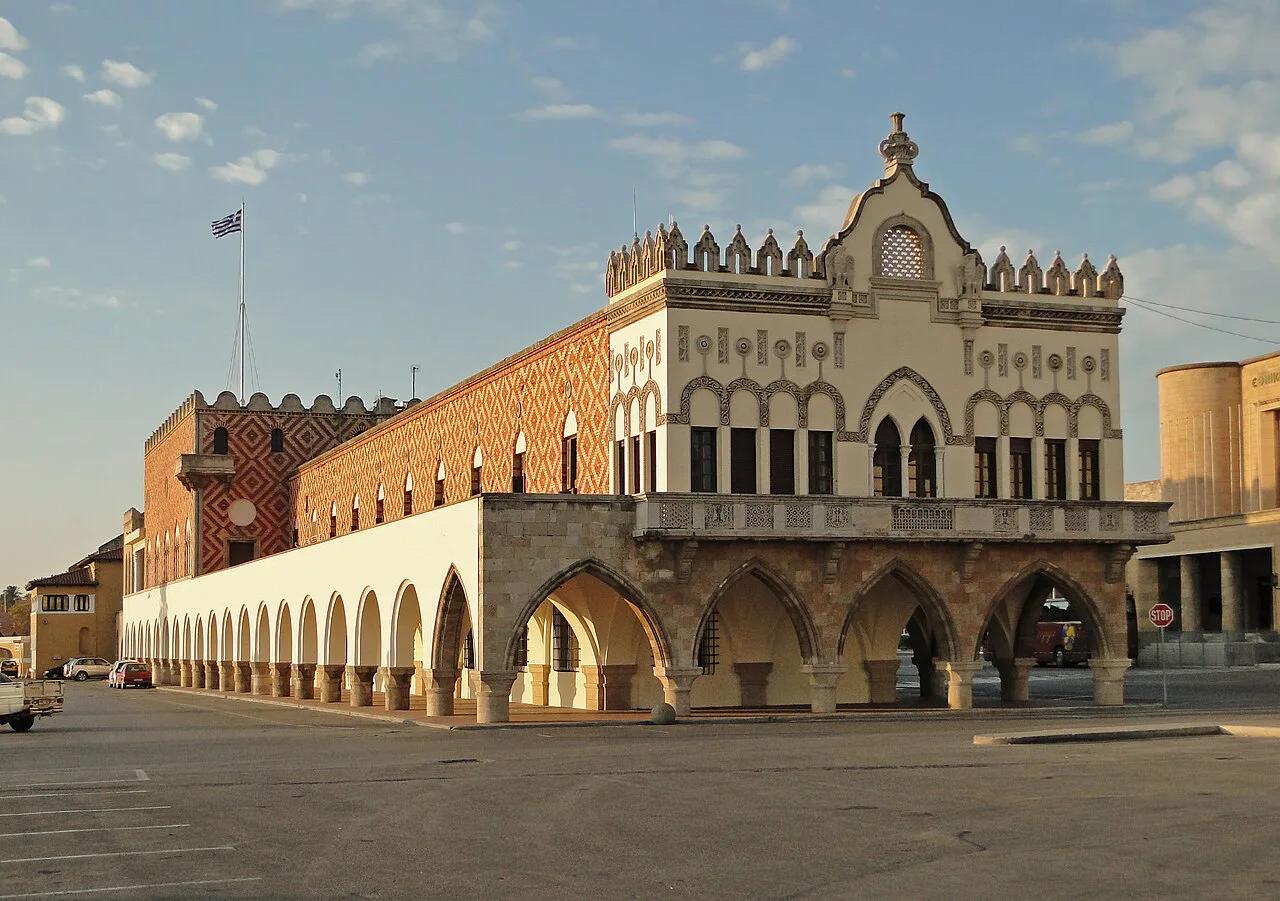
Featured image: G Da, CC BY-SA 3.0, via Wikimedia Commons.
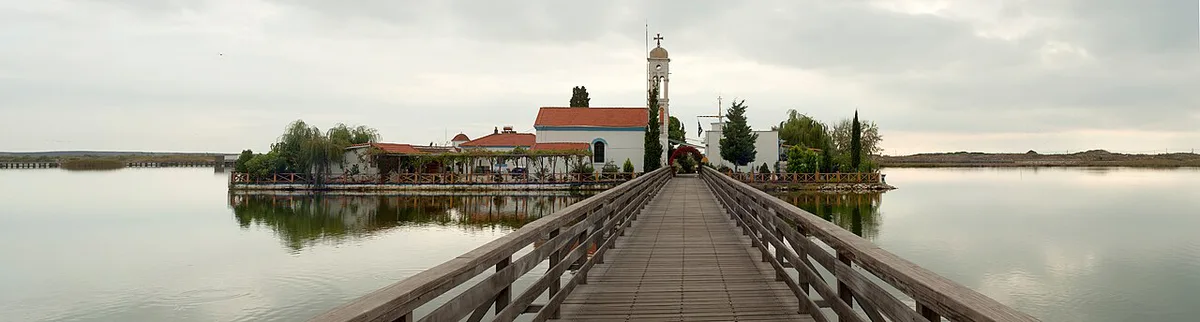
Leros at a glance
Leros sits in the Dodecanese group and reads as a working island rather than a resort. Its appeal is understated: sheltered bays, green hills and a mix of architectural styles, including Italian Rationalist buildings around Lakki. It is not a party island. Expect tavernas and village life instead of clubs. In our editorial assessment, it rewards slow travellers and people adding a stop to a longer route.
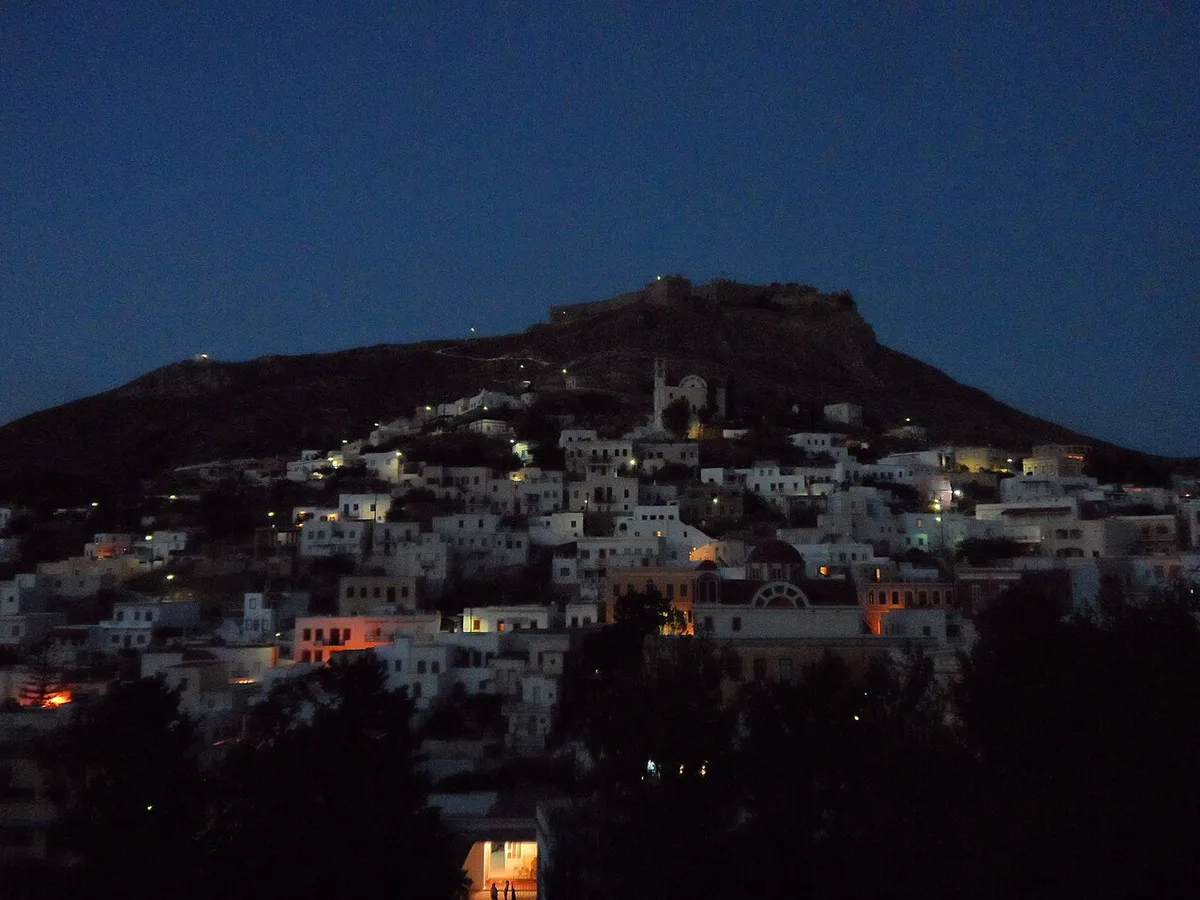
- Best for: quiet travellers, architecture fans, and island-hoppers who want a less crowded stop.
- Skip if: you want big beach resorts, loud nightlife or a long list of headline monuments.
- Suggested stay: two to three nights is our judgement, not an official figure.
- Main places: Lakki, Platanos, Agia Marina, Pandeli and Alinda.
How to get to Leros
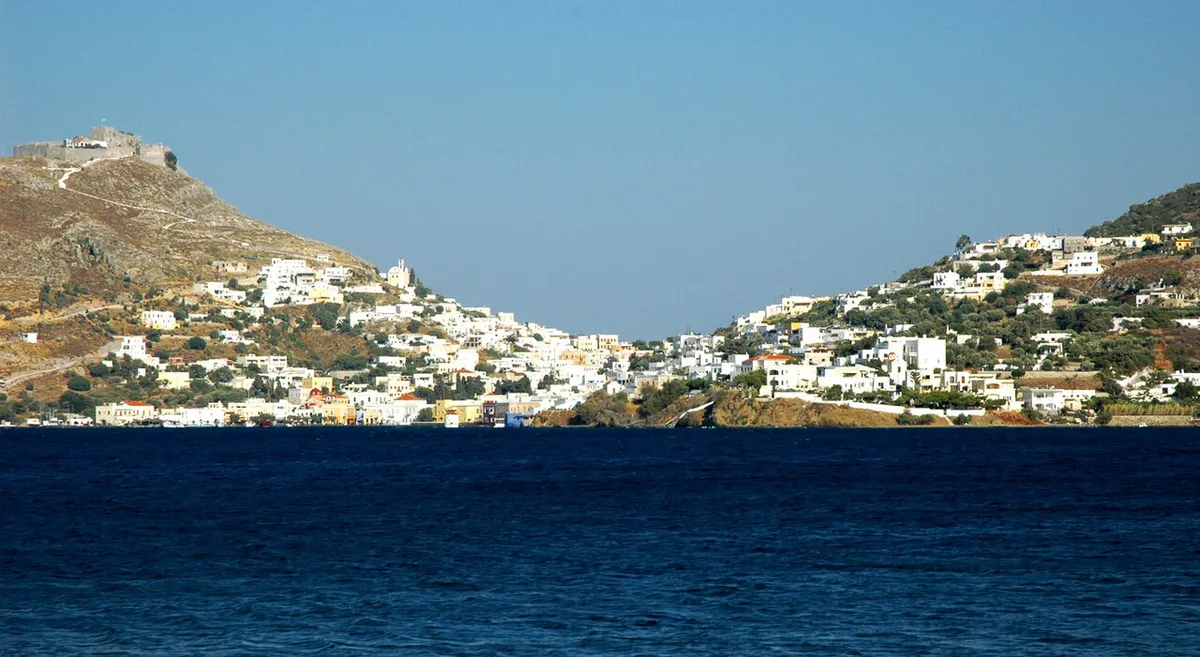
Leros is reached by sea from Piraeus, and by inter-island ferries from Kos and Patmos. Most travellers arrive as part of a Dodecanese loop rather than on a dedicated trip. Ferry frequency changes sharply between summer and winter. Check current routes, operators and timetables on the national ferry information site before booking anything. The island also has a small airport, but flight schedules vary, so confirm current services with the carrier. Because connections are less frequent than on larger islands, allow slack on both ends of your stay. A Dodecanese route plan helps you pick which neighbours to pair with Leros.
Build in 2-3 nights, since winter thins out ferry schedules and a day trip on one return sailing is the mistake to avoid.
Best things to do in Leros
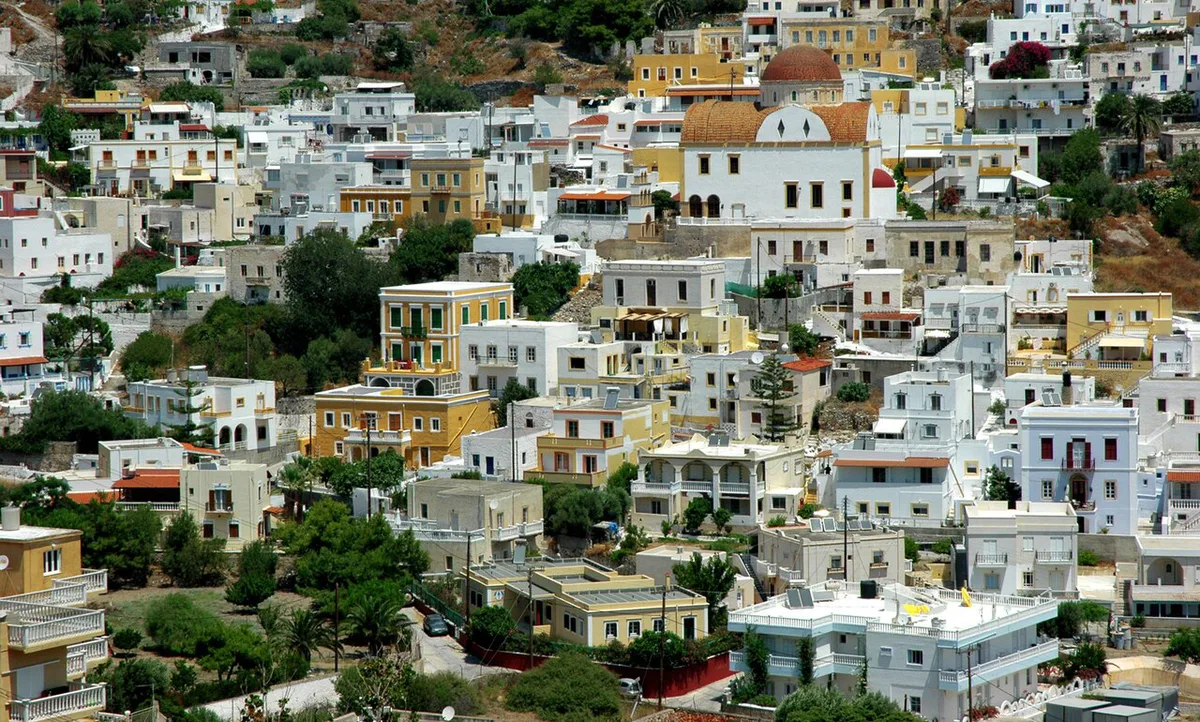
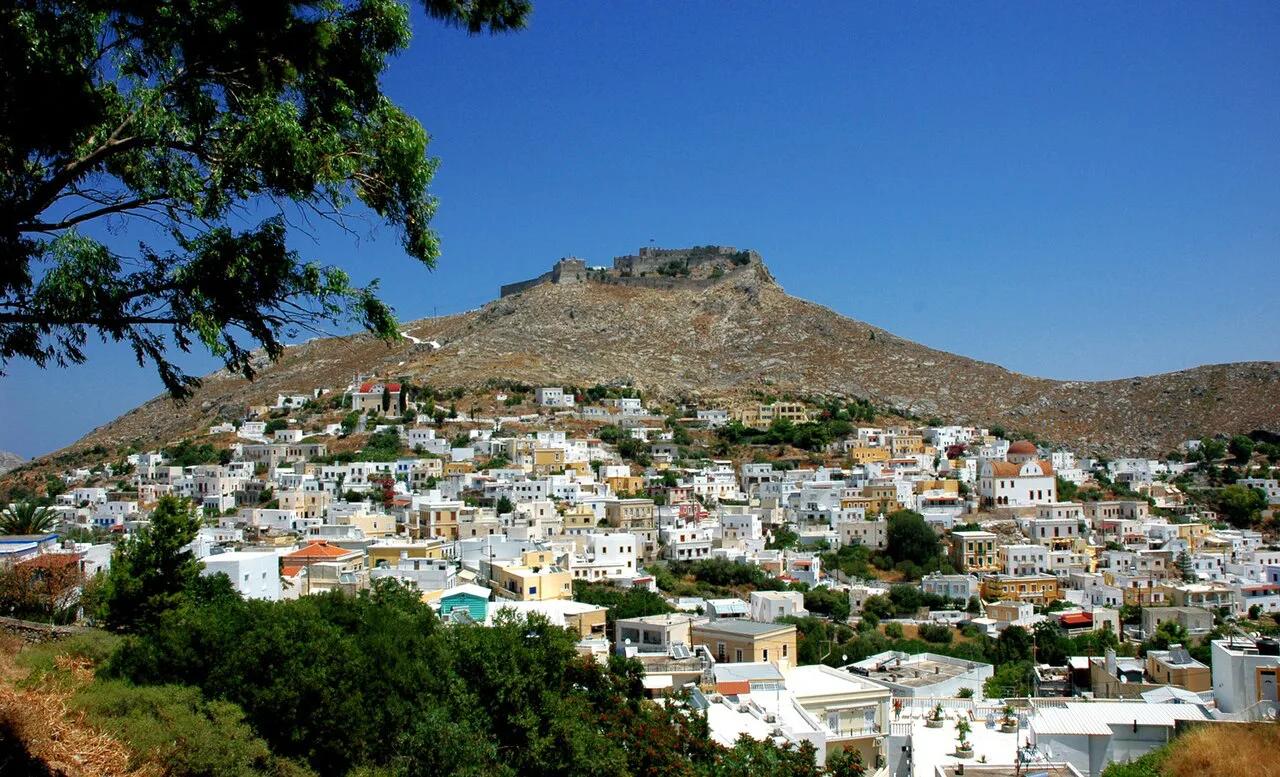
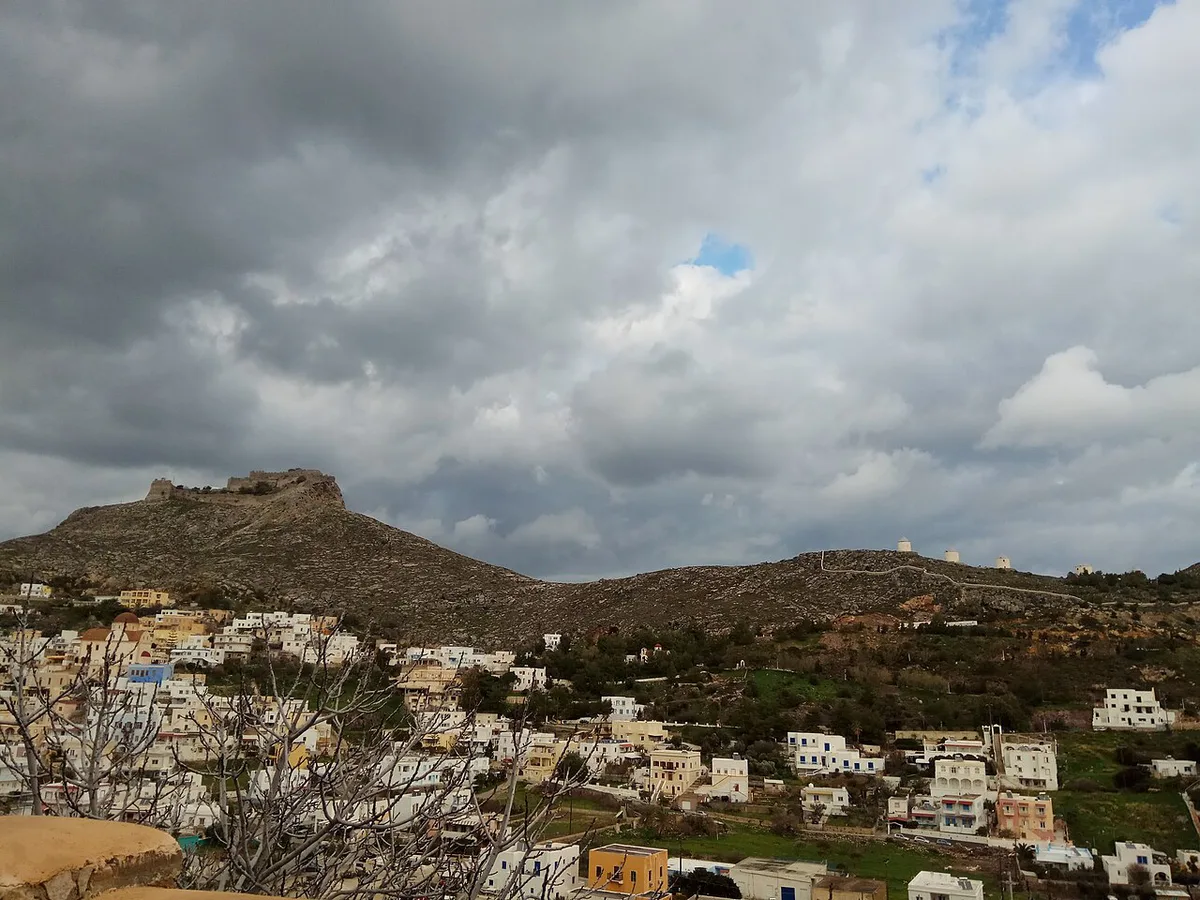
Group your time by area instead of chasing individual sights. Lakki is the best starting point for architecture. Its Italian Rationalist buildings give the island a look you will not find on most Aegean islands. Platanos is the capital and the natural place for a village stroll and a meal. Nearby, the Castle of Panteli and the Bellini Tower give you the history and the views. Agia Marina, Pandeli and Alinda are the waterside villages for swimming, harbour tavernas and slow evenings. The official Visit Greece page on Leros gives a national-tourism overview of the island.
- Architecture: walk Lakki and look for the Rationalist buildings.
- Views and history: Castle of Panteli and Bellini Tower.
- Village time: Platanos for the capital, Agia Marina and Pandeli for harbour life.
- Beach and swim stops: Alinda and the bays around Pandeli.
- If time is short: do Lakki, Platanos and one waterside village, and skip the rest.
Leros history: Italian naval base and the Second World War
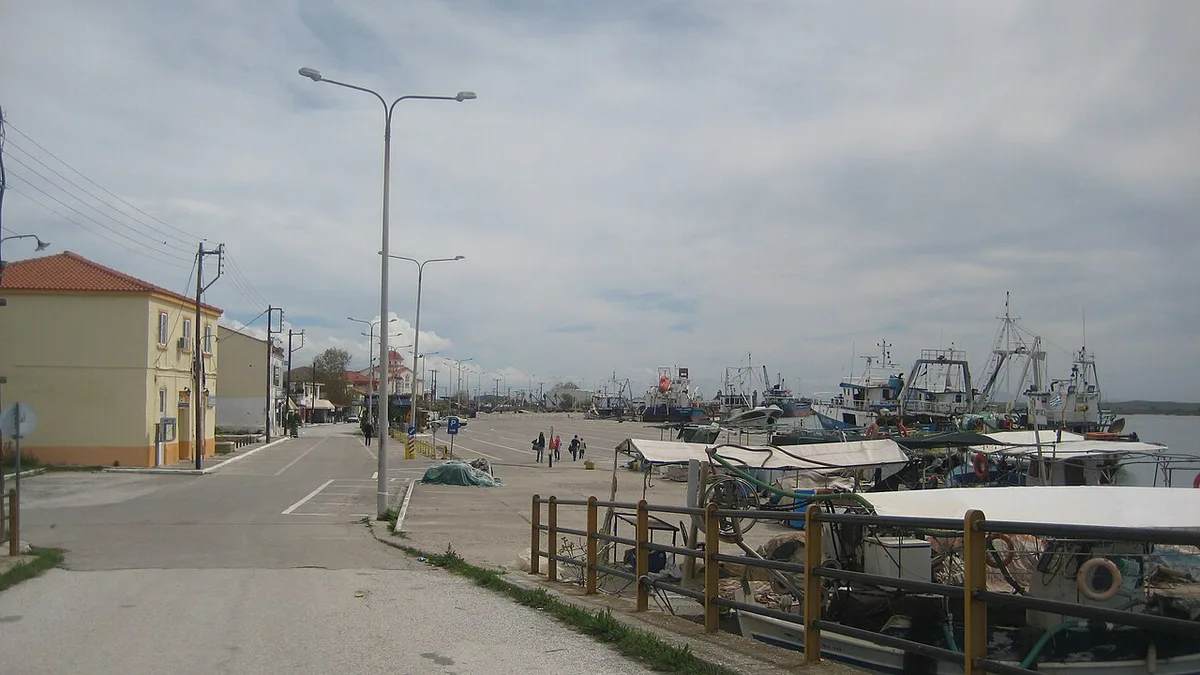
Much of what you see around Lakki makes sense only with a little history. Between the wars, Italy, which then governed the Dodecanese, built a planned naval town here that it called Portolago. The curved, white Rationalist buildings facing the deep natural harbour are what remain of it. Leros was a military island long before it was a tourist one.
The island was fought over heavily in the Second World War. British and Italian garrisons held it until German forces took it after a battle in the autumn of that war. Traces of that period are still visible in the landscape, including tunnels, gun positions and hillside fortifications, and the island treats them as part of its story rather than as attractions.
- Leros War Museum: a small museum covering the battle, with equipment and personal items. Opening days and hours change by season, so confirm locally before planning a visit around it.
- Leros War Cemetery near Alinda: a Commonwealth War Graves Commission site, quiet and well kept, and worth a short stop if you are staying on the east coast.
- Lakki's Italian-era streets: walk the waterfront and the central square to see how the planned layout works, then look for the abandoned and restored buildings behind it.
A later chapter is more sensitive. For several decades in the twentieth century the island housed large state psychiatric institutions, and some of those buildings still stand. Treat them as sites of memory and not as photo stops, and check what is publicly accessible before you go.
This background also explains why Leros feels so different from the neighbouring tourist islands. If you are weighing it against them, the comparison table above shows where it sits, and a half-day spent on the history makes the architecture in Lakki far easier to read.
How to plan your time on Leros
Leros works better as a base or overnight stop than a day trip, because ferry timing leaves little margin. Use the table below as a planning judgement rather than a fixed rule. Pair it with a Patmos island guide or a Lipsi island guide if you want to build a short hop sequence.
| Stay length | What fits | Trade-off |
|---|---|---|
| Day trip | Lakki architecture and one village | Rushed; depends on ferry timing |
| 2-3 nights | Lakki, Platanos, the castle and a waterside village | Our suggested sweet spot |
| Longer base | All main villages plus slow beach days | Needs a plan for getting around |
Where to stay and how to get around
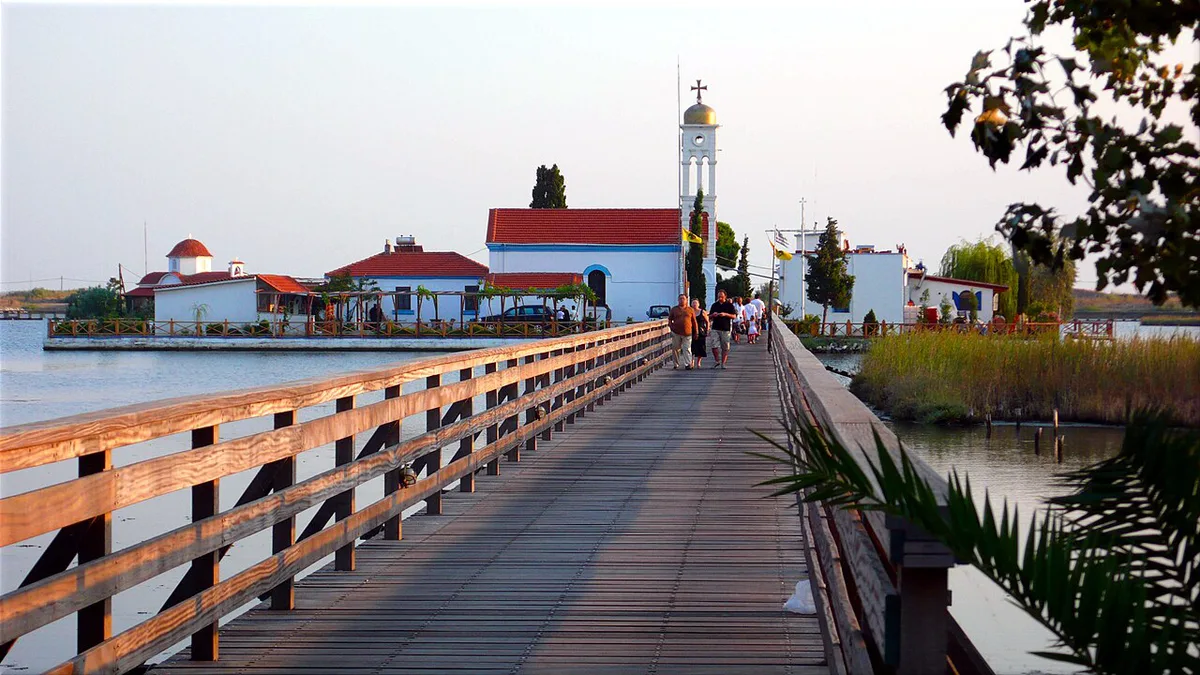
Pick your base by the kind of evening you want. Alinda and Pandeli suit waterfront dinners and swimming. Platanos suits people who prefer a village centre. Agia Marina is convenient for a harbour setting. Lakki suits architecture fans and ferry arrivals. Local transport is limited compared with larger islands, so ask your accommodation about taxis, rental cars or scooters when you book. Confirm any bus service locally, since seasonal schedules shift.
Costs, seasons and practical notes
Leros is generally gentler on budgets than the best-known Dodecanese names, in our editorial assessment. Exact fares and room rates change each season, so check ferry fares on the operator site and room rates directly with your accommodation. Summer has the fullest ferry timetable. Shoulder and winter months bring thinner schedules and some seasonal closures.
- Mistake to avoid: booking onward ferries before checking the current timetable.
- Mistake to avoid: planning a tight day trip with a single return sailing.
- Tip: leave a buffer day before any flight home.
Leros vs nearby islands
Leros trades fame for calm. Use this comparison to decide whether it fits your route. Our Kalymnos island guide covers a neighbour with a different character.
| Island | Character | Pick it if |
|---|---|---|
| Leros | Quiet, architectural, low-key | You want calm and few crowds |
| Patmos | Better known, pilgrimage-minded | You want a headline sight |
| Kalymnos | Larger working island | You want more activity and variety |
| Lipsi | Very small and slow | You want an even quieter stop |
Frequently Asked Questions
What is the capital of Leros?
Platanos is the capital of Leros. Agia Marina and Pandeli sit nearby on the coast.
Does Leros have an airport?
Yes, Leros has a small airport. Flight schedules change by season, so check the current timetable with the carrier.
Is Leros a party island?
No. Leros is quiet and village-oriented, with harbour tavernas rather than clubs.
Is Leros island worth visiting?
Yes, if you like calm bays, Italian Rationalist architecture in Lakki and fewer crowds. Pick a better-known island if you want resort amenities.
Useful notes for your next island trip
Optional updates to our guides.
You might also like
Continue reading
More guides you'll find useful