

8 Islands in Europe: Best Picks by Sea and Trip Type
Compare 8 islands in Europe by sea and trip type. See beach, volcano, hiking and quiet picks, with ferry and flight access and best-season tips.
On this page
Last updated November 2026. The best islands in Europe depend on the sea you want: Santorini and Sardinia in the Mediterranean, Madeira and the Azores in the Atlantic, Texel in the North Sea, and Lofoten in the Arctic. This guide picks 8 islands in Europe, compares them in one table and shows how to match each to your trip. For a size-based list, see our guide to the Largest Islands in Europe: Ranked by Area (and Which to Visit).

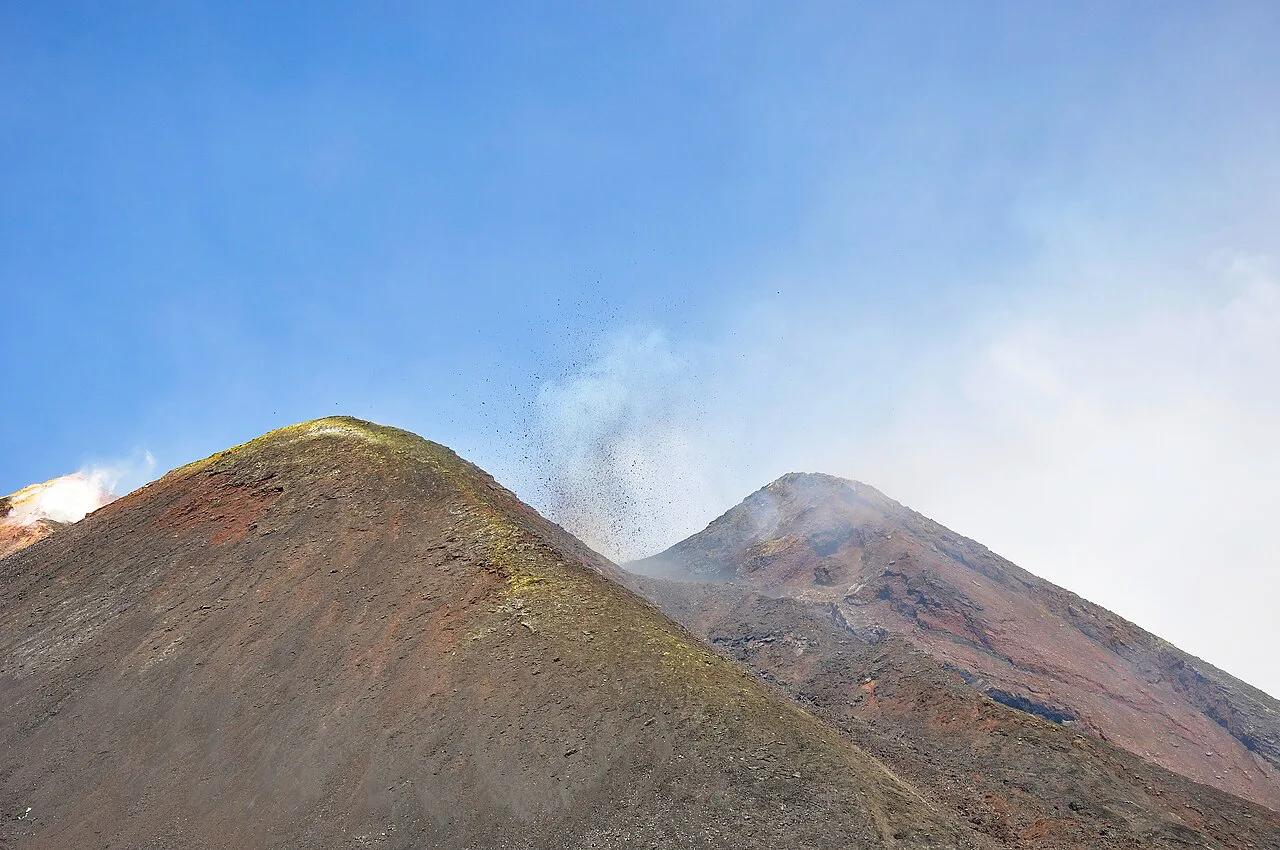
Featured image: Norbert Nagel, CC BY-SA 3.0, via Wikimedia Commons.
8 Islands in Europe, Grouped by Sea and Trip Type
Each pick below has a distinct reason to go and a clear trade-off. Cost levels are relative and were checked in November 2026. Picks run from the Mediterranean to the Arctic, so you can compare very different trips.
1. Santorini, Greece (Aegean Sea)
Santorini sits on the rim of a massive active volcano, and the caldera view is the reason most people come. Its sunsets and clear water make it a favorite for couples and weddings. Spend a night or two in Fira or Oia, then move on to a quieter Cycladic island.
Ferries and flights both serve the island, and the official Visit Greece islands page is the place to start for routes. Skip it if you dislike crowds or want a cheap trip, because summer pressure and prices are the trade-off.
2. Menorca, Spain (Balearic Islands)
Menorca is the easternmost Balearic island and is often treated as the calmer alternative to Mallorca and Ibiza. Many people from Barcelona see it as a quiet escape, while most tourists stay on Mallorca. It suits beach days, coastal walking and slow village stops.
Fly in or take a ferry from the Spanish mainland or neighboring islands. Skip it if you want nightlife, since Ibiza is the island for clubs.
3. Sardinia, Italy (western Mediterranean)
Sardinia is a large island with a long history of Phoenician, Carthaginian, Roman, Byzantine, Spanish and Piedmontese rule. That layered past sits alongside sandy beaches that rank among the Mediterranean's best. Plan on renting a car, because distances between coves and towns are long.
Give it a full week rather than a weekend. Skip it if you only have a few days or do not want to drive.
4. Vis, Croatia (Adriatic Sea)
Vis is a quiet Croatian island that keeps a reserved, local feel away from the busier Hvar. It earns its place as a lesser-known pick for swimming, boat trips and long lunches. Reach it by ferry from the Croatian coast, and expect limited services outside summer.
Pair it with Lastovo or Mljet if you want a calm island-hopping route. Skip it if you need nightlife, big hotels or frequent transport.
5. Madeira, Portugal (Atlantic Ocean)
Madeira is a volcanic Atlantic island with a subtropical climate, dramatic cliffs and steep hiking trails. Its beaches are limited, and the best sand is on neighboring Porto Santo. Use the official Madeira tourism site for trails, seasons and access.
It works well in shoulder months, when walking is more comfortable than in peak summer. Skip it if a classic beach holiday is your main goal.
6. São Miguel, Azores, Portugal (Atlantic Ocean)
São Miguel is the most visited island in the Azores and the easiest base for first-timers. Expect volcanic cones, crater lakes, green hills and Japanese cedar forests. Terceira is the second most popular island if you add a second stop.
Bring layers and rain gear, because Atlantic weather changes fast. Skip it if you want guaranteed sun and a long sandy beach.
7. Texel, Netherlands (North Sea, Wadden)
Texel is a Wadden island with dunes, wide beaches and cycling routes. Its sibling Vlieland is wilder and more refined, while Texel is the easier first stop. Take a ferry from the Dutch mainland and plan around the timetable.
Cooler, breezier weather suits walkers and cyclists more than sunbathers. Skip it if you want warm swimming water.
8. Lofoten, Norway (Norwegian Sea)
Lofoten lies beyond the Arctic Circle and is known for steep peaks, fishing villages and hiking. It is one of the best choices for dramatic scenery rather than beaches. Senja is a nearby Norwegian island if you want fewer visitors.
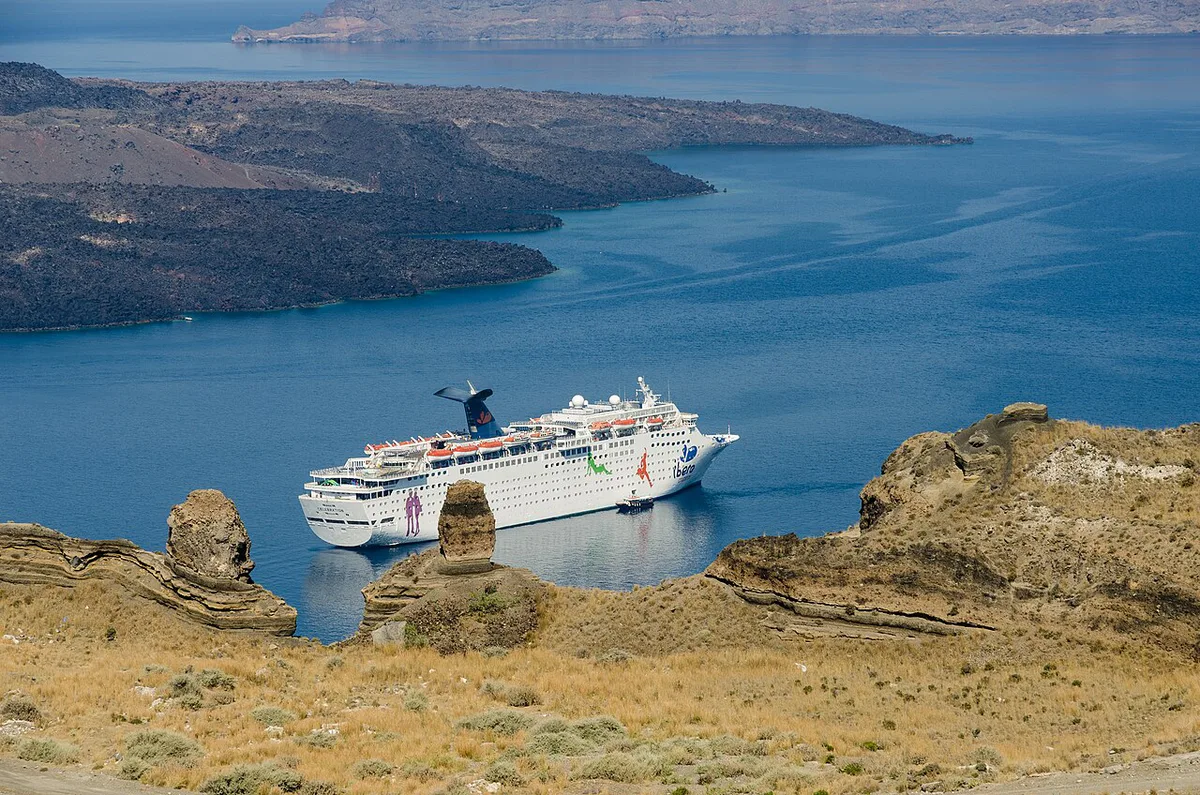
Winter brings dark days, so match your trip to daylight and weather. Skip it if you want warm weather, cheap meals or a beach trip.
Islands in Europe at a Glance
This table compares the 8 picks. Cost levels are our editorial assessment, not published prices.
| Island | Country | Sea | Best for | Relative cost |
|---|---|---|---|---|
| Santorini | Greece | Aegean | Views, couples | Premium |
| Menorca | Spain | Mediterranean | Quiet beaches | Mid to premium |
| Sardinia | Italy | Mediterranean | Beaches, road trips | Mid |
| Vis | Croatia | Adriatic | Quiet escape | Mid |
| Madeira | Portugal | Atlantic | Hiking, mild climate | Mid |
| São Miguel | Portugal (Azores) | Atlantic | Volcanic scenery | Mid |
| Texel | Netherlands | North Sea | Cycling, dunes | Mid |
| Lofoten | Norway | Norwegian Sea | Arctic hiking | Premium |
How to Choose Among Islands in Europe
Start with the trip type, then check access. For beaches, look at Sardinia and Menorca. For hiking and volcanic scenery, choose Madeira, the Azores or Lofoten. For a quiet escape, try Vis or Texel. Our 8 Best Mediterranean Islands: Choose by Trip Type guide narrows the warm-water options further, and the ranked shortlist of European islands covers a wider set.
Mediterranean Islands: Where the Crowds Gather
The Mediterranean holds the busiest group, split between Spain's Balearics, Italy, Greece, Croatia and Malta. Greece suits island-hopping, Italy suits food and big islands, and Croatia suits sailing and small ferries. Browse the full set in our Mediterranean islands guide. Other well-known names include Ibiza, Mallorca, Corsica, Crete, Rhodes, Corfu and Malta.
Getting There and Around
Large islands usually have airports, while small ones rely on ferries. Small islands such as Vis and Texel run to timetables, and services can thin out outside summer. Book peak-season ferries early and leave a buffer on your return day. Choose one base for a short trip. Island-hop only when you have a week or more and the ferry links are direct.
When to Go and What It Costs
Summer brings the biggest crowds, the highest prices and the most heat in the Mediterranean. Shoulder months suit Madeira, the Azores and walking trips. Arctic islands such as Lofoten need planning around daylight. As a rule, Santorini and Lofoten sit at the premium end, while Sardinia, Vis and Texel are mid-range.
What Counts as Europe, and Common Mistakes
Cyprus is geographically in Asia but politically European. Iceland and Greenland are politically and culturally tied to Europe, though Greenland sits on the North American continent. Lampedusa is geographically African. Common mistakes include booking ferries late, assuming small islands have year-round services and underestimating transfer time from the mainland.
Frequently Asked Questions
What are the 10 biggest islands in Europe?
Size rankings depend on how you define Europe, since Iceland and Cyprus are edge cases. Our guide to the Largest Islands in Europe: Ranked by Area (and Which to Visit) lists them by area.
Which European countries are islands?
Iceland, Ireland, Malta and Cyprus are island countries. Cyprus is geographically in Asia but politically European. The United Kingdom also occupies islands, including Great Britain.
What is the prettiest island in Europe?
That is a matter of taste. Santorini is known for its caldera, Madeira for cliffs and trails, and Lofoten for Arctic peaks. Pick by the landscape you want.
Explore More Guides
Keep planning your trip with these guides.
Guides
Useful notes for your next island trip
Optional updates to our guides.
You might also like

Continue reading
More guides you'll find useful