
Largest Islands in Europe: Ranked by Area (and Which to Visit)
Europe's largest islands ranked by land area, with a clear size table and practical notes on getting there, when to go, and which suit your trip.
On this page
Last updated November 2026: the largest islands in Europe, ranked by land area, start with Great Britain at 229,900 km², then Iceland and Ireland. This guide gives the full ranking, the Europe boundary caveats, and a short note on who each island suits. For a broader overview, start with our guide to islands in Europe.
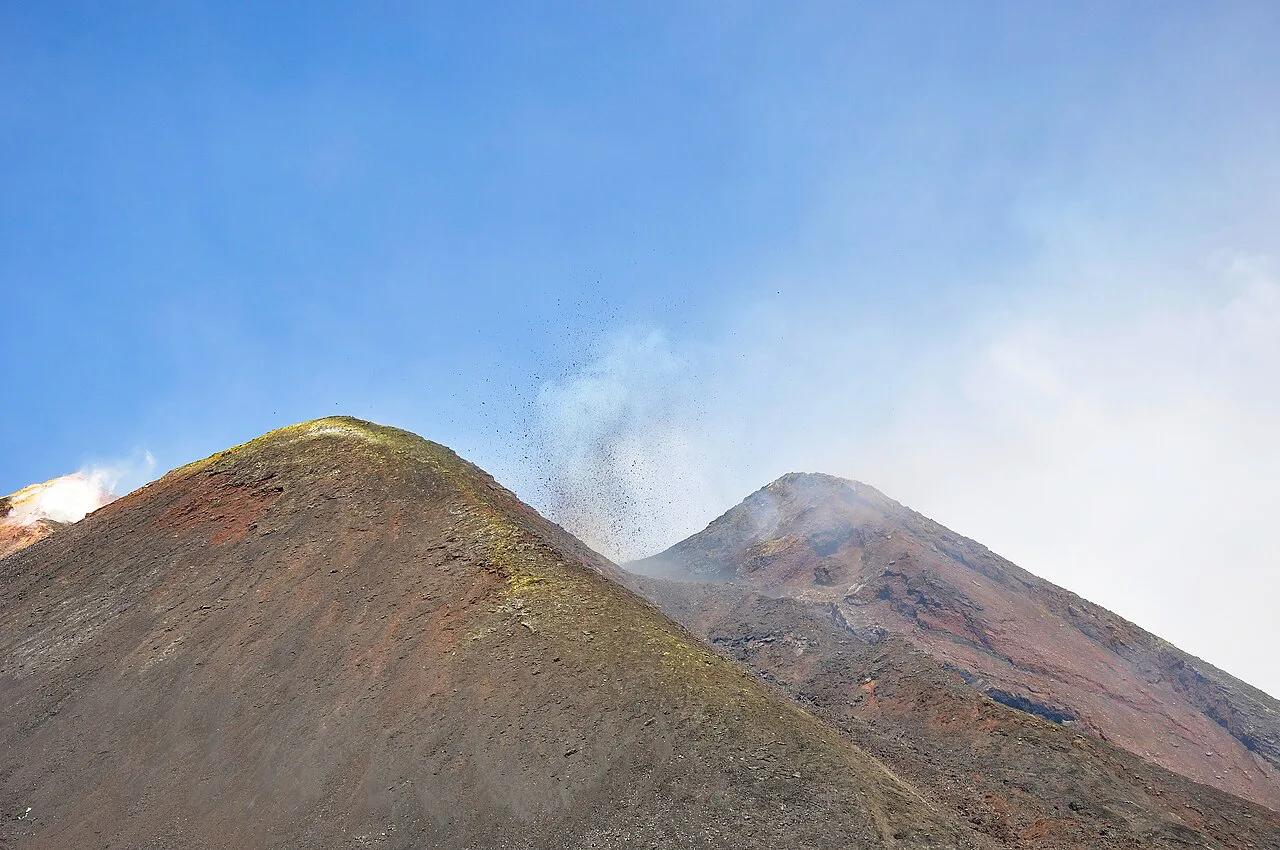
Featured image: Walter Isack (isiwal), CC BY-SA 3.0 Austria, via Wikimedia Commons.
Largest Islands in Europe at a Glance
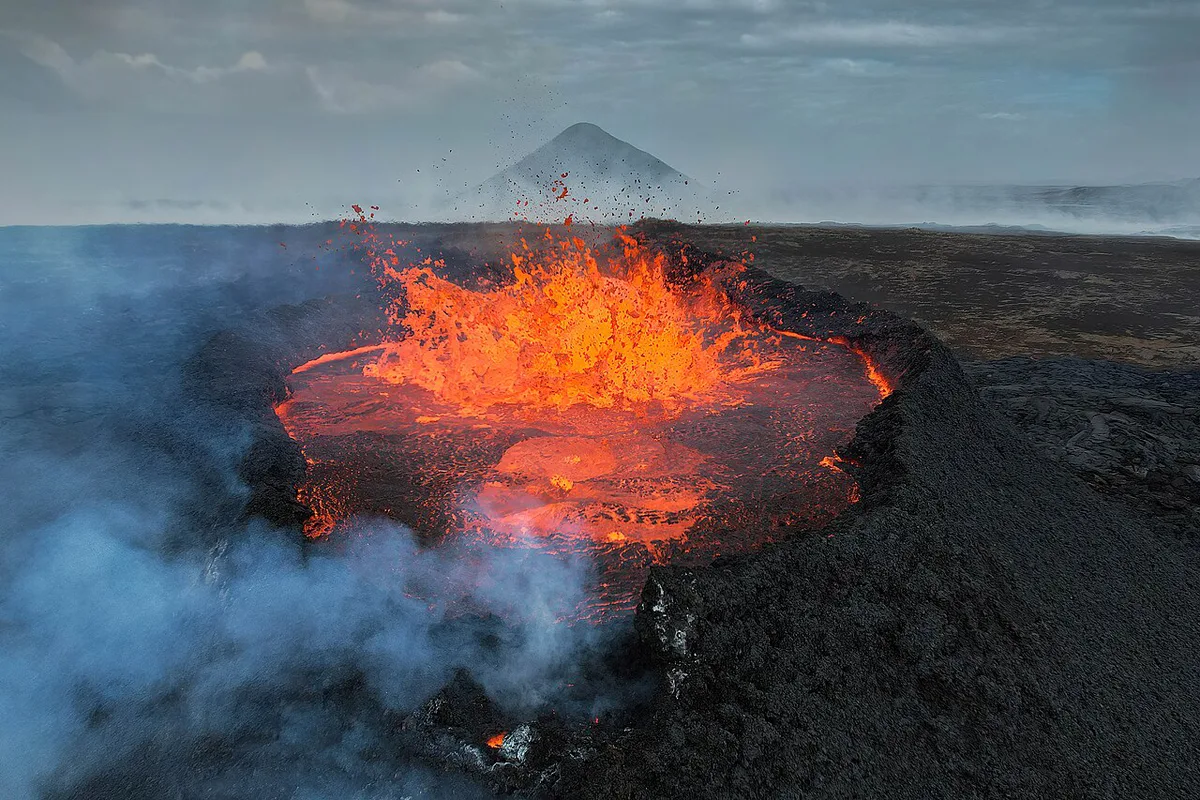
Great Britain is the largest island in Europe, followed by Iceland and Ireland. Great Britain covers 229,900 km² (88,700 mi²). Iceland covers 103,000 km² (39,800 mi²), and Ireland covers 84,400 km² (32,600 mi²). Spitsbergen, Sicily, Sardinia, Cyprus, Corsica and Crete complete the list of nine.
| Rank | Island | Area (km² / mi²) | Country or countries | Visitor-ready? |
|---|---|---|---|---|
| 1 | Great Britain | 229,900 / 88,700 | United Kingdom | Yes: dense road, rail and air links |
| 2 | Iceland | 103,000 / 39,800 | Iceland | Yes, but season shapes what you can do |
| 3 | Ireland | 84,400 / 32,600 | Republic of Ireland and Northern Ireland (UK) | Yes: road trips and ferries from Great Britain |
| 4 | Spitsbergen | Larger than Sicily | Norway (Svalbard) | Arctic: seasonal and costly |
| 5 | Sicily | 25,700 / 9,900 | Italy | Yes: Mediterranean classic |
| 6 | Sardinia | 24,090 / 9,300 | Italy | Yes: best with a car |
| 7 | Cyprus | Smaller than Sardinia | Republic of Cyprus (plus a separate northern administration) | Yes: flights and ferries vary by route |
| 8 | Corsica | Smaller than Cyprus | France | Yes: mountainous interior |
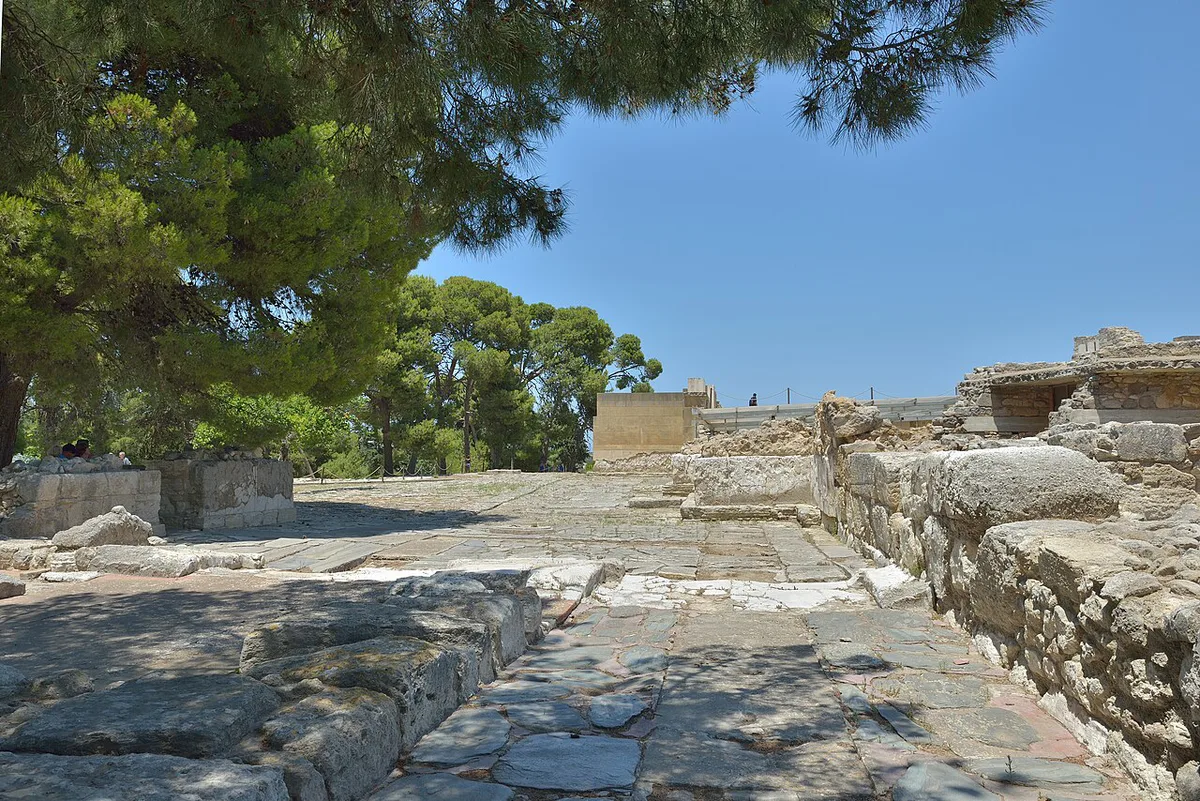
| 9 | Crete | Smaller than Corsica | Greece | Yes: largest Greek island |
How We Ranked Them (and What Counts as Europe)
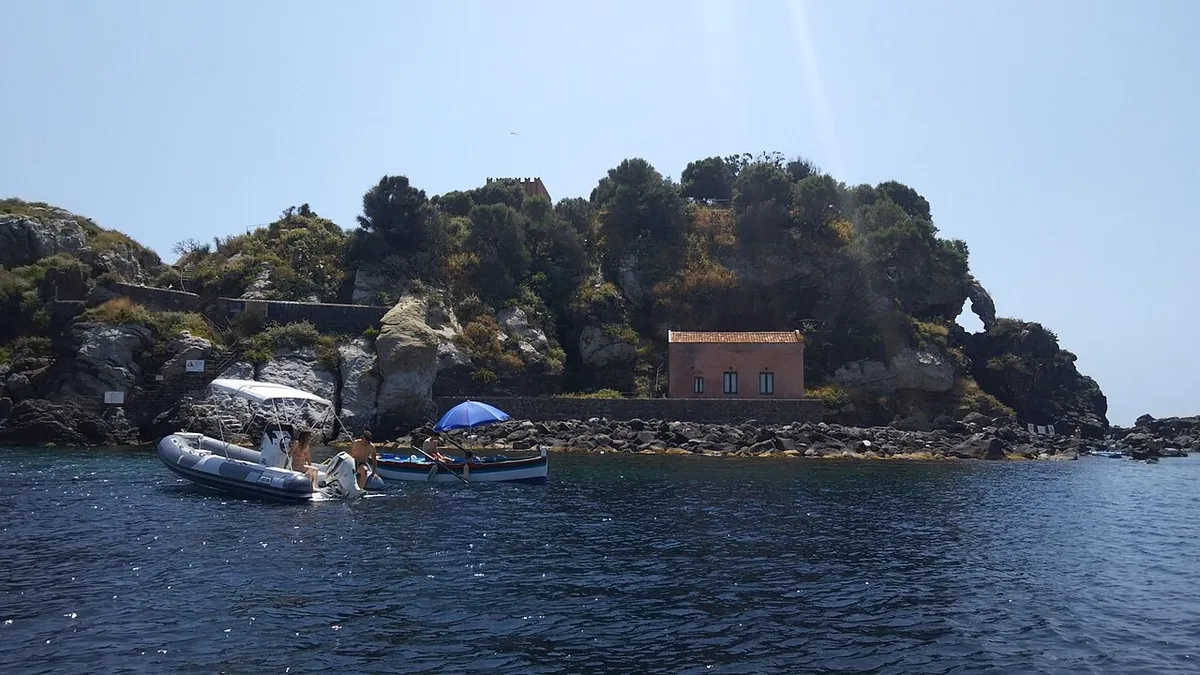
Ranking here uses land area, not population or visitor numbers. Figures are given in square kilometres and square miles, and sources differ slightly in rounding. Great Britain and Ireland are separate islands, so the UK and Ireland split is political rather than an island split. Novaya Zemlya (48,200 km², or 18,600 mi²) would rank fourth by area. It sits in the Russian Arctic and is not a practical visitor destination, so it is left out of the visiting notes. Iceland and Spitsbergen are usually counted as European in travel terms. Cyprus is an EU member but geographically sits closer to Asia, which is why some lists omit it. Greenland is geographically North American and politically tied to Denmark, so it is not ranked here.
Top Islands Worth Visiting, and Who They Suit
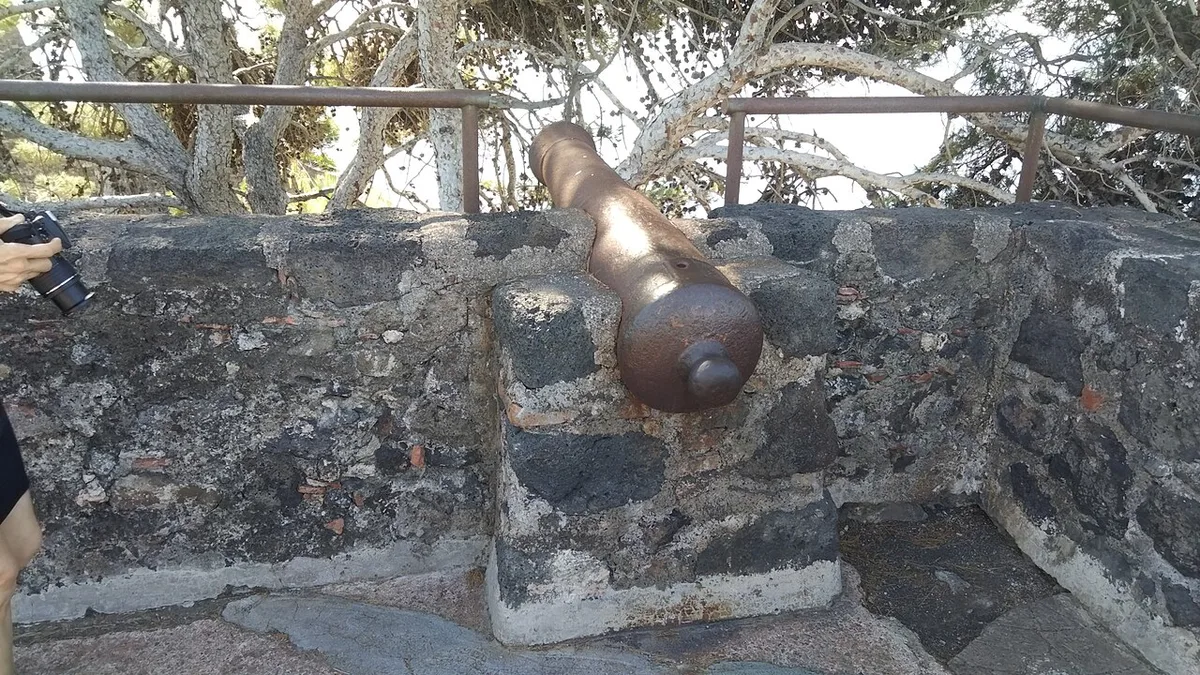
Each island rewards a different kind of trip. Use these notes to match size to your time.
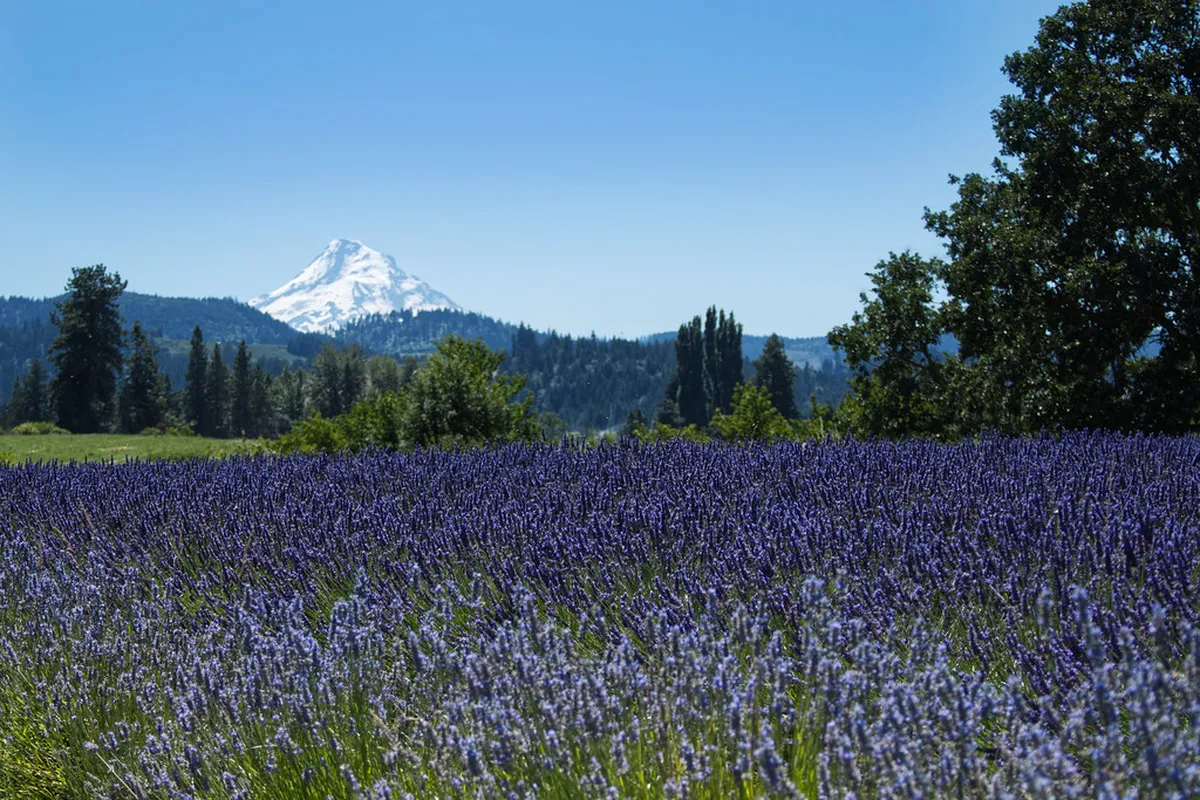
- Great Britain (229,900 km²): suits first-time visitors who want cities, coast and rail travel in one trip. Skip it if you want one quiet island base.
- Iceland (103,000 km²): suits road-trippers who want volcanic and glacial landscapes. Visit the official Visit Iceland tourism board for current planning. Skip it on a tight budget, as costs run higher than on most Mediterranean islands.
- Ireland (84,400 km²): suits drivers who want small towns and coastal routes. Allow time, because rural roads are slower than the map suggests.
- Spitsbergen: suits travellers after polar wildlife and Arctic scenery. Skip it if you want independent, low-cost travel.
- Sicily (25,700 km²): suits food, archaeology and volcano-watching. Read the Italian national tourism guide for regional detail. Pair it with our Mediterranean islands overview.
- Sardinia (24,090 km²): suits beach and coastal driving trips. It is hard to enjoy without a car, so budget for hire.
- Cyprus: suits a long-season sun trip with ancient sites. Check which parts of the island your route covers, since access differs between the two administrations.
- Corsica: suits hikers, with mountains rising close to the coast.
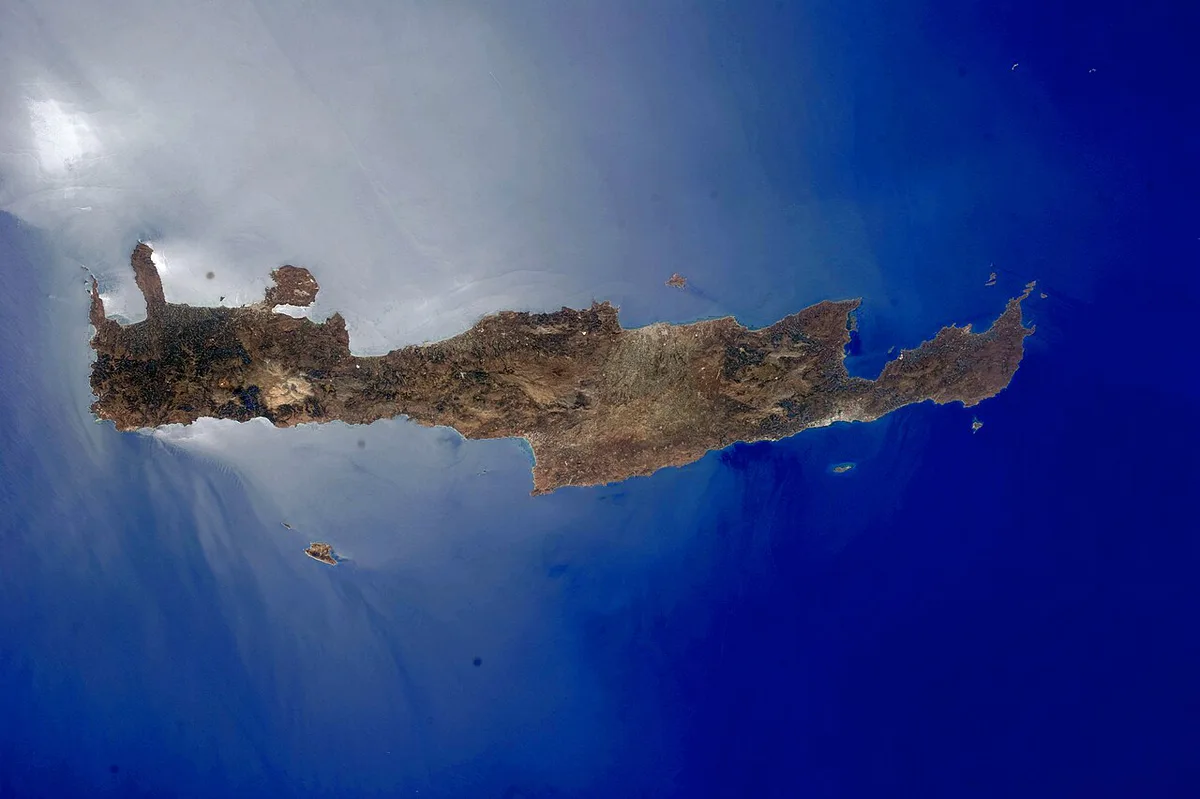
- Crete: suits travellers who want beaches, gorges and history on one Greek island. Distances between its east and west ends are long, so base in two places.
Biggest vs Best: Size Is a Poor Proxy for Trip Quality
Size tells you how much ground there is, not how good a trip will be. A 229,900 km² island like Great Britain needs choices, while a 24,090 km² island like Sardinia can be explored in a week. When you move from size to quality, our Best Islands in Europe: 12 Picks by Trip Style picks are a better filter. The comparison below uses relative terms only.
| Island type | Examples | Season | Access | Cost level |
|---|---|---|---|---|
| Mediterranean | Sicily, Sardinia, Cyprus, Corsica, Crete | Long, with a summer peak | Flights and ferries; car hire useful | Moderate, higher in peak summer |
| Atlantic | Great Britain, Ireland, Iceland | Summer is easiest; Iceland is most weather-dependent | Flights, ferries, roads and bridges | Moderate to higher |
| Arctic | Spitsbergen | Short, with strong seasonal limits | Flights and organised travel | Higher |

How to Get There and Get Around
Access depends on island type. Great Britain and Ireland have the densest networks, with flights, ferries and long-distance roads between them. Iceland and Spitsbergen are mostly reached by air. Mediterranean islands combine flights with ferry links from mainland ports. Sicily and Sardinia are far larger than they look on a map, so a car is the practical choice for covering more than one area. Ferry timetables and fares change by season, so check the operator's site for your date.
Sardinia at 24,090 km² can be explored in a week, so budget for hire from the start.
When to Go
Mediterranean islands such as Sicily, Crete and Cyprus suit spring and autumn if you want walking weather. Summer is hottest and busiest. For Mediterranean planning by island, see our 8 Best Mediterranean Islands: Choose by Trip Type list. Atlantic islands are most reliable in summer, though Iceland also draws winter visitors who accept shorter days. Spitsbergen is the most seasonal of the nine, so book its trips around the Arctic light conditions you want.
Common Mistakes to Avoid
Three errors catch most visitors. First, confusing the largest islands with the most visited ones. Second, underestimating distances: an island of 84,400 km² such as Ireland takes days, not hours, to cross by scenic roads. Third, assuming year-round ferry service, because many routes thin out in winter.
Novaya Zemlya at 48,200 km² would rank fourth by size, but it is left out of visiting notes, so size alone is not a trip plan.
Frequently Asked Questions
What are the 10 largest islands in Europe?
By area, the nine on this list are Great Britain, Iceland, Ireland, Spitsbergen, Sicily, Sardinia, Cyprus, Corsica and Crete. Adding Novaya Zemlya, which has 48,200 km², makes ten.
What are the top 3 biggest islands?
In Europe, the top three are Great Britain, Iceland and Ireland. Their areas are 229,900 km², 103,000 km² and 84,400 km².
Can you give me a list of islands in the Mediterranean?
The largest are Sicily, Sardinia, Cyprus, Corsica and Crete. Sicily and Sardinia are the two biggest, at 25,700 km² and 24,090 km².
Useful notes for your next island trip
Optional updates to our guides.
You might also like


Continue reading
More guides you'll find useful