Isle of Man Travel Guide: Plan Your Trip
The Isle of Man is a British Crown Dependency, not part of the UK. Plan getting there, the best time to visit, where to stay and how long to stay.
On this page
Last updated November 2026: the Isle of Man is a self-governing British Crown Dependency in the Irish Sea, and it is not part of the UK. Plan on a ferry or a short flight, then three heritage railways, two medieval castles and a long coastline of walking trails. Our guide covers how to reach the island, when to go, where to base yourself and how many days to give it.
Featured image: chris.rycroft, CC BY 2.0, via Flickr.
Isle of Man travel guide: what it is and who should go
The island sits between Great Britain and Ireland and covers 574 km² (222 sq mi). Its highest point reaches 620 m (2,030 ft), and Douglas is the capital and largest town. Tynwald, the island's own parliament, makes its laws, while the UK government handles defence and represents the island abroad. Our explainer on whether the Isle of Man is part of the UK covers the constitutional detail. Visit Isle of Man says the island is reachable from the UK and Ireland in as little as 30 minutes. Wikipedia's 2025 estimate puts the population at 84,975, so the island feels spacious outside Douglas.
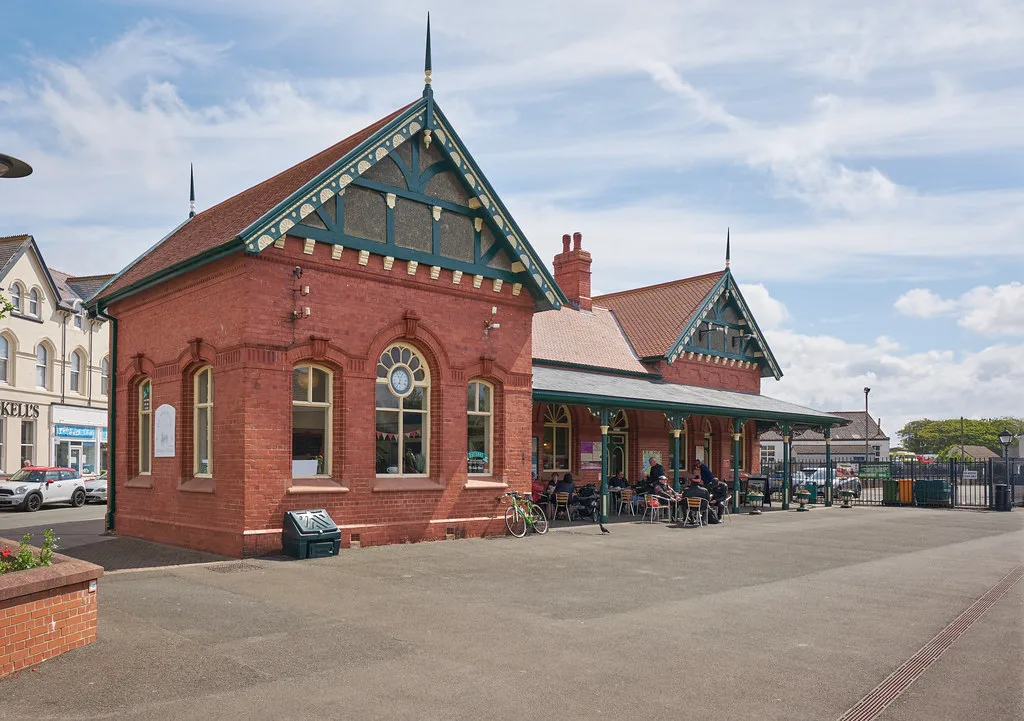
- Go if you like walking, heritage railways, castles, wildlife or dark skies.
- Go if you follow motorsport and want to see the TT Races in person.
- Skip if you want beach resorts, guaranteed sun or a trip under two days.
- Skip if you want nightlife outside Douglas.
Getting to the Isle of Man and getting around
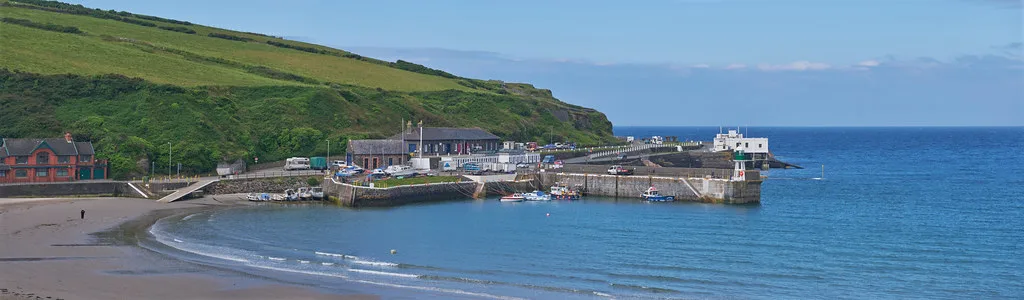
Two routes carry most visitors: the ferry to Douglas and a flight. The Isle of Man Steam Packet Company is the long-standing ferry link. Our dedicated Isle of Man ferry guide goes deeper on sailings. Check routes, schedules and fares on the Steam Packet booking site, because winter timetables can differ from summer ones. Once on the island, the three heritage railways and local buses cover the main sights. A car helps for remote glens and the west coast, and driving is on the left.
| Option | Best for | Trade-off |
|---|---|---|
| Ferry to Douglas | Taking your own car, luggage or bikes | Longer crossing, and sailings can change in winter |
| Flight | Short breaks and the fastest arrival, from as little as 30 minutes | Little luggage flexibility; hire a car on arrival |
| Fly-drive | Visitors who want a car without paying for a crossing | Book car hire early, especially for TT fortnight |
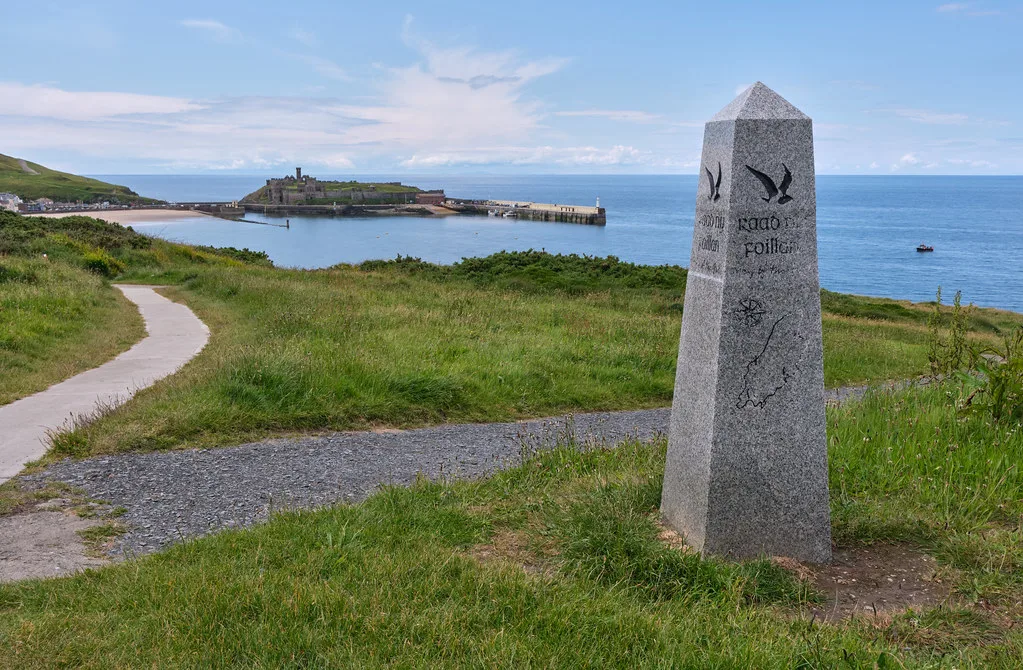
Best things to do on the Isle of Man
Group your days by interest instead of racing round a flat list. Heritage fans can anchor a day on Castletown, Peel or Laxey. Nature lovers can head for the coast, the glens and the boat trips. Visit Isle of Man also lists castles, wildlife viewing spots, walking, cycling and golf as the main categories.
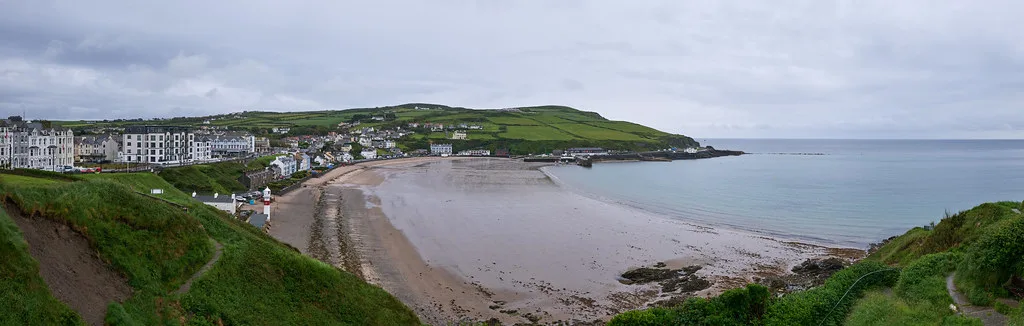
- Castle Rushen in Castletown: a medieval fortress, and Robert the Bruce besieged it for five weeks in 1313.
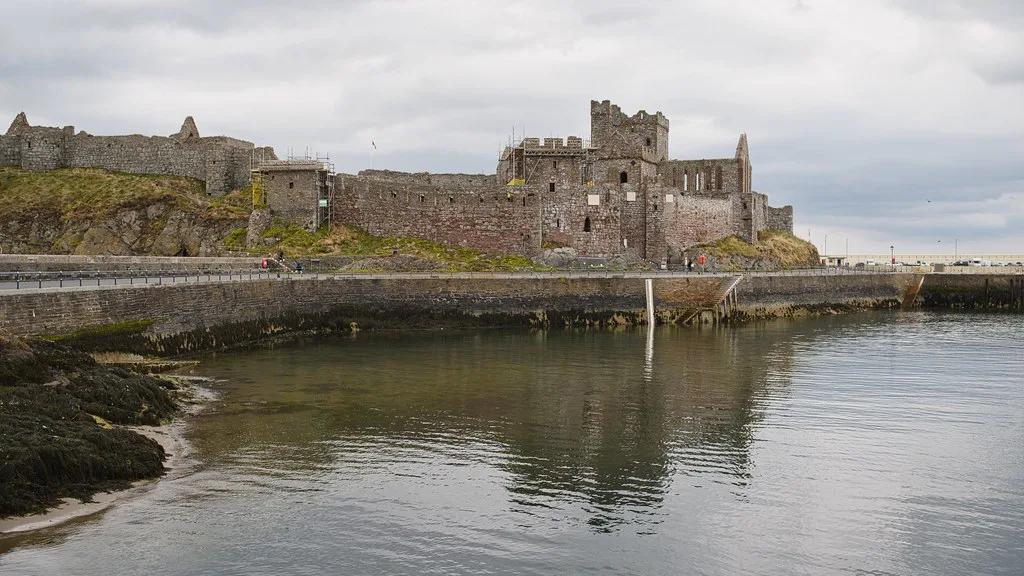
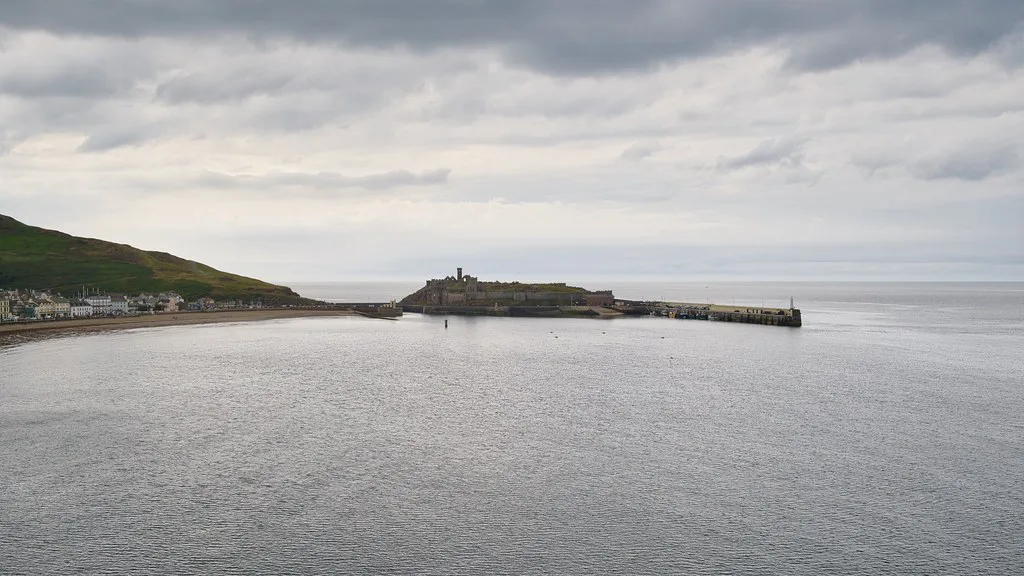
- Peel Castle on St Patrick's Isle: once the seat of the Norse-Gaelic kings, with the House of Manannan museum in town.
- Laxey Wheel: built in 1854 and 72 ft in diameter, it was made to pump water from lead mines.
- Isle of Man Steam Railway, Manx Electric Railway and Snaefell Mountain Railway: three lines built as tourism grew.
- Calf of Man and boat trips: wildlife viewing and coastal scenery around the south-west tip.
- Tynwald Hill: the annual ceremony is usually held on 5 July, when new laws are announced.
When to visit the Isle of Man
The TT Races run on public roads in May and June, and the full mountain course is 37.73 miles. Expect closures, packed ferries and early-booked beds in that window. Autumn brings Hop Tu Naa and the island's Manx Loaghtan lamb and queenies. Winter suits dark-sky stargazing, since the official tourism site claims the largest concentration of Official Dark Skies sites in the British Isles. Summer adds events such as the World Championship Tin Bath Races, and Visit Isle of Man advertises 25% off selected Steam Packet ferry and accommodation packages in autumn and winter.
| Season | Pros | Cons |
|---|---|---|
| TT, May to June | Racing spectacle, packed events calendar | Road closures, crowds, heavy booking pressure |
| Summer | Outdoor activities, water sports, events | Busier ferries and beds |
| Autumn | Hop Tu Naa, local food, glens in colour | Some seasonal closures possible |
| Winter | Dark skies, quiet walks, lower demand | Fewer sailings and attractions |
How long to stay: 2-day, 4-day and week plans
A weekend works only if you accept a narrow slice. Four days lets you link the main castles and railways. A week suits walkers who want the quieter west and north.
- 2 days: Douglas, a ride on the Manx Electric Railway and the Laxey Wheel. You drop Peel, Castletown and any boat trip.
- 3 to 4 days: add Castle Rushen at Castletown and Peel Castle with the House of Manannan. You still skip long coastal walks.
- 7 days: add the Snaefell Mountain Railway, glen walks, wildlife trips towards the Calf of Man and a dark-sky evening.
Costs, tickets and opening hours
Budget around four items: ferry or flight, car hire, railway tickets and accommodation. Prices and hours were checked November 2026, and none of these are fixed on this page because fares and timetables move by season. Ferry fares and any package deals sit on the Steam Packet site. Heritage railway and castle opening hours are posted by the operators and Manx National Heritage. Autumn and winter packages can lower the transport bill, so compare them with a summer or TT booking before you commit.
25% off selected Steam Packet ferry and accommodation packages in autumn and winter is worth comparing with a TT-week booking.
Where to stay
Douglas is the capital, the largest town and the ferry port, so it makes the easiest first base. Castletown suits a quieter stay near Castle Rushen. Peel puts you beside Peel Castle and the House of Manannan. The Laxey side puts the wheel and the Manx Electric Railway on your doorstep. Pick by transport access and atmosphere, then check the base against your rail days.
A Laxey base puts you beside a wheel built in 1854 and 72 ft in diameter, which pumped water from lead mines.
| Base | Suits | Trade-off |
|---|---|---|
| Douglas | First-timers, ferry arrivals, evenings out | Busiest town, less rural |
| Castletown | Castle visits, quiet evenings | Fewer late options |
| Peel | Castle and museum days | Further from the railways |
| Laxey and north | Wheel, railways, walks | A car or timetable planning helps |
Practical notes for visiting the Isle of Man
Sterling is used, and the Manx pound has its own notes and coins too. Postcodes run from IM1 to IM99, and the calling code is +44. Mains power is 240 V at 50 Hz. Official languages are English and Manx, and English is what you will hear day to day. Entry rules, mobile roaming and healthcare depend on where you travel from, so read the Isle of Man Government's travel pages before you book. Mistakes to avoid: arriving in TT week without a booking, assuming UK services apply everywhere, and skipping a car for remote glens.
Isle of Man versus other UK islands
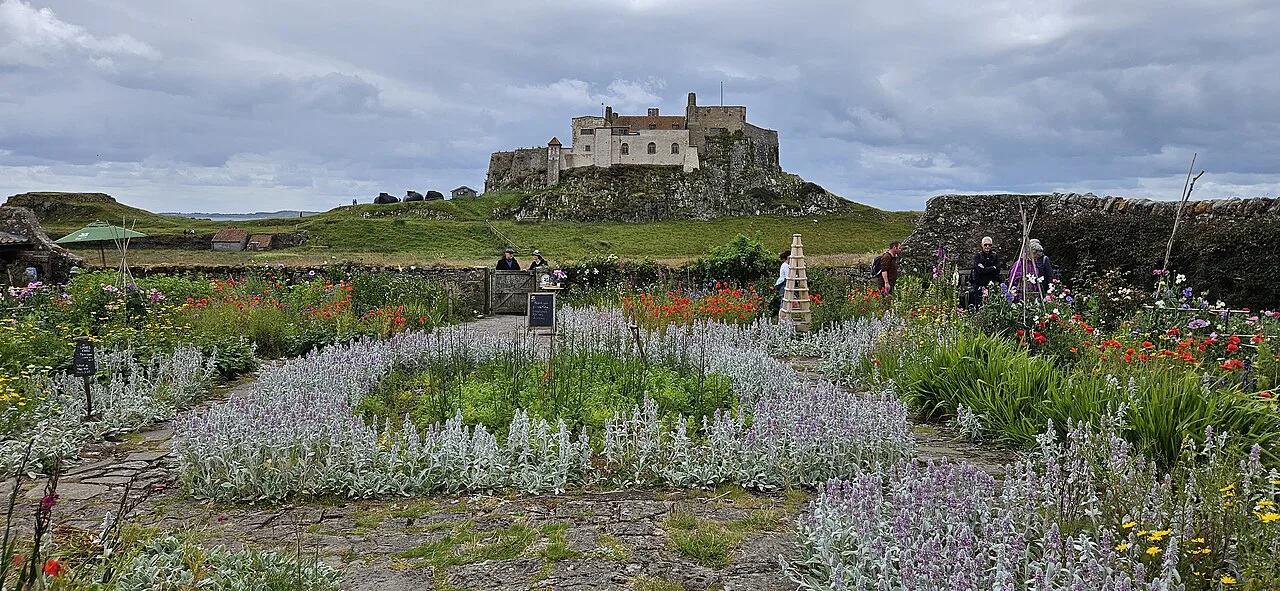
The Isle of Man is bigger and more independent than most British islands, and it lies further offshore. It needs a ferry or flight and rewards several days. For an easier trip, the Isle of Wight Guide: Ferries, Things to Do, Planning is the simpler comparison. Anglesey works for a Welsh coastal break. Lindisfarne and the Farne Islands Guide: Boat Trips, Landing & Seasons suit shorter day trips. For remote wildlife contrast, look at Rathlin Island Guide: Ferry, Puffins and Day Trip Tips. Our UK islands guide compares the full set.
Frequently Asked Questions
Why is the Isle of Man so famous?
It is best known for the TT Races, the motorcycle event held on public roads each May and June. The first TT started on 28 May 1907. The island is also known for Tynwald and the three legs of Man symbol.
What is so special about the Isle of Man?
It combines castles, three heritage railways, coastal walks and wildlife in a small area. It was awarded UNESCO biosphere reserve status in 2016. Dark Skies sites and Manx culture add to the appeal.
Is Isle of Man expensive to visit?
Costs depend mainly on transport, car hire and where you sleep. Autumn and winter are usually cheaper than TT time. Compare ferry, flight and package prices on the operators' sites before you book.
Do they speak English in Isle of Man?
Yes, English is the everyday language. Manx Gaelic is also an official language and appears on signs and in culture. You will not need to speak it to travel around.
Useful notes for your next island trip
Optional updates to our guides.
You might also like
Continue reading
More guides you'll find useful