Lindisfarne (Holy Island) Guide: Tide Times, Priory, Castle and Planning
Visiting Lindisfarne? Learn how the tidal causeway works, what to see at the priory and castle, how long to allow and how to avoid costly mistakes.
On this page
Last updated November 2026: Lindisfarne is Holy Island, a tidal island off Northumberland, England. A causeway floods at high tide, so crossing times decide your whole visit. This guide covers the tides, transport, the priory, the castle and how long to stay.
Featured image: Dave_S., CC BY 2.0, via Flickr.
What Lindisfarne Is (and Why It's Called Holy Island)
Lindisfarne is another name for Holy Island, which sits less than a mile from the Northumberland shore. Twice a day the sea covers the causeway, and the island becomes cut off from the mainland. Its holy label comes from the monastery founded here in 635 by the Irish monk Saint Aidan. Monks from the Isle of Iona settled it, and Saint Cuthbert later served as bishop. Spell it Lindisfarne; "Lindesfarne" is a common misspelling that can send you to the wrong search results.
- Location: tidal island off the Northumberland coast, England
- Founded as a monastery: 635, by Saint Aidan
- Main sights: Lindisfarne Priory, Lindisfarne Castle and the village
How the Tidal Causeway Works and How to Cross Safely
Nature sets your timetable here. At high tide the sea covers the road, and only the published safe-crossing times show when you can drive or walk across. Northumberland County Council publishes the official tide table, and you should read it before you pick a travel date. Build your day around those times rather than hoping the tide fits your plans. Vehicles that cross outside the safe window can be stranded and flooded. Do not follow other cars, because their drivers may have misjudged the tide. A refuge box stands on the causeway for anyone caught out. Treat it as a last resort. Other tidal islands work the same way, including St Michael's Mount in Cornwall and Burgh Island in Devon.
- Check the official safe-crossing table for your exact date.
- Note both the last safe time to cross onto the island and the last safe time to leave.
- Allow a margin; never cross at the very end of a window.
- Re-check the table if you stay on the island overnight.
Getting to Lindisfarne by Car, Train and Bus
Driving is the simplest option, because the causeway starts on the mainland and ends at the island car park. Without a car, Berwick-upon-Tweed is the likely rail gateway on the East Coast line. From there you need a bus or taxi to the causeway. Bus services to the island are seasonal and tide-dependent, so check the current timetable with the operator. Walking the final stretch from the island car park to the village and castle takes longer than most visitors expect.
| Option | How it works | Trade-off |
|---|---|---|
| Car | Drive to the causeway within a safe window | Most flexible; you control timing |
| Train plus bus or taxi | Rail to Berwick-upon-Tweed, then road link | No driving; timings depend on tide and season |
| Organised tour | Operator handles the crossing | Less freedom on the island |
How Long to Spend: Day Trip vs Overnight
Most visitors come for a day, and one day is enough for the priory, the village and a walk. The tide limits you, though, since you can only be on the island between one crossing window and the next. Staying overnight gives you a quiet evening once day visitors leave. It also gives you dark skies and a morning without the crowd. Do not treat a multi-day trip as the default; one night suits this island better.
| Plan | Time on the island | Tide dependence | Best for |
|---|---|---|---|
| Day trip | Between two crossing windows | High; you must leave on time | First-timers, history fans |
| One night | Evening plus next morning | Lower stress once you are there | Photographers, walkers, birders |
| Short stop | Under half a day | High | Families, mobility limits |
Best Things to See and Do
Start with the priory, then follow the village streets to the castle and harbour. Walk the shoreline and nature reserve if you have time left before the crossing closes.
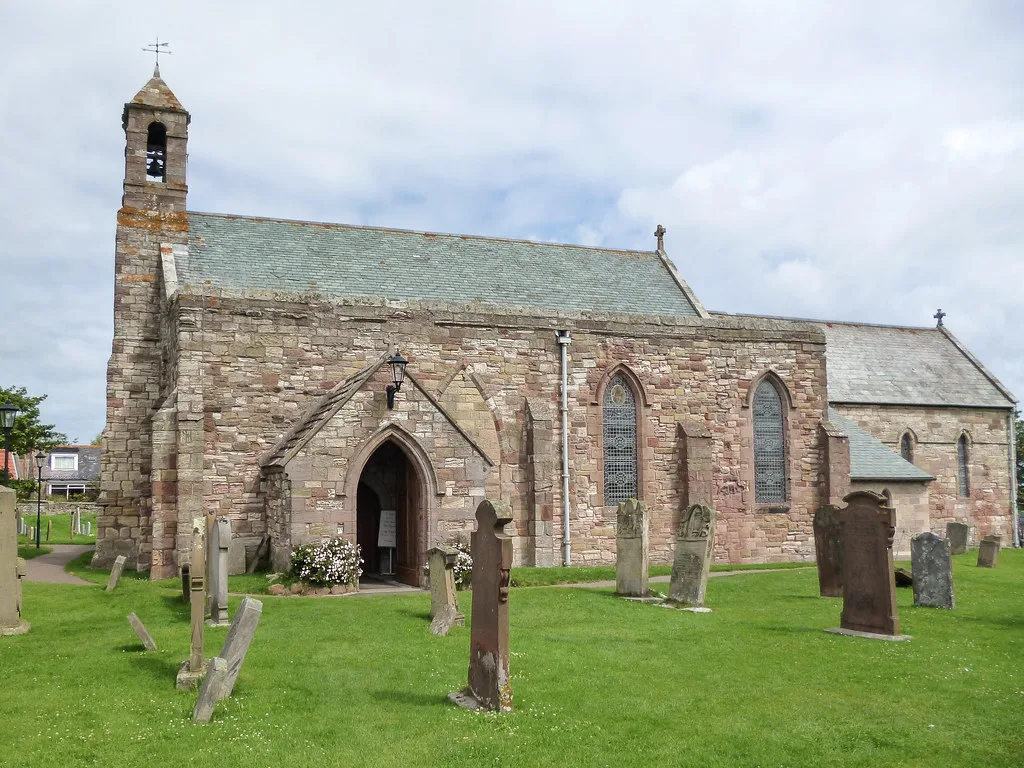
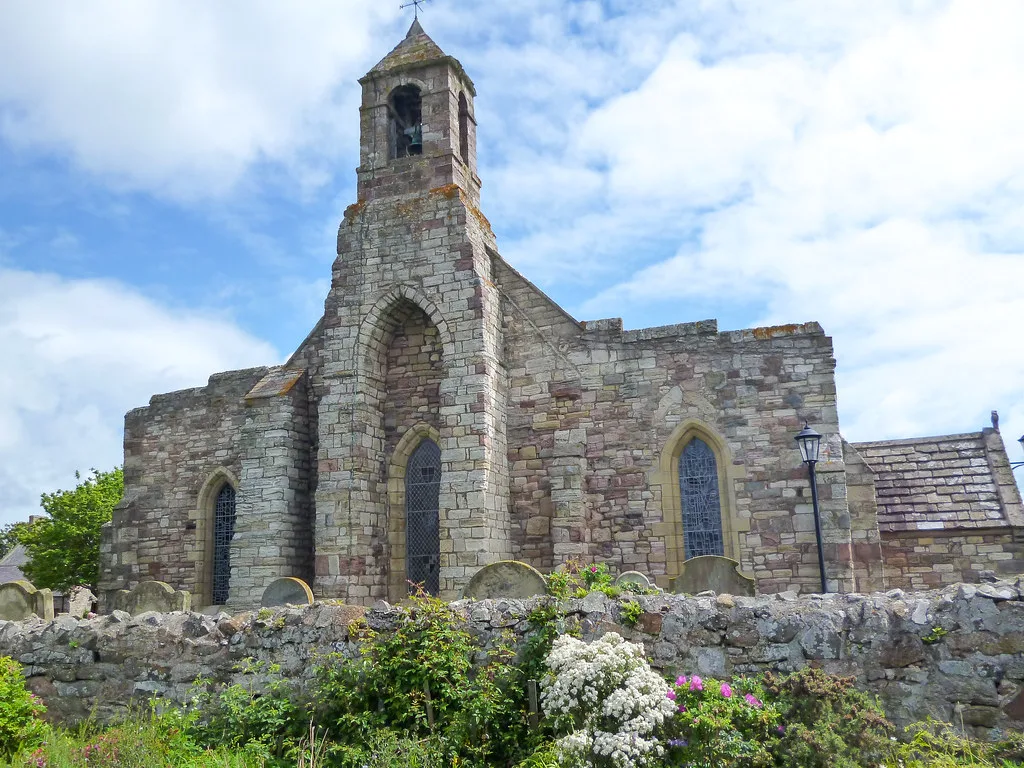
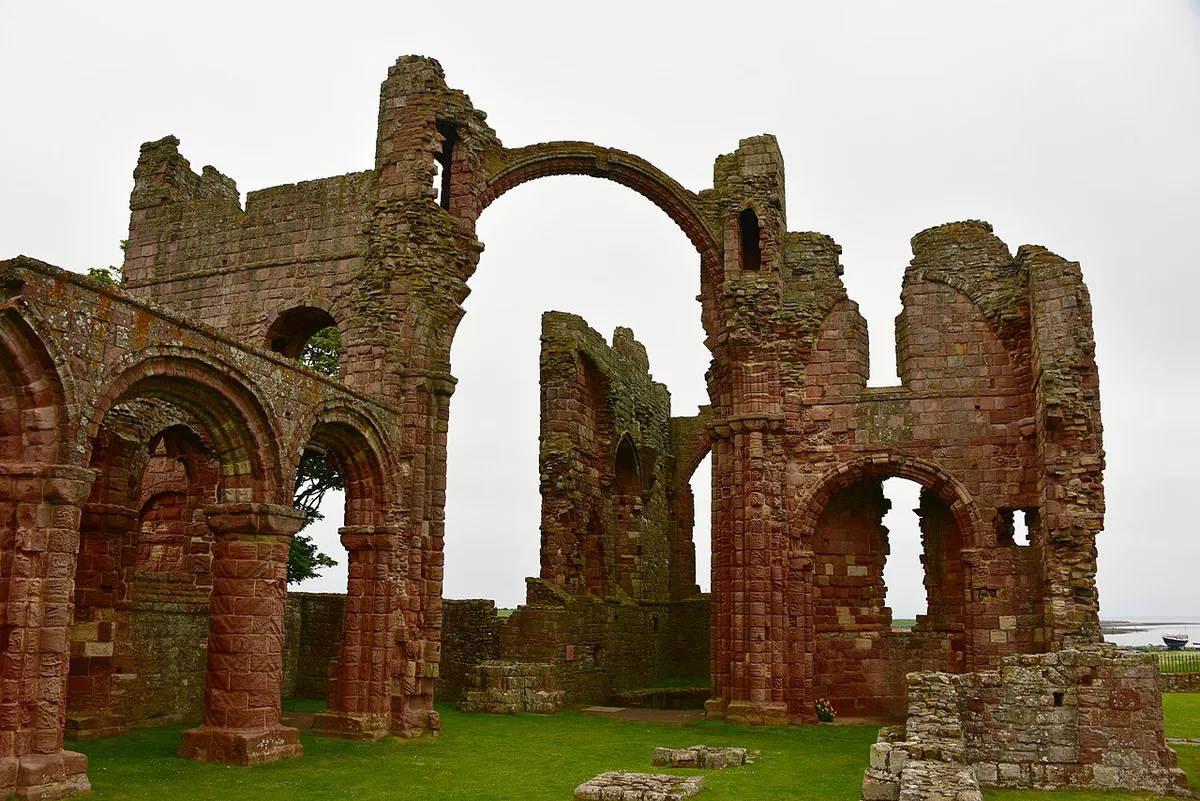
- Lindisfarne Priory: the ruined monastery, cared for by English Heritage, with a museum and visitor center. The adjacent Church of St Mary dates to the 12th–13th century. Best for history and religion enthusiasts.
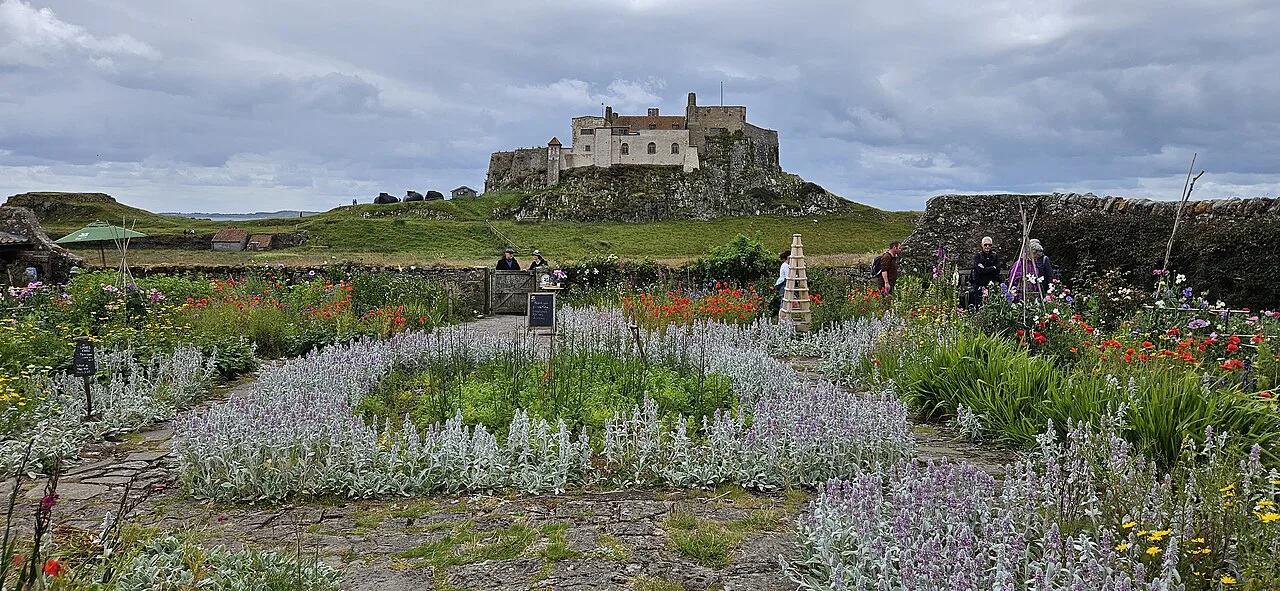
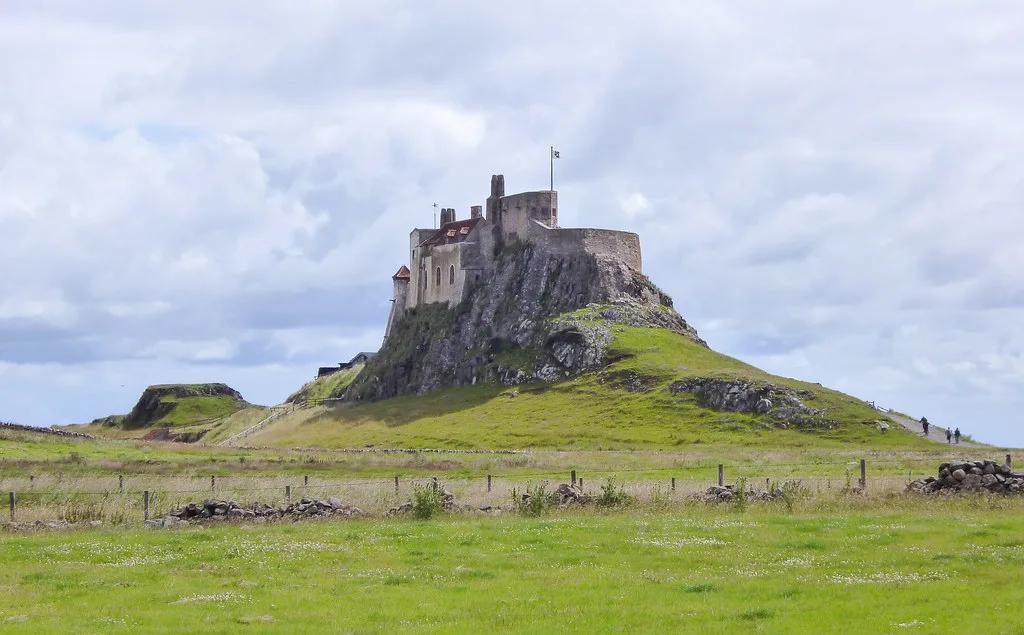
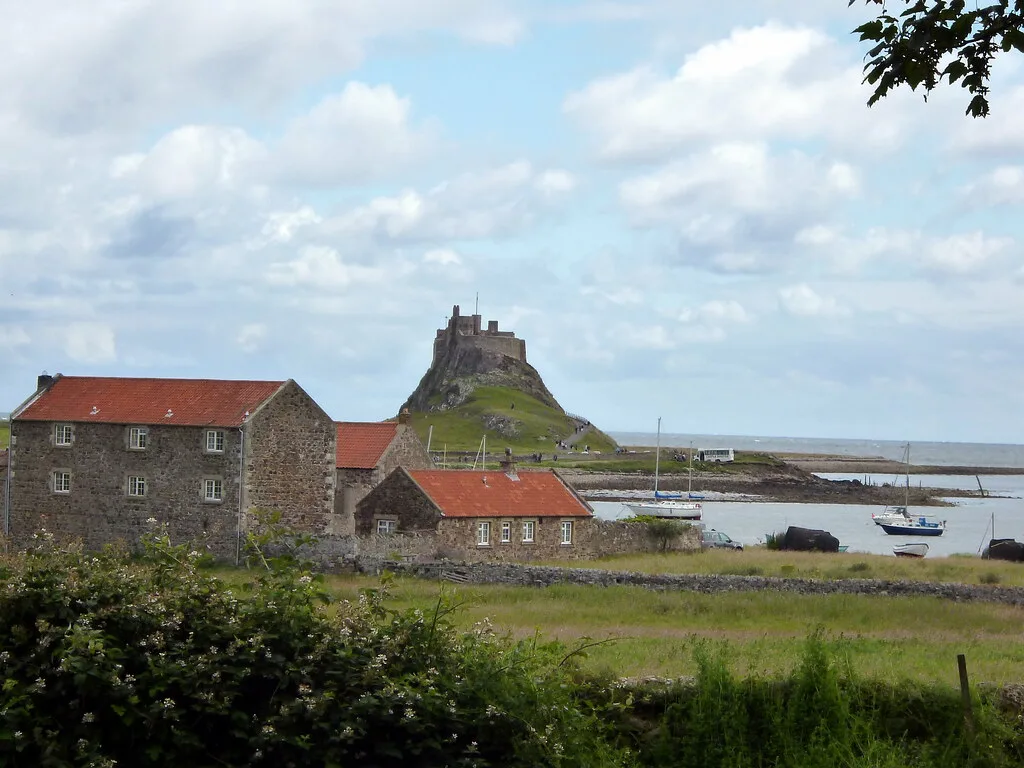
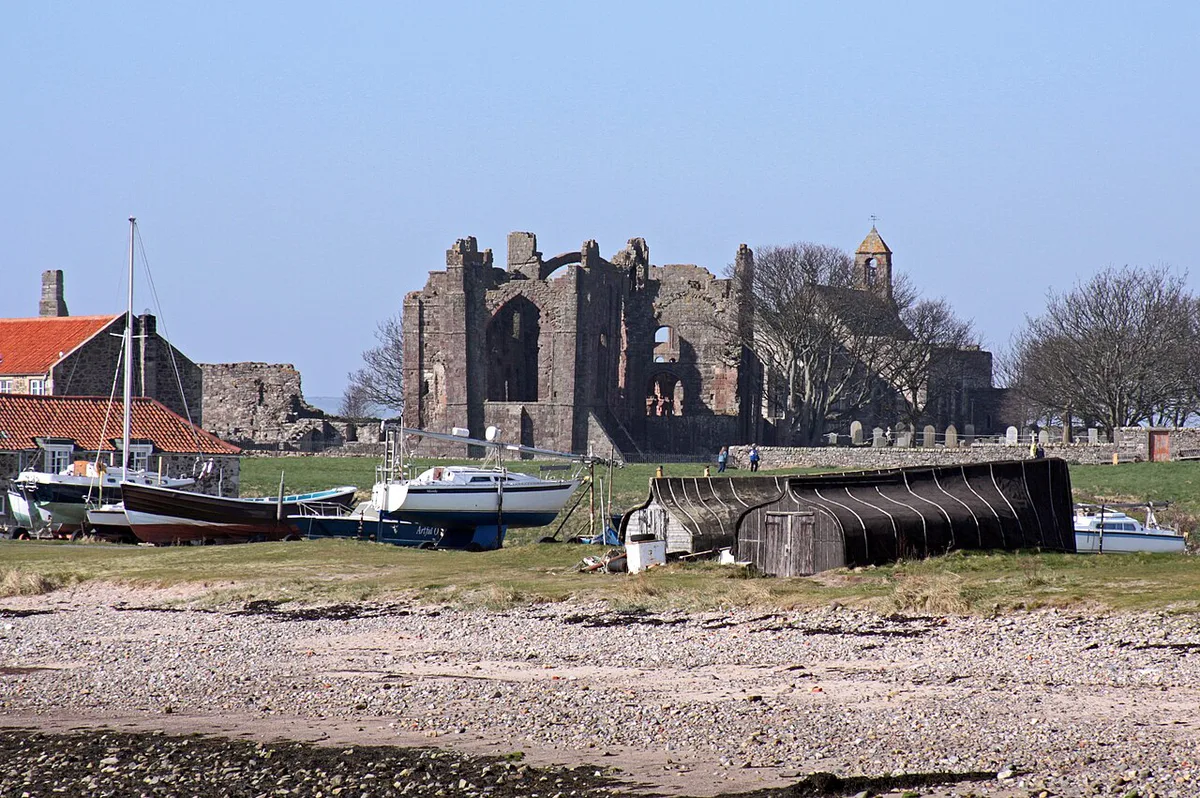
- Lindisfarne Castle: a 16th-century fortress, Grade I listed, mixing Tudor and Arts and Crafts design. Check opening dates before you plan around it, because access has varied.
- The village and harbour: pubs, cafés and a mead shop sit close together. Many close early to match the tides.
- Nature reserve and walks: seals and wintering birds are part of the setting, so walkers and birders should allow extra time.
- Emmanuel Head: a white brick pyramid about 35 ft high, standing at the northeastern point since 1810.
- Lime kilns: remnants of mid-19th-century industry, preserved by a Scottish company's legacy on the island.
Costs, Tickets and Opening Hours
Walking the village, shoreline and reserve costs nothing. Expect to pay for parking and for entry to the priory and castle. Prices and hours change by season, so read the current rates on English Heritage's priory page and on the castle operator's page before you go. Give yourself a plan B if the castle is closed on your date.
A 16th-century fortress, Lindisfarne Castle has seen access vary, so confirm its opening dates before you plan around it.
Brief History: Saint Aidan, Saint Cuthbert, the Viking Raid and the Gospels
Few British islands pack as much early medieval history into so little ground. Key dates are below. The Lindisfarne Gospels, made by monks here, are held in London today, so nothing on the island is the original manuscript.
- 635: Saint Aidan founds a monastery, settled by monks from Iona.
- 793: Viking raiders attack, an early strike of the Viking Age in Britain.
- 875: monks flee with Cuthbert's relics, which eventually reach Durham.
- Late 11th century: a Benedictine priory is established on the island.
- 1536: Henry VIII's break with Rome ends the monastic community.
Where to Stay and Eat on the Island
Lodging is mostly bed and breakfasts and holiday cottages, so book early for summer weekends. Staying means you see the island after the day crowd leaves. Cafés and pubs often shut early because of tide patterns, so plan your main meal before mid-afternoon. Mead is the local specialty, and the village has a mead shop.
Mistakes to Avoid
Most problems come from poor timing. These are the common ones.
- Arriving at the wrong tide and finding the causeway under water.
- Assuming the priory, castle and cafés are open every day.
- Underestimating the walk from the car park to the village and castle.
- Following other cars across instead of checking the table.
- Expecting to see the original Gospels on the island.
Nearby and Related Island Trips
For more Northumberland coast wildlife, try boat trips to the Farne Islands Guide: Boat Trips, Landing & Seasons, famous for seabirds. If tidal islands appeal, see the wider list in our UK islands guide. Another option is the puffin colonies on Skomer.
Frequently Asked Questions
Which saint went to Lindisfarne?
Saint Aidan arrived from Iona in 635 and founded the monastery. Saint Cuthbert later became bishop of Lindisfarne and is now the patron saint of Northumberland.
Does Holy Island have a pub?
Yes, the village has pubs alongside cafés and a mead shop. Hours follow the tides, so many close early.
Do you have to pay to get onto Holy Island?
Crossing the causeway is not what costs money. Parking and entry to the priory and castle do, so check current rates with each operator.
Why was Lindisfarne raided?
Vikings attacked in 793, targeting a celebrated center of learning on an exposed coast. Further raids in 875 forced the monks to flee.
Useful notes for your next island trip
Optional updates to our guides.
You might also like
Continue reading
More guides you'll find useful