Isle of Wight Guide: Ferries, Things to Do, Planning
Plan the Isle of Wight: how to get there, how many days you need, where to stay and what to do, with clear trade-offs for every budget.
On this page
Last updated November 2026. The Isle of Wight is an island off England's south coast, across the Solent from Hampshire, and you reach it by ferry, catamaran or hovercraft. This guide covers crossings, areas, days needed and costs, so you can decide between a day trip and a stay. It also sits within our wider UK islands guide.
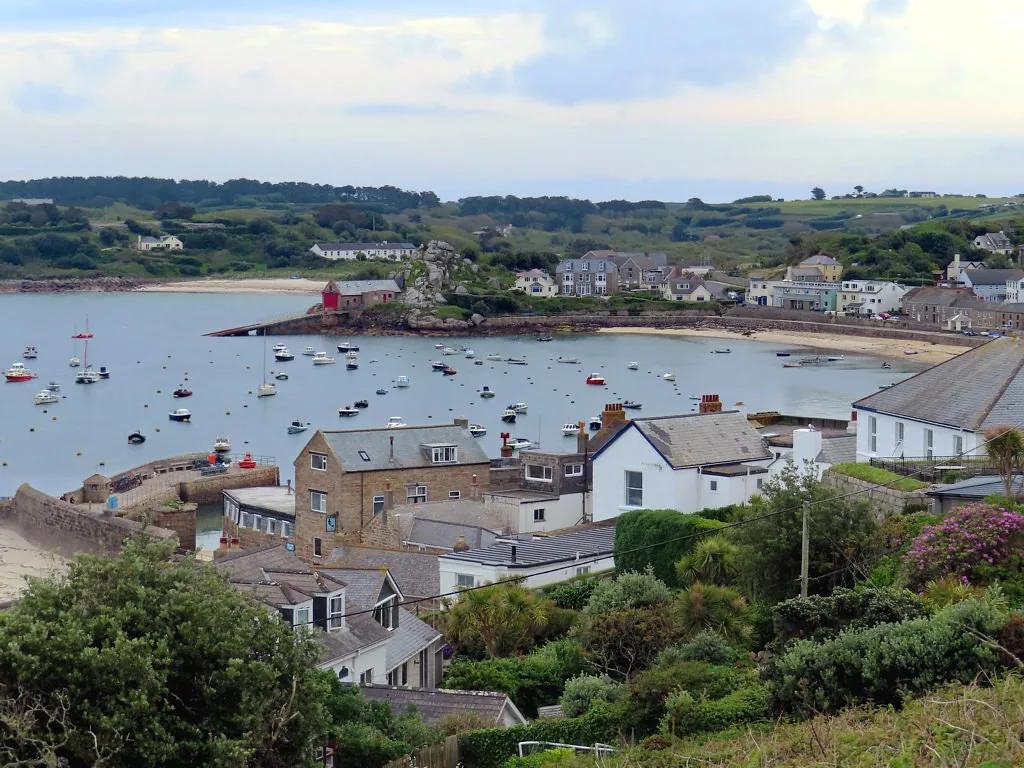
Featured image: Christophe.Finot, CC BY-SA 2.5, via Wikimedia Commons.
Isle of Wight at a Glance
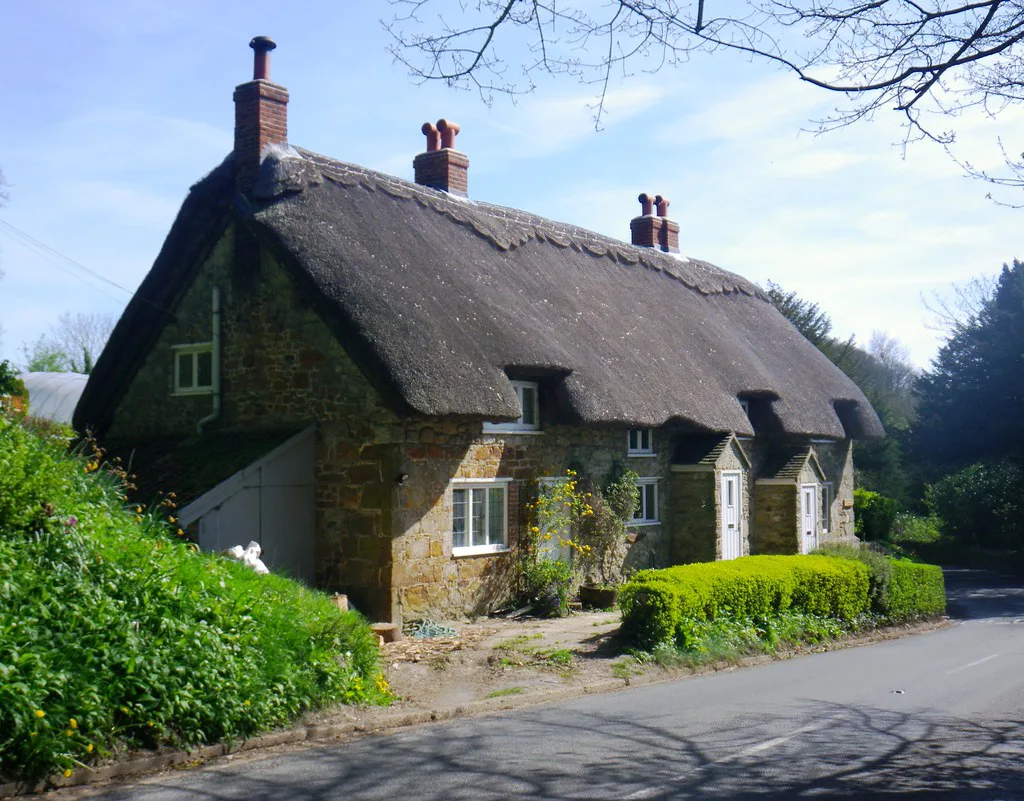
The island is large and well connected, with ferry towns, seaside resorts and a coastal path. It is part of England, not a separate country. Visitors who want remote wilderness or a tide-timed crossing will find other islands a better fit. Is the Isle of Wight worth it on a short trip? Yes, if you pick one area and accept that a single day only covers one side of the island.
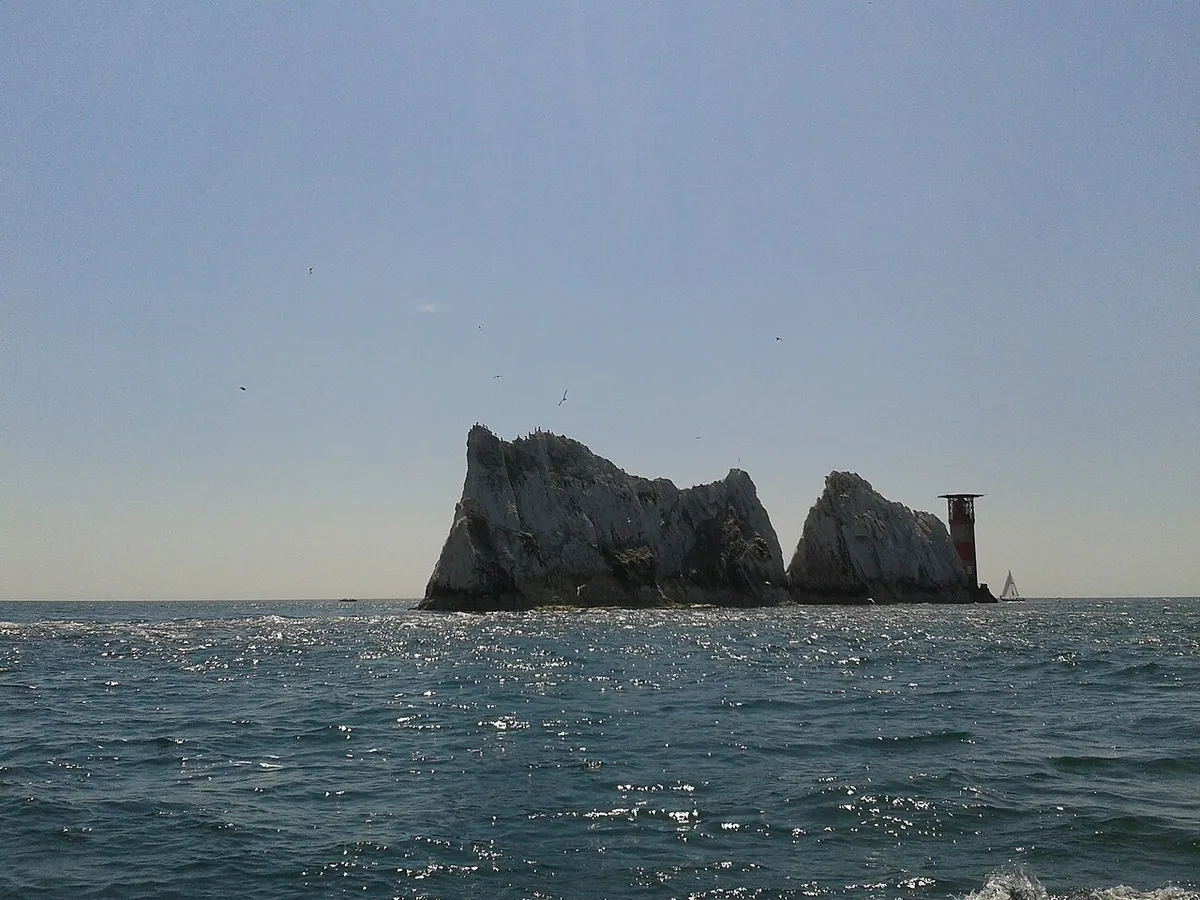
- Location: in the Solent, off the Hampshire coast.
- Arrival: ferry, fast catamaran or hovercraft from mainland ports.
- Best for: beaches, coastal walking, heritage sites, sailing and family trips.
- Skip if: you want a remote, uninhabited wilderness.
How to Get There
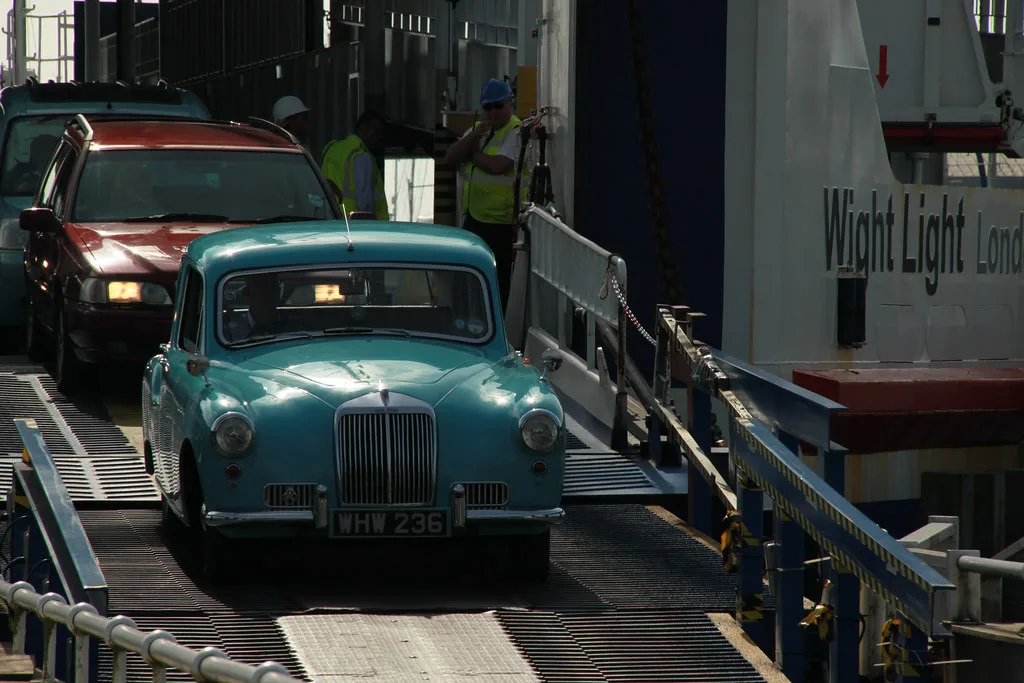
Every route crosses the Solent. Wightlink runs ferries from Portsmouth to Fishbourne and from Lymington to Yarmouth. Red Funnel sails from Southampton to East Cowes. Foot passengers can also reach Ryde by fast catamaran or hovercraft. Wightlink and Red Funnel publish current timetables and fares. Peak-week car spaces fill early, so book your vehicle first and your accommodation second.
Ryde and the east coast need 2–3 nights, so a foot-only arrival by catamaran suits that base.
| Crossing | Best for | Cost tier | Booking need | Trade-off |
|---|---|---|---|---|
| Car ferry (Portsmouth–Fishbourne, Lymington–Yarmouth, Southampton–East Cowes) | Families, luggage, touring | Higher | High in summer | Most flexible once on the island |
| Foot passenger ferry or catamaran to Ryde | Car-free breaks, day trips | Lower | Low to mid | Rely on buses or bikes afterwards |
| Hovercraft to Ryde | Short, novel crossing on foot | Mid | Low to mid | Weather can affect running |
Best Things to Do
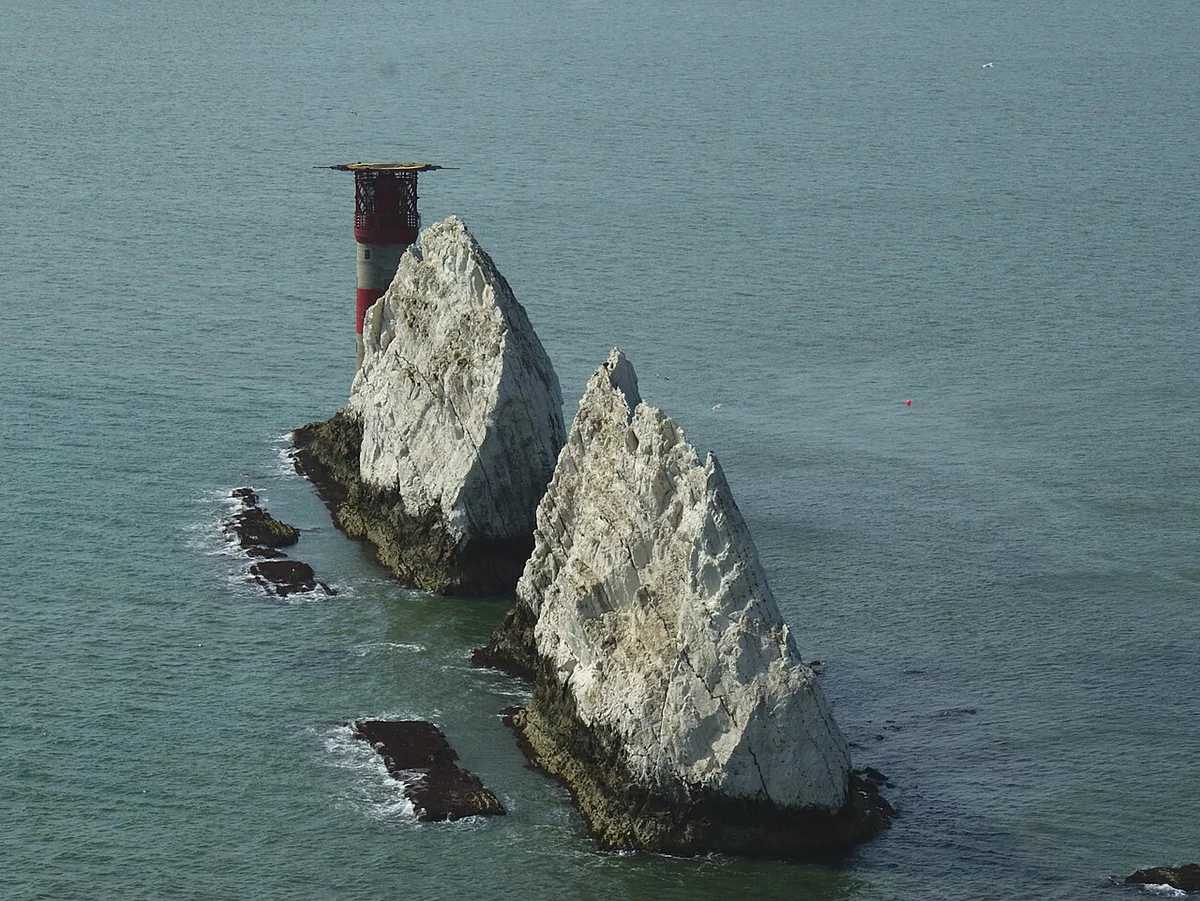
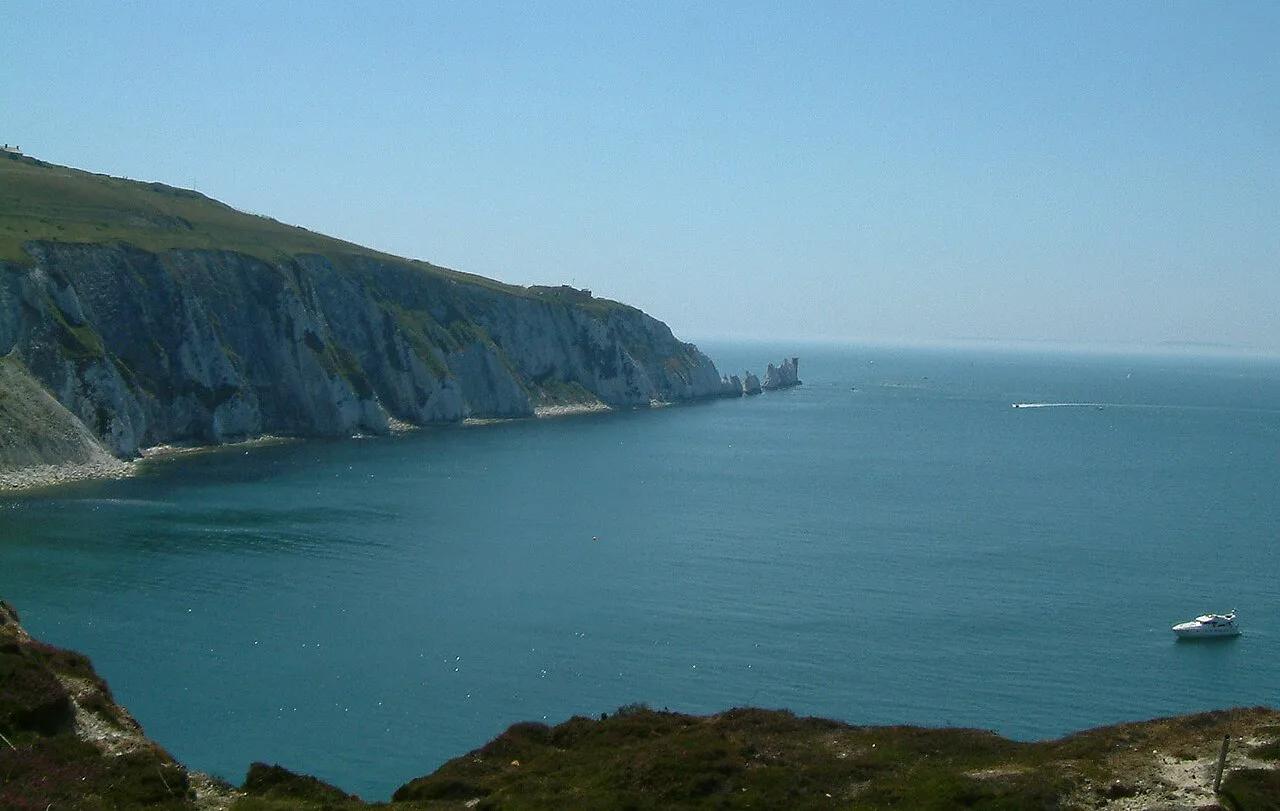
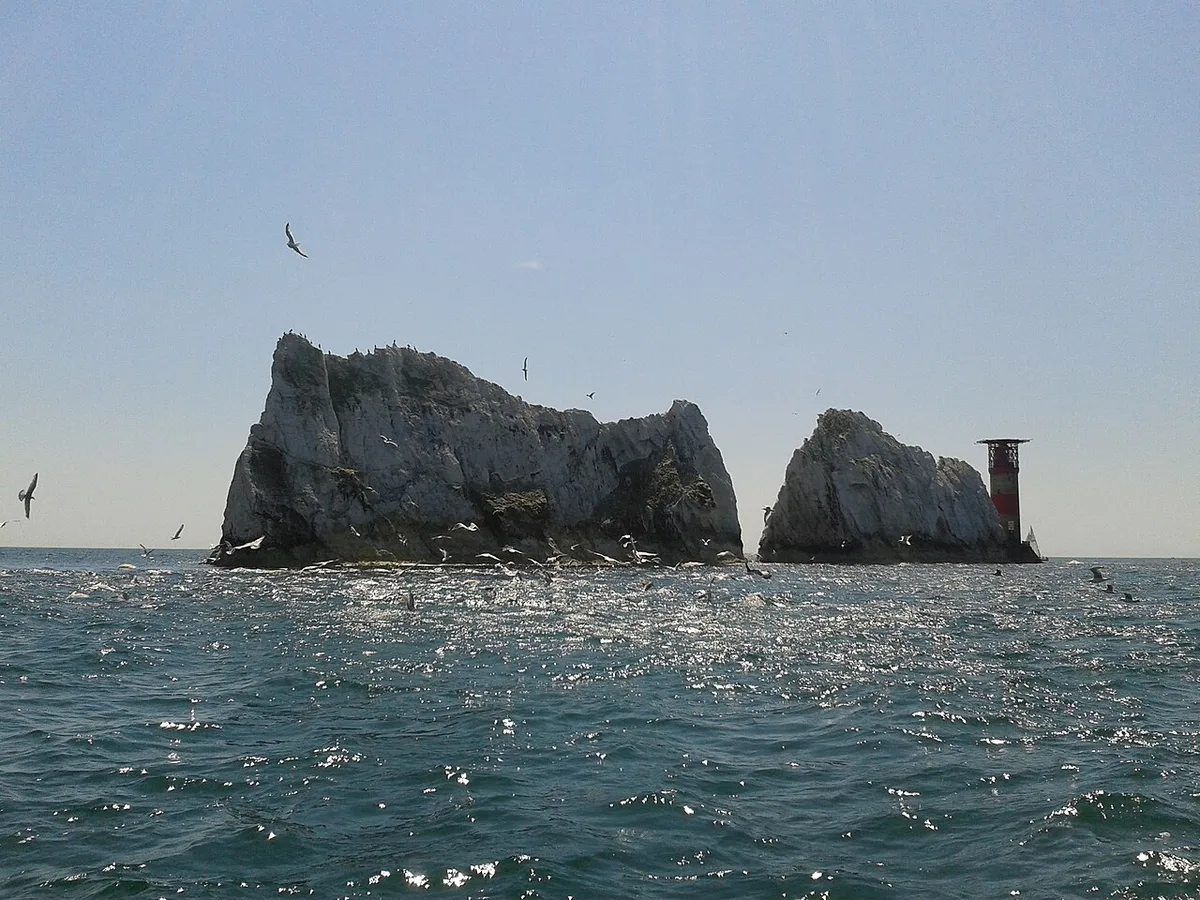
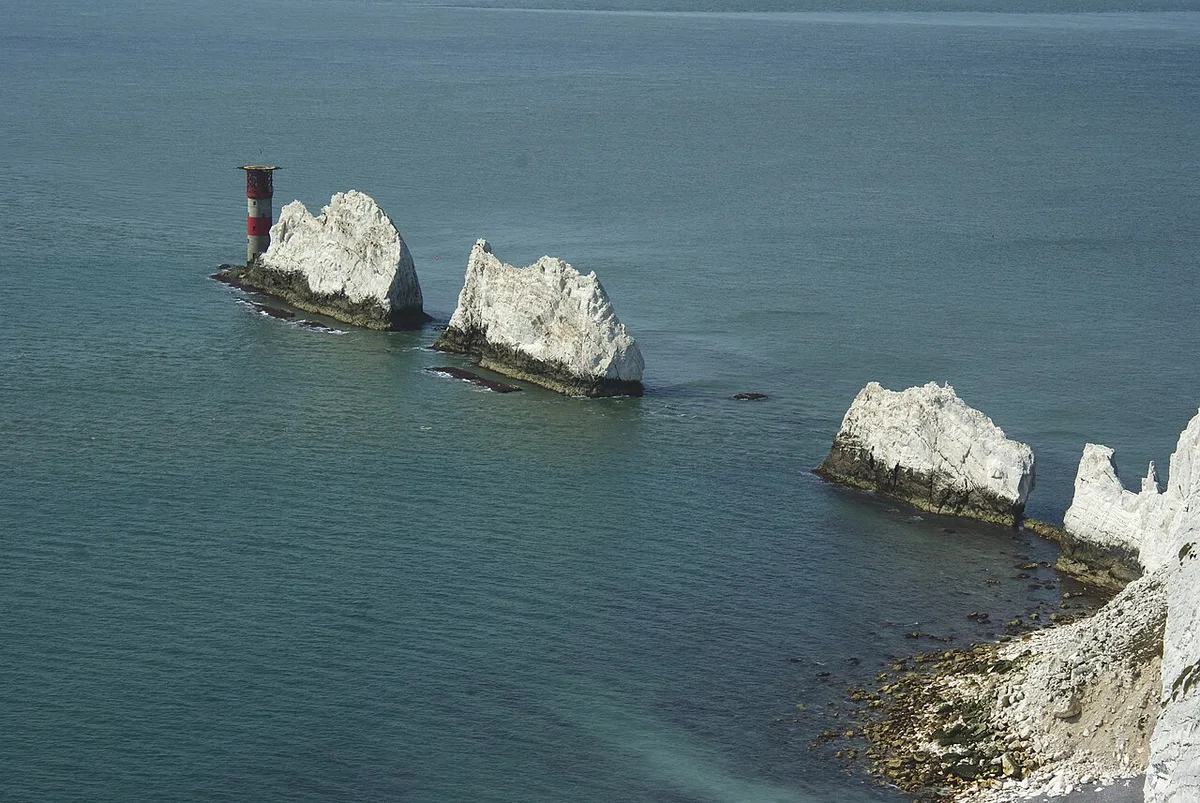
Group your plans by interest rather than trying to see everything. Coast and beaches suit families, while the Isle of Wight Coastal Path suits walkers. Osborne House and the Needles are the best-known heritage and scenery stops. Cowes is the base for sailing and water activity. Beach days and boat trips depend on weather, so keep an indoor fallback. Check Visit Isle of Wight for current attractions and seasonal openings.
| Choose your Isle of Wight | Best area | Time needed | Skip |
|---|---|---|---|
| Beach holiday | Ryde and the east coast | 2–3 nights | Cross-island day rushes |
| Walking | Coastal Path sections near Ventnor | 1–2 days | Car-heavy itineraries |
| History | Osborne House, near East Cowes | Half a day | Trying to add every castle |
| Family | Resort towns with sandy beaches | 2–3 nights | Long bus transfers |
| Sailing | Cowes | 1 day or more | Visiting in rough weather |
Isle of Wight Coastal Path, Walking and Cycling Routes
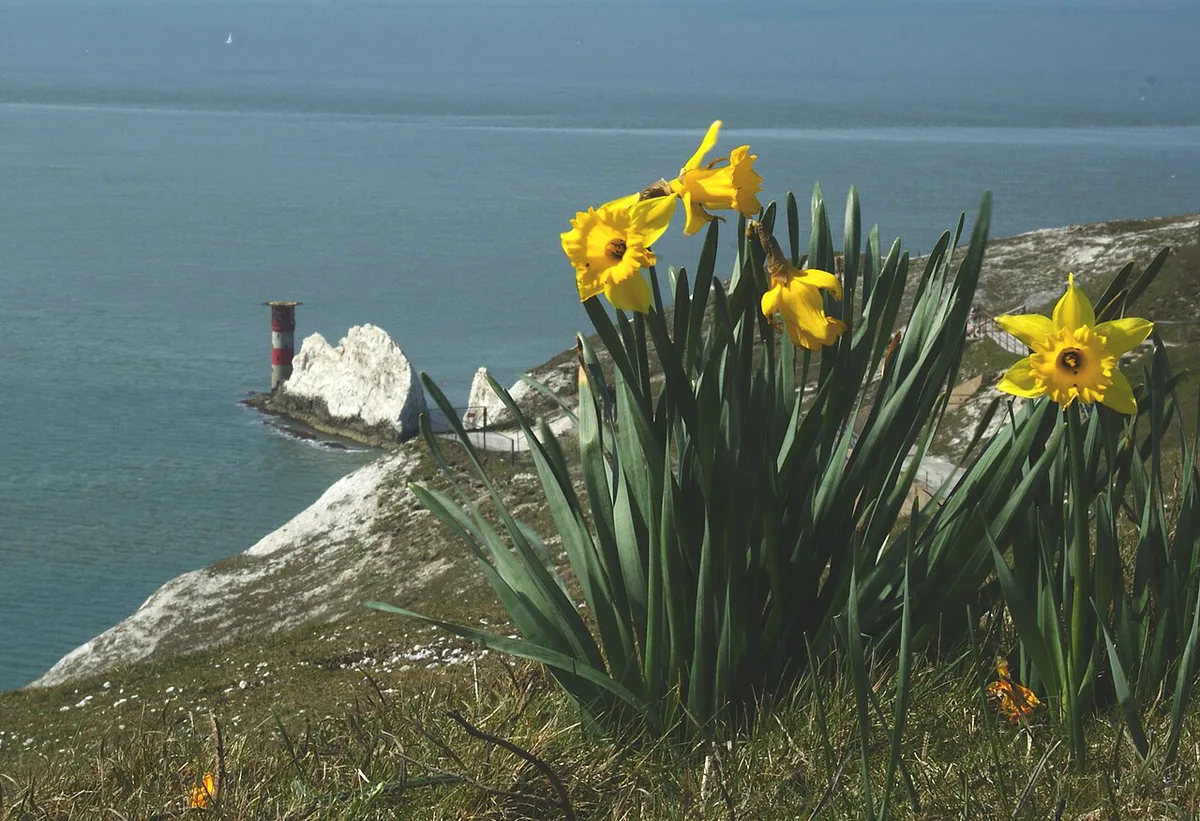
Walking is the cheapest way to see the island, and the main route is the Isle of Wight Coastal Path. It follows the shoreline for roughly 70 miles (about 113 km), so most visitors walk it in sections rather than in one go. The island also has hundreds of miles of public footpaths inland.
Walks worth planning a day around
- Tennyson Down to the Needles: a chalk ridge walk from Freshwater Bay toward the western tip, with sea views on both sides. It is exposed, so take a windproof layer even on a sunny day.
- Ventnor and the Undercliff: sheltered southern coast walking, which fits the 1–2 days of Coastal Path sections mentioned above.
- Ryde seafront to Seaview: a flat, easy stretch for families that works well after a foot-passenger arrival.
Cycling
The island has a network of signed cycle routes, including the Red Squirrel Trail, which uses former railway lines between towns on the east side. Cycling suits short hops from a base town, but the central hills are steep, so check the elevation before you commit to a cross-island ride. Bike hire is available in the main resort towns. Confirm rates and availability with the hire shop, as they vary by season.
Practical tips
- Pick a walk that ends where a bus runs, so you are not stranded at the finish.
- Check tide times before using any beach section of the path.
- Cliff edges erode, and diversions are posted on the Isle of Wight Council and Visit Isle of Wight sites.
How Many Days to Plan
A day trip works from Portsmouth, Southampton or Lymington if you stay on foot near the port. For one day, pick Ryde or Cowes and do not cross the island. Two to three nights lets you cover two areas. A week suits walkers, sailors and families who want slow beach days.
Ventnor's Coastal Path sections take 1–2 days, so pair that walk with one other area rather than a cross-island drive.
- Mistake to avoid: an unbooked car ferry in peak weeks.
- Mistake to avoid: underestimating cross-island travel time.
- Mistake to avoid: relying on one weather-sensitive plan.
Getting Around the Island
A car gives the most freedom, especially for rural stops. Southern Vectis buses link the main towns, but frequency varies by season. Cycling and walking suit the coast and short hops. Cross-island journeys take longer than the map suggests, so plan one base area per day. Current bus routes and passes are on the operator's site.
Cowes and East Cowes: Sailing Town and Osborne House Gateway
Cowes, on the north coast, is the island's sailing capital. It sits on the west bank of the River Medina, with East Cowes on the opposite bank. The two towns are linked by the Cowes Floating Bridge, a chain ferry that carries foot passengers, cyclists and vehicles across the river. Confirm its running times locally, as services can be suspended for maintenance or weather.
What to do in Cowes
- Walk the High Street and harbour front: a steep, narrow street of shops and cafes running down to the Parade and the water.
- Watch the yachts: the Solent is busy with racing and cruising boats through summer.
- Cowes Week: a major sailing regatta held each year around late July or early August. Accommodation in Cowes fills far in advance, so book early or stay in a nearby town.
East Cowes and Osborne House
Osborne House, Queen Victoria's seaside residence, is on the East Cowes side and is run by English Heritage. Visitors usually allow half a day, as noted in the planning table above. Opening days and ticket prices change by season, so check English Heritage's page before you travel.
Getting there
Red Funnel's Southampton to East Cowes crossing lands you a short distance from Osborne House, which makes it a practical choice for a heritage-focused trip. Cowes also has bus links to Newport, the island's main transport hub, where you can change for most other towns.
Where to Stay
Choose by area type. Seaside resort towns such as Ryde suit families and car-free arrivals. Harbour towns such as Cowes suit sailing and evening dining. Quieter villages suit walkers but usually need a car or a good bus link. Book early for summer weekends.

Costs, Tickets and Opening Hours
Prices and hours are not fixed here, so check them on official pages before booking. The ferry is often the largest single cost, particularly with a car. Foot passengers pay far less than drivers. Parking, attractions and accommodation then add to the total. Beaches and coastal walks are the cheapest days out. Some attractions close or cut hours in winter, so check each venue's page.
Best Time to Visit
Summer brings the longest days, the fullest ferries and the highest accommodation demand. Tourism marketing calls the island the UK's sunniest, but treat that as a promotional claim. Spring and autumn are quieter and suit walking and heritage visits. Winter is calm, but some attractions close and sailings change. Check operator timetables for the month you travel.
For other islands off England's south coast, see our guides to the Isle of Portland in Dorset and St Michael's Mount in Cornwall.
Frequently Asked Questions
How long is ferry crossing to the Isle of Wight?
Crossing times depend on the route and vessel. Fast catamarans and the hovercraft are quicker than car ferries. Check the current timetable on the operator's site.
How expensive is the Isle of Wight?
Costs depend on how you travel. Foot passengers and walkers spend the least, while car ferries and summer stays cost the most. Compare fares and rooms on official pages before you book.
Useful notes for your next island trip
Optional updates to our guides.
You might also like

Continue reading
More guides you'll find useful