Ferry to the Isle of Man: Routes & How to Choose
Compare Isle of Man ferry routes from Heysham, Liverpool, Belfast and Dublin, with crossing times, who each suits, and booking tips.
On this page
Last updated November 2026. The ferry to Isle of Man is run by the Isle of Man Steam Packet Company, which sails year-round from Heysham in Lancashire and from Liverpool into Douglas. Crossings take roughly 3 hours from Heysham and 2 hours 45 minutes from Liverpool. Belfast and Dublin sailings are seasonal, so drivers from the north-west usually pick Heysham and foot passengers often pick Liverpool.
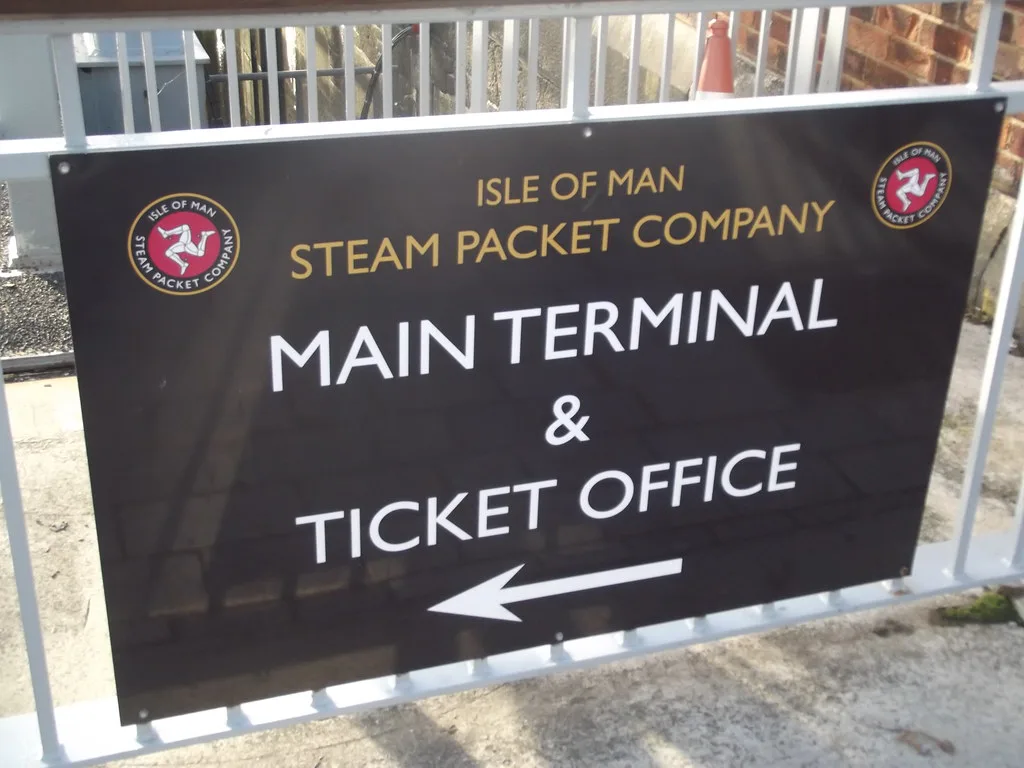
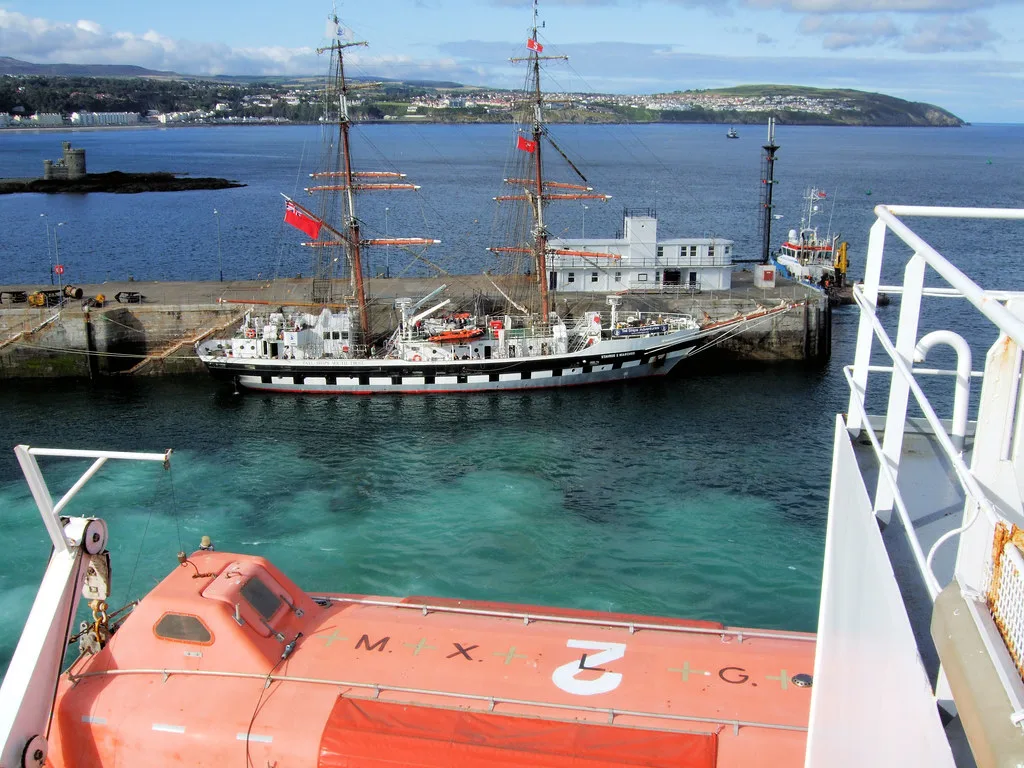
Featured image: Jim Linwood, CC BY 2.0, via Flickr.
Isle of Man ferry routes compared
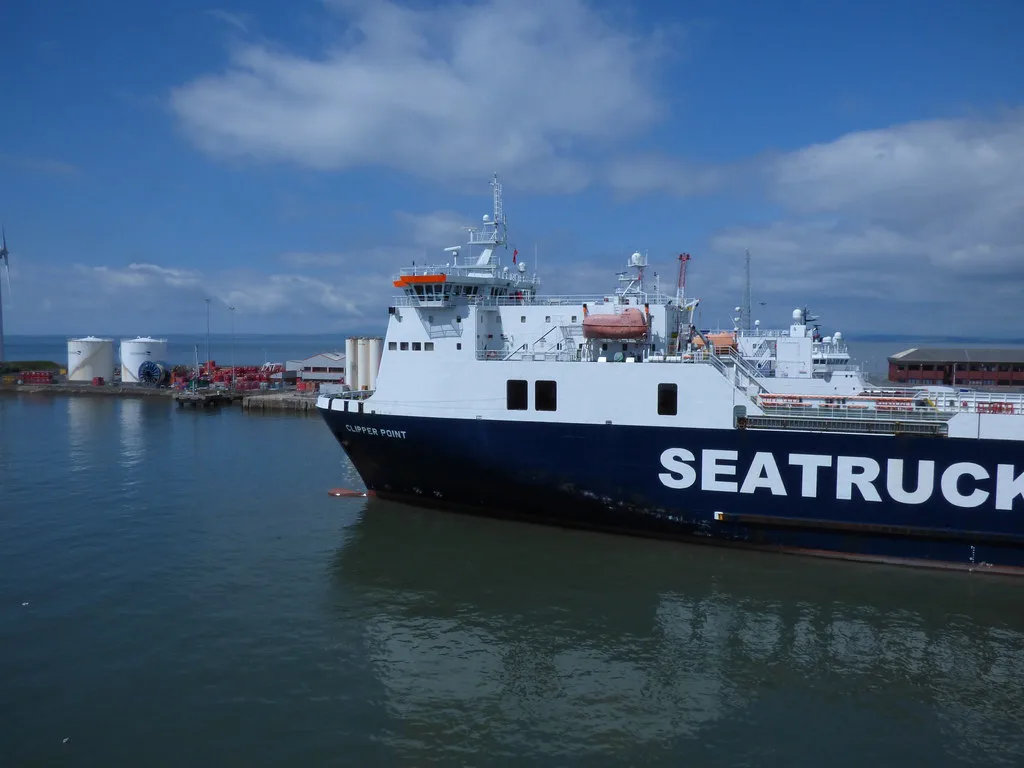
All routes end at the Douglas Sea Terminal on the island's Isle of Man Travel Guide: Plan Your Trip east coast. Heysham to Douglas takes about 3 hours, and Liverpool to Douglas takes about 2 hours 45 minutes. Both run all year and carry cars and foot passengers. Belfast and Dublin sailings run in summer for foot passengers only. Prices and hours checked November 2026 against the operator's published information, so the live timetable always wins.
| Route | Season | Typical crossing | Carries | Best for |
|---|---|---|---|---|
| Heysham to Douglas | Year-round | About 3 hours | Foot passengers, cars, bicycles, campervans | Drivers from the north-west, Midlands and north |
| Liverpool to Douglas | Year-round | About 2 hours 45 minutes | Foot passengers, cars, bicycles, campervans | Foot passengers and city-centre arrivals |
| Belfast to Douglas | Summer | About 2 hours 45 minutes | Foot passengers only | Travellers from Northern Ireland |
| Dublin to Douglas | Summer | About 3 hours | Foot passengers only | Travellers from Ireland |
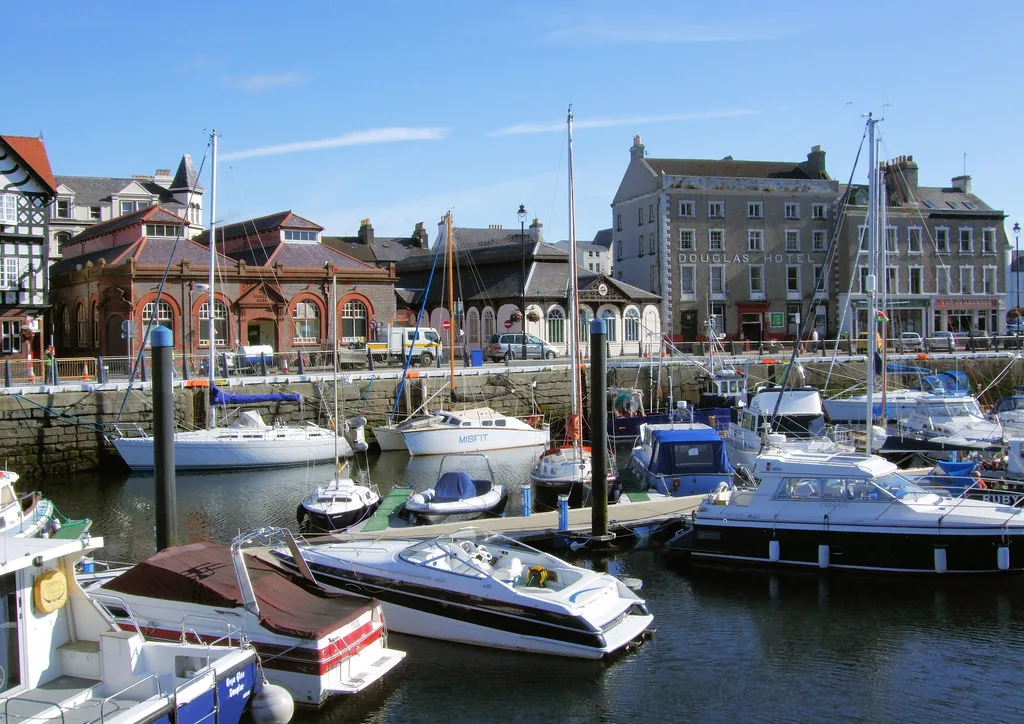
Which Isle of Man ferry route suits you
Pick by what you are bringing and where you start. Heysham sits outside the main rail network, so it suits cars better than trains. Liverpool gives foot passengers a city departure point.
Drivers choosing Heysham face a crossing of about 3 hours, yet no island point should take much more than 45 minutes by car.
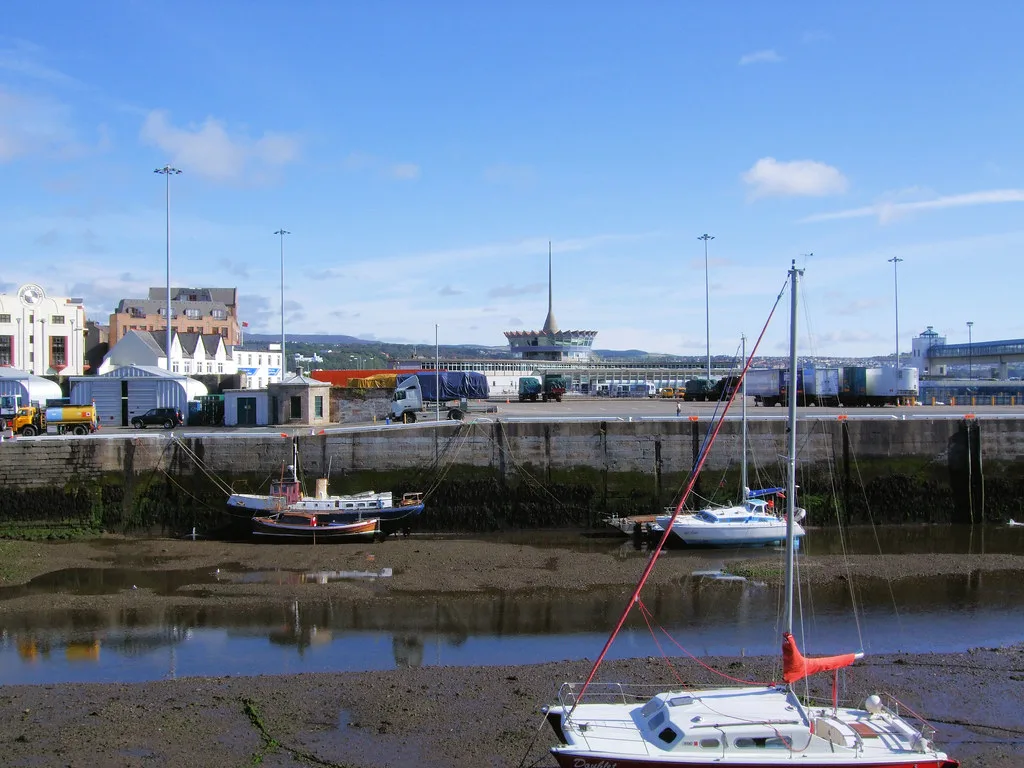
- Driver with a car: Heysham to Douglas is the usual choice, and Liverpool also takes vehicles.
- Foot passenger: Liverpool to Douglas has the shortest crossing at about 2 hours 45 minutes.
- Cyclist or motorcyclist: both year-round routes carry bicycles, so choose by your starting point.
- Campervan: use Heysham or Liverpool, and ask the operator about vehicle size before booking.
- Traveller from Ireland: Dublin and Belfast sailings run in summer for foot passengers.
- Weekend visitor: Liverpool keeps the door-to-door time down, though a flight may suit a very short stay better.
How much does the ferry cost?
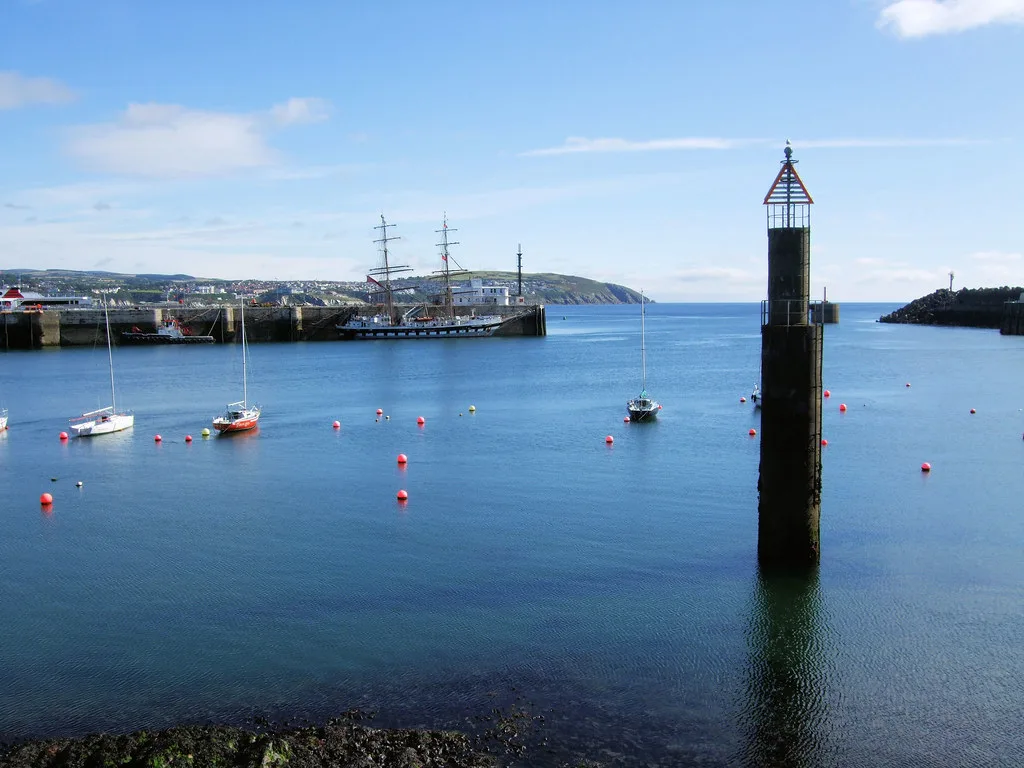
Fares depend on several things. A car costs more than a foot passenger, summer costs more than winter, and event weeks cost the most. Return tickets, lounge or cabin upgrades and advance booking also move the price. Exact fares sit on the Steam Packet booking pages, and flexible tickets usually cost more than fixed ones.
- Mistake to avoid: leaving a vehicle booking until late for TT and other event periods, when car spaces sell out first.
- Mistake to avoid: comparing a foot fare with a car fare, since the two are priced very differently.
When to travel and when to book
June to August is peak season, with more sailings and higher prices. November to March is quieter, and fares are generally lower. The TT Races create the heaviest demand of the year, so book vehicles as early as the operator allows. Irish Sea weather can retime or cancel sailings, so leave slack in your plans. The operator's disruption and refund policy sets out your options if a crossing changes.
Check-in, ID and what to have ready for the crossing
Most missed sailings come from arriving late at the port, not from the ferry itself. The exact check-in cut-off differs by route, vehicle type and season, so treat your booking confirmation as the final word and plan to arrive well ahead of it.
- Booking reference: keep it on your phone and as a printout or screenshot, since mobile signal around the ports can be patchy.
- Photo ID: carry a passport or photo driving licence for every adult. Travel between Great Britain and the island is within the Common Travel Area, but operators can still ask for ID at check-in.
- Vehicle details: have your registration, the vehicle height and length, and any roof box or bike rack declared at booking. Oversized vehicles are the usual cause of problems at the ramp.
- Bicycles and motorbikes: these are booked as their own category, so add them when you reserve instead of turning up with one.
- Pets: ask the operator about its pet policy before you book, because rules on where animals travel differ between vessels.
Foot passengers leaving Liverpool should allow time for the walk or taxi from Lime Street station to the Pier Head area. Drivers using Heysham should check traffic on the approach roads, especially on Friday afternoons and event weekends. If you miss check-in, contact the operator straight away, because a flexible fare gives you far more options than a fixed one.
Arriving at Douglas: getting off the boat
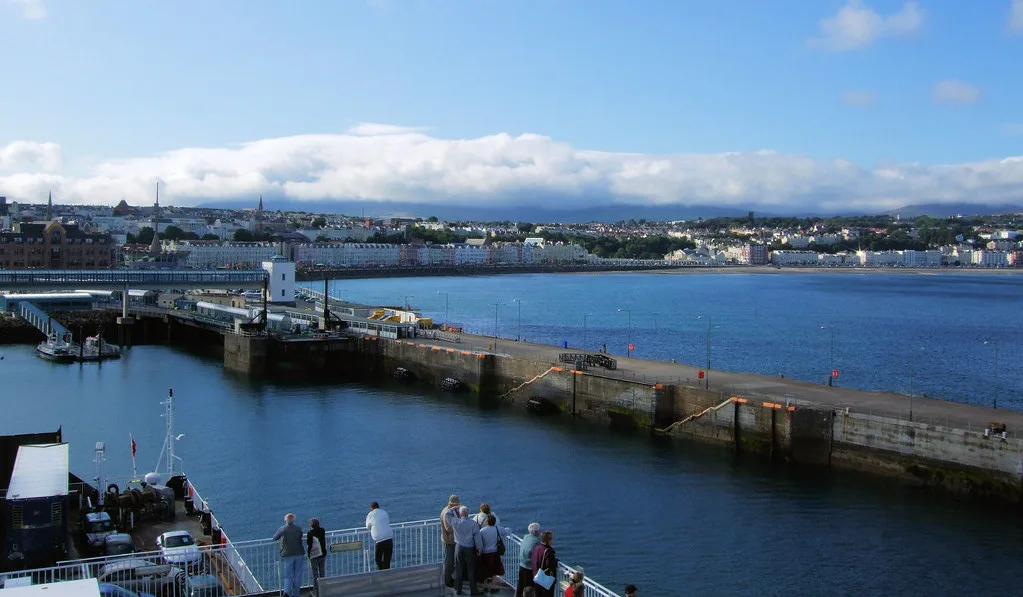
Douglas Sea Terminal sits at one end of the harbour, close to the town centre. Taxis wait outside the terminal exit, and an information board inside lists numbers to call. A bus runs about every 15 minutes, and Douglas Bus Station on Lord Street is nearby. Pay-and-display parking is close to the terminal, and the Steam Railway station is also near.
- Keep a day bag with essentials, since luggage handling can take time.
- Foot passengers: walk or take a taxi into the centre.
- Drivers: follow the main roads out of Douglas, and no point on the island should take much more than 45 minutes by car.
- Car hire: ask the rental firm whether it meets arrivals at the port.
What the crossing is like on board and how to avoid seasickness
The Irish Sea is rarely flat, so it helps to know what to expect on a crossing of about 2 hours 45 minutes to 3 hours. Larger conventional vessels such as the Ben-my-Chree and the Manxman ride swells better than smaller craft, but a rough day still means movement in open water.
- Pick your spot: seats near the middle of the ship and on a lower deck feel the least motion. Looking at the horizon from a window seat or an outside deck helps more than staring at a phone.
- Eat lightly: a small meal before boarding works better than an empty stomach or a heavy fry-up. Ferry cafés and bars serve food and drinks on most sailings.
- Take remedies early: travel sickness tablets or wristbands work best when taken before departure. Ask a pharmacist if you take other medication.
- Bring layers: outside decks are cold and windy even in summer.
- Check the forecast: strong winds can retime or cancel sailings, and the operator posts updates on its website and social channels.
If you are very prone to seasickness, a short flight is the safer choice, as covered in the ferry vs flying section. Travelling in the middle months of the year usually brings calmer seas than autumn and winter gales.
Getting around once you land
The Go Explore card gives unlimited travel on scheduled buses and heritage railways for 1, 3, 5 or 7 consecutive days. You can buy it online or at welcome centres in the airport and ferry terminals. A 5-day Heritage Explorer Pass adds free entry to Manx National Heritage sites. The Manx Electric Railway runs from Douglas to Laxey, and the Steam Railway runs from Douglas to Castletown. Details sit on Visit Isle of Man.
Off the boat in Douglas, the bus runs about every 15 minutes, and a Go Explore card covers unlimited scheduled bus travel.
Ferry vs flying
Flying is quicker and suits short trips, solo travellers and anyone prone to seasickness. The ferry wins when you bring a car, a bicycle or a campervan, or when you carry bulky luggage. Flights leave from several UK airports, and Dublin has summer service. Foot passengers should compare both door-to-door, including the trip to the port or airport. For passport, ID and customs questions, read whether the Isle of Man is part of the UK. More island trips are listed on our UK islands guide, including the Isle of Wight Guide: Ferries, Things to Do, Planning and Rathlin Island Guide: Ferry, Puffins and Day Trip Tips.
Frequently Asked Questions
Where do you get the ferry to the Isle of Man?
Year-round sailings leave from Heysham in Lancashire and from Liverpool. Summer-only services run from Belfast and Dublin. All of them arrive at Douglas.
Is it cheaper to fly or ferry to the Isle of Man?
It depends on what you bring. A foot passenger may find flights competitive, while a car on the ferry avoids hire costs on the island. Compare both on the day, including transfers to the port or airport.
What is the cheapest day to go on a ferry?
Fares usually rise in summer and around event weeks such as the TT Races. Off-peak months and advance booking tend to be cheaper. Check the operator's fare calendar for exact days.
Useful notes for your next island trip
Optional updates to our guides.
You might also like

Continue reading
More guides you'll find useful