Tinos Island Guide: Villages, Beaches, Ferries & Planning (Cyclades)
Plan Tinos, Greece: villages, beaches, pilgrimage and food, ferry routes, how many days to stay, and how it compares with Mykonos and Syros.
On this page
Last updated November 2026: Tinos is a Cycladic island in Greece known for its pilgrimage church, marble villages and dovecote-dotted hills rather than for nightlife. It suits travelers who want walking, village life and quiet beaches within reach of Athens. Wind and distance are the trade-off, because the best sights sit well apart.
Featured image: Matthieu MILLION mcube, CC0, via Wikimedia Commons.
Tinos at a Glance

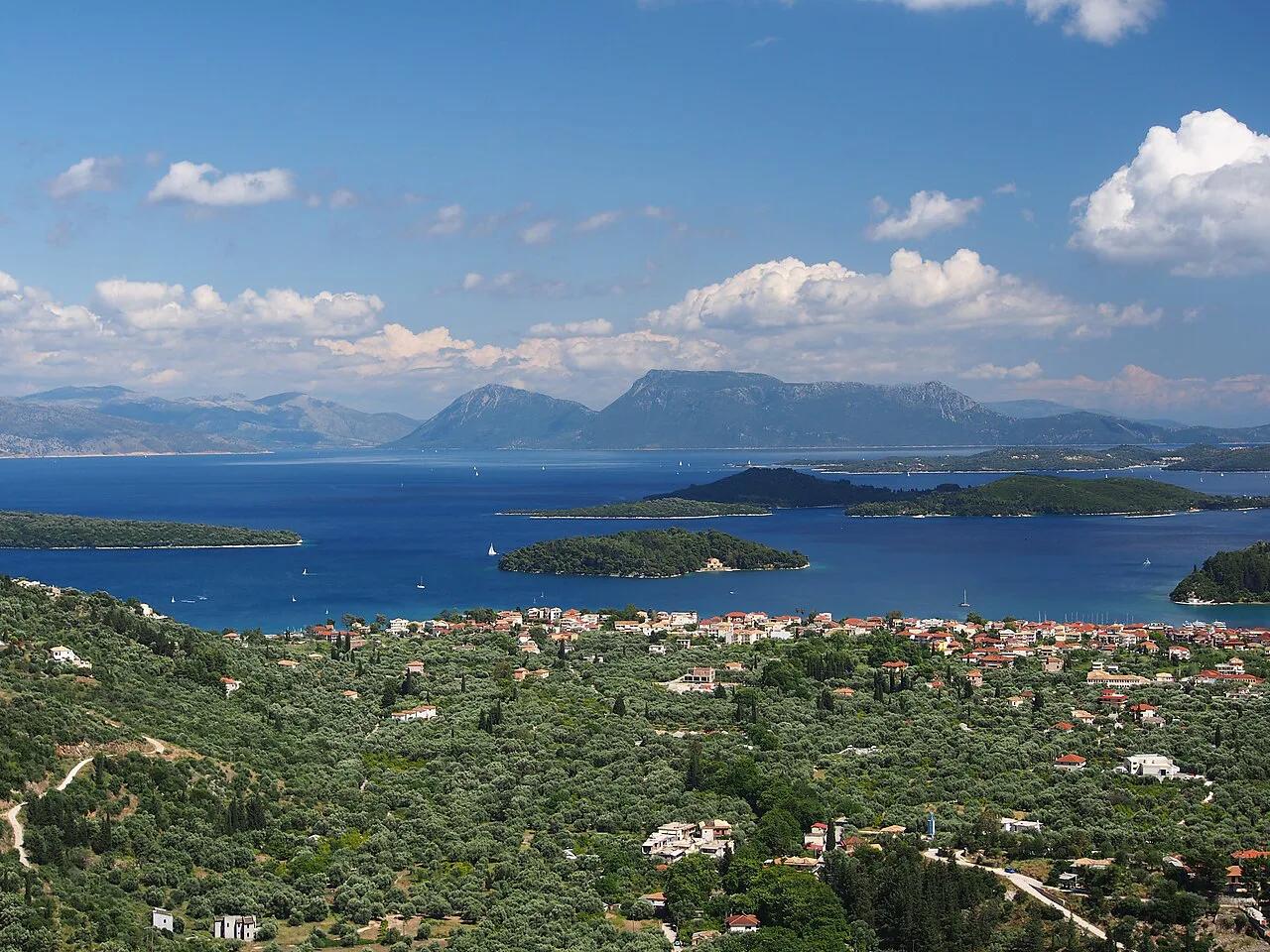
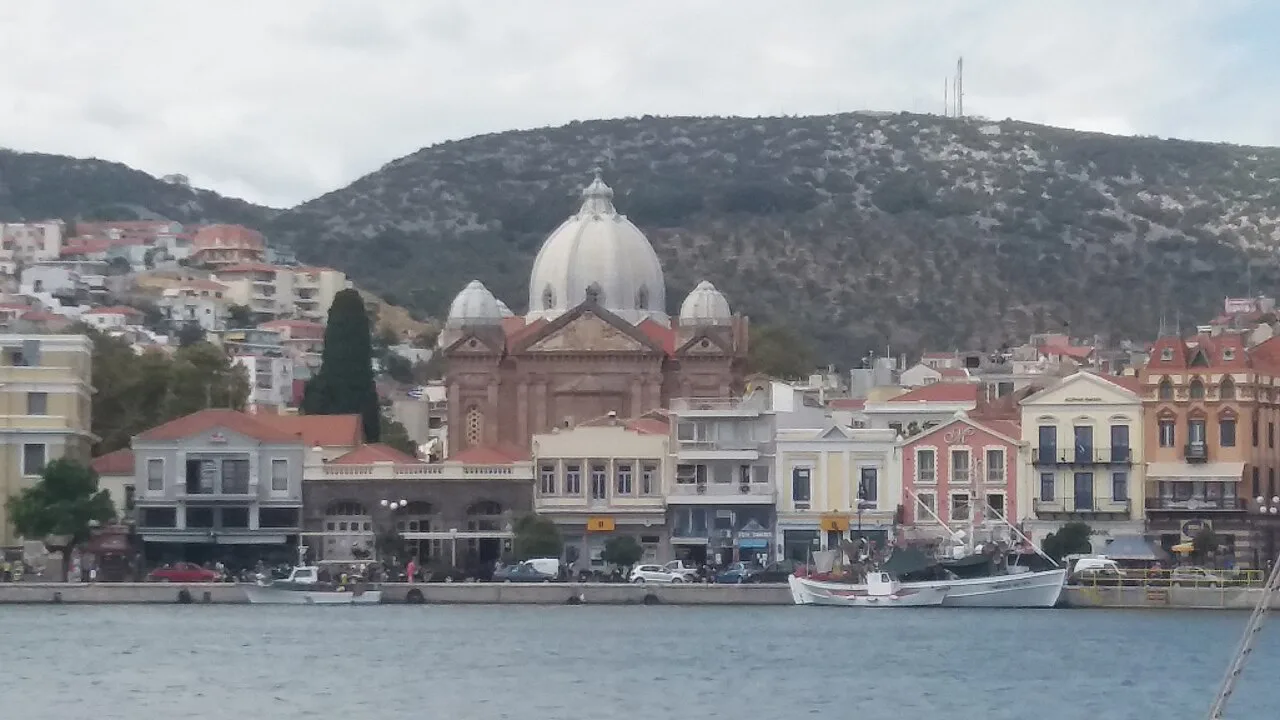
Tinos belongs to the wider Cyclades chain, but it plays a different role from its famous neighbors. Panagia Evangelistria in Tinos town is the island's spiritual center and draws pilgrims from across Greece. Inland, Pyrgos and Volax anchor the village side of the island. Exomvourgo, the great rock above the interior, and the dovecotes scattered over the hillsides give the landscape its look. Official overview material is on Visit Greece's Tinos page. Our verdict: Tinos rewards slow, curious travelers and disappoints anyone chasing beach clubs.
- Best for: walkers, culture-minded travelers, repeat Greece visitors and anyone wanting village life.
- Skip it if: you want a late-night party scene, a single compact resort strip or guaranteed calm seas.
- Main town and port: Tinos town, home to the pilgrimage church.
- Signature sights: Panagia Evangelistria, Pyrgos, Volax, Exomvourgo and the dovecotes.
- Character: devout, local and low-key outside the main pilgrimage periods.

Is Tinos Worth It? Tinos vs Mykonos, Syros and Andros
Tinos is worth the ferry if you value atmosphere over amenities. Mykonos sits next door but offers a very different trip. If you are still choosing between the headline islands, our Mykonos and Santorini comparison covers that decision. Syros and Andros are the closer matches for a quieter visit. Here is how the four compare in broad terms.
| Island | Crowds | Character | Nightlife | Best for |
|---|---|---|---|---|
| Tinos | Moderate, with peaks around pilgrimage dates | Devout, village-led, craft heritage | Low-key | Villages, walking, culture |
| Mykonos | Heavy in summer | Cosmopolitan, resort-driven | Extensive | Beach clubs, dining out |
| Syros | Moderate | Island capital with year-round local life | Modest | Town life, architecture |
| Andros | Light | Green, walking-oriented | Minimal | Hikers, quiet stays |
How to Get to Tinos
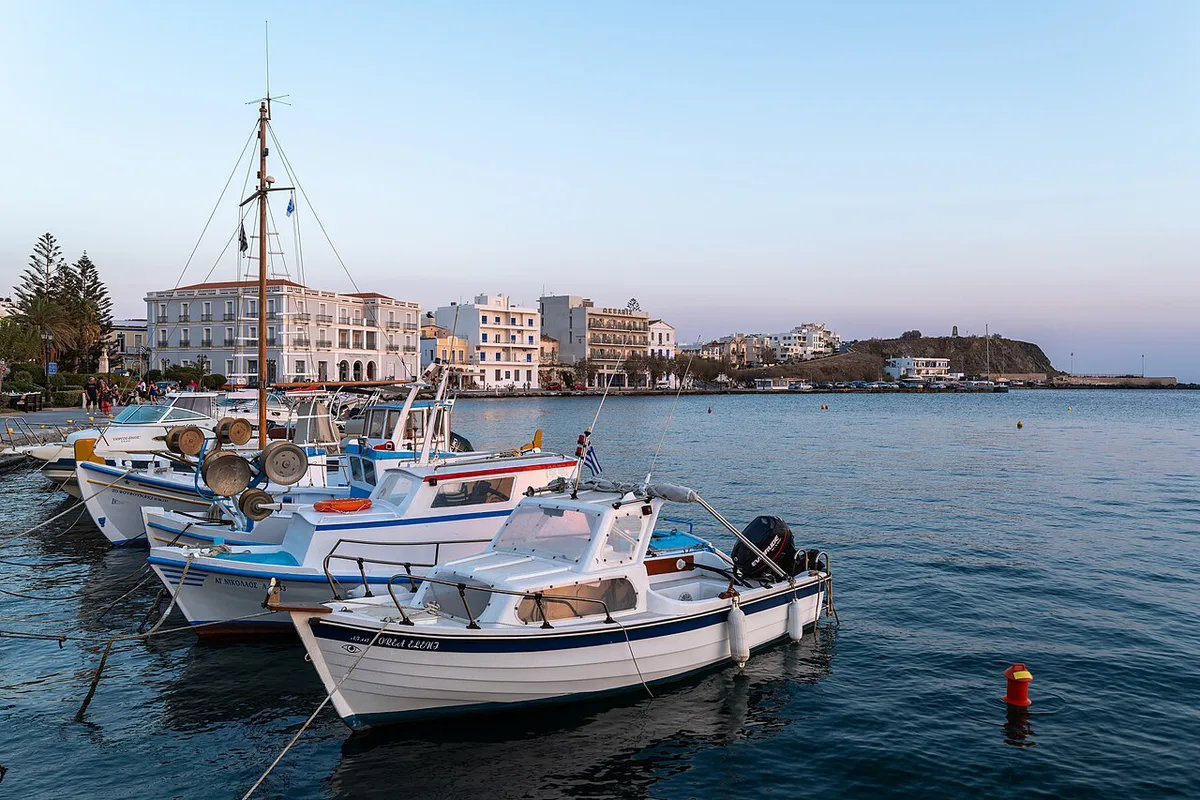
Ferries to Tinos typically leave from the Athens-area ports of Piraeus and Rafina. Check departures and port details with the Piraeus Port Authority. Rafina departures are listed by the Rafina Port Authority. Frequency changes sharply by season, with more sailings in summer and fewer in winter. Book early for August, and avoid a tight return ferry on your last day. Our Athens to Mykonos ferry guide gives context on a neighboring route. Our Athens to Paros ferry guide does the same for the central Cyclades. Neither is a Tinos timetable, so confirm Tinos sailings with the operator.
How Many Days to Spend on Tinos

Village distances make a flying visit frustrating. Two days covers Tinos town and one inland loop. Three days adds a second village area and a beach day. Five days lets you walk, wait out windy weather and see the island without hurry.
With 5 days, you can keep a spare day for wind, since the meltemi can make exposed beaches unpleasant.
- 2 days: Panagia Evangelistria and Tinos town, then Pyrgos by car or bus. Cut Volax and the hiking.
- 3 days: add Volax, Exomvourgo views and one unhurried beach afternoon. Cut the far-flung coves.
- 5 days: add a long village walk, a dovecote circuit and a spare day for wind. Cut nothing, and keep a flexible day for ferry delays.
Best Things to Do in Tinos
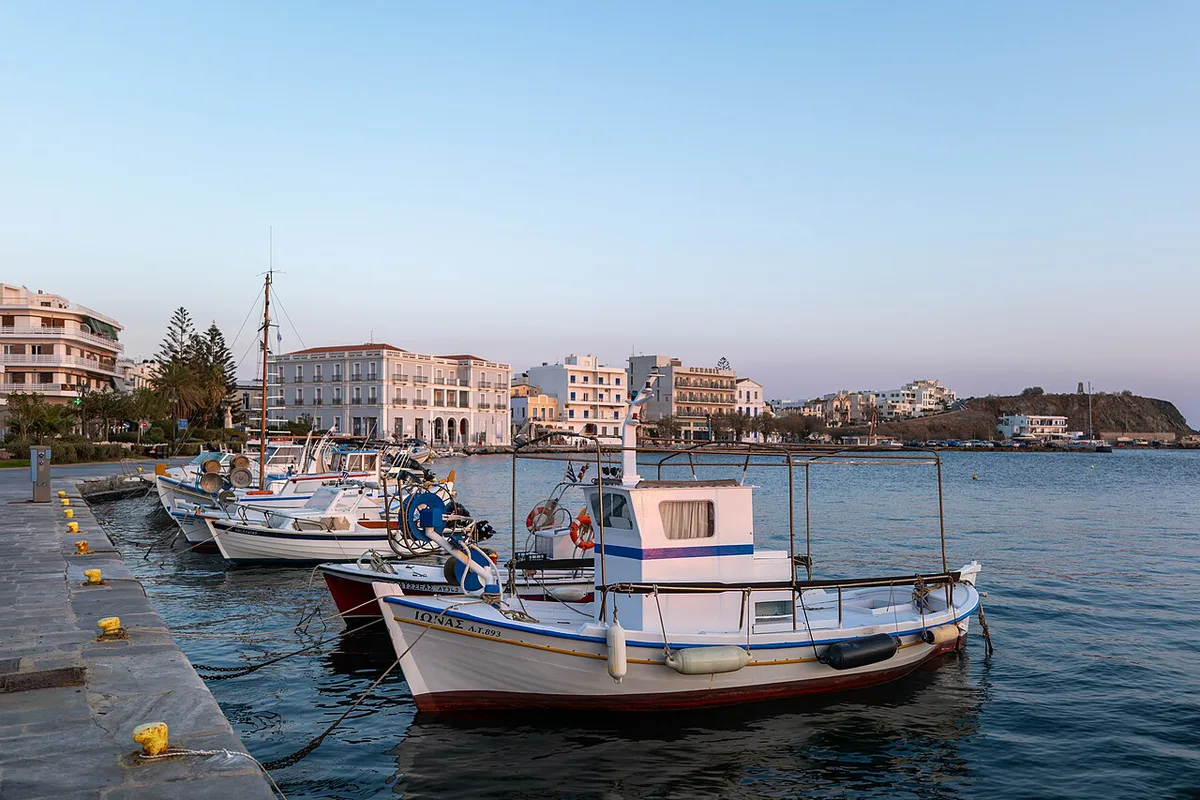
Start in Tinos town at Panagia Evangelistria, the church that defines the island. Dress modestly, expect queues around major feast days, and respect worshippers. Pyrgos is the marble-craft village, where sculpting heritage shows in the streets and workshops. Volax sits among rounded boulders and a landscape quite unlike the rest of the Cyclades. Exomvourgo, the rock above the interior, rewards anyone who likes a climb and a wide view. Tinos is also famous for its dovecotes, ornate stone structures that appear across the countryside. Walking between villages is the best way to find them. Opening hours for the church, museums and workshops change, so check locally before building a day around one.
Best Beaches and Which Coast to Choose
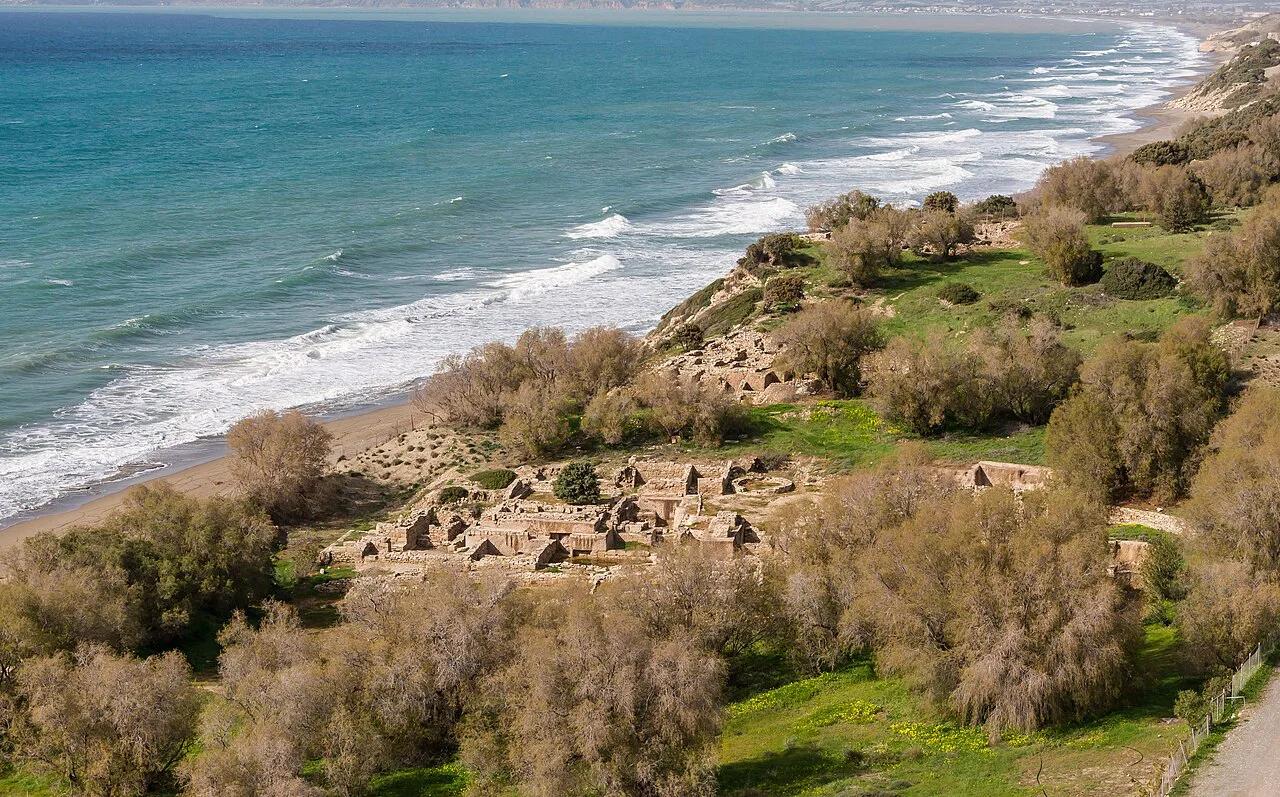
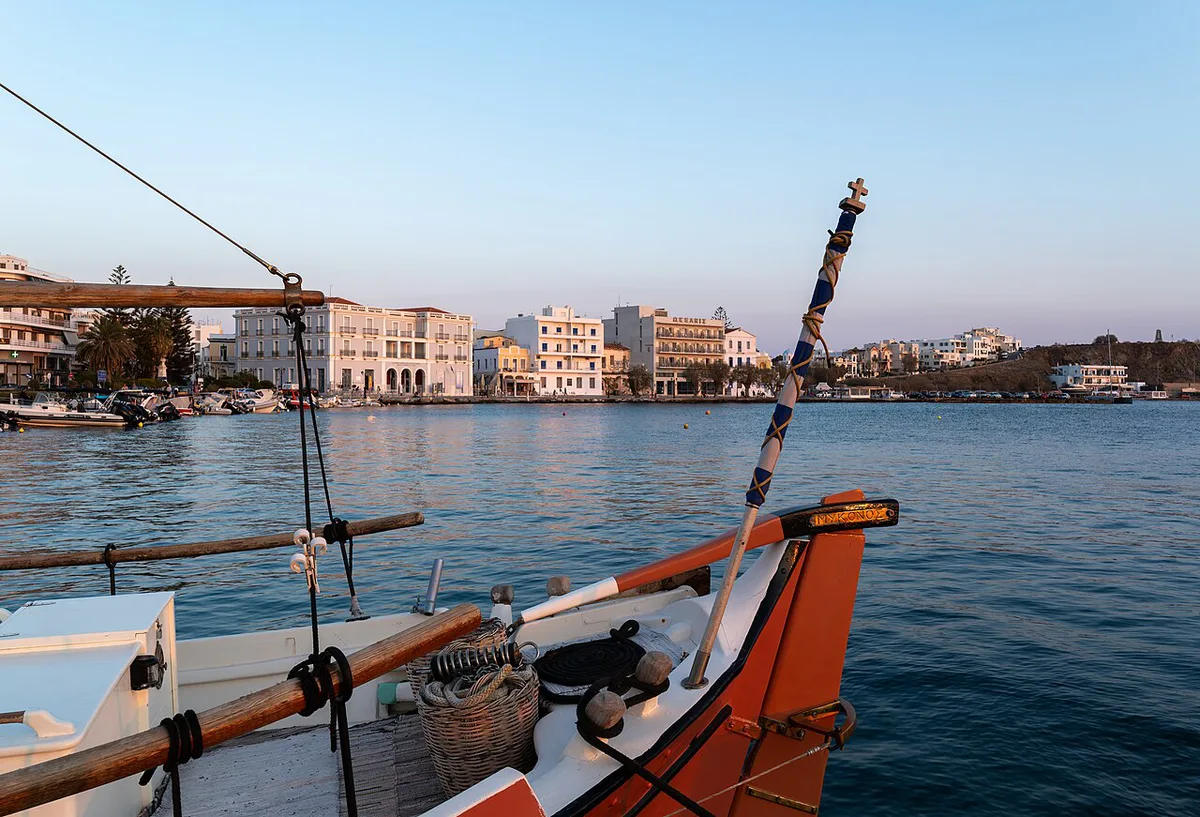
Wind decides your beach day on Tinos. The summer meltemi blows hard across the Cyclades, and exposed beaches can be unpleasant when it does. Read the forecast each morning and pick the sheltered side of the island. Organized beaches suit families and anyone who wants a sunbed and a taverna. Quieter coves reward travelers with a car and a flexible plan. Keep the north versus south choice flexible rather than fixed in advance.
Food and Local Specialties

Order local products first. Kopanisti, a sharp, creamy cheese, and louza, a cured pork, are the usual starting points. Artichokes appear on menus in season. Skip generic pizza and grilled-meat menus near the port, and walk into the villages for home-style cooking. Ask what the kitchen made that morning.
Where to Stay and How to Get Around
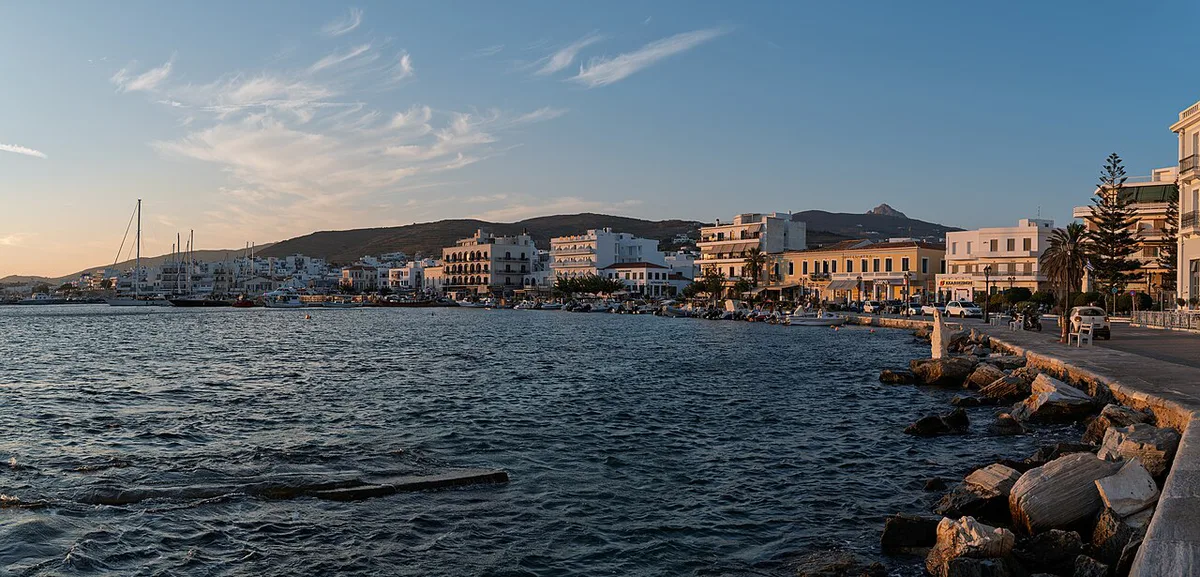
Tinos town is the easiest base, with the port, the church and the widest choice of restaurants. Villages suit travelers who want quiet evenings and don't mind driving after dark. Beach areas work for short, sun-focused stays. A rental car or scooter gives the most freedom. Village roads are narrow, parking in older centers is tight, and evening transport is limited. Buses connect main places, but ask at the port for the timetable. Fill the tank before heading inland. Taxis help with port transfers and one-off trips.
Best Time to Visit and Pilgrimage Dates
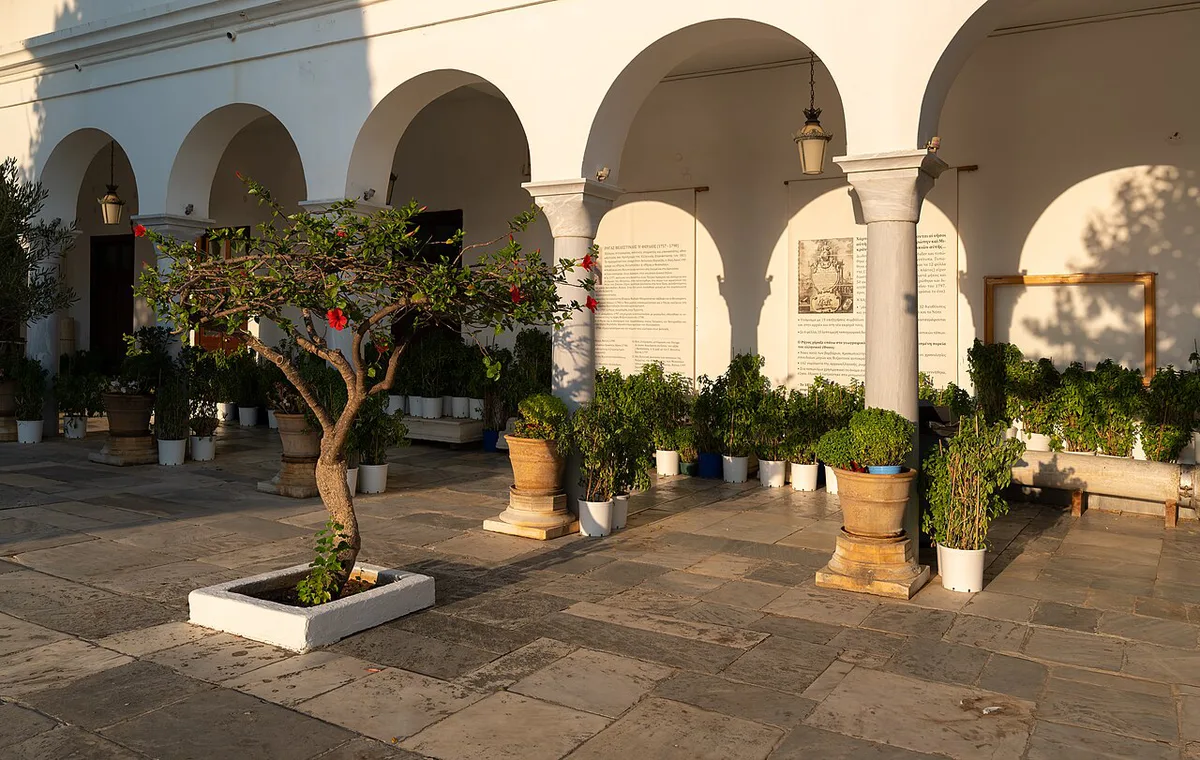
Late spring and September are the sweet spot for weather and fewer crowds. July and August bring the strongest winds and the busiest ferries. August 15, the Dormition of the Virgin, is Tinos's biggest pilgrimage observance. Accommodation and ferries tighten sharply around it. Book rooms and tickets well ahead if you travel then. If you visit during the observance, dress respectfully and leave space for worshippers. Ask local or church sources about exact customs and events before you go.
Costs and Budget Trade-offs
Tinos usually costs less than Mykonos and sits at a mid level for the Cyclades. Ferry fares, car hire, accommodation and the season drive your budget most. Budget travelers can save with off-peak dates, a village guesthouse and buses. Mid-range travelers should add a rental car for a few days. A high-end trip means peak-season stays and private transfers. Ask the ferry operators and the port authorities for current fares.
Season drives cost most, and August 15 brings the biggest pilgrimage observance, when accommodation and ferries tighten sharply.
Planning Mistakes to Avoid
A few predictable errors spoil an otherwise easy trip.

- Picking a wind-exposed beach on a meltemi day instead of checking the forecast first.
- Staying only one night and ignoring the distances between villages.
- Booking a return ferry for the same afternoon you plan to leave a village.
- Arriving around August 15 without a room or ticket.
- Visiting the church in beachwear.
Combining Tinos With Other Cyclades
Pair Tinos with the neighboring island that matches your pace. Syros adds a lively island capital. Andros adds hiking and green valleys. Look at the ferry map before committing to any pairing, because direct links vary. For a wider quiet-island trip, consider these options, each with its own route logic.
- Sifnos for village walking and pottery heritage.
- Serifos for a stripped-back hilltop capital.
- Antiparos for a small, relaxed beach stay.
- Folegandros for cliffside village scenery.
- Amorgos for dramatic walking and a monastery.
- Koufonisia for shallow beaches.
- Ios for a livelier, youthful scene.
Useful notes for your next island trip
Optional updates to our guides.
You might also like
Continue reading
More guides you'll find useful