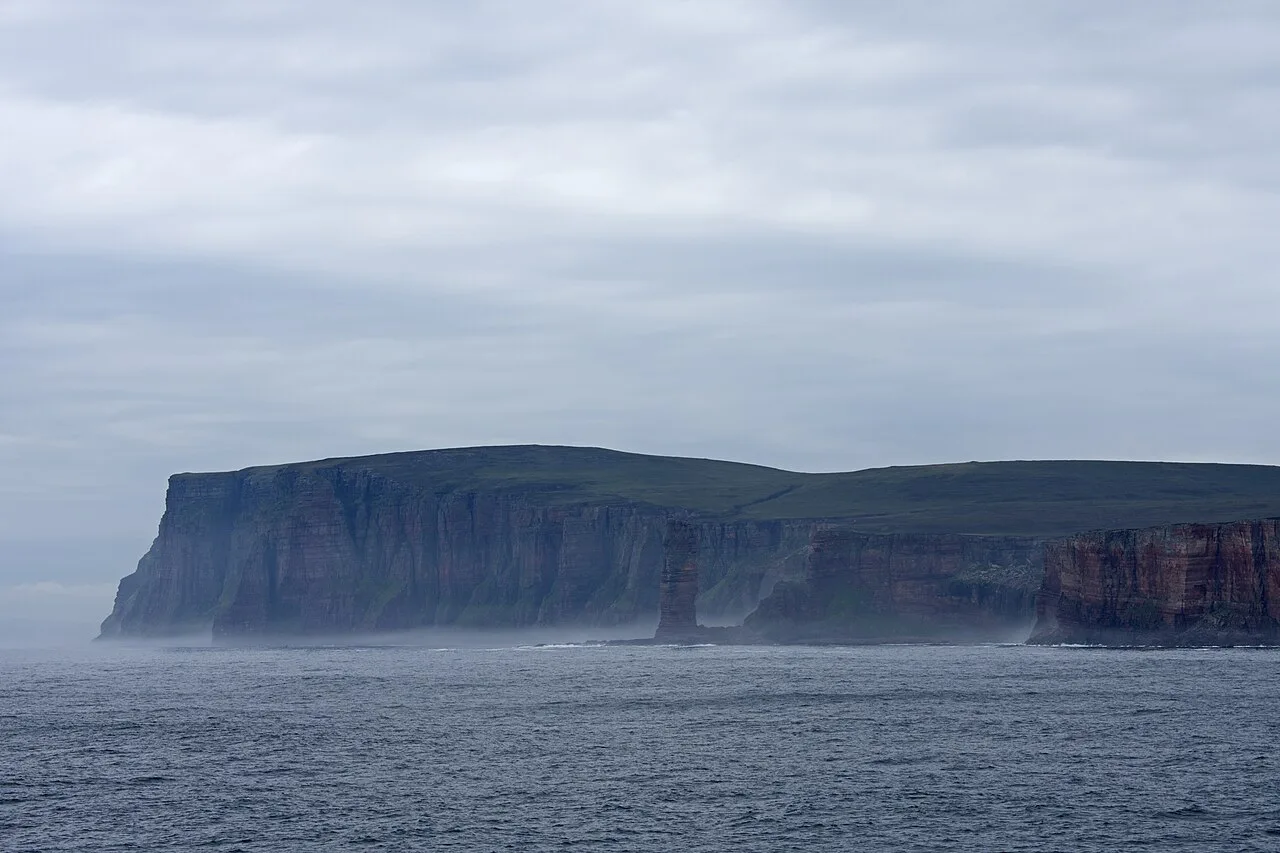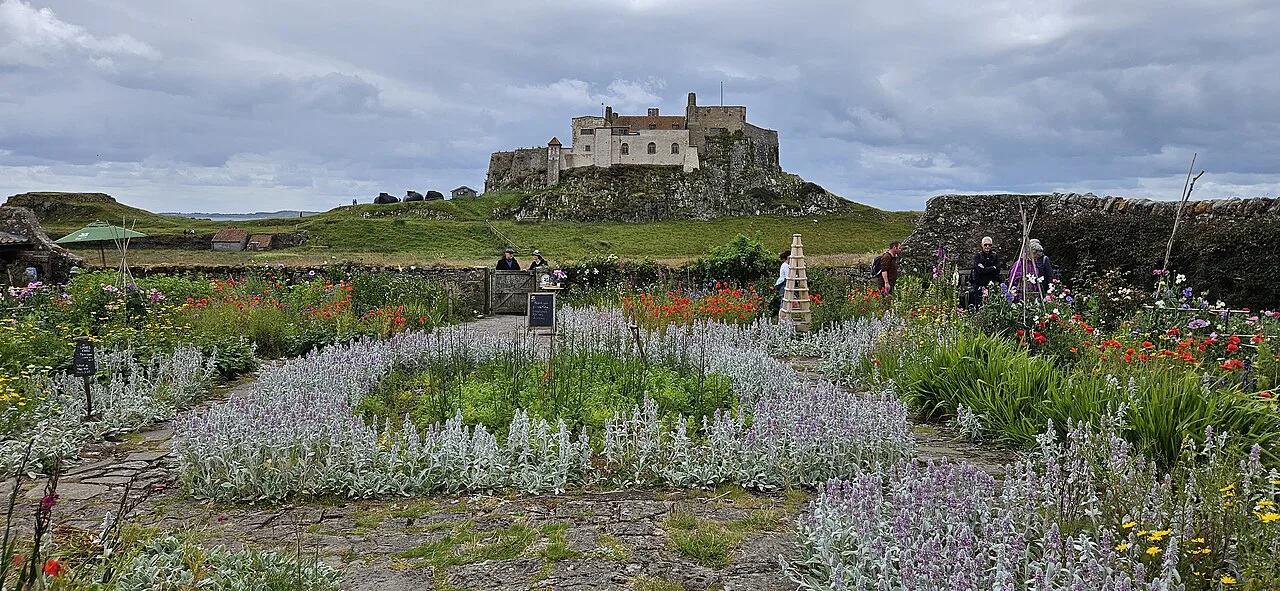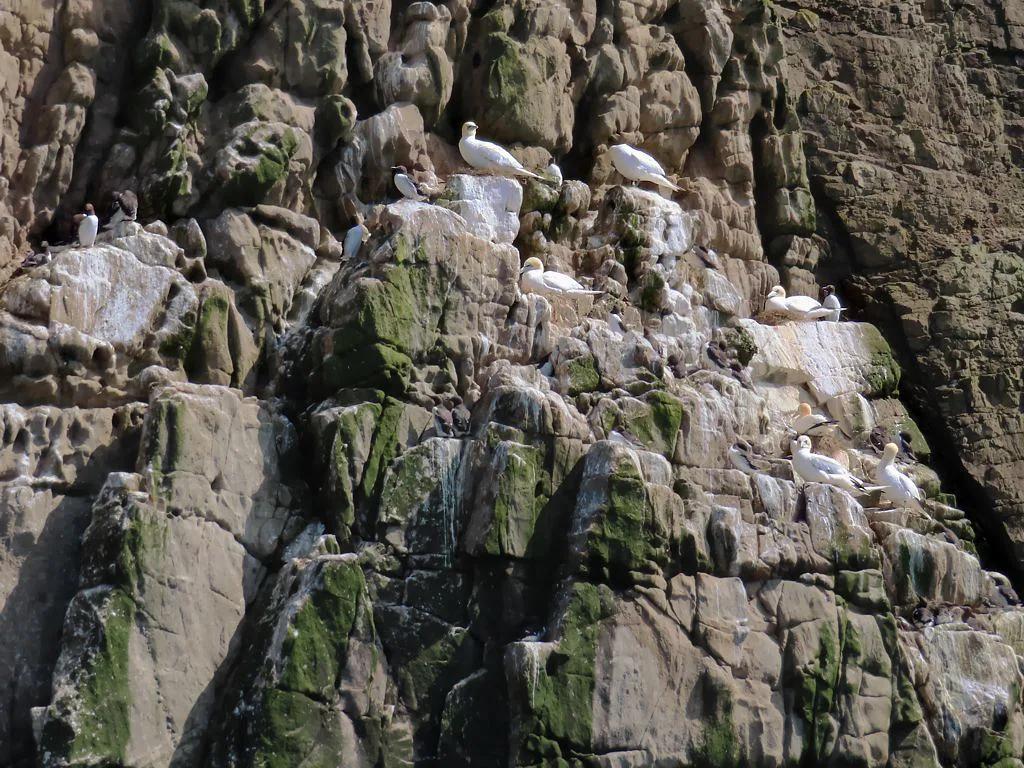
Shetland Islands Travel Guide: Islands, Ferries, When to Go
Plan Shetland: where it is, how to get there, which islands to visit, how many days you need, and when to go. Practical trade-offs included.
On this page
Last updated November 2026. The Shetland Islands are a Scottish archipelago in the North Atlantic, northeast of the mainland and the most northerly part of the UK. You reach them by an overnight ferry from Aberdeen or a short flight to Sumburgh, and three to five days is a sensible first visit. Below you will find how to choose islands, when to go and what to expect once you land.
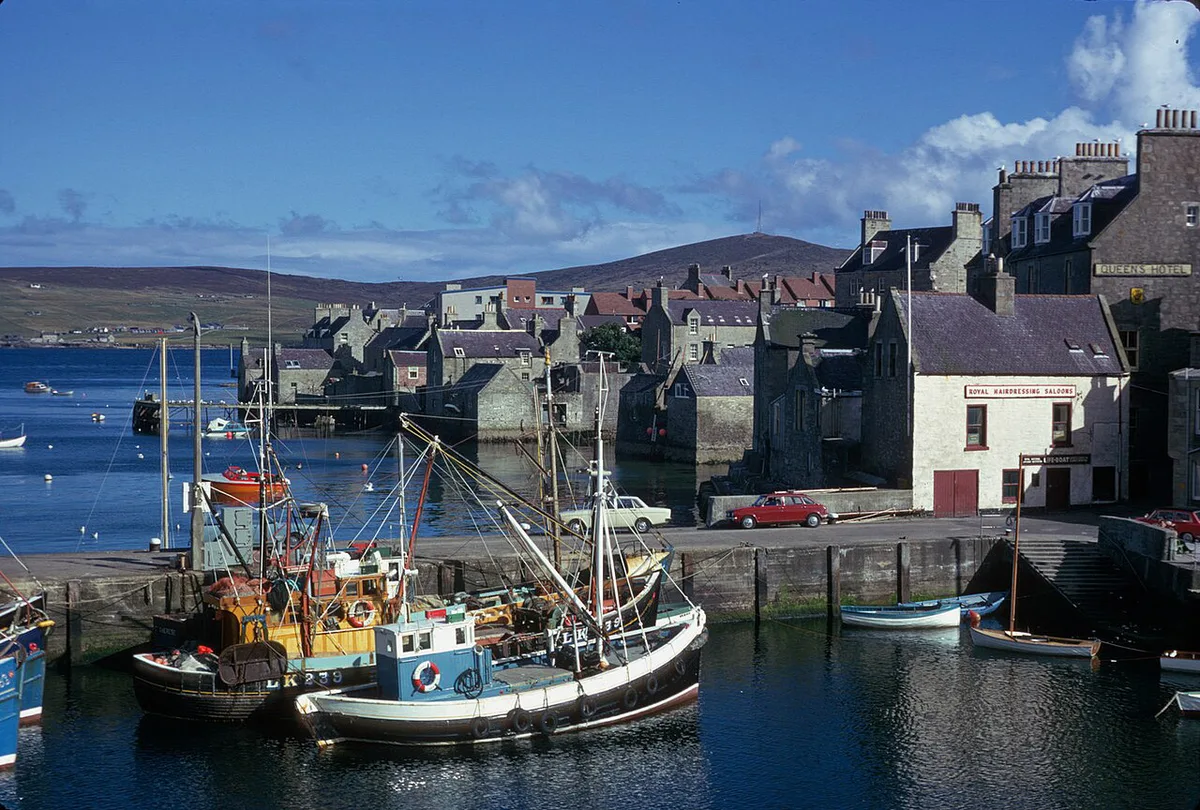
Featured image: D-Stanley, CC BY 2.0, via Flickr.
Where Are the Shetland Islands?
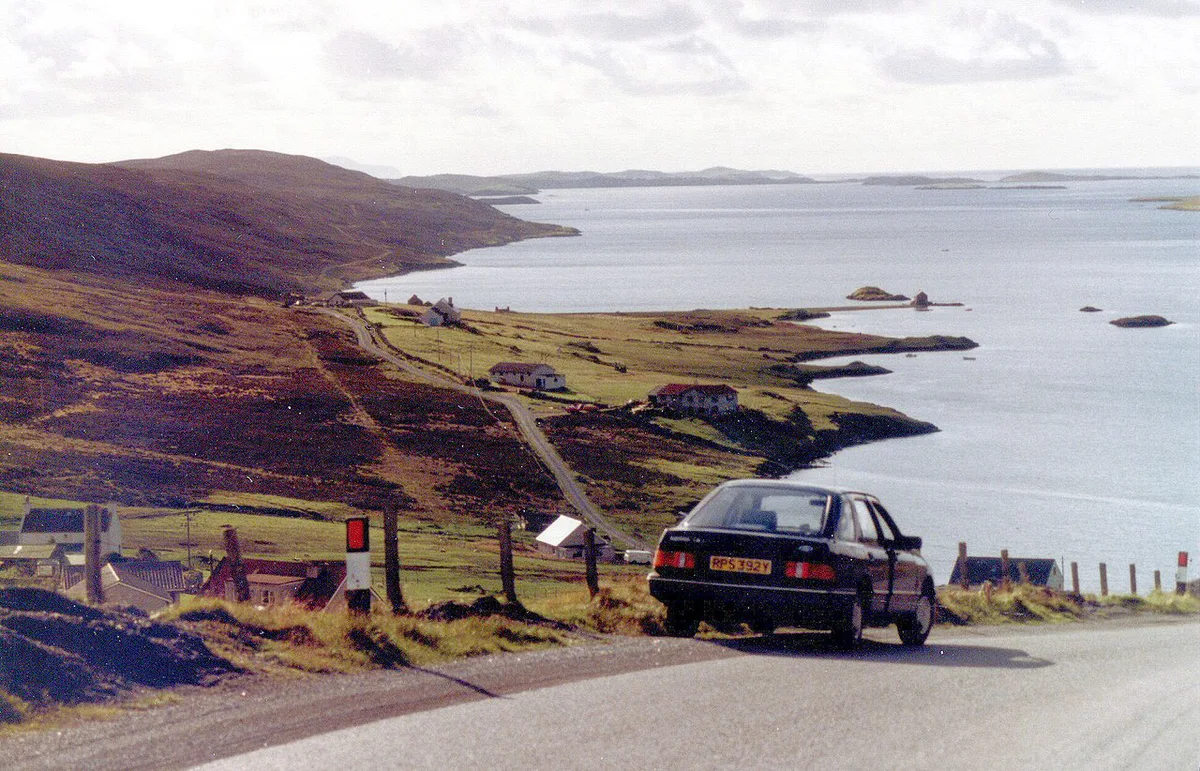
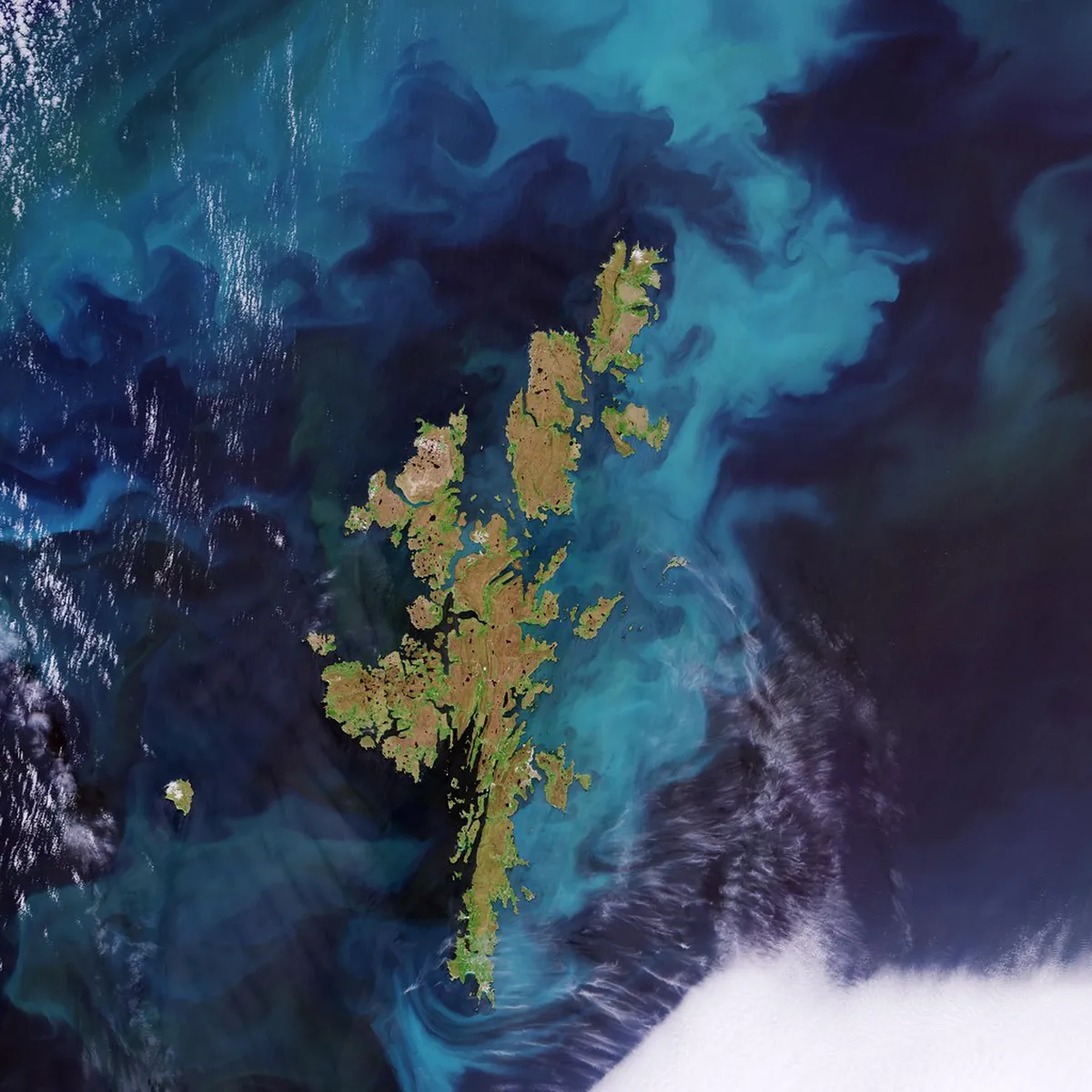
Shetland sits between Orkney, the Faroe Islands and Norway. Scotland is the nearer landmass for travel purposes, and Shetland is part of Scotland. Around 100 islands and skerries make up the group, and about 16 of them are inhabited. Lerwick is the main town and administrative centre. Most visitors base themselves on Mainland, the largest island, with Lerwick on the east side and Sumburgh Airport at the southern tip. Distances to Orkney are quoted differently from source to source, so this guide avoids a single figure. For official visitor information, start with Promote Shetland.
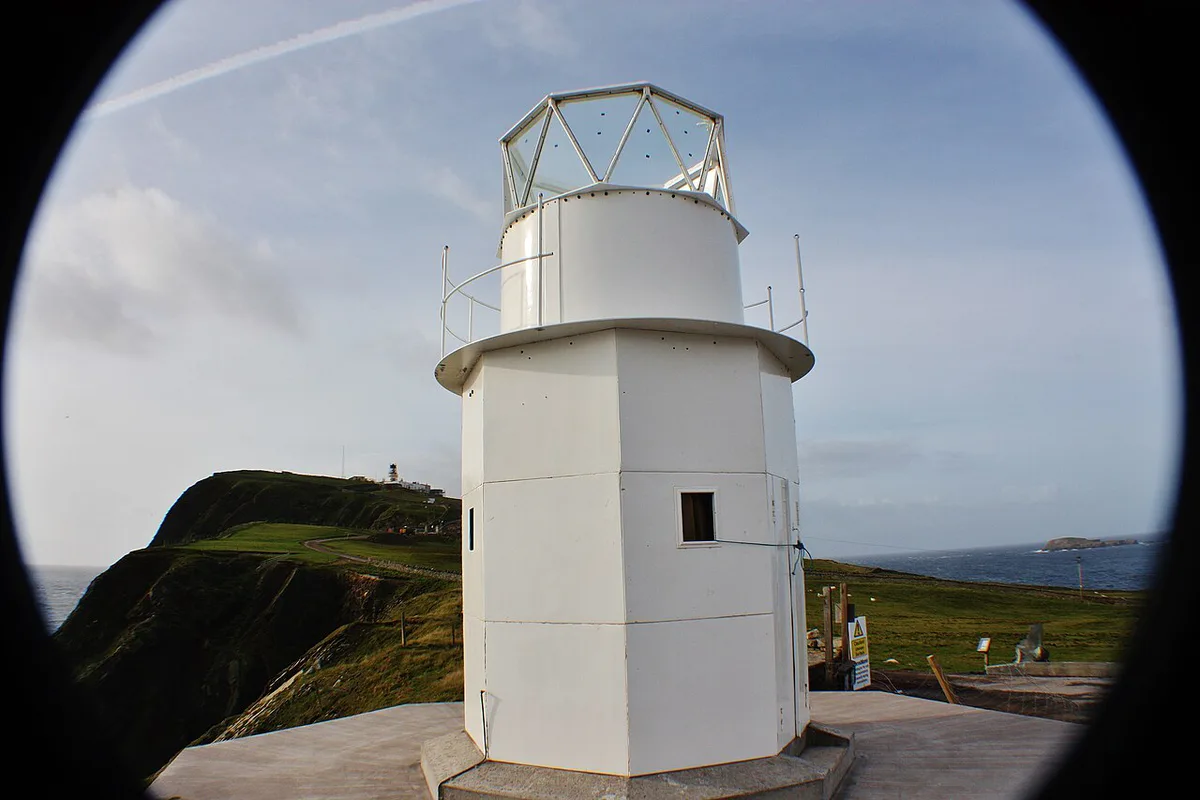
- Location: North Atlantic, northeast of mainland Scotland
- Size: around 100 islands and skerries, about 16 inhabited
- Main town: Lerwick, on Mainland
- Airport: Sumburgh, at the south end of Mainland
- Currency: pounds sterling, with cards widely used in towns
How to Get to Shetland: Ferry vs Flight
The overnight ferry from Aberdeen to Lerwick takes 12 to 13 hours. It sails seven nights a week in both directions, and three of those sailings call at Kirkwall in Orkney. Cabins, a restaurant and a bar are on board, and you can bring a car, motorhome or bike. Timetables and fares sit on the NorthLink Ferries site. Flights run to Sumburgh from Aberdeen, Edinburgh and Glasgow, and Loganair is the carrier named for these routes. Our guide to getting to Shetland compares the routes in more depth. Read the Aberdeen to Shetland Ferry: Times, Cabins & Tips page for cabin and boarding detail.
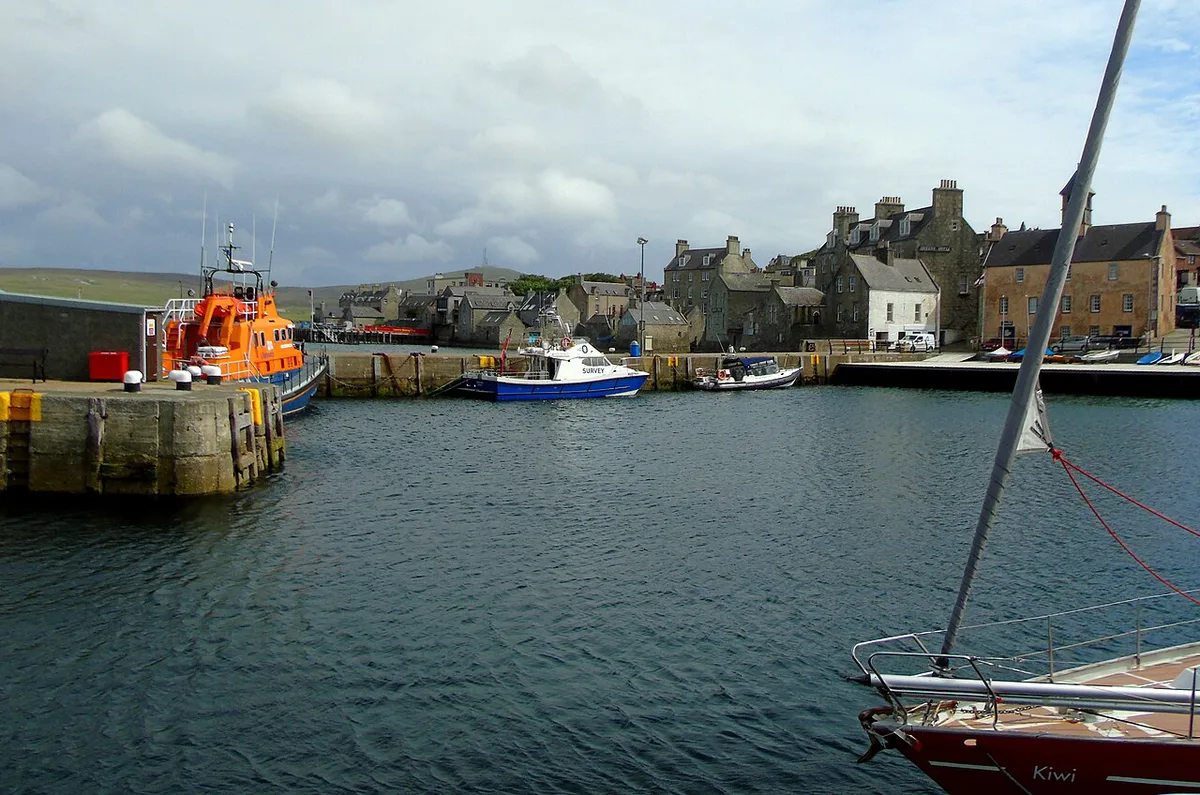
Overnight sailings from Aberdeen take 12 to 13 hours, so a three-day Shetland base may lose much of its first day to travel.
| Option | Time | Best for | Weather risk |
|---|---|---|---|
| Overnight ferry | 12-13 hours | Bringing a car, slow arrival, luggage-heavy trips | Rough seas can delay or alter sailings |
| Flight to Sumburgh | Short flight from Aberdeen, Edinburgh or Glasgow | Short stays, no car needed from home | Wind and fog can cancel flights |
How Many Days Do You Need?
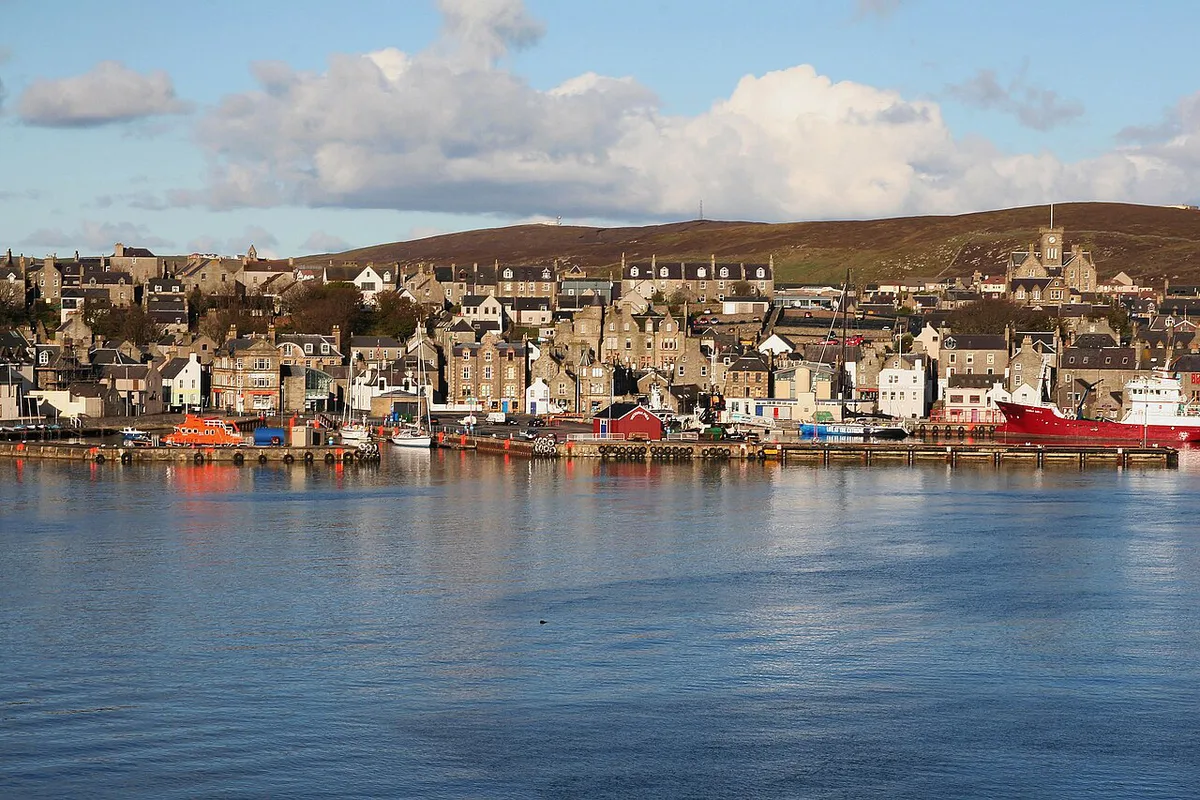
Three days is enough for Lerwick, Jarlshof and a coastal walk, but little more. Five days lets you add Unst or Yell with a night away from your Mainland base. A week or more makes room for Mousa, Foula or Fair Isle, where weather decides whether you get there or home on schedule. Do not try to fit a remote island into a short stay.
| Length | What fits | Base |
|---|---|---|
| 3 days | Lerwick, Jarlshof, Shetland Museum, one coastal walk | Lerwick |
| 5 days | Add Unst and Yell, plus Scalloway | Lerwick, then one night north |
| 7+ days | Add Mousa, then Foula or Fair Isle with spare days for weather | Mainland plus an island night |
Best Things to Do in Shetland
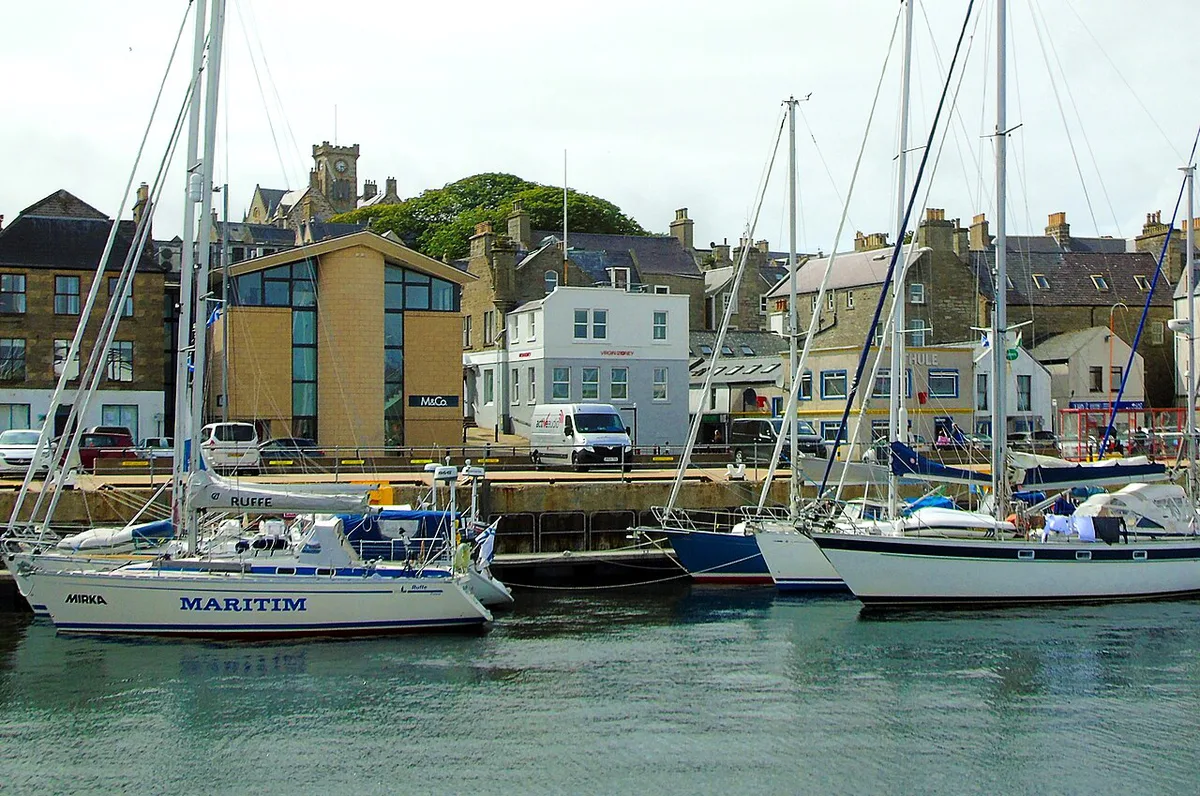
Jarlshof, near Sumburgh, holds settlement layers from the Bronze Age through Norse longhouses to a laird's house, and its history runs over 4,000 years. Mousa Broch, reached by boat, is described as Scotland's best-preserved Iron Age broch. Clickhimin and St Ninian's Isle add more archaeology. In Lerwick, Shetland Museum and Archives on Hay's Dock covers seafaring, textiles and archaeology. The Croft House Museum in Dunrossness recreates a thatched croft of the 1870s. For seabirds, walk Hermaness on Unst, and read the NatureScot site for reserve guidance. Skip Jarlshof in a gale if you dislike exposed cliff-top paths. Skip Mousa if you cannot commit to a boat trip that depends on sea conditions.

- Archaeology: Jarlshof, Mousa Broch, Clickhimin, St Ninian's Isle
- Museums: Shetland Museum and Archives, Croft House Museum
- Wildlife and coast: Hermaness on Unst, Eshaness cliffs, Noss
- Towns: Lerwick harbour and lanes, Scalloway and its castle
Which Shetland Islands to Visit
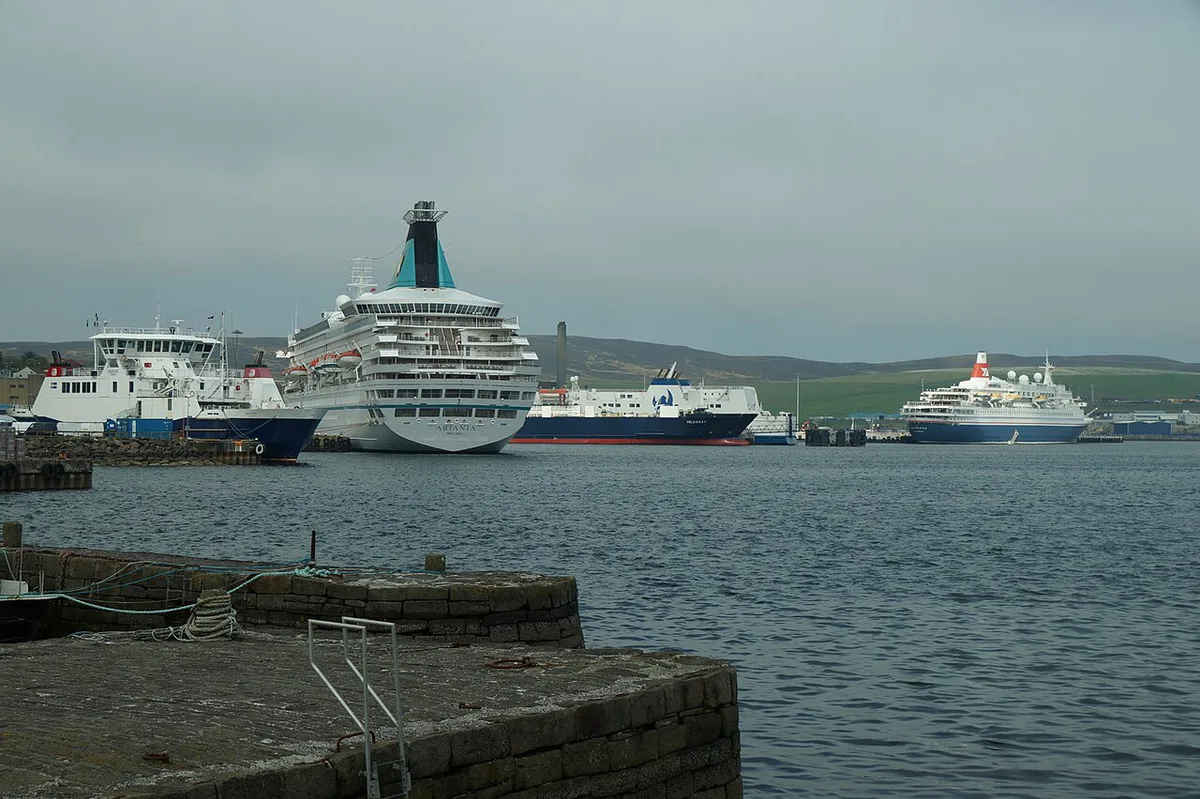
Mainland connects by road to most of what you want in a short trip. Yell and Unst are reached by inter-island ferry and then by road. Fetlar, Whalsay and Bressay are smaller ferry hops. Mousa needs a boat. Foula and Fair Isle need a small plane or a ferry and an overnight stay. Check current inter-island timetables with Shetland Islands Council. Read about Unst, Foula and Fair Isle Travel Guide: Getting There and What to See before committing. Fair Isle also has its own bird observatory for planning stays.
| Island | Access | Effort | Best for | Overnight? |
|---|---|---|---|---|
| Mainland | Road, flight or ferry from Scotland | Low | Lerwick, Jarlshof, Scalloway | Yes, base here |
| Yell | Inter-island ferry | Low | Drive-through, coast walks | Optional |
| Unst | Ferry via Yell | Medium | Hermaness, Norwick, northern views | Recommended |
| Fetlar | Ferry | Medium | Birds, wildflowers | Optional |
| Whalsay | Ferry | Low | Fishing village at Symbister | No |
| Bressay | Short ferry from Lerwick | Low | Easy day trip | No |
| Mousa | Boat | Medium | Broch | No |
| Foula | Small plane or ferry | High | Remote cliffs, isolation | Yes |
| Fair Isle | Small plane or ferry | High | Birdwatching, knitting heritage | Yes |
When to Go: Season by Season
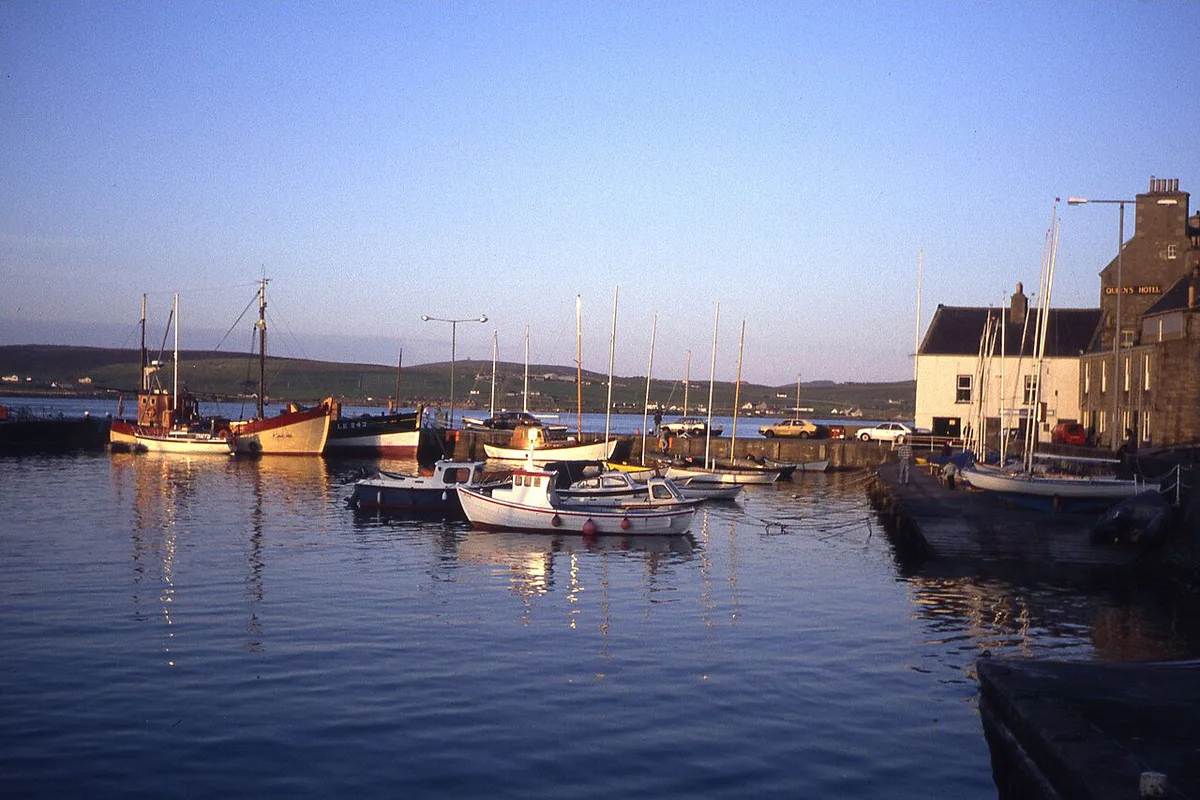
Summer, from June to August, brings the longest daylight, seabirds and the easiest travel. Spring and autumn are quieter, with changeable weather. Winter is dark, windy and wet, and ferries and flights can be disrupted. Lerwick's January fire festival, Up Helly Aa, is a winter highlight, and you should check public access and ticketing with the organisers. Pack waterproof layers and a windproof jacket in every season.
| Season | Strengths | Trade-offs |
|---|---|---|
| Spring (Apr-May) | Fewer visitors, seabirds returning | Cool and changeable |
| Summer (Jun-Aug) | Long daylight, wildlife, most services | Busiest for beds and cars |
| Autumn (Sep-Oct) | Quiet roads, rugged coast | Wetter, more wind |
| Winter (Nov-Mar) | Up Helly Aa in January, dark-sky evenings | Short days, storms, cancellations |
Getting Around and Where to Stay
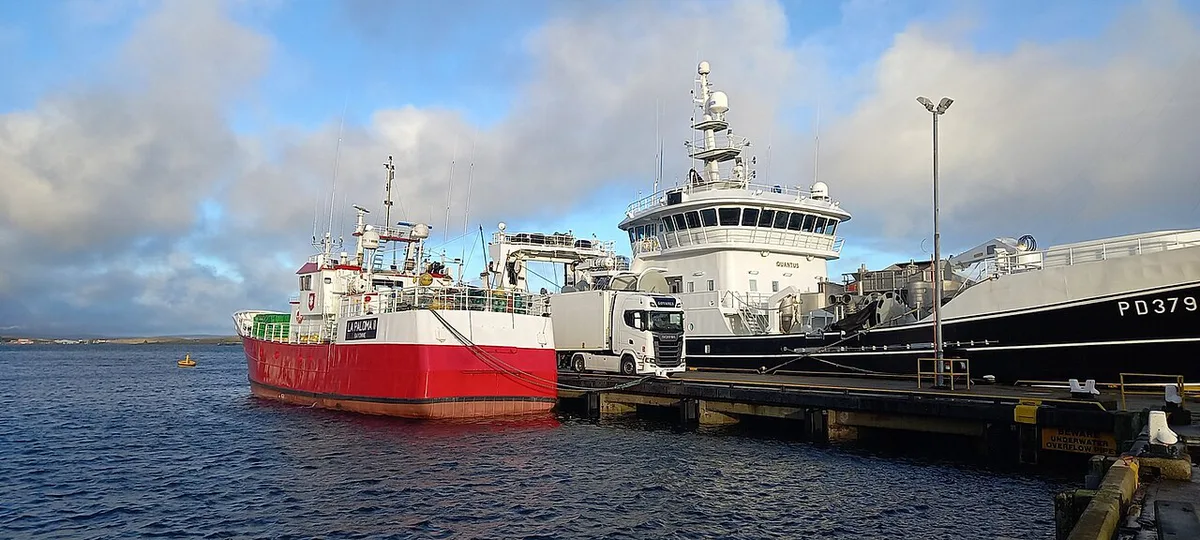
A car is usually the practical choice on Mainland, because villages and sights are spread out. Buses and bikes work for Lerwick and short hops. Yell and Unst ferries carry vehicles, so check space and times on the council page before you go. Lerwick has the most beds, restaurants and shops. Rural bases suit walkers and birdwatchers. Book beds, cars and ferry places early for summer.
Costs and Practicalities
No current fares are given here, so check NorthLink, Loganair and the council ferry pages for today's prices. Expect higher costs than on the mainland for transport and fuel.
- Ferry and flights: usually the largest single cost, so compare both early
- Car hire: higher in summer, often worth reserving with your ticket
- Accommodation: highest in July and August
- Food: cheapest as self-catering, with seafood restaurants costing more
- Cash and cards: cards work in towns, carry some cash for small rural shops
- Services: opening hours are limited outside Lerwick
Food and Local Culture
Reestit mutton soup, Shetland lamb, local seafood, bannocks and beremeal, a Shetland barley flour, are the dishes to look for. Knitwear and fine wool are Shetland's best-known crafts. Norse heritage shows in place names, and the local dialect carries Norn influence. Many place names, such as Hjaltland, the old Norse name, reflect that past.
Combine Shetland with Orkney?
Some NorthLink sailings between Aberdeen and Lerwick call at Kirkwall, which makes a combined trip workable. Add at least three days for Orkney. Start with our Orkney Islands guide. Our Orkney travel guide covers the routes. The Scrabster to Stromness crossing is the shorter sea route from the north coast. Walkers can add Hoy for cliffs and hill paths.
Add at least three days for Orkney. Pair that with the three to five days Shetland needs and a combined trip gets long quickly.
Frequently Asked Questions
How long is a ferry from Scotland to Shetland?
The overnight NorthLink ferry from Aberdeen to Lerwick takes 12 to 13 hours. Some sailings call at Kirkwall in Orkney along the way.
Who owned Shetland before Scotland?
Shetland belonged to the Norwegian crown before Scotland took it. In 1469 the islands passed to Scotland as security for a royal dowry.
Useful notes for your next island trip
Optional updates to our guides.
You might also like
Continue reading
More guides you'll find useful