Foula Island Guide: Getting There, Staying, Planning
Plan a trip to Foula, Shetland's remote island: flight vs ferry, weather risks, where to stay and who should skip it.
On this page
Last updated November 2026: Foula is a remote, inhabited island west of Mainland Shetland, and you can reach it only by a booked flight or ferry. Both depend on weather, so build spare days into any trip. Below you will find the Walls ferry, the Tingwall flights, and who should pick an easier island instead.
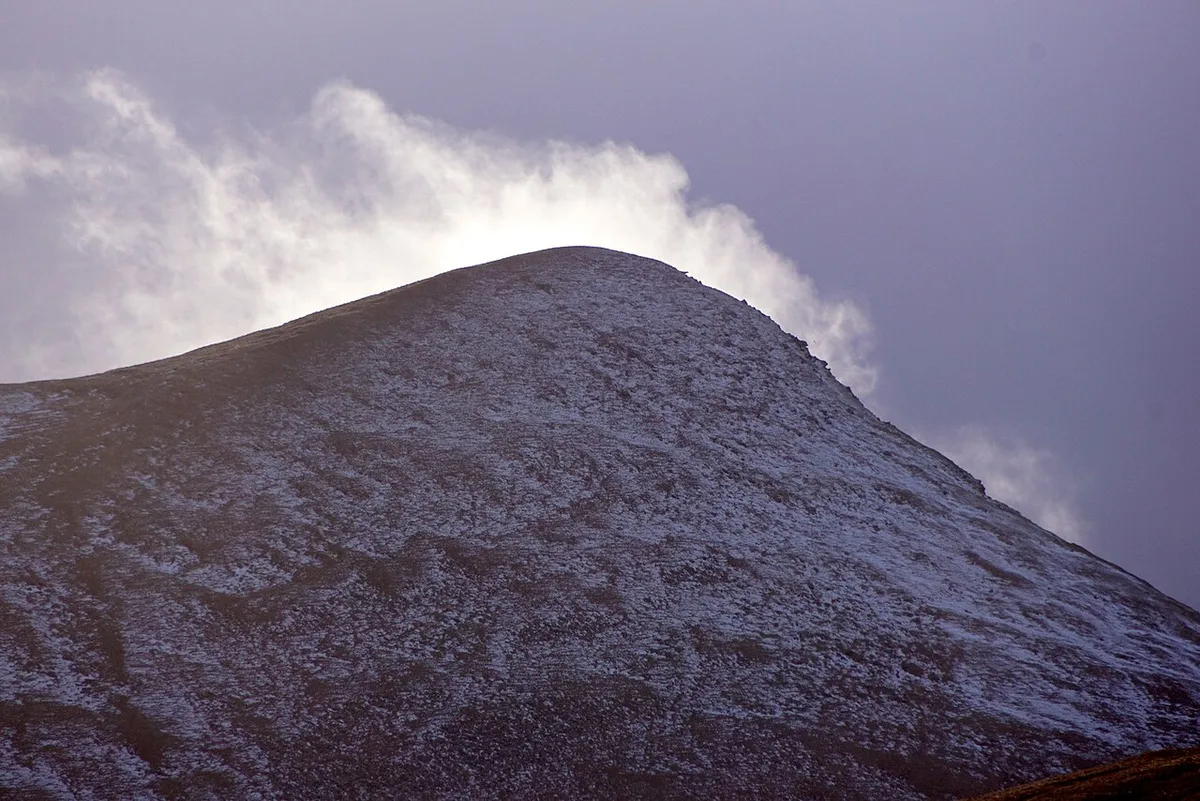
Featured image: Julian Paren, CC BY-SA 2.0, via Wikimedia Commons.
Foula at a glance: is it worth the effort?
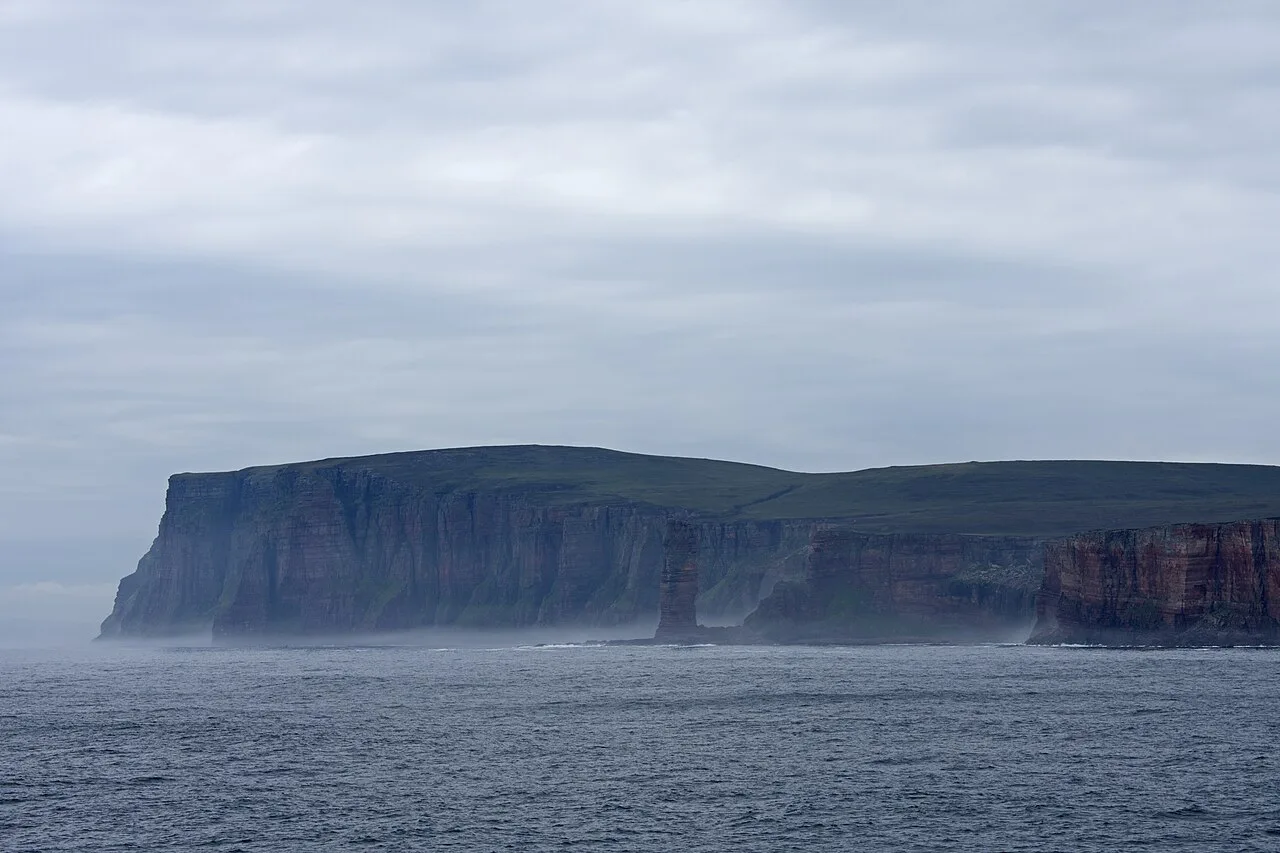
Foula covers about 1,265 hectares west of Mainland Shetland. It rises to The Sneug at 418 m (about 1,371 ft), one of five hills. Moorland, steep sea cliffs and several lochs fill the rest. Walkers, birdwatchers and people who want real quiet get the most from it. Skip it if your dates are fixed or you need easy services. For gentler stops, start with our guide to the Shetland Islands Travel Guide: Islands, Ferries, When to Go.
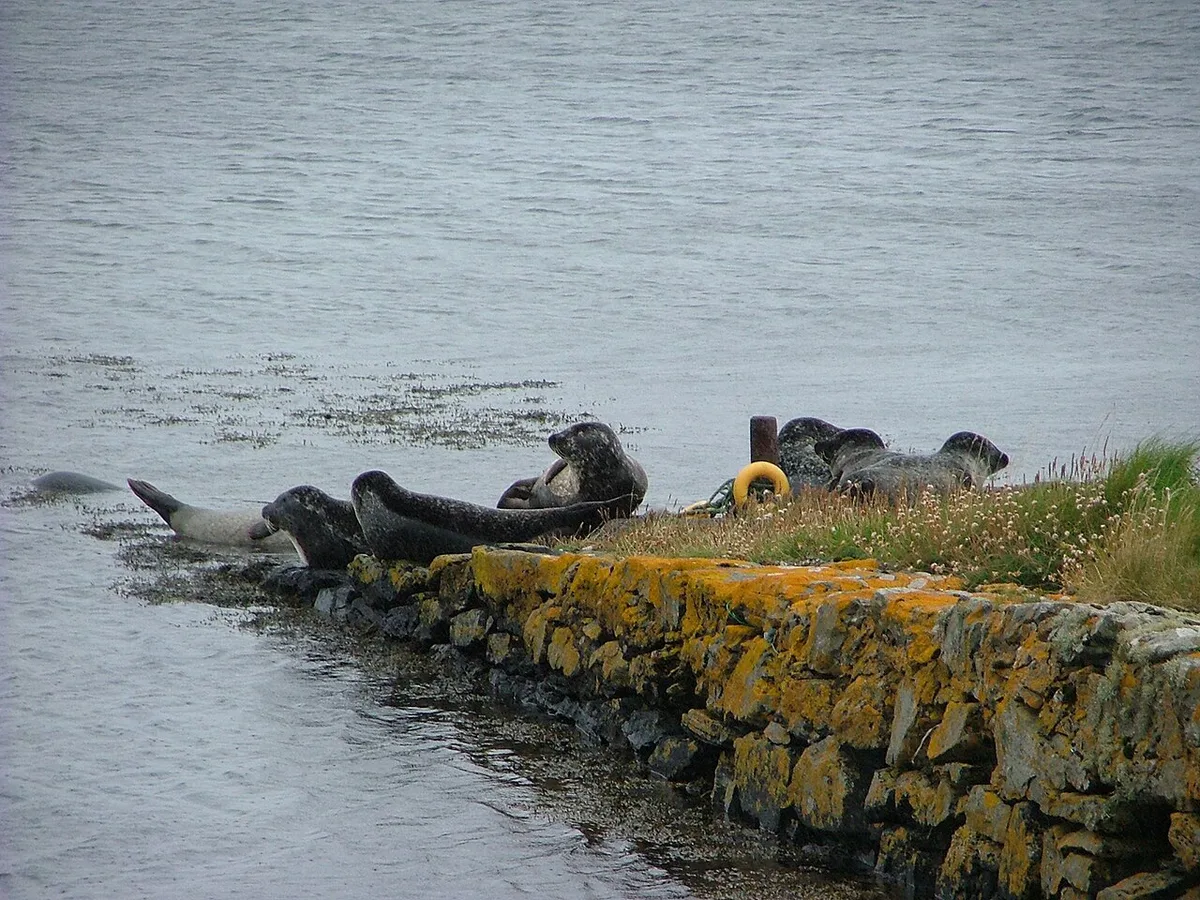
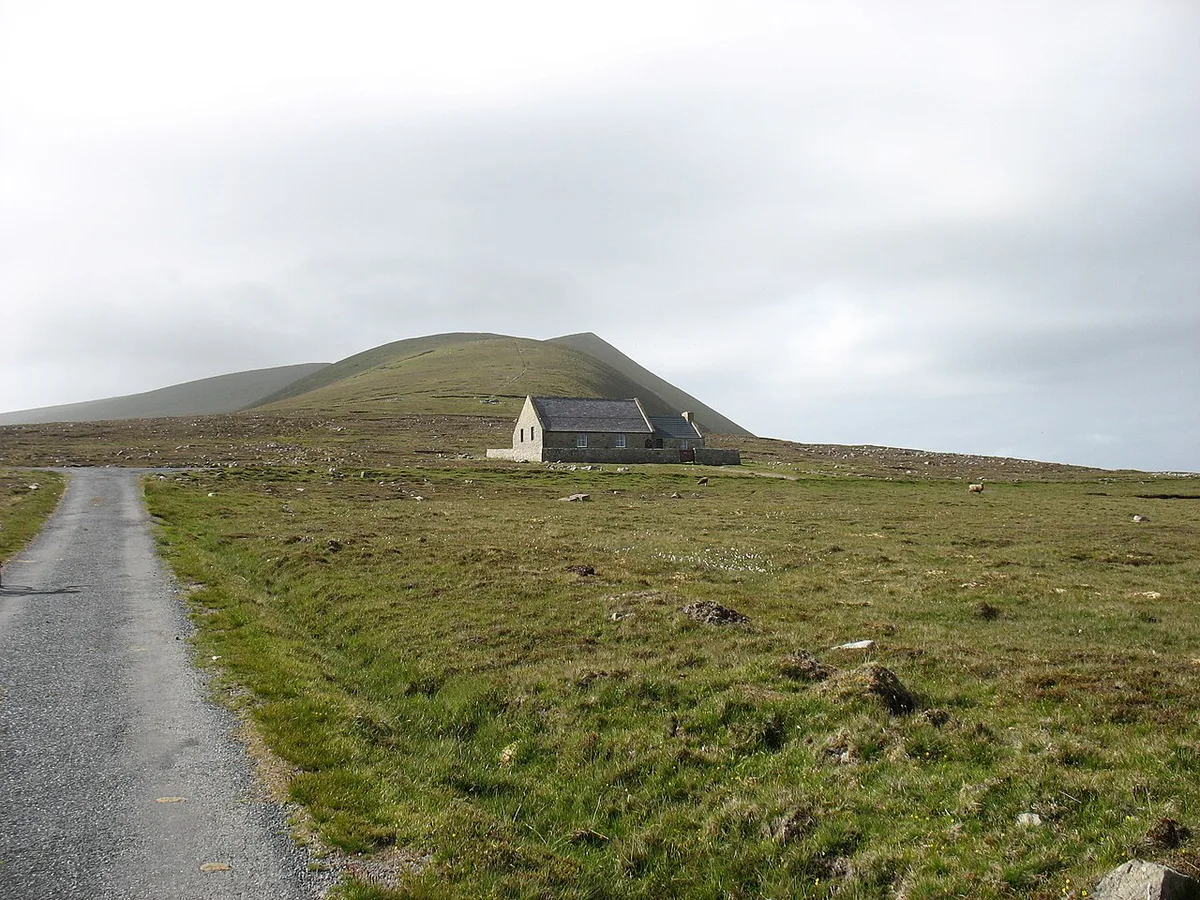
- Location: west of Mainland Shetland, in the Walls and Sandness area
- Area: about 1,265 hectares
- Highest point: The Sneug, 418 m
- Hills: five
- Access: booked flight from Tingwall or ferry from Walls
How to get to Foula: flight or ferry
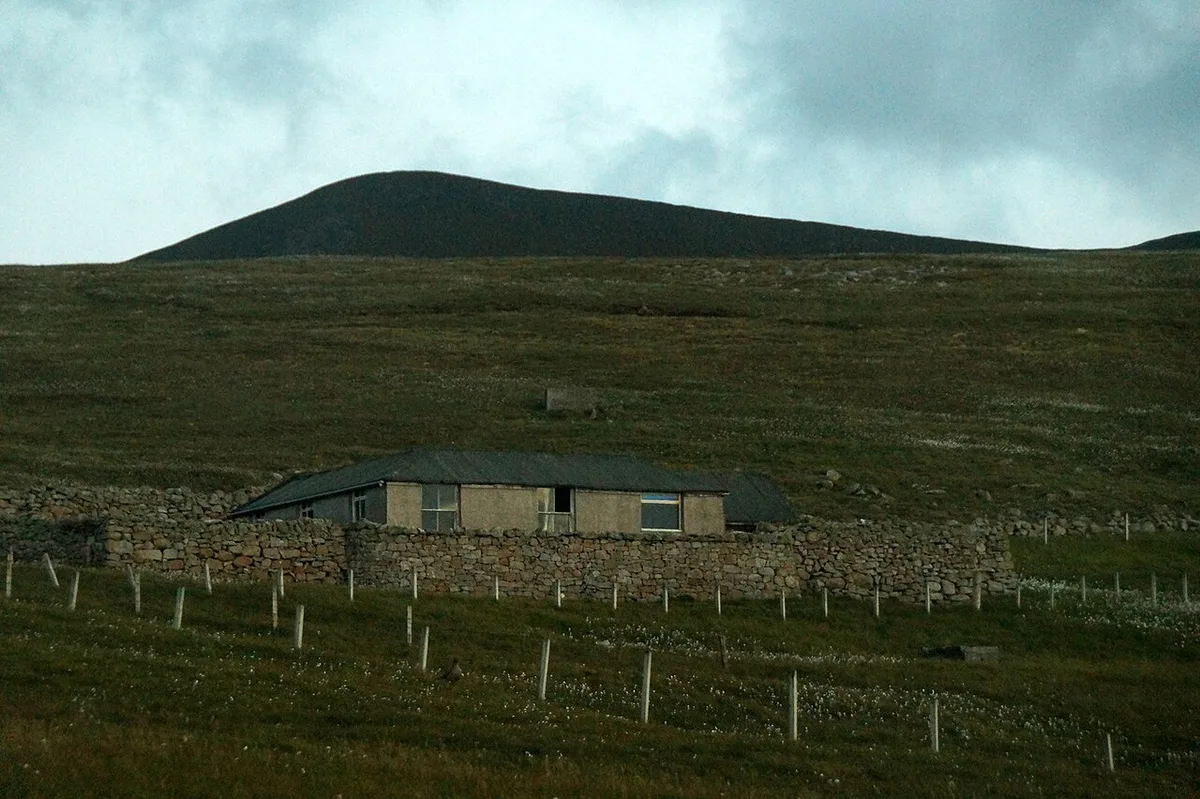
The Foula ferry sails from Walls and is run by Shetland Islands Council. Its current timetable and booking rules sit on the council ferries page. Loganair flights serve the island from Tingwall. Both options need advance booking, and the days and months each one runs differ. Match your dates to the operator's schedule before you commit to anything else. Get to Mainland first using our guide on How to Get to Shetland: Ferry, Flights and Island Connections. The overnight sailing is covered in our Aberdeen to Shetland Ferry: Times, Cabins & Tips guide.
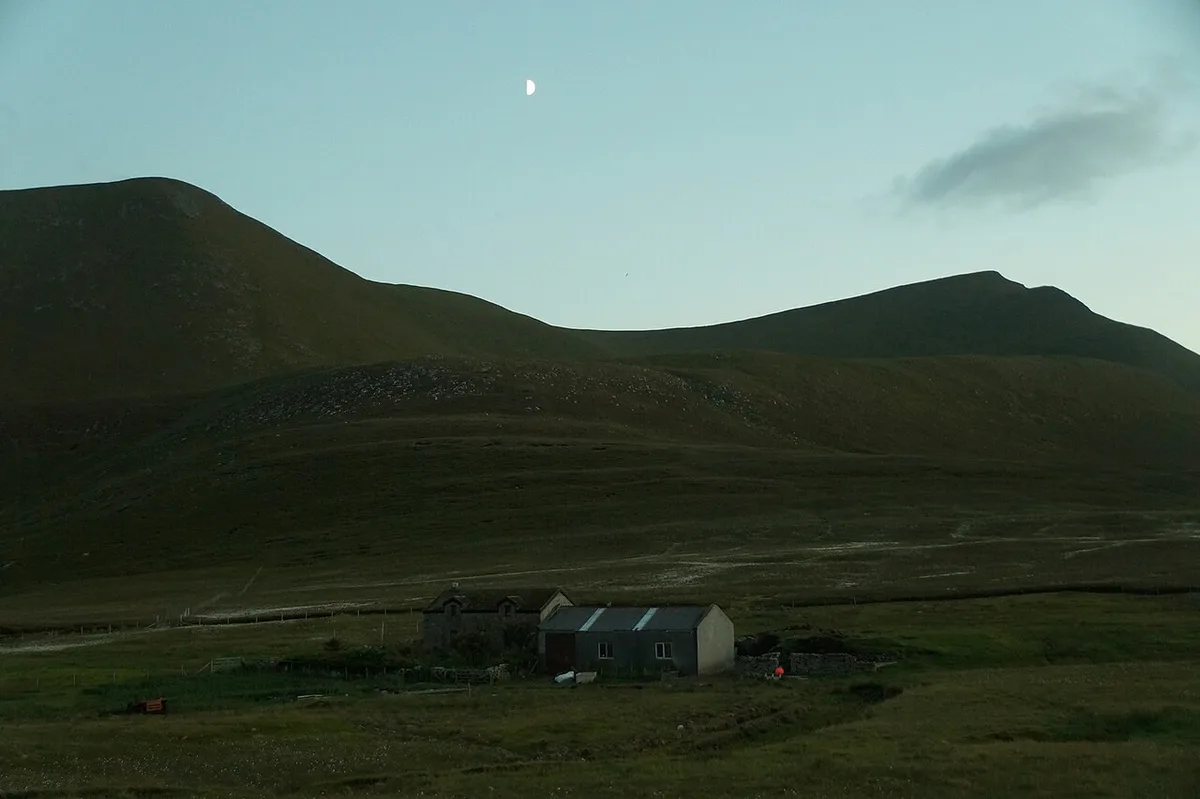
Whichever departure point you pick, plan at least 1 spare day on Mainland, because Tingwall flights and Walls sailings are both weather-sensitive.
| Factor | Flight | Ferry |
|---|---|---|
| Departure point | Tingwall | Walls |
| Booking route | Loganair, booked in advance | Shetland Islands Council, booked in advance |
| Luggage limits | Strict; ask when booking | Ask the council when booking |
| Weather sensitivity | High; wind and low cloud can stop flights | High; rough seas can cancel sailings |
| Best for | Short transfers, light packers | Heavier bags, supplies, a slower arrival |
Day trip or overnight?
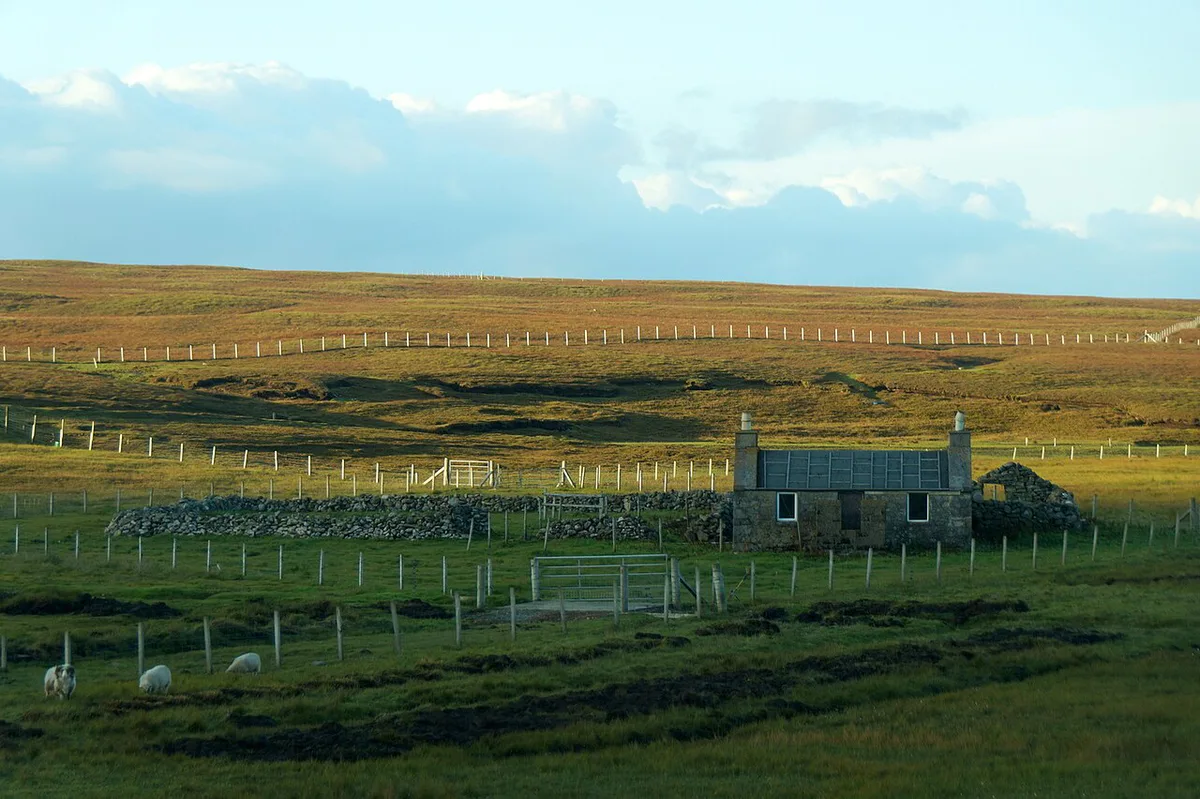
Check the current timetables before you assume a same-day return is possible. If the schedules do not allow one, plan to stay overnight and keep a spare day on Mainland.
What to do on Foula: walks, cliffs, birds and history
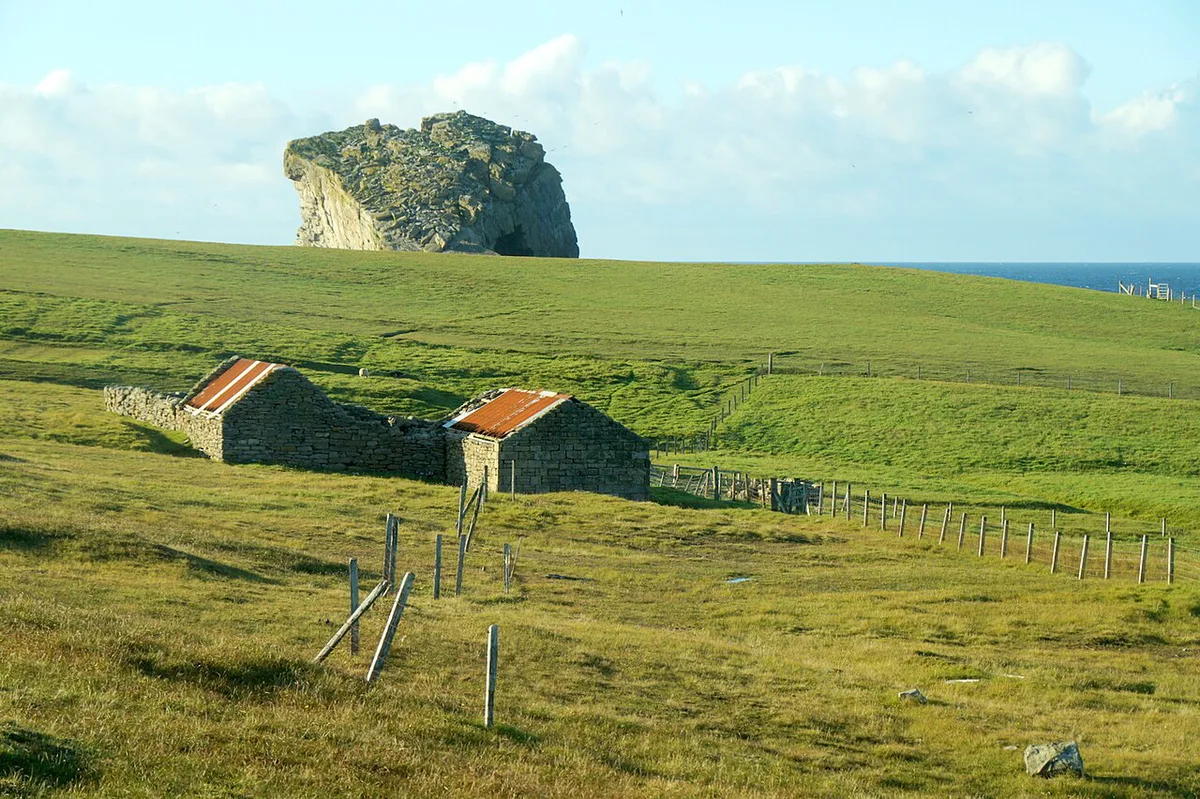
Walking is the main activity. Routes climb toward The Sneug at 418 m and follow the sea cliffs, so pick clear weather. Foula's cliffs are known for seabirds, and the island's own site at foula.org.uk is the place to ask about visiting. Settlement here goes back more than 5,000 years, and standing stones from that era are still visible. Residents keep Christmas on 6 January, a Julian calendar tradition. Treat that as a reminder that this is a living community, not a visitor attraction.
Where to stay, eat and what to bring
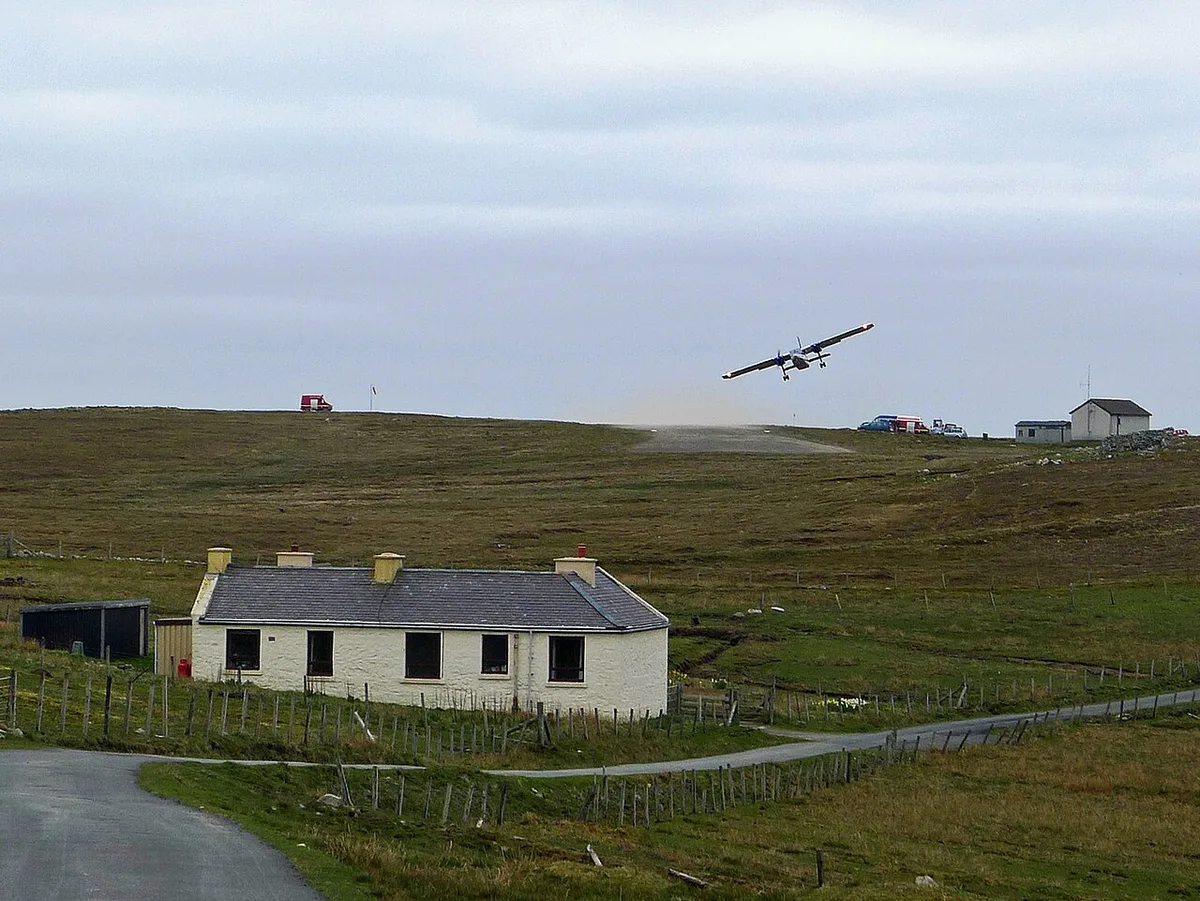
Facilities on Foula are limited. Arrange accommodation and food with the island before you book transport, and plan to be largely self-sufficient.
Residents keep Christmas on 6 January, so Foula runs to its own calendar. Book your dates with that in mind rather than expecting visitor-style services.
- Waterproof jacket and trousers, plus warm layers for any month
- Sturdy walking boots with good grip
- Food and snacks for your whole stay, unless your host confirms otherwise
- Cash and any medication, since services may be out of reach
- Printed or offline copies of your booking details
- One spare day on Mainland in case flights or sailings are cancelled
Weather, safety and responsible visiting
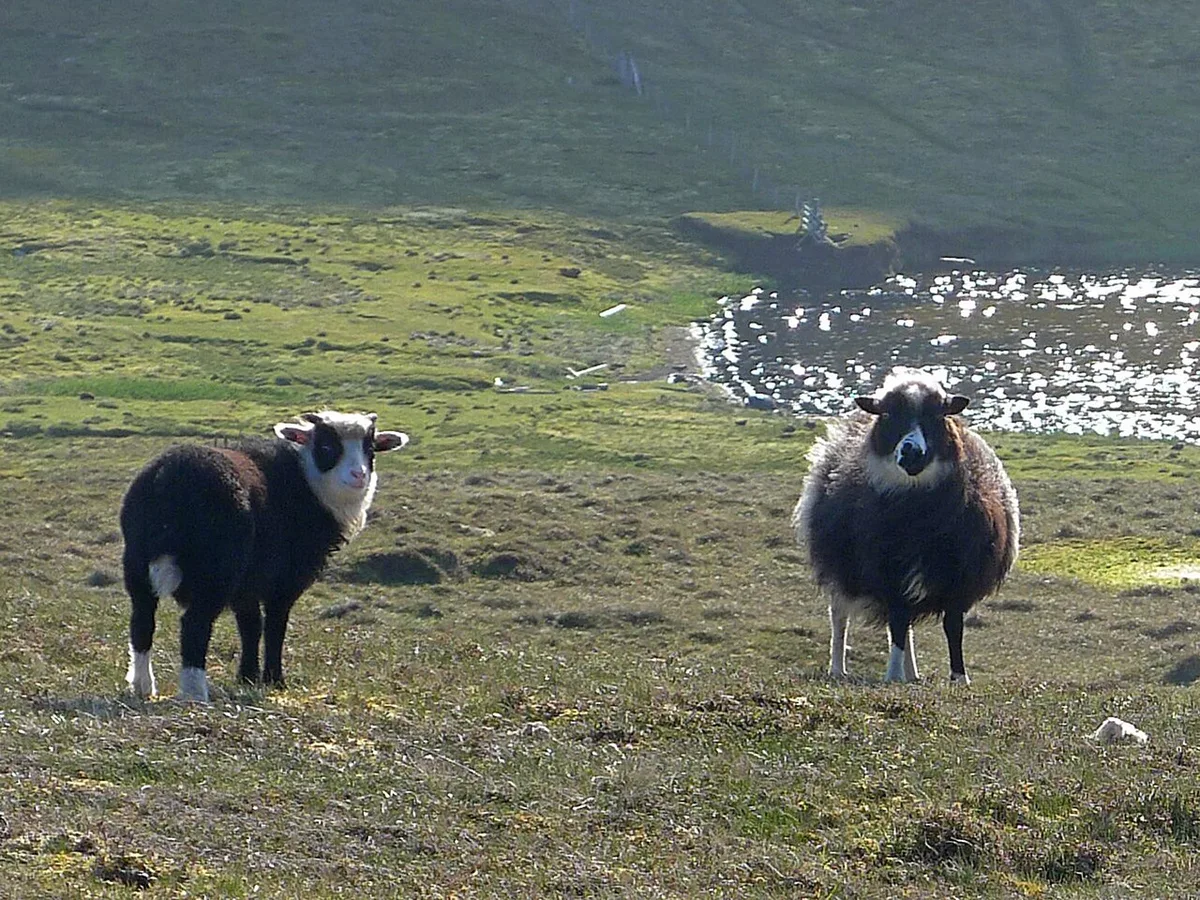
Weather changes fast, and it decides whether you arrive or leave on schedule. Stay well back from cliff edges, close gates behind you and keep clear of livestock and crofts. Mobile signal may be patchy, so tell your host your walking plans before you set out.
Foula vs other remote isles
Foula suits travelers who accept uncertainty in exchange for solitude. Fair Isle Travel Guide: Getting There and What to See is another remote Shetland island with its own access planning. Compare it with Unst if you want to weigh effort against what you will see. For a remote feel with simpler logistics, look at Orkney's quieter isles. Start with Westray. Then consider Papa Westray Guide: How to Get There, What to See.
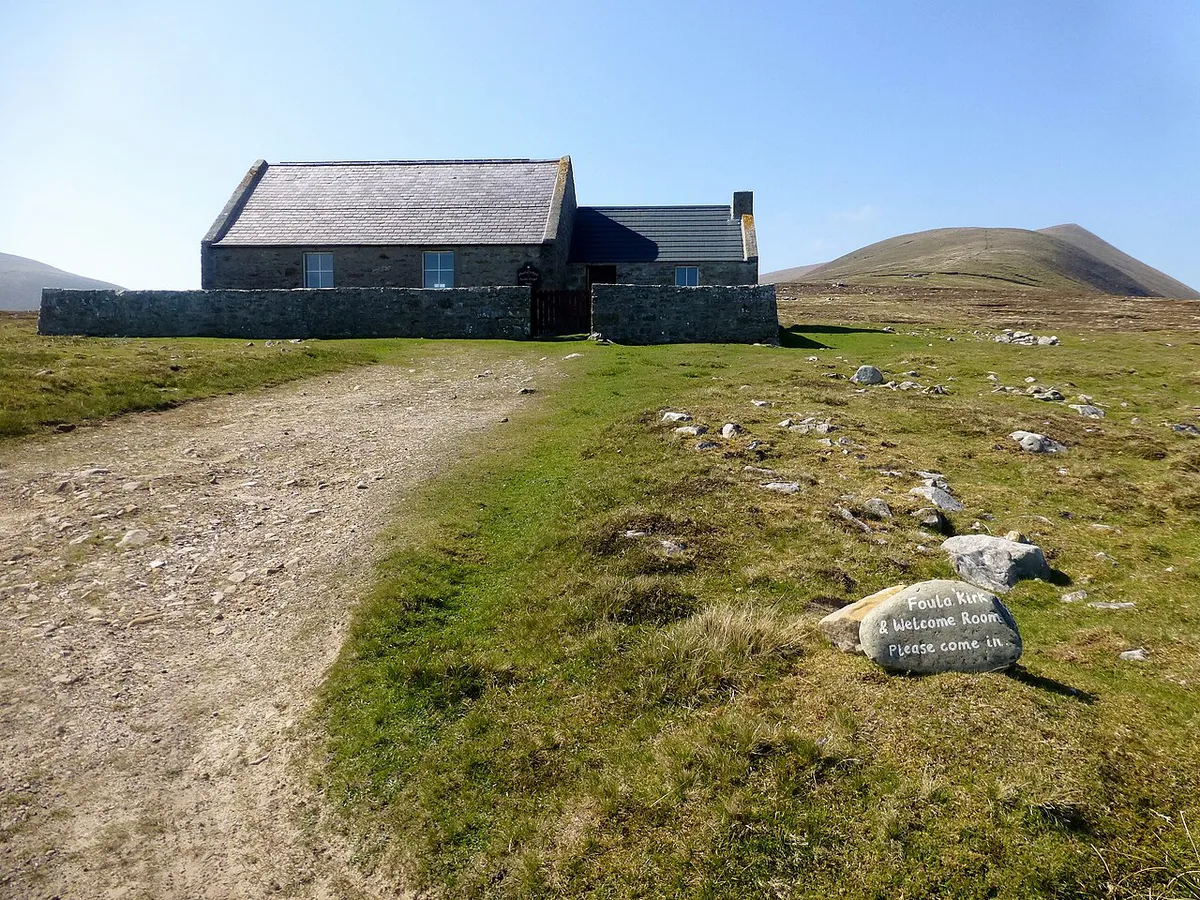
Build a weather buffer into your Foula itinerary
Keep at least 1 spare day on Mainland Shetland before and after a Foula stay. Flights from Tingwall and ferries from Walls can be disrupted by wind, low cloud or rough seas. Do not book an onward flight, an overnight ferry or an unchangeable hotel for the day you expect to leave Foula. Confirm your accommodation before transport, since beds are limited and an unplanned extra night may be difficult to arrange.
Plan your time ashore conservatively too. Foula covers about 1,265 hectares, and walks can rise toward The Sneug at 418 m. A delayed arrival can leave little safe daylight for a longer route. Use the first available clear-weather period for your main walk. Keep food, medication and warm waterproof layers with you, rather than relying on a quick departure or local supplies.
See our tourism attractions guide for the broader city overview.
Frequently Asked Questions
How many people live in Foula, Shetland?
Foula is a permanently inhabited island with a small community. Ask the island's own site for a current population figure rather than relying on older numbers.
Are there shops on Foula?
Do not count on shop access. Facilities are limited, so bring your own supplies and ask your host what is available.
Can you stay on Foula?
Yes, but beds are limited. Arrange your stay with the island before booking a flight or ferry.
Can you fly to Foula?
Yes. Loganair flights serve Foula from Tingwall and must be booked in advance. Check which days and months they operate before you plan.
Useful notes for your next island trip
Optional updates to our guides.
You might also like
Continue reading
More guides you'll find useful