Fair Isle Travel Guide: Getting There and What to See
Planning a trip to Fair Isle, Shetland? How to get there by ferry or flight, day trip vs overnight, when to go, and what to expect.
On this page
Last updated November 2026. Fair Isle is a real, inhabited island, and the home of the knitting style that borrows its name. This guide is for visiting it. It lies between Shetland and Orkney, belongs to Shetland, and is often described as Britain's most remote inhabited island. Getting there depends on the weather, so plan with spare days.
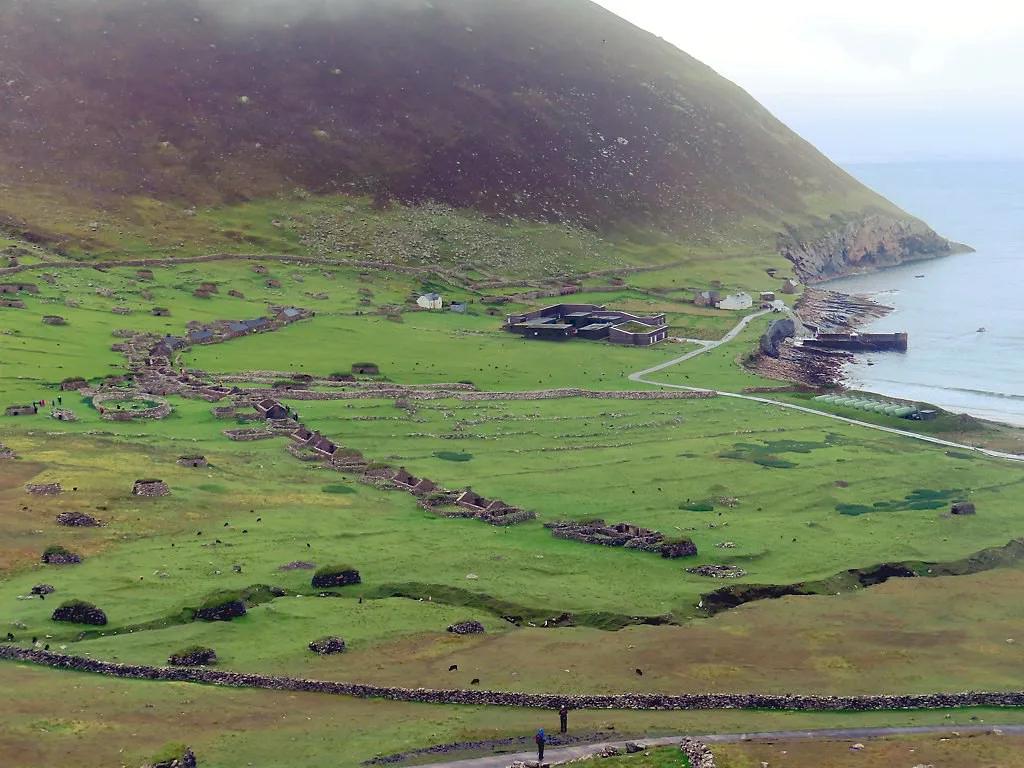
Featured image: Ronnierob, CC BY-SA 2.0, via Flickr.
Is Fair Isle worth visiting?
Fair Isle suits people who want seabirds, cliff walks and quiet more than facilities. It sits between Shetland and Orkney and is part of the Shetland Islands Travel Guide: Islands, Ferries, When to Go. Birders, walkers, craft fans and remote-island seekers get the most from it. Travellers who want restaurants, shopping or a fixed schedule will find it hard going. Fair Isle also works as a comparison for other far-flung Shetland islands such as Foula and Unst.
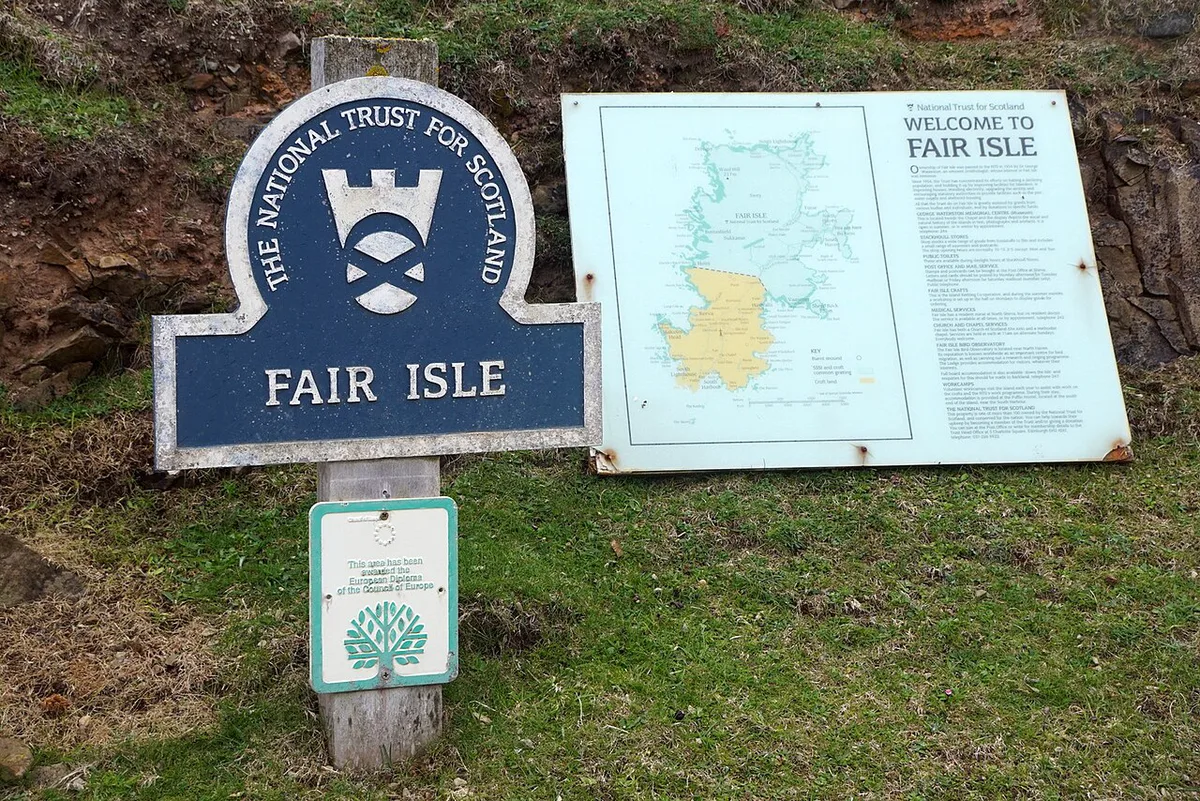
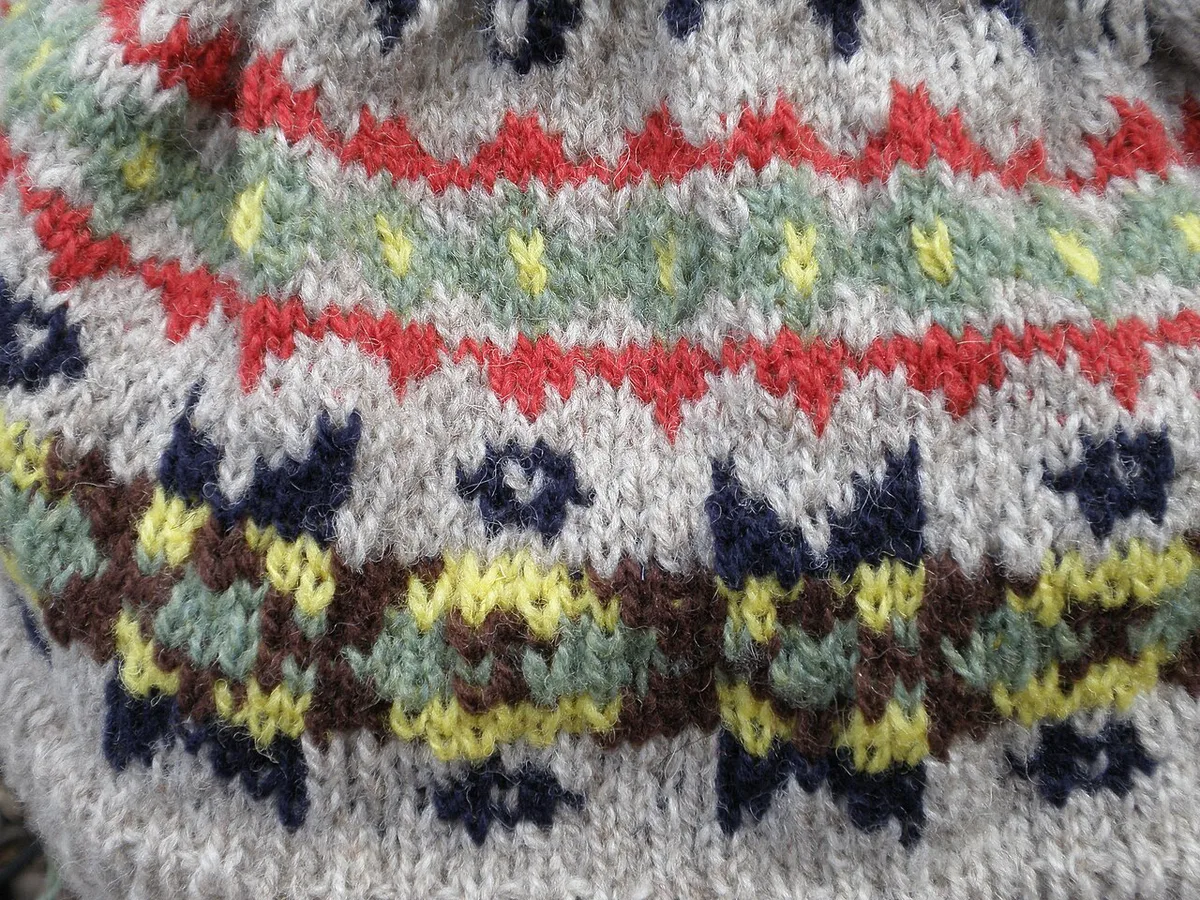
Fair Isle facts: size, population and National Trust ownership
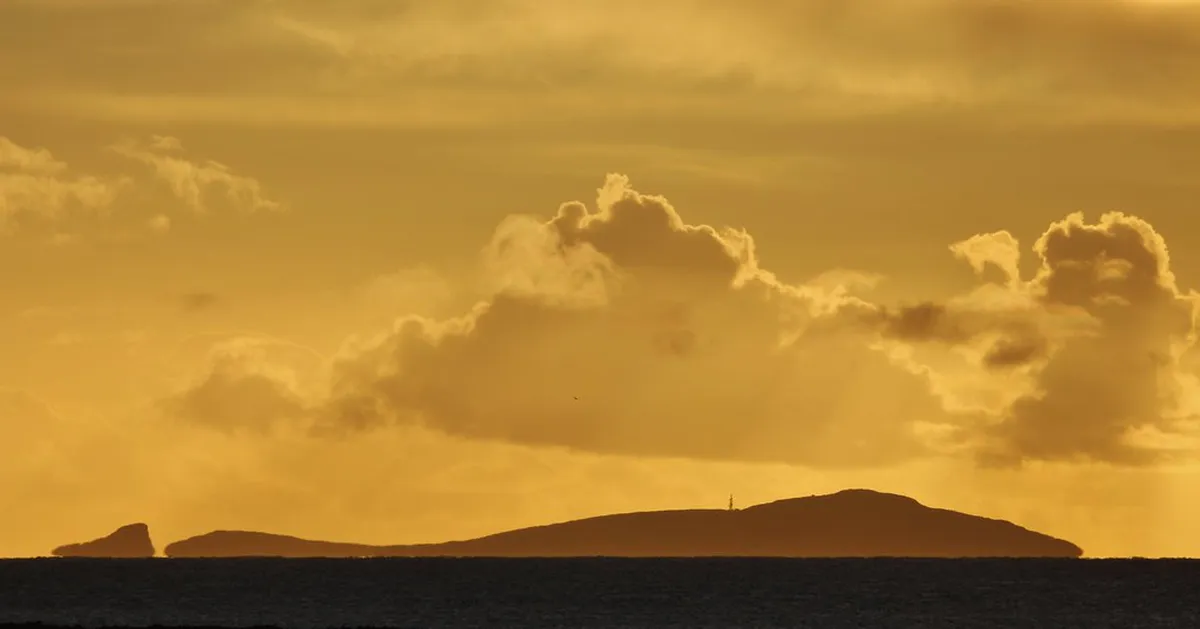
Fair Isle is small enough to understand in a single afternoon on foot. It is about three miles long and one and a half miles wide, and it lies roughly halfway between the Shetland mainland and Orkney, around 24 miles south of Sumburgh Head. The nearest Orkney island, North Ronaldsay, is a similar distance to the south-west.
- Population: about 50 to 60 people live here, mostly in crofting townships at the southern end. That is why the shop, services and transport all run on a small scale.
- Ownership: the island has belonged to the National Trust for Scotland since 1954. The Trust works with the community on crofting, buildings and conservation, so many visitor arrangements are community-led rather than commercial.
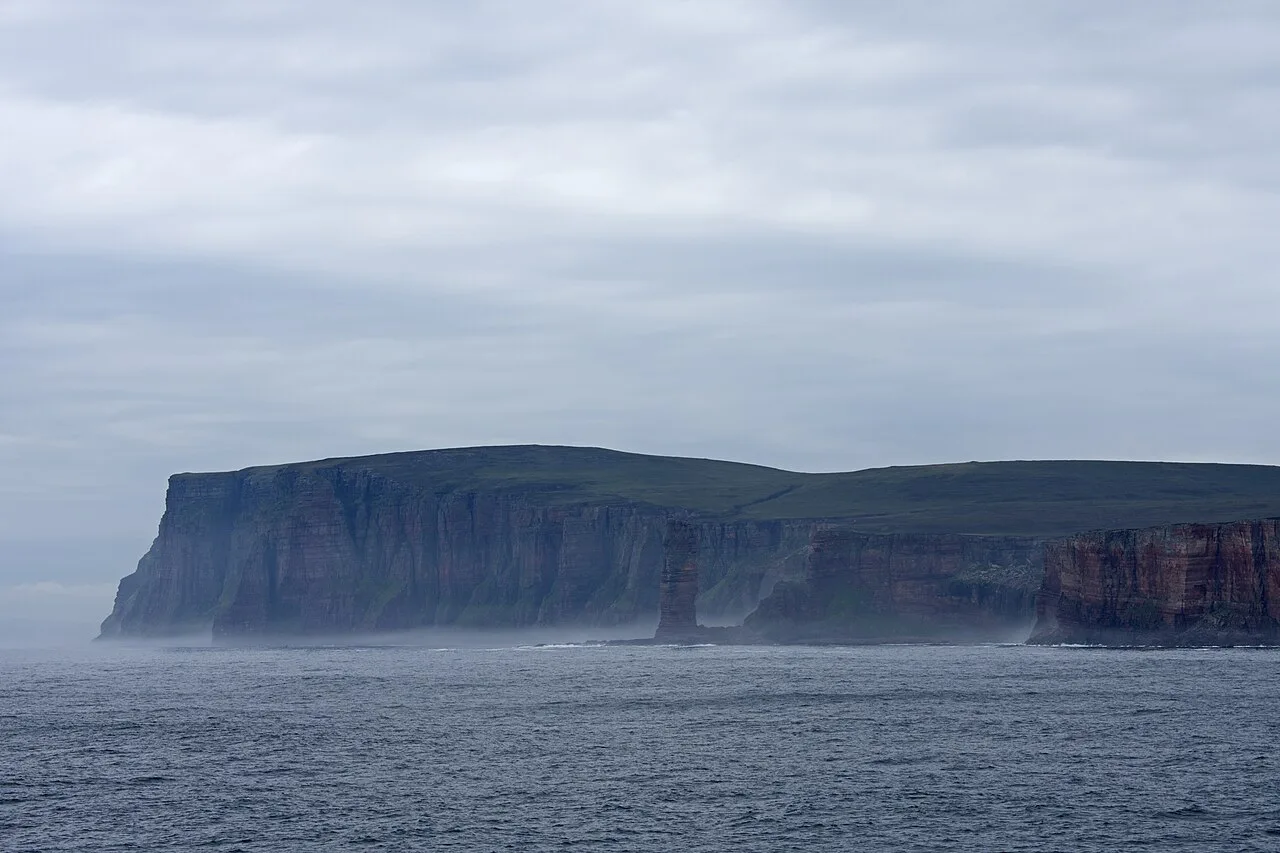
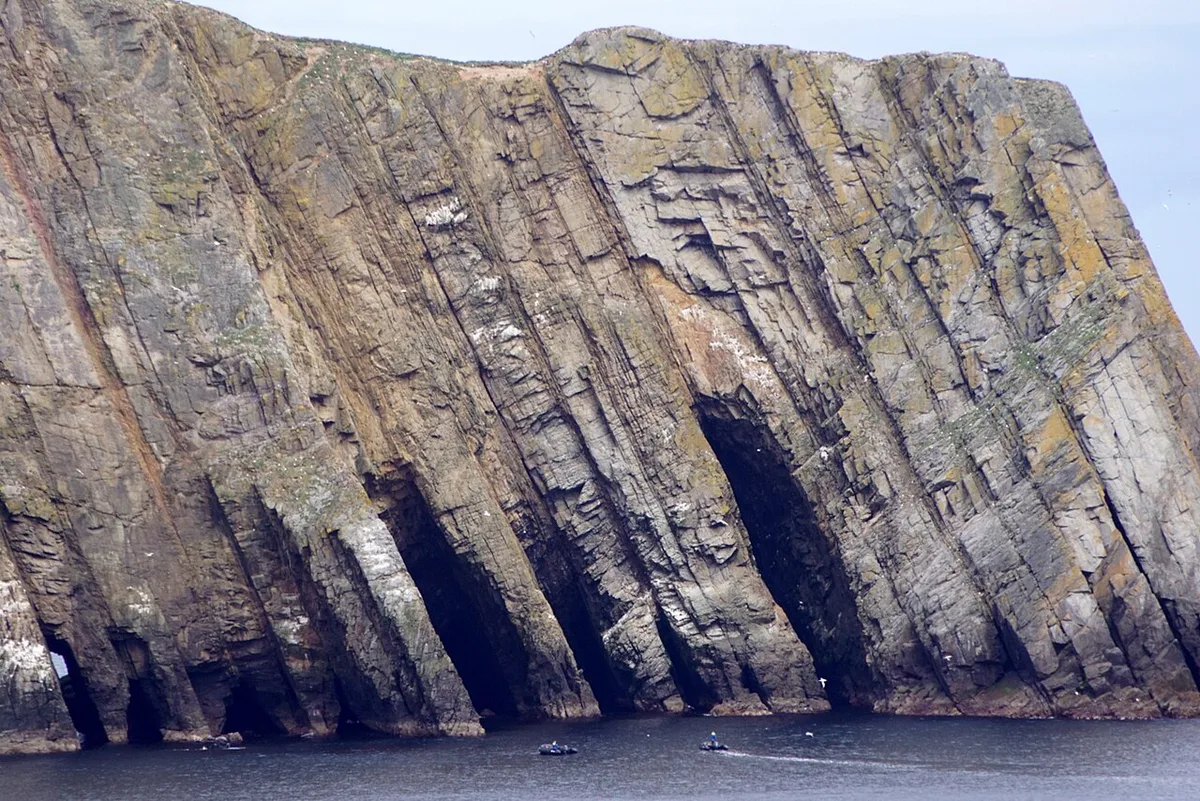
- Landscape: sea cliffs rise on the north and west sides, while the south is lower, cultivated croft land. Ward Hill, at around 217 m, is the high point and gives views across the whole island.
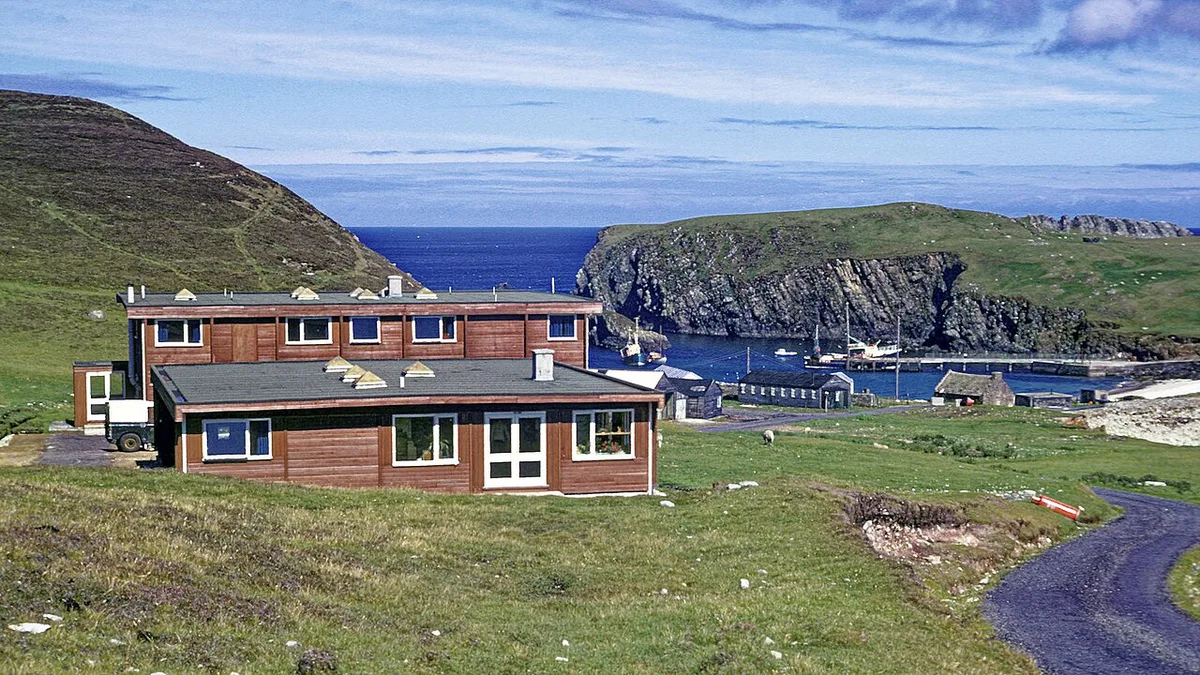
- Bird research: the Fair Isle Bird Observatory was founded in 1948 and has recorded migrants here for decades. It is a large part of why birders travel so far.
The small scale shapes the visit. A full circuit of the island's roads and tracks is manageable, but everything depends on one ferry and one airstrip, which is why the spare-day advice elsewhere in this guide matters. Treat the island as a working community that welcomes visitors, and keep to paths across croft land, especially in the lambing and nesting seasons.
How to get to Fair Isle
You must reach the Shetland mainland first. Our guide to getting to Shetland covers that leg. Coming from Scotland by sea, the Aberdeen to Shetland Ferry: Times, Cabins & Tips is one route. From there, Fair Isle is reached by the Good Shepherd IV passenger ferry, which sails from Grutness at the southern end of the Shetland mainland. A short flight from the Shetland mainland is the other option. Sailings and flights run on set days and wind can cancel either one. Check current timetables and booking rules on the Shetland Islands Council ferries page before you book anything else.
| Option | Best for | Main trade-off |
|---|---|---|
| Good Shepherd IV ferry from Grutness | Visitors who want to carry bags and walking gear | Sea state can cancel or delay sailings |
| Short flight from the Shetland mainland | Tight timing and a shorter journey | Small aircraft, so luggage is limited and wind or low cloud can ground it |
Day trip or overnight stay on Fair Isle

A day trip works only if the day's transport lets you return the same evening. Check this first, because services run on set days rather than daily. A same-day visit gives you the harbour area and a short coastal walk. Staying overnight gives you evening and early-morning bird activity and a buffer if the weather turns. Overnight is the safer choice for anyone who has travelled this far.
- Day trip: a short walk, a quick look at the craft heritage, and a firm return deadline.
- Overnight: time for cliff walks, seabird watching and a spare margin if sailings are cancelled.

Best things to do on Fair Isle
Birdwatching is the main draw. The island is known for seabirds, including puffins in the nesting season, and for migrant birds passing through. The Fair Isle Bird Observatory is the best place to read about recent sightings and what to expect. Walking is the second draw, along the cliff coastline and across open crofting land. Bring waterproofs, windproof layers and sturdy boots, since there is little shelter. Seals are often seen along the shore. Craft visits and the island's knitting heritage round out a trip.
When to visit Fair Isle
Late spring and summer suit seabirds and long daylight. Autumn is the time many birders choose for migrants. Winter brings the greatest risk of cancelled crossings and short days, so allow extra time if you go then. Shoulder months can mean fewer services, so look at the operator timetables for your dates before you commit. Whatever the season, build in at least one spare day at the end of your trip.
Where to stay and eat on Fair Isle
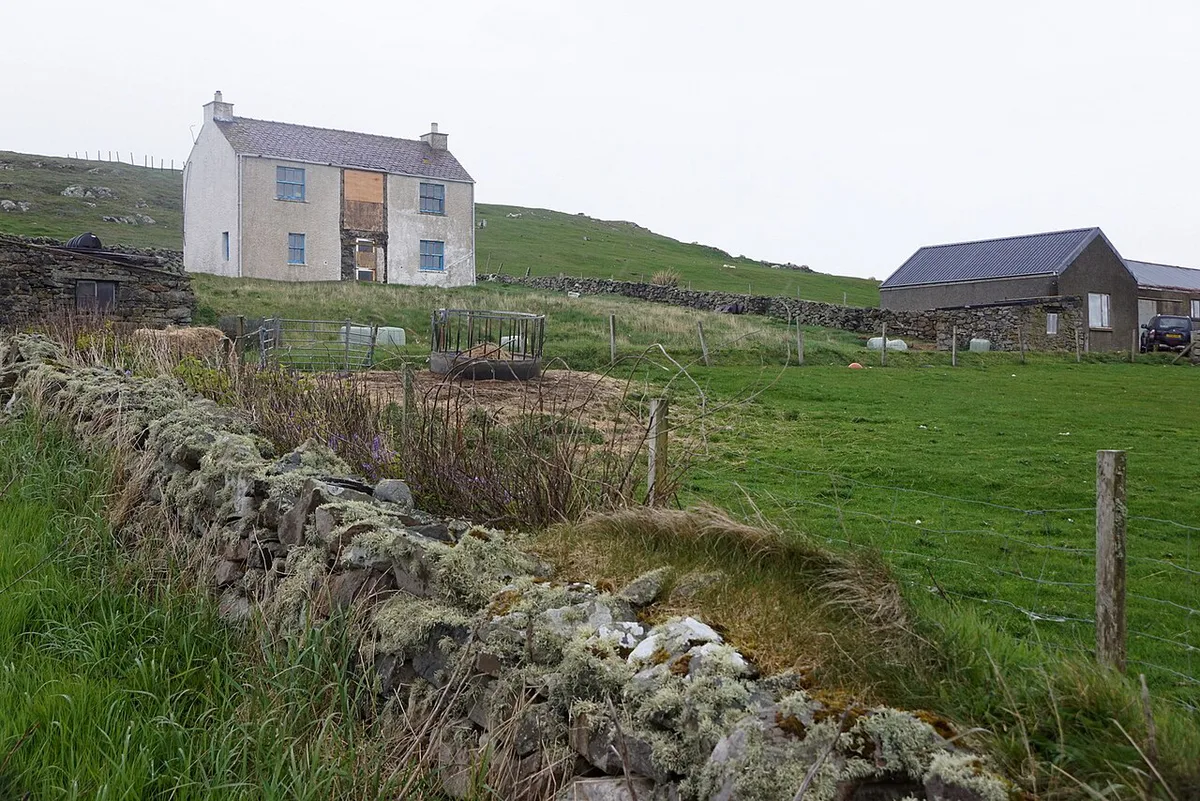
Options are limited and food shopping is minimal. The island has a small shop, but you should not expect restaurants. Start with the bird observatory's own website for lodging and meal arrangements. Book well before you travel. Carry snacks and any special dietary supplies from the Shetland mainland.
Fair Isle knitting: the heritage behind the name
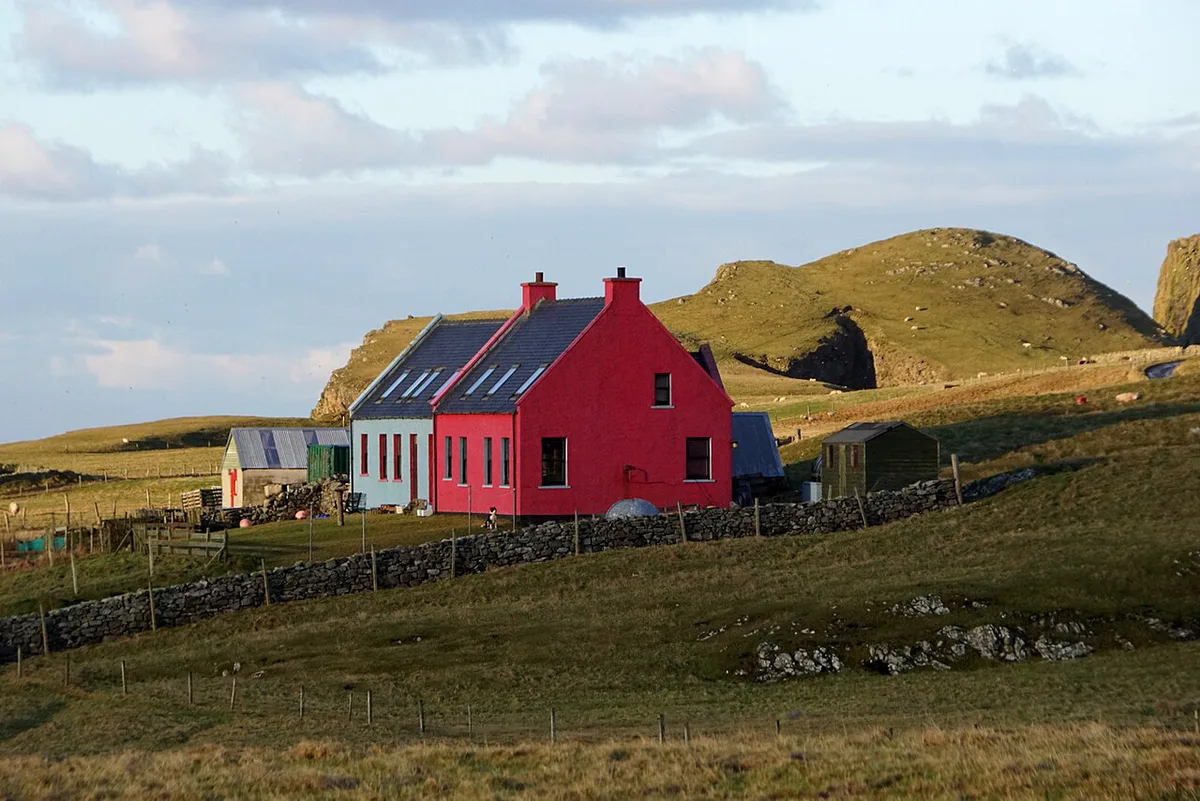
Fair Isle knitting is a stranded colourwork style that uses repeating bands of patterned motifs and a limited number of colours. It takes its name from this island, and visiting is the way to see where it began. Ask locally about craft makers who sell or show their work. Treat any purchases as a bonus rather than the reason for the trip, because opening times are not fixed.
Mistakes to avoid and who should skip it
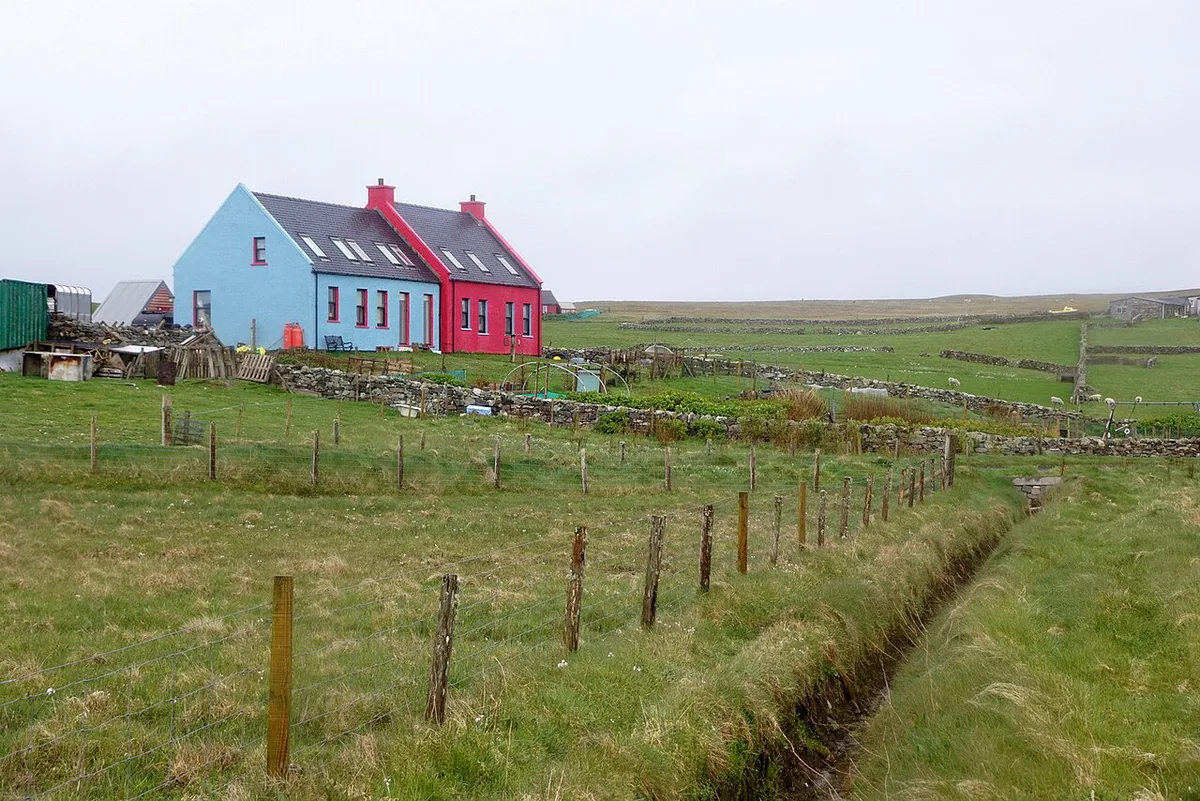
Most problems come from treating Fair Isle like a normal island stop. Plan for flexibility and avoid tight onward connections. If you also plan to visit Orkney, keep that as a separate leg. The 8 Best Things to Do in the Orkney Islands (2026 Guide) guide and the note on getting to Orkney help with that. Skip Fair Isle if your itinerary has no spare days, or if you expect shops and restaurants.
- Booking a same-day flight home or onward ferry with no buffer.
- Arriving without food or accommodation arranged.
- Packing for mainland weather instead of exposed coast and wind.
- Expecting fixed opening hours for craft visits.
Useful notes for your next island trip
Optional updates to our guides.
You might also like

Continue reading
More guides you'll find useful