
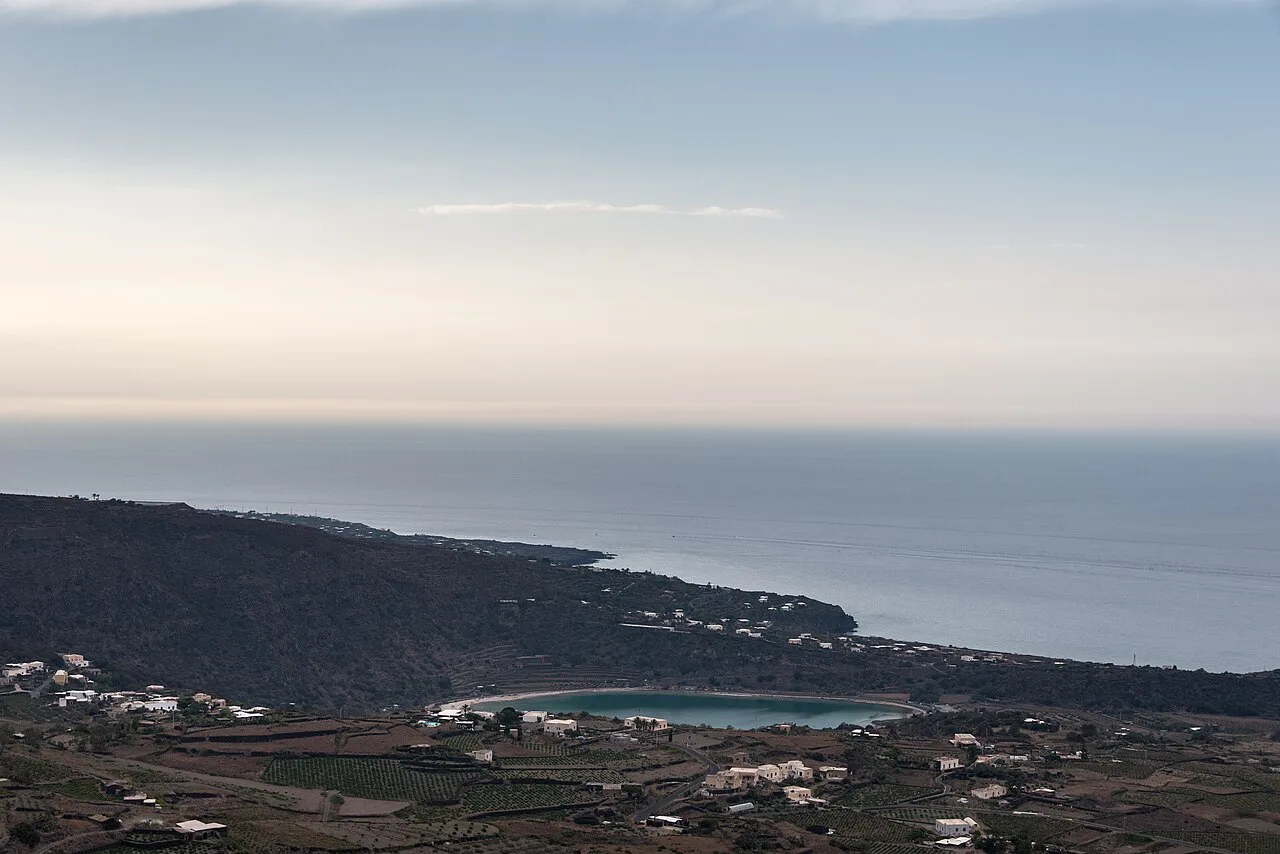
Pantelleria Travel Guide: Getting There, Staying, Seeing
Plan Pantelleria: how to reach the volcanic island near Tunisia from Sicily, when to go, where to stay in a dammuso and what to do there.
On this page
Last updated November 2026: Pantelleria is a volcanic Italian island in the Strait of Sicily, administratively Sicilian and closer to Tunisia than to the Sicilian mainland. It suits independent travellers who want lava rock, hot springs and wine terraces. It does not suit anyone expecting sandy beaches or resort facilities.
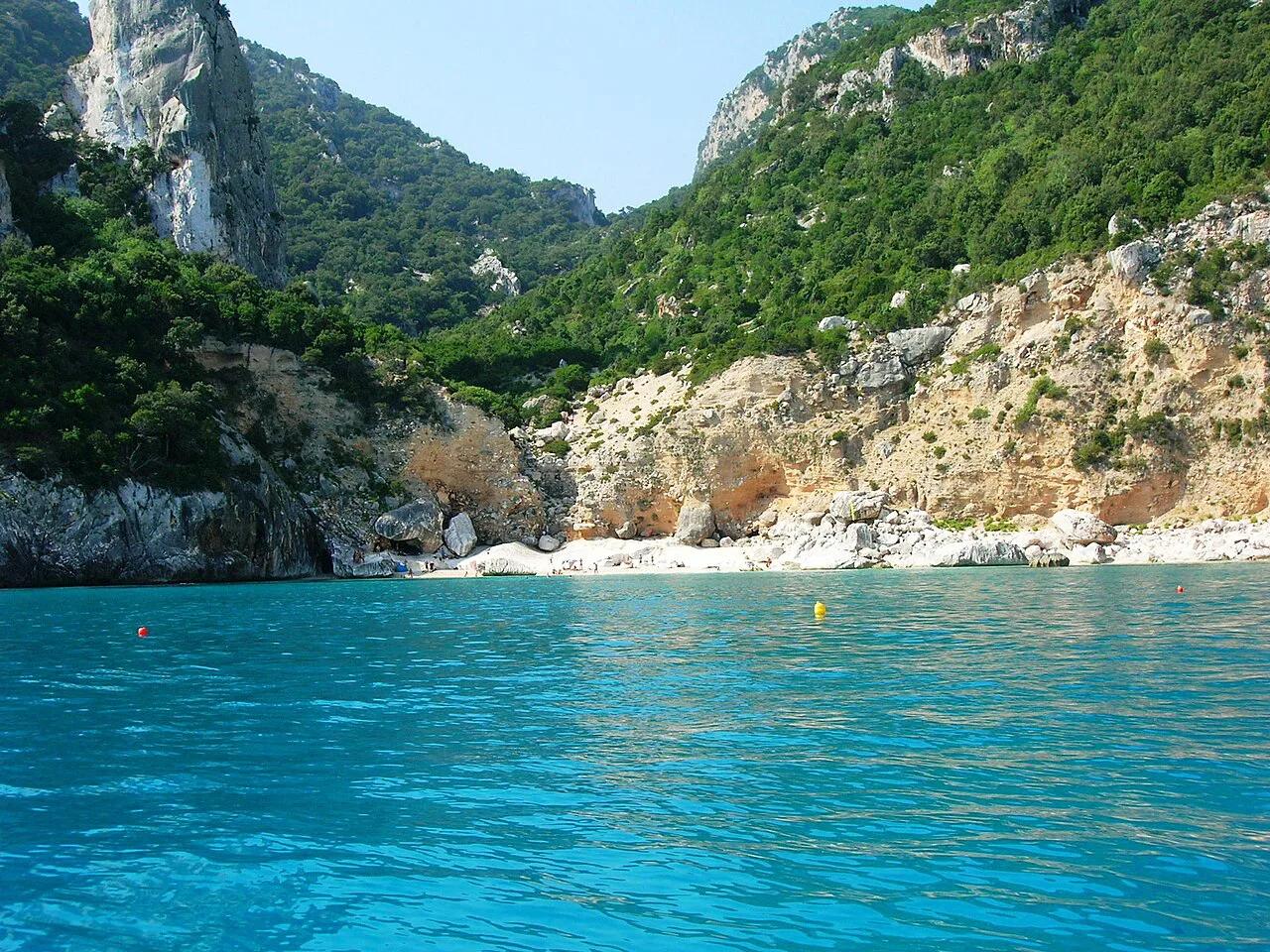
Featured image: Giorgio Galeotti, CC BY 4.0, via Wikimedia Commons.
Pantelleria at a glance
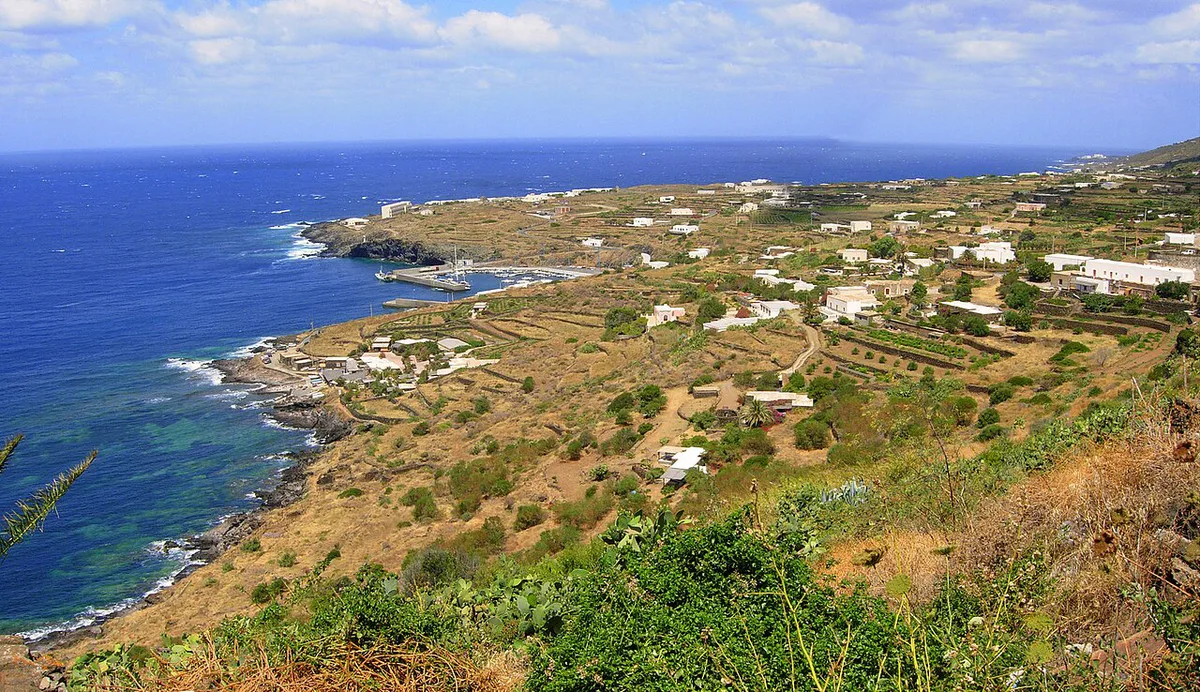
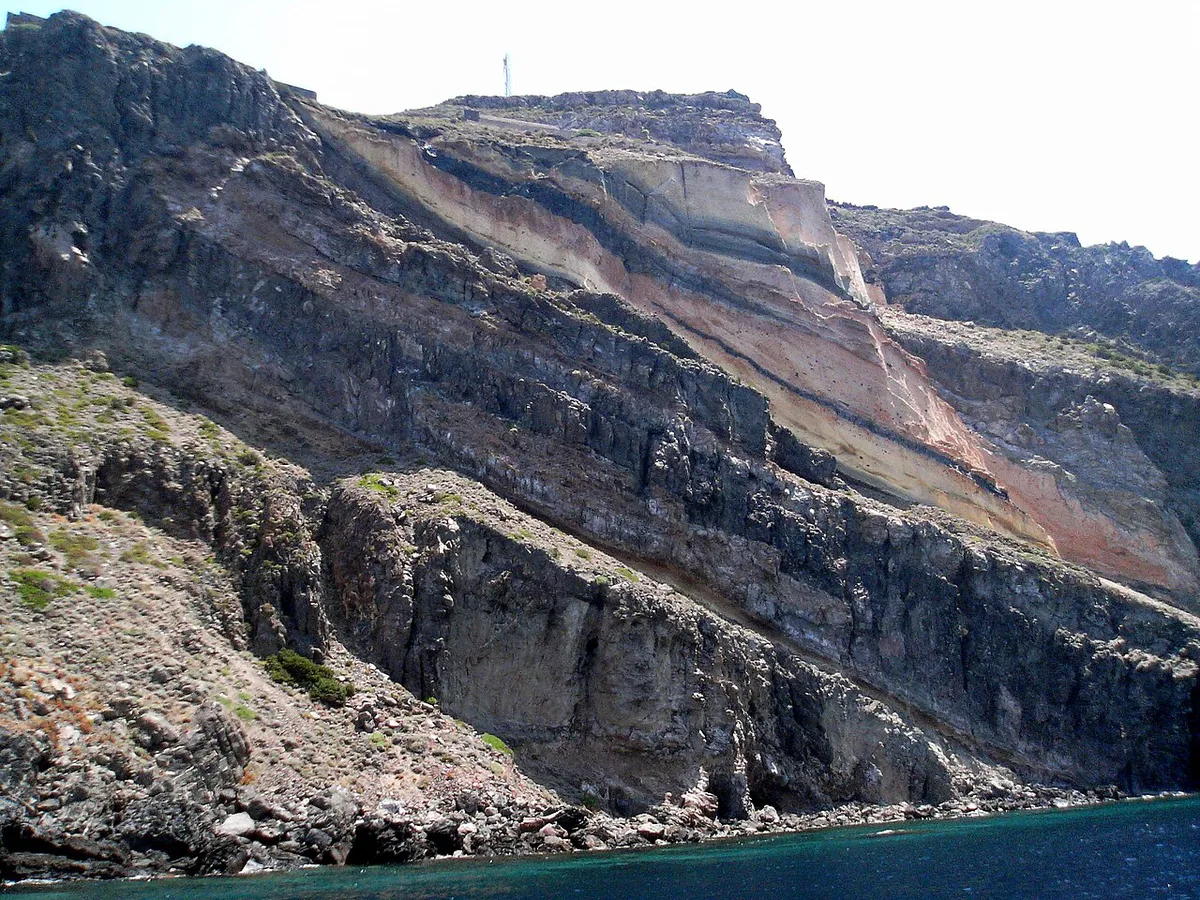
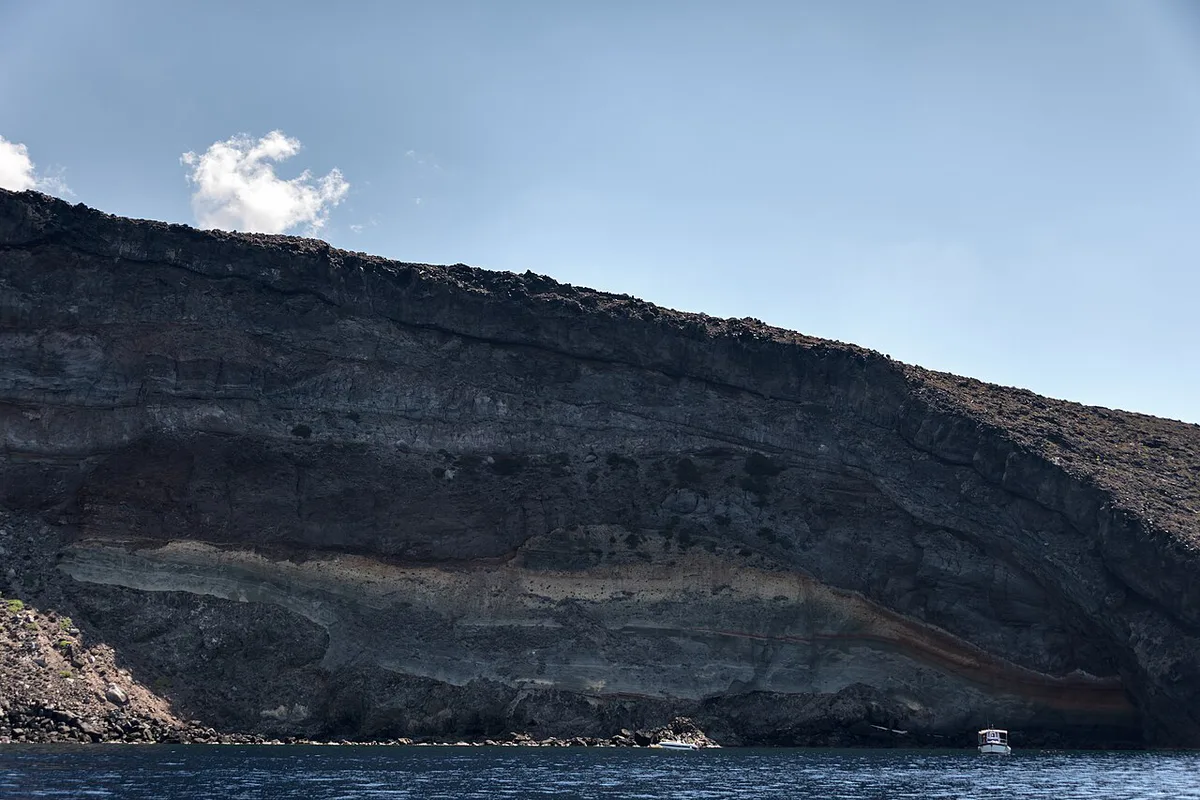
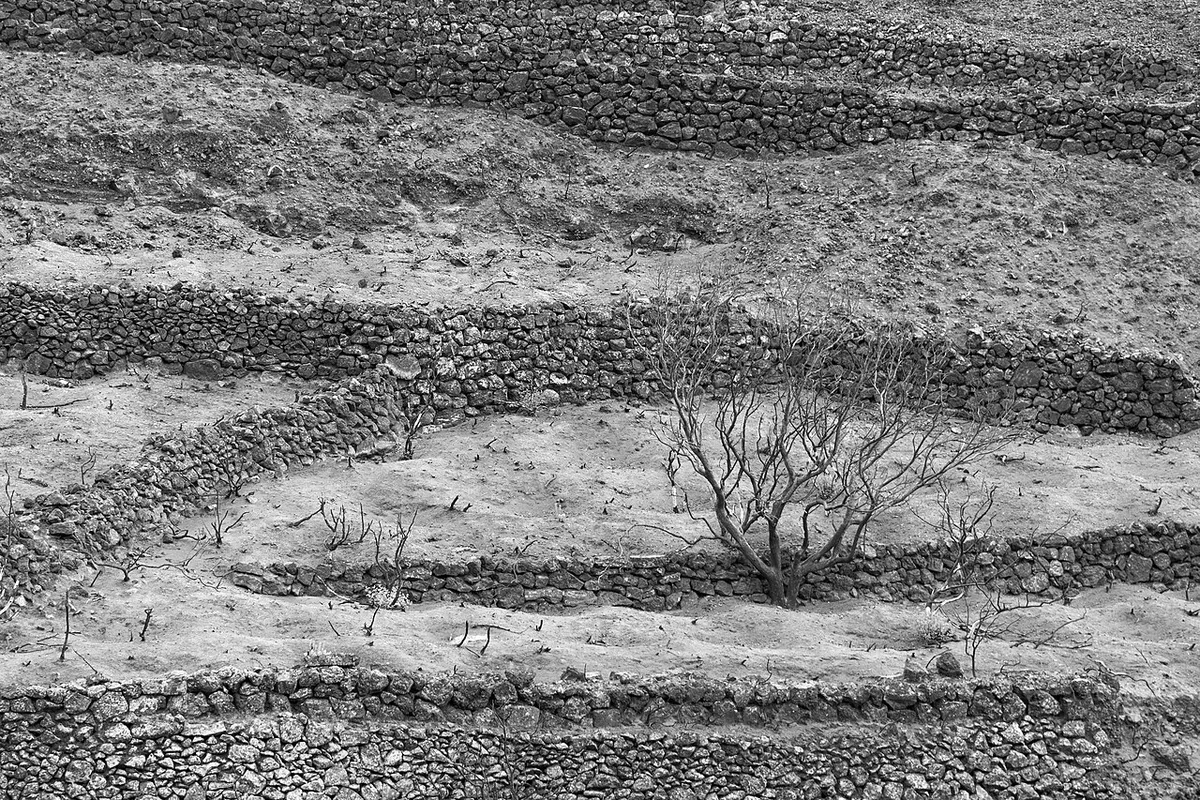
Pantelleria covers about 83 km² and rose from the seabed through eruptions. Black lava rock drops into clear water, and thermal springs surface near the shore. Low-trained vines grow in shallow bowls scraped into the volcanic soil. Montagna Grande, the island's highest point, sits inland within the national park. Every route in goes through Sicily, because published guides report no direct connections from the Italian mainland that skip it. Use the list below to decide quickly whether the island fits your trip.
- Good fit: second-time Italy visitors who have already seen the big cities.
- Good fit: independent travellers happy to drive themselves between trails, thermal spots and vineyards.
- Good fit: food and wine travellers interested in Passito, capers and dammuso stays.
- Poor fit: anyone who wants sandy beaches, beach clubs or hotel bars.
- Poor fit: travellers on a tight schedule, since wind can disrupt boats and flights.
How to get to Pantelleria
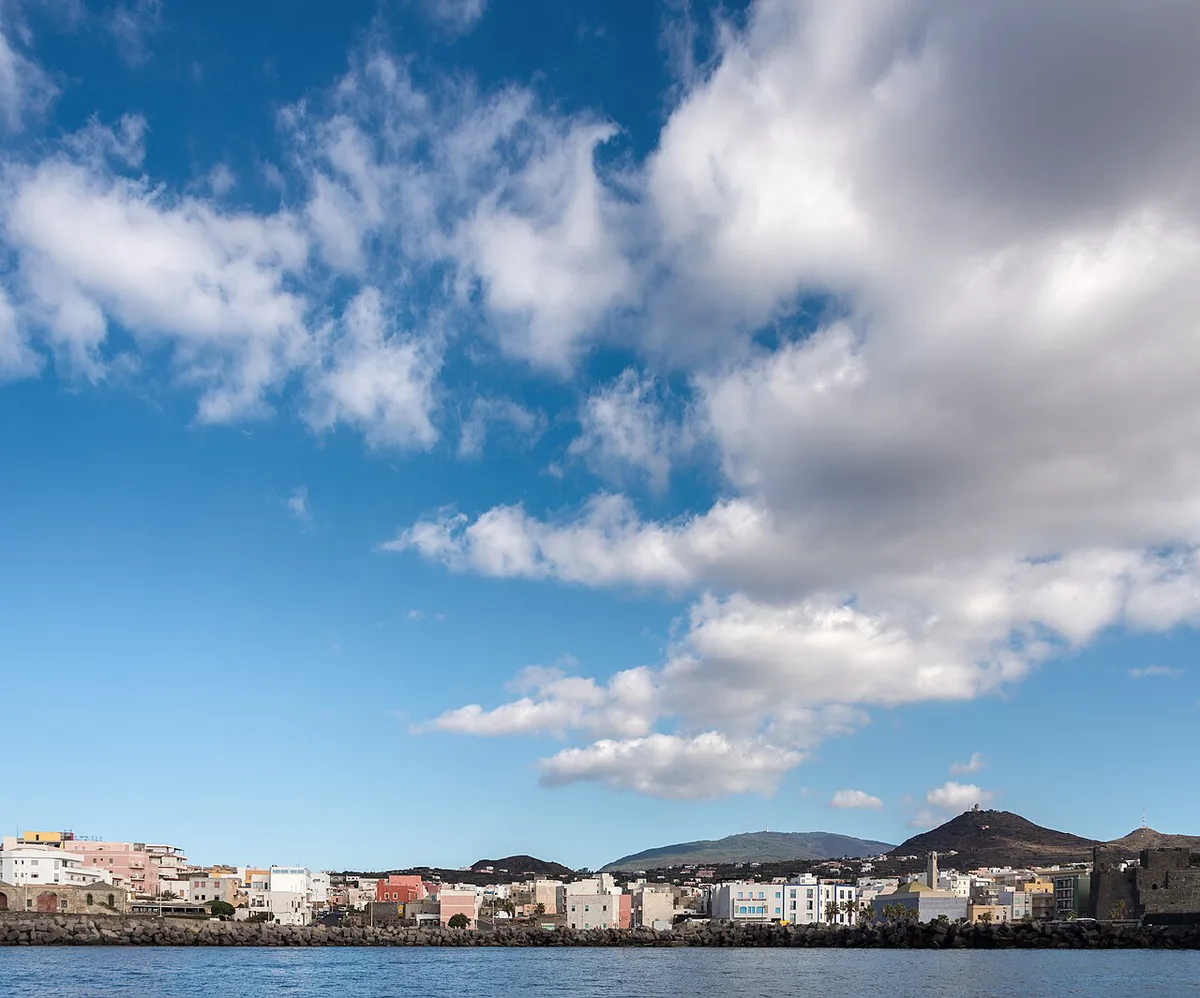
Flying is the fastest route. Flights from Palermo or Trapani take about 30 minutes to Pantelleria Airport (PNL). Ferries from Trapani take about six hours, and Siremar runs the island ferry service. Seasonal direct flights from Rome and Milan are also reported, so check airline timetables for your dates (prices and schedules checked November 2026). Book the scarcest item first. If you want a car on the ferry, reserve vehicle space before anything else. If you fly, secure your rental car before the flight. Wind and rough seas can delay both modes, so leave a buffer day before any onward connection.
Flying in takes about 30 minutes, yet the island still needs at least two days to see it.
| Option | Typical time | Weather risk | Vehicle | Best for |
|---|---|---|---|---|
| Flight from Palermo or Trapani | About 30 minutes | Wind can cause delays | Rent on the island | Short trips and tight schedules |
| Ferry from Trapani | About six hours | Rough seas can disrupt sailings | Vehicle policy set by the operator | Travellers bringing their own car |
When to go to Pantelleria
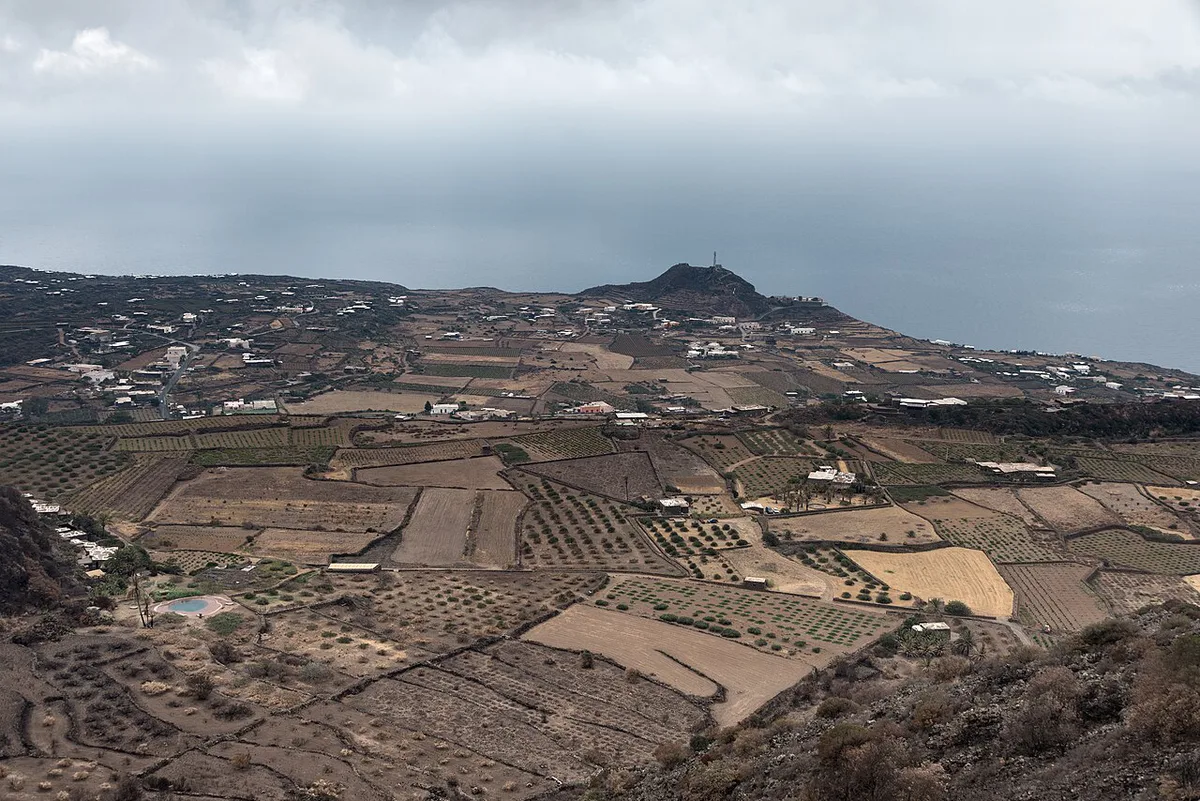
May to October is the warm, dry window. Late May, June and early October give the best balance of swimmable water, hiking temperatures and thinner crowds. July and August are busiest, so reserve rooms and cars well ahead. The caper harvest runs through June and July, which suits food-minded visitors. Winter is a different island, and some restaurants and rentals may close, so ask your host what stays open. Pick early summer for capers and hiking. Pick early October for quiet roads and warm sea.
Where to stay and how to get around
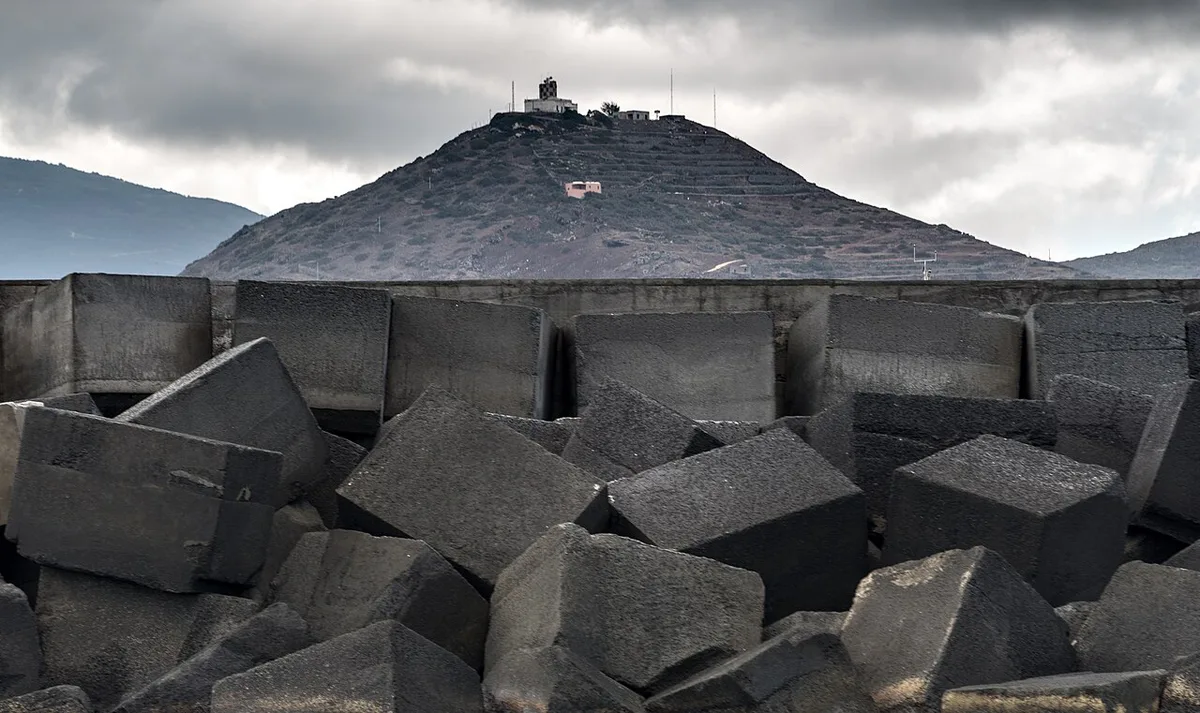
Dammusi are the island's signature stay. These black lava-stone houses have thick walls and domed roofs that channel rainwater into a cistern. Ask hosts about water use, air conditioning and minimum stay lengths before booking. A car or scooter is the best way to get around, and rentals are limited on a small island, so book early. Check local bus timetables before relying on them to reach thermal spots or trailheads.
At about 83 km², this small island has limited rentals, so book your car or scooter early.
| Base | Access | Car need | Evening dining | Wind exposure |
|---|---|---|---|---|
| Countryside dammuso | Quiet roads among vineyards | Essential | Self-cater or drive out | Exposed hillsides; thick stone walls help |
| Main town and harbour | Easiest for ferry arrivals | Useful for day trips | Most restaurant choice | Depends on the street |
| Coast near Gadir or Nikà | Close to rock swimming spots | Likely needed | Limited; plan ahead | Open to sea wind |
Best things to do in Pantelleria
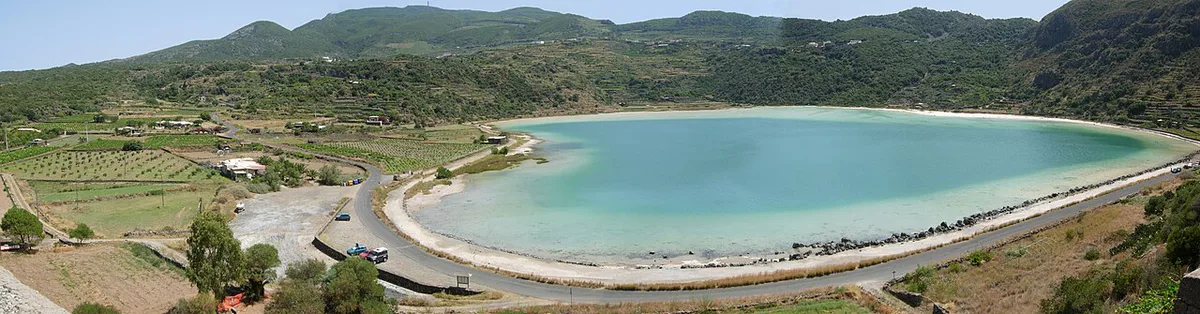
Plan by type rather than by ranking. The island has no sandy beaches, so every swim is a rock entry. Bring water shoes. Stay out of rough water, since conditions change quickly. Check bathing and mud rules at Specchio di Venere with Pantelleria National Park before you go.
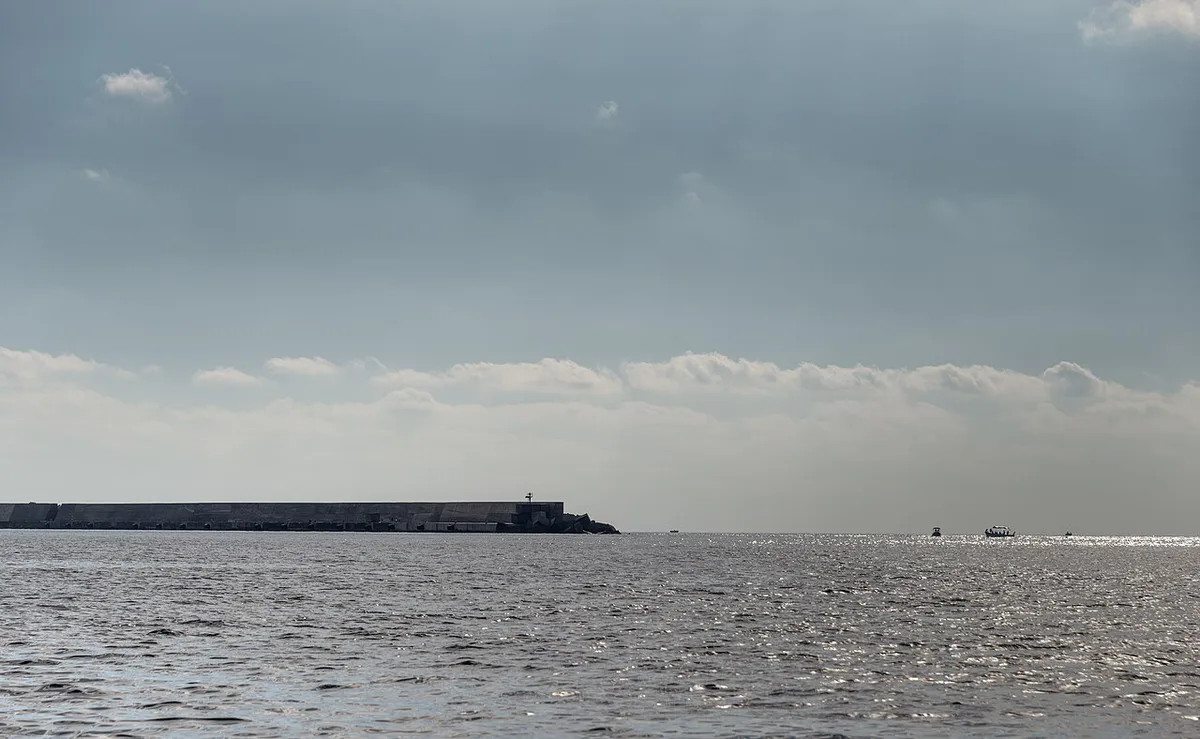
- Thermal and swimming: Specchio di Venere, the crater lake also called the Mirror of Venus. Nikà, where hot water rises into the sea. Gadir, with steaming rock pools beside the coast. Laghetto delle Ondine, a rock basin that stays calm when the sea is rough.
- Land: Montagna Grande and the park trails, with views toward Tunisia on clear days. Gelfiser canyon for lava cliffs, and Benikulà for a natural cave sauna.
- Archaeology: the Sesi necropolis, a prehistoric tomb site, and the San Marco acropolis, with Roman and Punic remains.
- Sea: a boat trip to the Arco dell'Elefante, a rock arch that looks like an elephant lowering its trunk to drink. Cala Gadir for diving, and Balata dei Turchi for snorkelling.
Food and wine worth planning around
Passito di Pantelleria is the island's best-known wine. It is a golden dessert wine made from sun-dried Zibibbo grapes. Growers train the vines low in the alberello style, which UNESCO listed as Intangible Cultural Heritage in 2014. Capers are hand-harvested in June and July and preserved in sea salt. Ask your host which wineries take visitors, and book ahead in summer. Order these dishes where you find them.
- Cous Cous Pantesco: a seafood version of the North African classic.
- Pesto Pantesco: tomatoes, garlic, almonds and basil.
- Salted ricotta ravioli: sweet and savoury in one bite.
- Bacio Pantesco: a fried pastry filled with ricotta.
Costs and how many days to allow
Your three biggest costs are getting to the island, a rental car and a dammuso. Food is simple and local. Compare fares on Siremar and airline sites, because prices change by season. For a flight-based trip, allow at least two days. A ferry-based trip needs more, since the crossing alone takes about six hours.
- 2 days: keep Specchio di Venere, one coastal swim and a Passito tasting. Cut archaeology and long hikes.
- 3 days: add Montagna Grande, Gadir and a boat trip to the Arco dell'Elefante.
- 5 days: add Sesi, the San Marco acropolis, diving or snorkelling, and a spare day for wind delays.
Mistakes to avoid on Pantelleria
Most problems come from planning the island like a mainland beach stop. These five errors cause the most trouble.
- Booking a ferry without a vehicle plan.
- Expecting sandy beaches.
- Arriving without a car or scooter.
- Ignoring wind and sea conditions when you set return dates.
- Visiting in July or August without pre-booking rooms and cars.
Pantelleria vs other Italian islands
Pantelleria is the harder, wilder choice. For an easier hop, browse the nearby Sicilian islands first. Another gentler option is the Egadi archipelago. A day on Favignana is simpler to organise. Farther south, far-southern Lampedusa is another remote pick. Volcanic Ustica offers a smaller volcanic alternative. If you prefer mainland ferries, Elba's mainland ferries are an easier route. Compare all your options in our guide to islands across Italy.
Frequently Asked Questions
What country does Pantelleria belong to?
Pantelleria belongs to Italy and is administratively part of Sicily. It lies in the Strait of Sicily and is closer to Tunisia than to the Sicilian mainland.
What is a small island off Sicily?
Pantelleria is a volcanic island off Sicily, covering about 83 km². Other options include the Egadi archipelago and Ustica, which are easier to reach.
Useful notes for your next island trip
Optional updates to our guides.
You might also like

Continue reading
More guides you'll find useful