
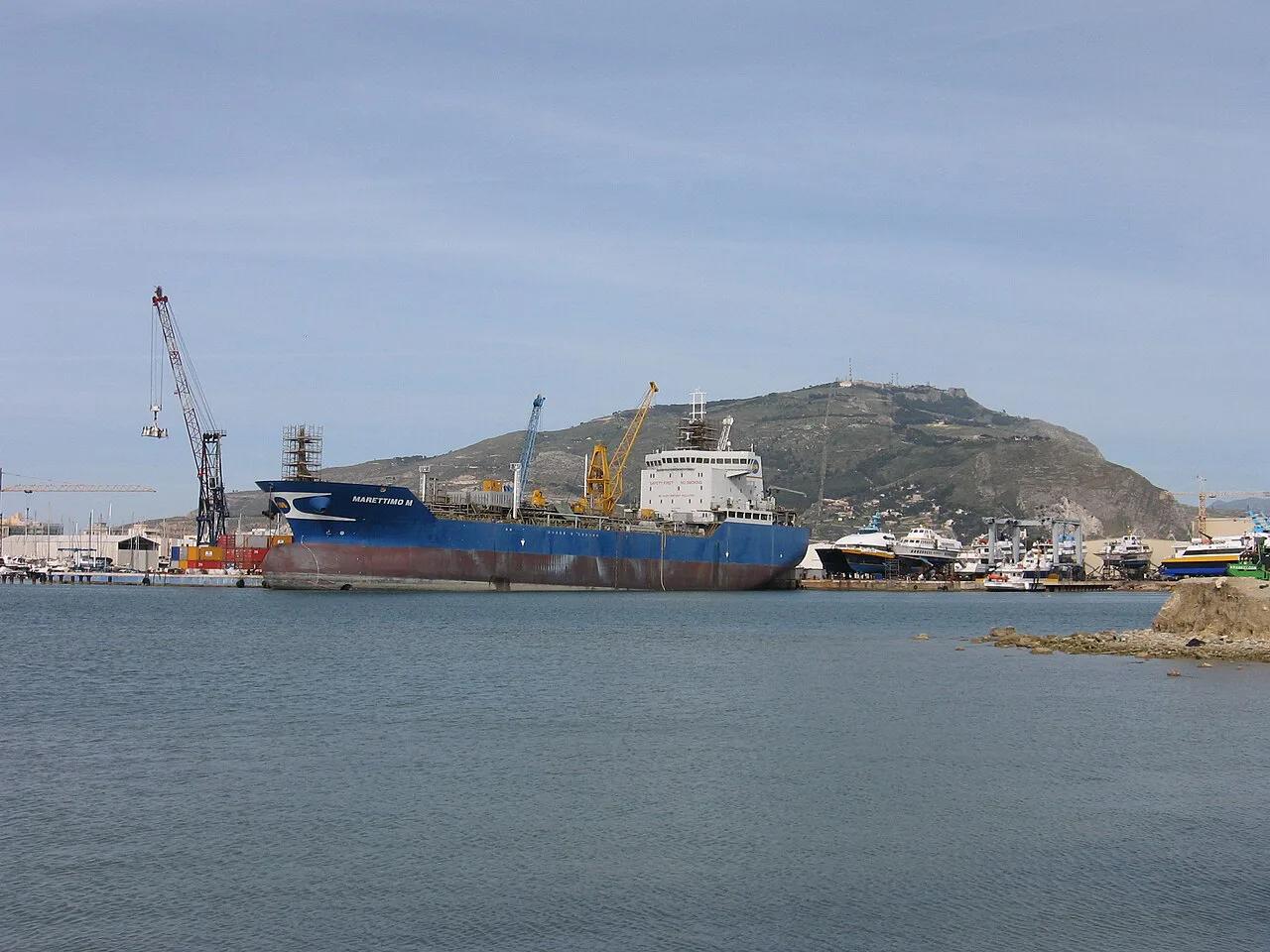
Favignana Travel Guide: Getting There and Planning
Plan Favignana: how to get there from Trapani, how long to stay, how to get around, beaches and diving, and when to go.
On this page
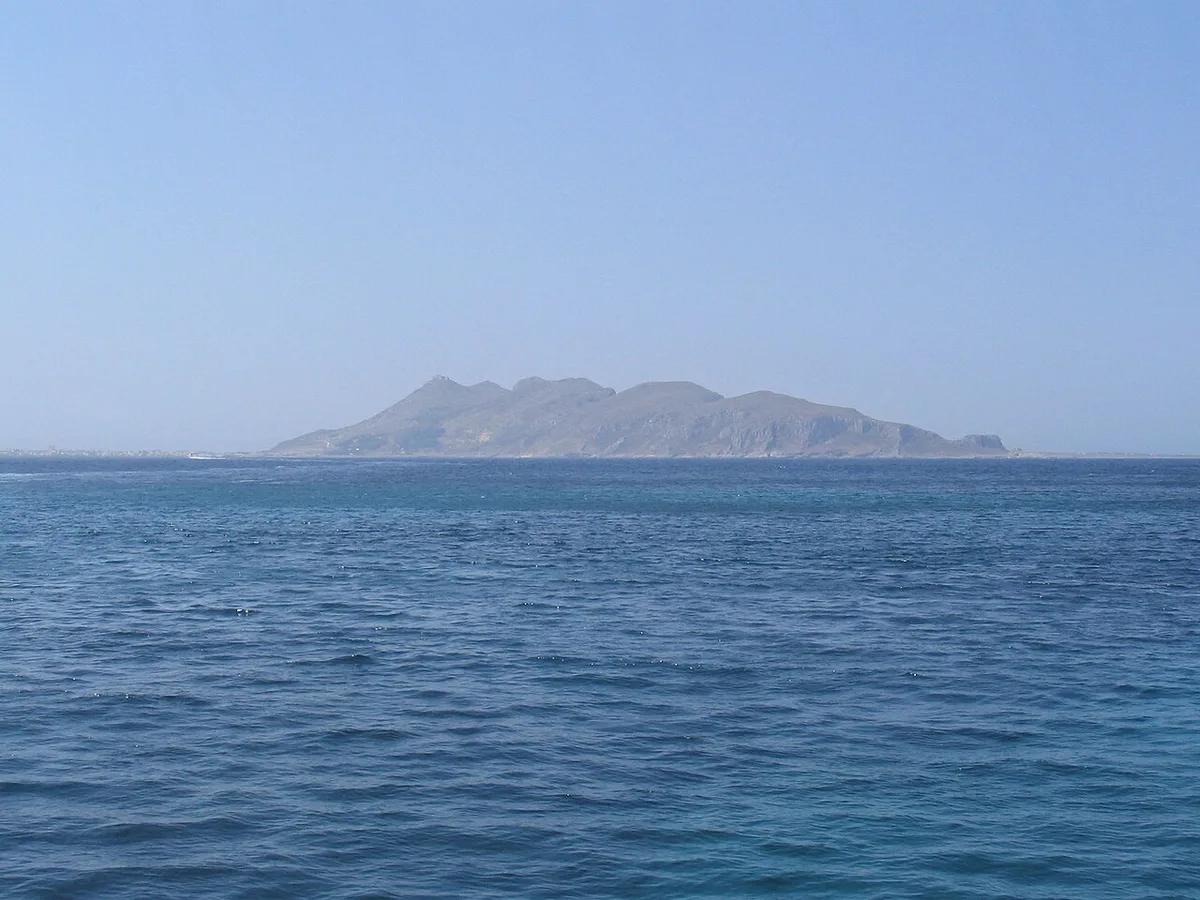
Last updated November 2026: Favignana is the largest of the Egadi Islands Guide: Which Island, Ferries and Where to Stay, off Sicily's west coast near Trapani. A hydrofoil from Trapani covers the crossing in about 20 minutes. Clear water, coves such as Cala Rossa and a former tuna-processing plant make it the easiest island in the group to visit, and the verdict below tells you who should stay overnight.
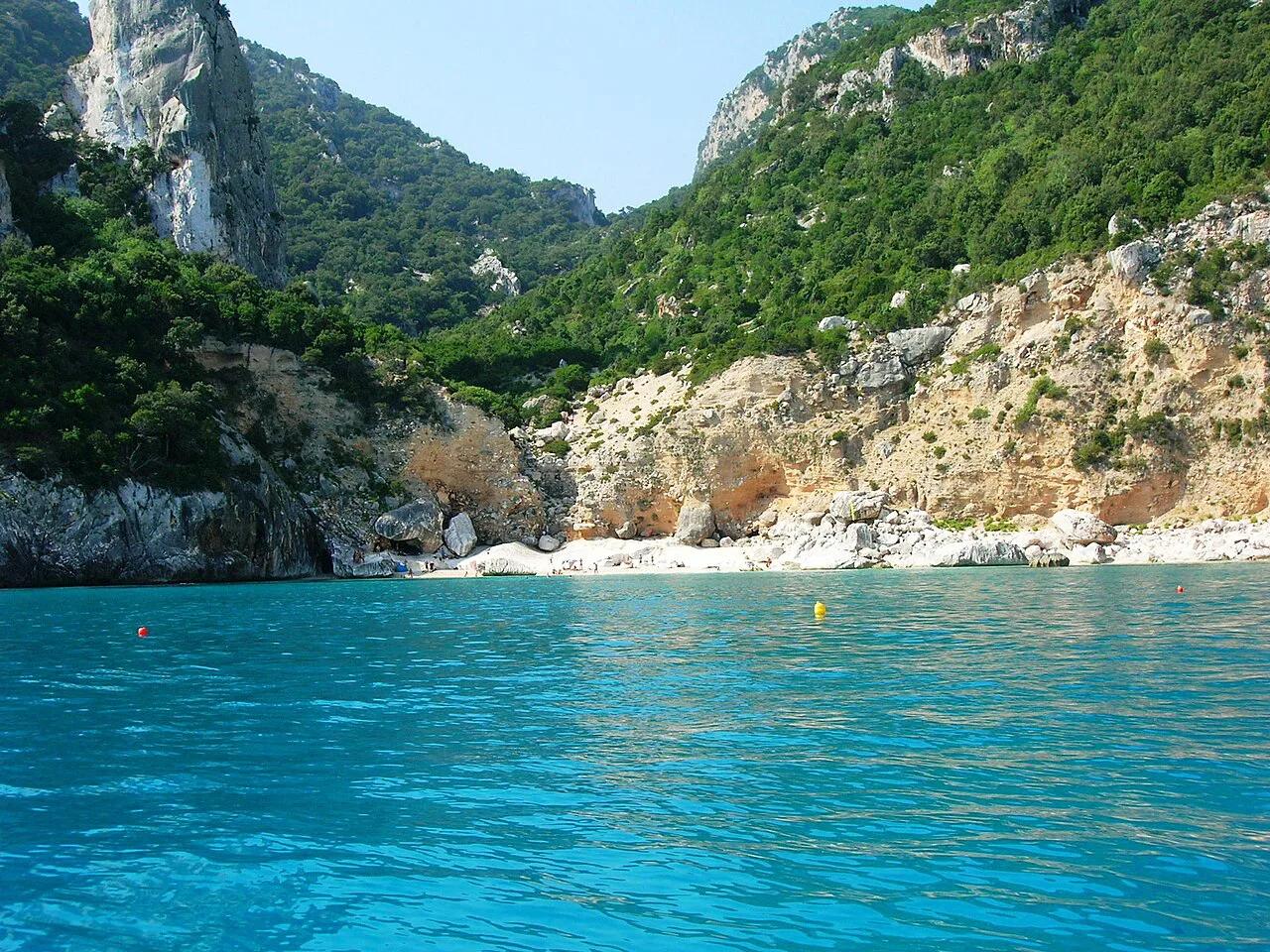
Featured image: michiel1972, CC BY-SA 3.0, via Wikimedia Commons.
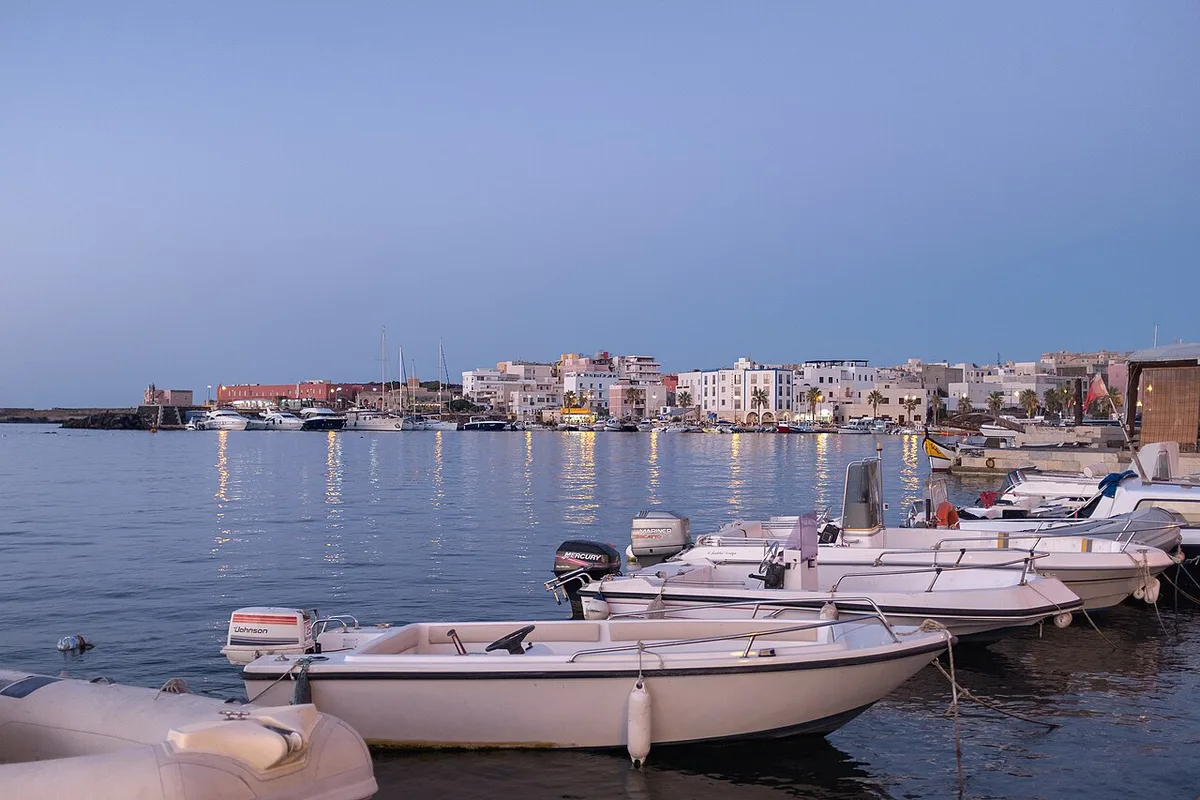
Favignana at a glance
Favignana sits in the province of Trapani, with a population of roughly 5,000. Its port town is the arrival point for every ferry and hydrofoil. Flat ground, short distances and a full set of services make it the practical base for the Egadi group. Africa lies a little over 100 km away, which explains the open, bright-water feel of the coast.
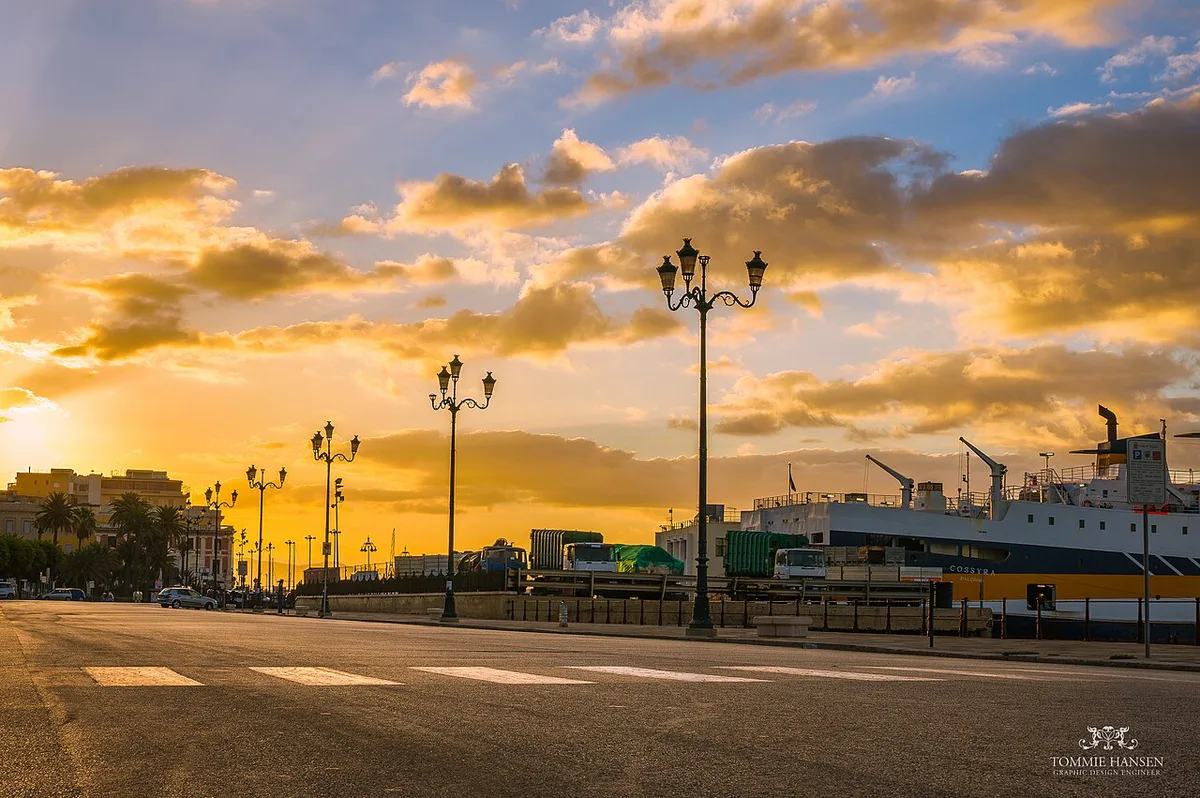
- Location: west of Sicily, off the coast of Trapani.
- Gateway: Trapani by hydrofoil or ferry, with Marsala as another departure point.
- Best for: swimming, snorkeling, diving, cycling and heritage sites linked to tuna fishing.
- Skip if: you want nightlife, large resorts or tight same-day connections.
How to get to Favignana from Trapani
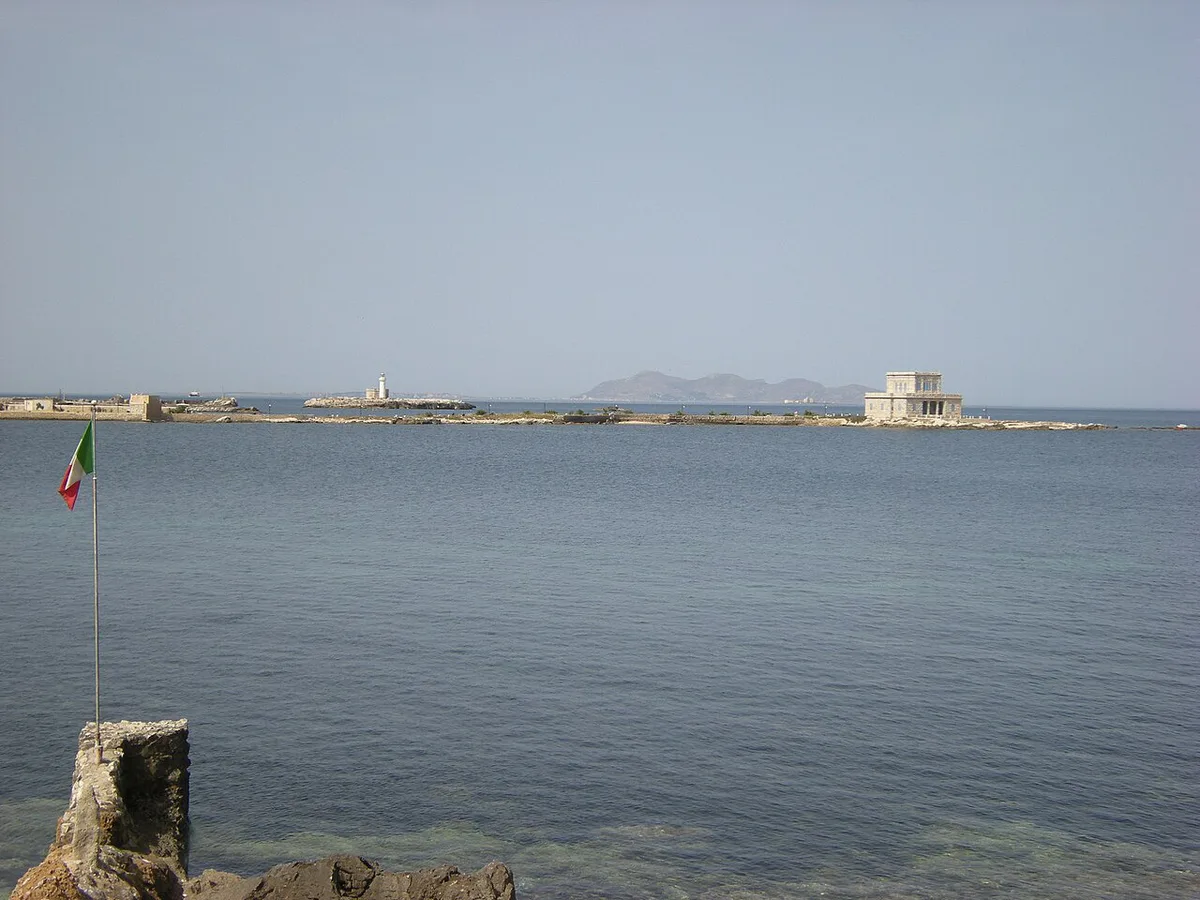
Hydrofoils and ferries both run from Trapani. Operators include Liberty Lines hydrofoils and Siremar ferries. A hydrofoil takes about 20 minutes, while a ferry takes about 1 hour and can carry cars. Marsala is a second departure point if you are staying south of Trapani. Swell can cancel or delay sailings, so check same-day status with the operator. Leave a buffer of several hours before any flight or train, and fix your return sailing before you book the onward leg.
| Crossing | Duration | Vehicles | Rough-sea risk | Suits |
|---|---|---|---|---|
| Hydrofoil from Trapani | About 20 minutes | No | Higher; swell can cancel sailings | Day trippers and foot passengers |
| Ferry from Trapani | About 1 hour | Yes | Lower, but delays still happen | Travelers bringing a car or heavy luggage |
| Marsala departures | Check current timetable | See operator | See operator | Visitors staying south of Trapani |
Best things to do in Favignana
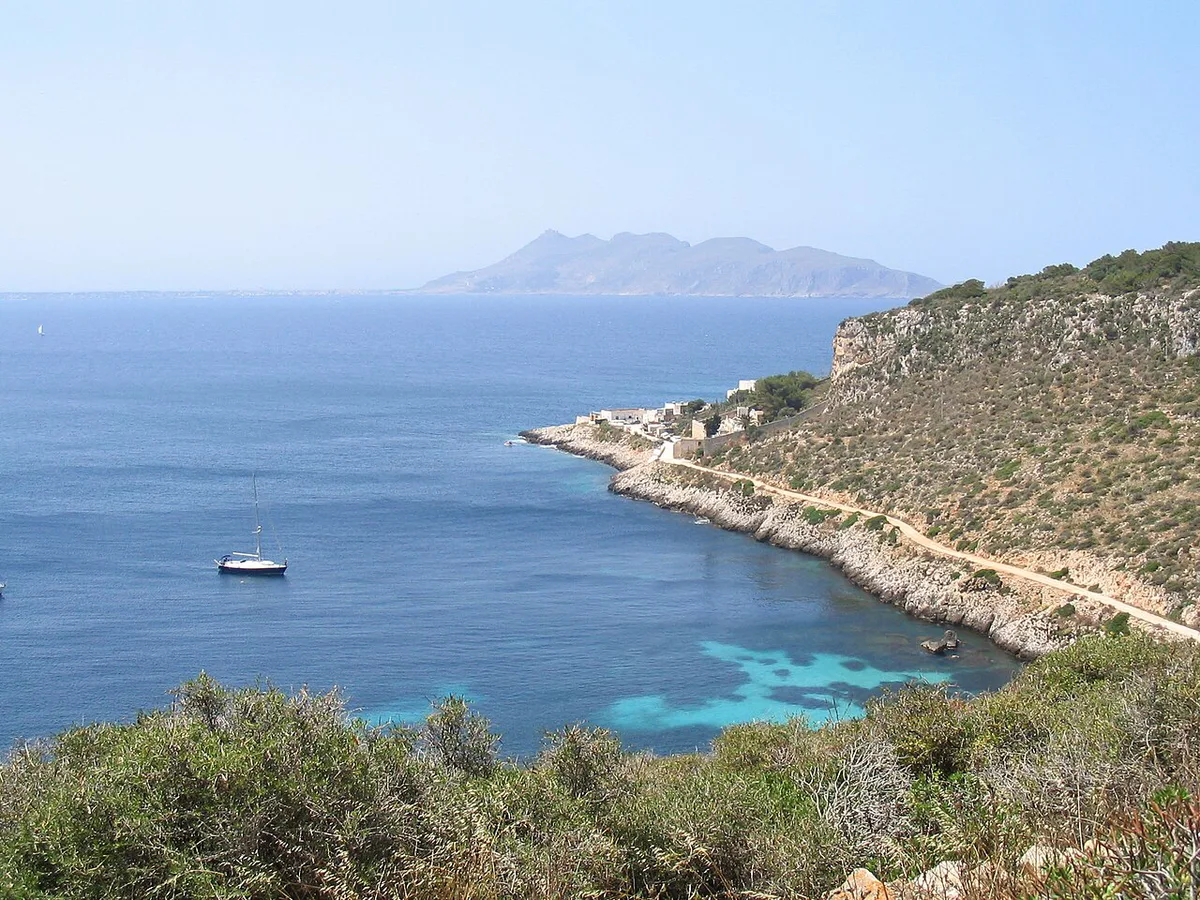
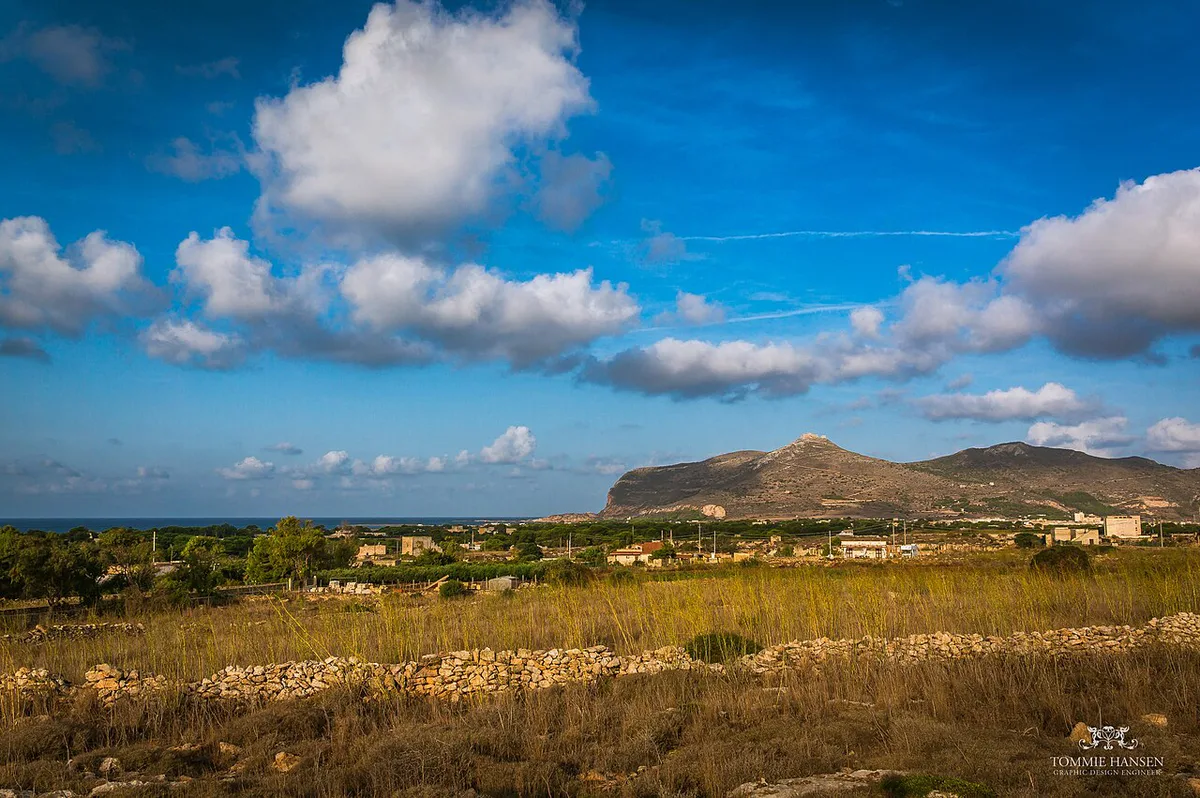
Start at the Tonnara di Favignana, the former tuna-processing plant beside the port. It is the clearest window into the island's fishing past and takes little effort to reach on foot. Cala Rossa is the best-known cove, and the swimming and snorkeling around the coast suit most fitness levels. Diving is popular here, and the Egadi Marine Protected Area sets the rules for protected zones. The Santa Caterina fortress stands on the island's only hill, about 302 m high, and is a steady climb with a wide view back over the water. Opening hours and tickets for the Tonnara change by season, so ask locally on arrival.
- Tonnara di Favignana: easy, flat, suits history lovers.
- Cala Rossa: a swimming cove, best reached by bike or on foot depending on the route.
- Snorkeling and diving: book with a licensed operator and respect protected zones.
- Santa Caterina: a moderate climb, best on a clear day.
Other beaches and the tufa quarries beyond Cala Rossa
Cala Rossa draws the crowds, but the coast has several other swimming spots, and the island's second big sight is its quarries rather than a beach.
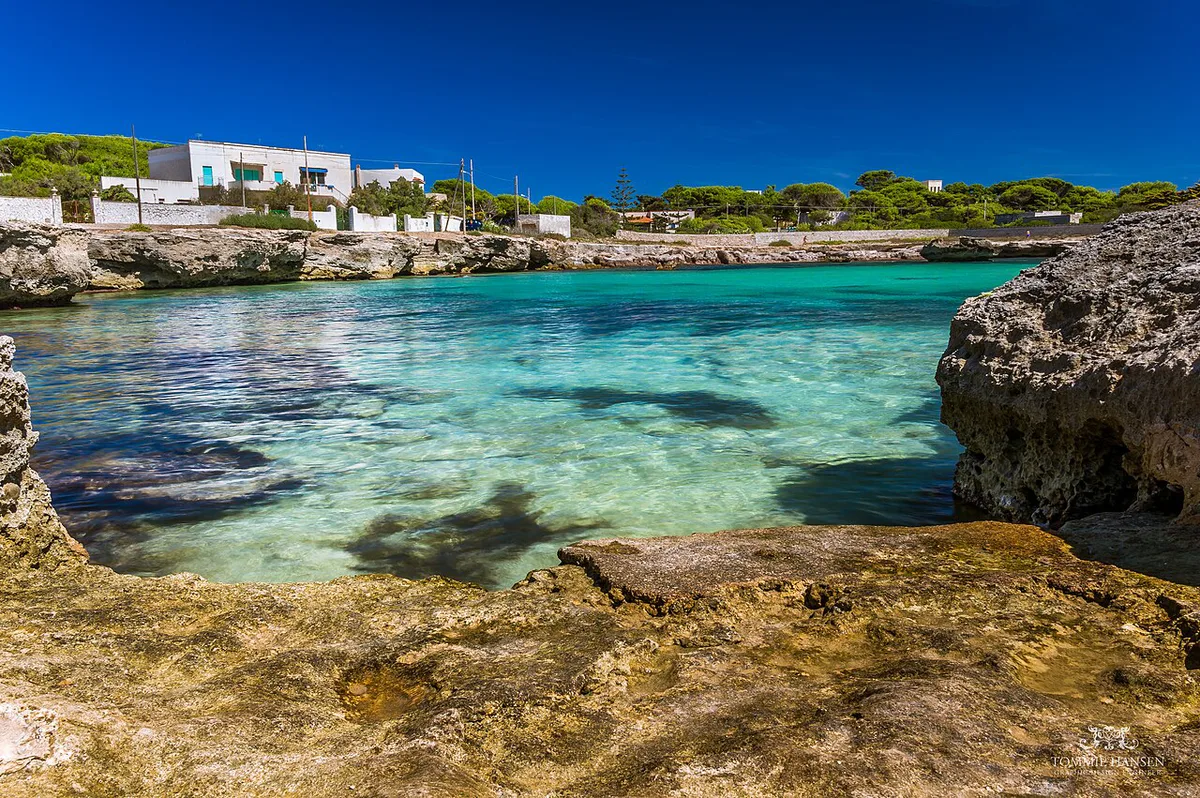
- Lido Burrone: a long sandy beach with shallow, calm water. Of the island's swimming spots it suits children best, and it has the most beach facilities in season.
- Cala Azzurra: a pale, rocky-sandy cove with very clear water, good for snorkeling on a calm day.
- Bue Marino and Cala Rotonda: rockier coves on the quieter side of the island. Wear water shoes and bring your own shade.
The tufa quarries
For centuries Favignana was quarried for tufa, a pale, soft limestone that was cut into building blocks and shipped across the Mediterranean. The quarries left deep square pits and rock walls scattered across the island. Some are now gardens or open-air spaces you can walk into, and a few sit just behind the coves. They are free to look at from the roadside, and they make good shade stops on a bike loop. Some of the pits are unfenced, so keep to marked paths and watch your footing, especially with children.
Beaches are public, but sunbeds and umbrellas are usually run by seasonal concessions. Pack water and sun cover, because natural shade is limited on the flat interior.
Favignana compared with Levanzo and Marettimo
Favignana is the largest island, with the most services and the flattest terrain. Marettimo lies furthest from the mainland and is mostly mountainous. Levanzo is the smallest of the three. Pick Favignana for easy logistics and a choice of places to eat. Choose the quieter islands for walking and fewer people, and treat each as a separate crossing. Our guide to the Egadi Islands compares all three in more depth.
How long to stay: day trip or overnight
A day trip works if you accept the limits. Two crossings of about 20 minutes each leave most of the day on the island, but a cancelled return sailing can strand you. Choose a day trip if you are based in Trapani and the sea forecast is calm. Stay overnight if you want to dive, see the coves in the cooler evening light or avoid a rushed last boat. Two nights suit most visitors who want both swimming and the Tonnara. For onward ideas, see our roundup of Islands Near Sicily: Aeolian, Egadi & More Compared.
Ferry crossings from Trapani take about 1 hour, so a car-carrying day trip loses more time on the water than a hydrofoil run.
Getting around the island
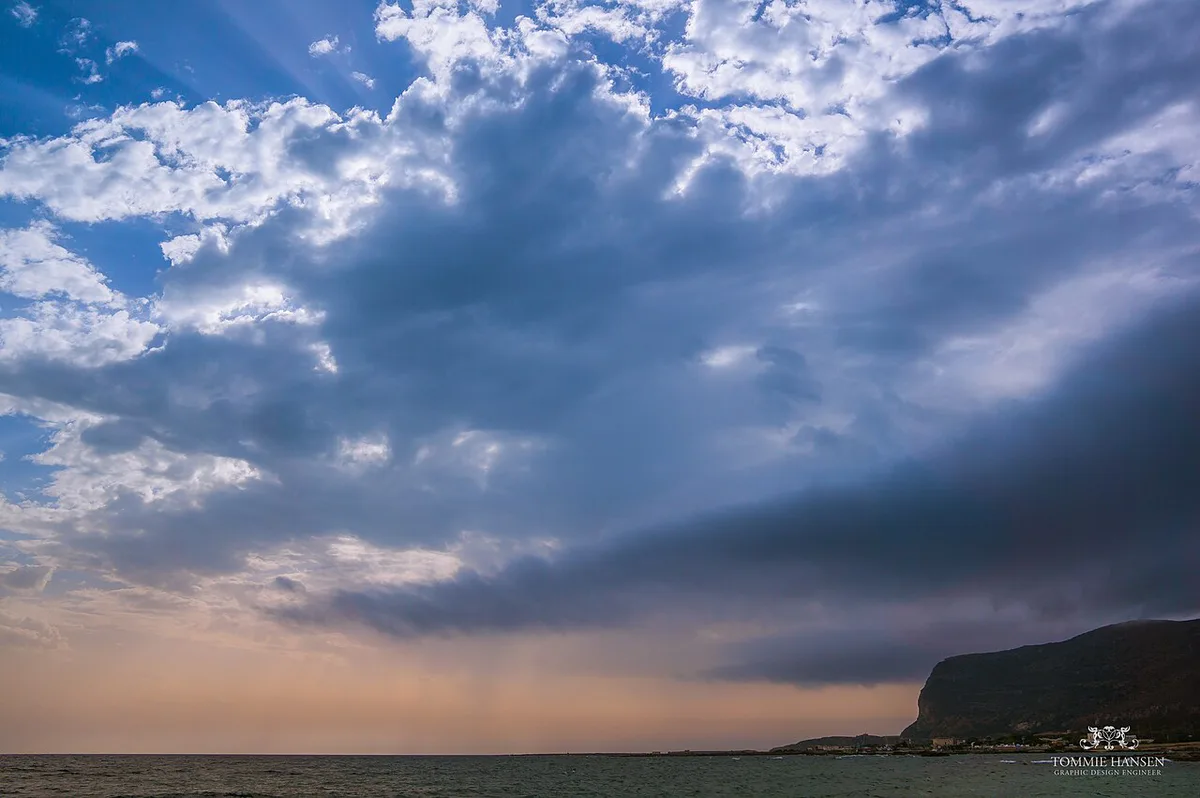
Favignana is flat, so a bike or e-bike covers most coves and the town without effort. Scooters save time on longer loops but need more care on narrow roads. Walking works inside the port town and to the closest beaches. Bringing a car on the ferry only makes sense if you carry heavy gear or travel with a group. Renting locally is usually simpler, and rental terms and rates differ by shop, so compare in person on arrival.
Scooters suit longer loops, but the Santa Caterina fortress on its only hill stands about 302 m high.
What to eat in Favignana
Food here follows the sea and the island's tuna-fishing past, so the menu is short on meat and long on fish. Most restaurants cluster around the port town and are easy to reach on foot or by bike.
- Tuna dishes: grilled steaks, tuna tartare, and tuna preserved in oil, a direct legacy of the Tonnara era.
- Couscous: the western Sicilian fish couscous, served with a rich broth, reflects the island's closeness to North Africa.
- Busiate and pasta with seafood: look for local sea urchin, prawns and pesto trapanese, made with almonds and tomatoes.
- Sweets: cannoli and almond pastries are widely sold, and a granita is a reasonable midday break from cycling.
Practical tips
Many places open only in the warm months, so make sure your chosen restaurant is serving before you cross. In July and August, book dinner ahead, since the evenings fill up with Italian holidaymakers. Day trippers who time lunch for the early afternoon usually find tables more easily. A good fallback is a bakery or deli in the port town, where you can buy picnic food and eat it at a cove.
Menu items and prices change by season and by restaurant, so read the board before ordering fish sold by weight.
Where to stay
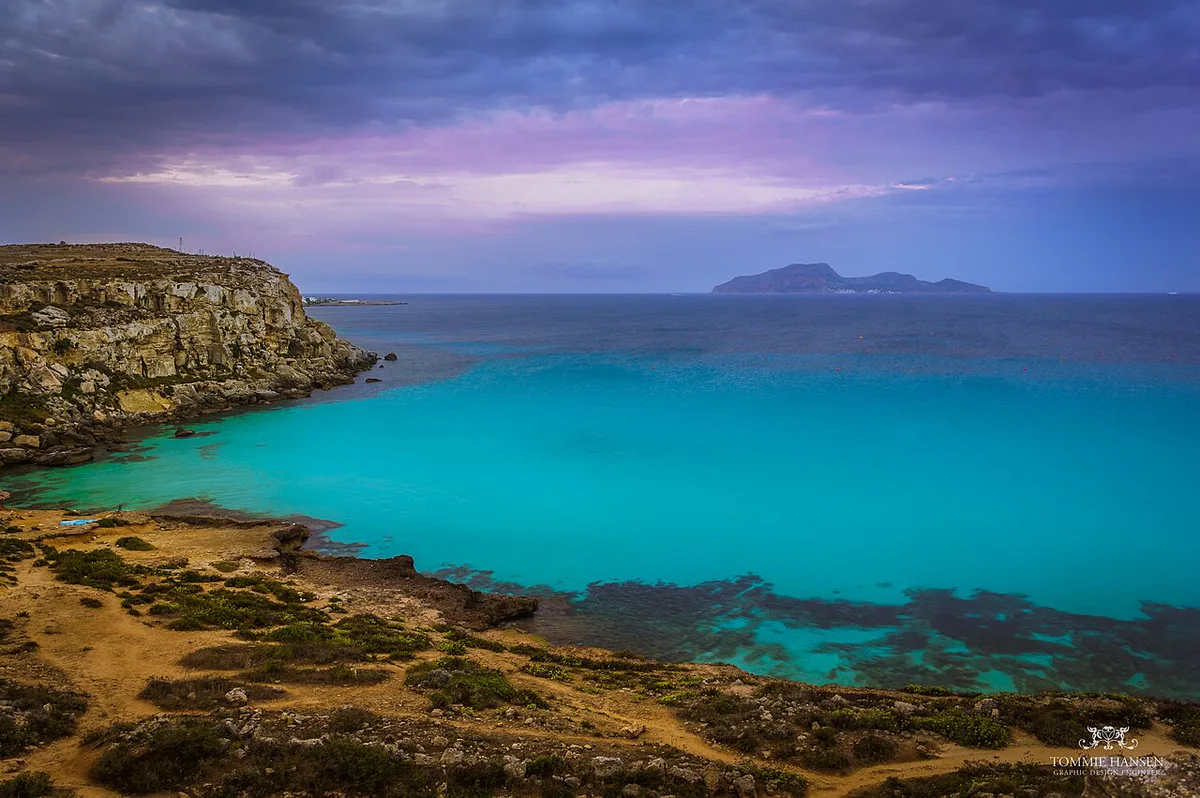
The port town is the easiest base. It puts ferries, restaurants and bike rental within walking distance, and it suits travelers without a vehicle. Coastal stays near the coves are quieter, but you will need a bike or scooter for every meal and boat. Book early for summer, because the island fills fast. Nightly rates vary by season and property, so look at current listings rather than relying on old figures.
When to go and mistakes to avoid
Shoulder months give calmer streets and easier bookings. August is the busiest month, when Italian holidaymakers fill the evenings. Some businesses run only seasonally, so make sure your restaurant, rental shop or dive center is open before you go. For regional planning, the Sicily tourism portal is a useful starting point. Our overview of Italian islands shows how Favignana compares with other destinations.
- Booking a tight same-day connection after the return boat.
- Assuming hydrofoils run in rough seas.
- Arriving without a rental or bike plan in August.
- Expecting nightlife or large resorts.
Frequently Asked Questions
How do I get to Favignana, Sicily?
Take a hydrofoil or ferry from Trapani, or depart from Marsala. The hydrofoil takes about 20 minutes and the ferry about 1 hour.
Is Favignana worth visiting?
Yes, if you want clear water, easy cycling and a look at the island's tuna-fishing heritage. Skip it if you want nightlife or resort facilities.
Where to stay in Favignana?
The port town is the easiest base because ferries, food and bike rental are close together. Quieter coastal stays suit travelers who are happy to cycle.
Useful notes for your next island trip
Optional updates to our guides.
You might also like

Continue reading
More guides you'll find useful