
Giglio Island Guide: Ferry, Beaches & Where to Stay
Plan Giglio Island: how to take the ferry from Porto Santo Stefano, where to stay, beaches compared, and whether a day trip is enough.
On this page
Last updated November 2026. Giglio Island is the second-largest island of the Tuscan Archipelago, reached by ferry from Porto Santo Stefano. It works as a day trip or a longer stay. This guide covers the crossing, a base choice, beaches, getting around without a car, and when a day is enough.
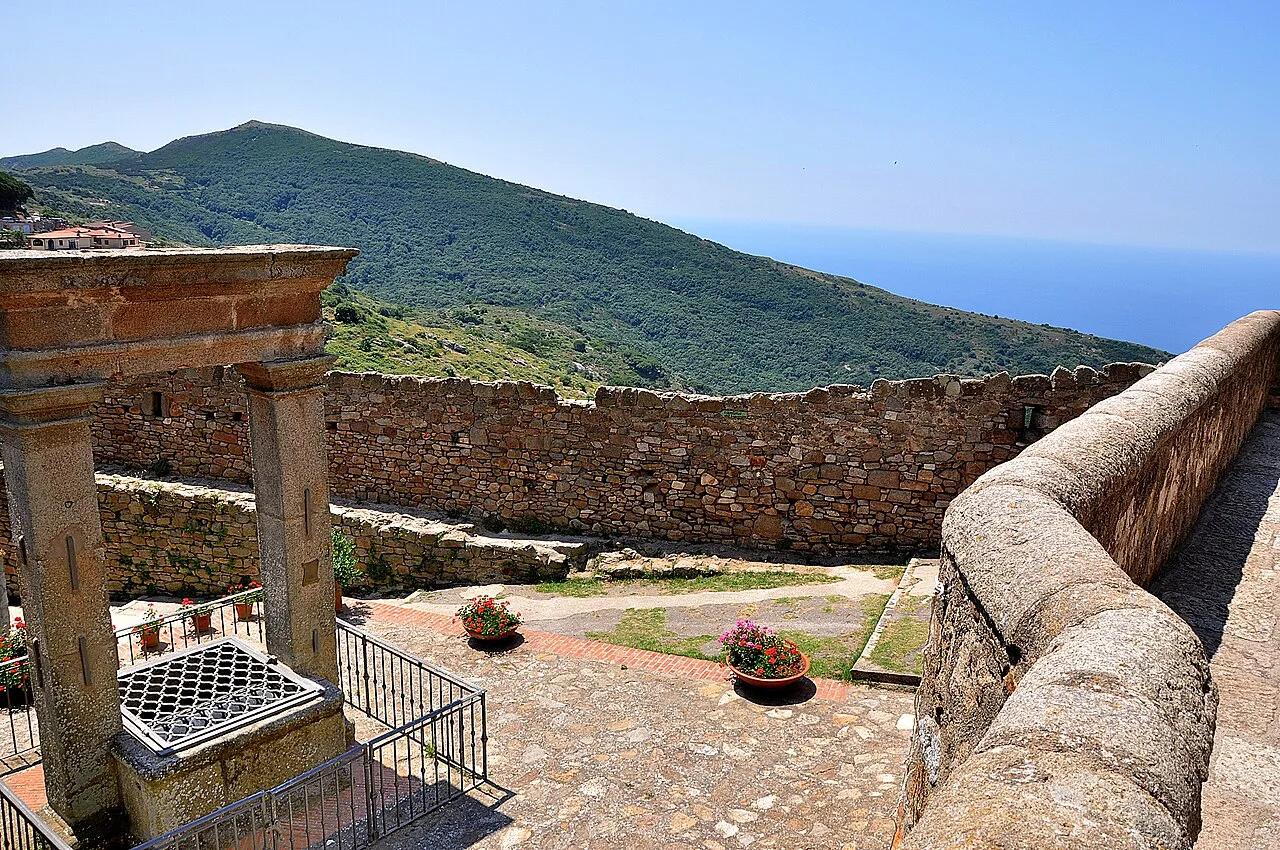
Featured image: simonetta viterbi, CC BY 2.0, via Wikimedia Commons.
Giglio Island at a Glance
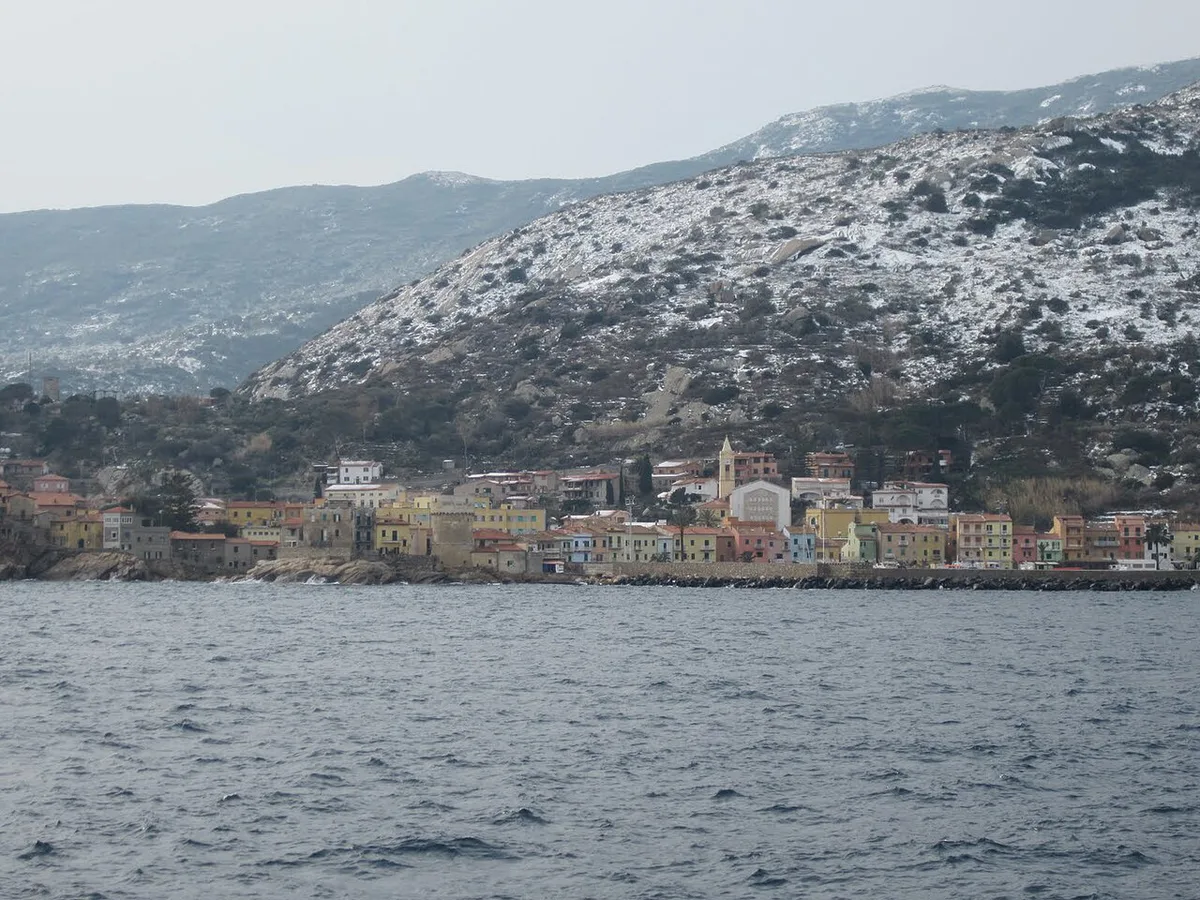
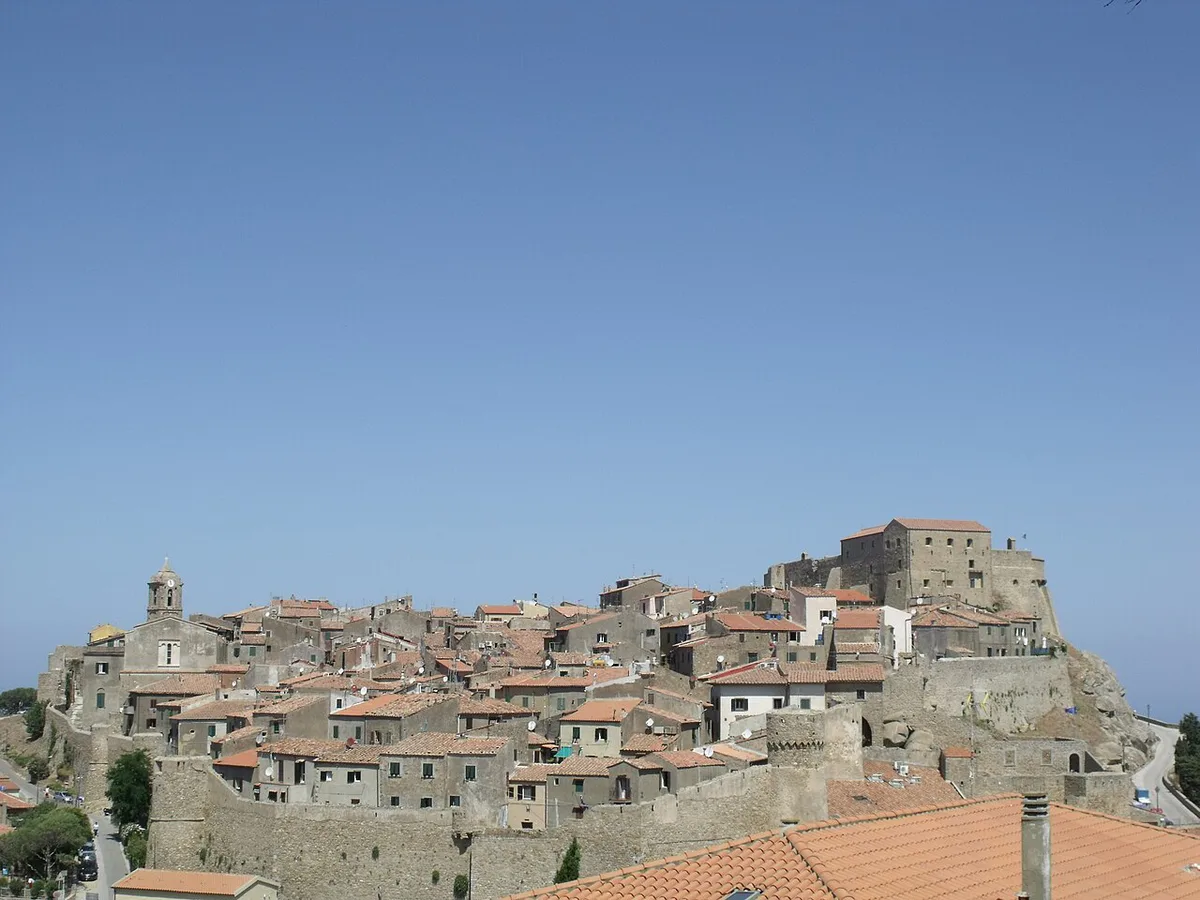
Isola del Giglio sits off the Tuscan coast, inside the Tuscan Archipelago National Park. Three settlements shape any visit. Giglio Porto is the harbour where ferries dock. Giglio Castello is the walled village on the ridge above. Campese is the beach bay on the west coast. Giglio suits travellers who want swimming, a medieval hill village and a slow evening without resort infrastructure. It is a poor fit if you want nightlife or a guaranteed open restaurant in January.
- Island group: Tuscan Archipelago
- Ferry gateway: Porto Santo Stefano to Giglio Porto
- Settlements: Giglio Porto, Giglio Castello, Campese
- Best for: swimming, village lanes, sunset views
- Less suited to: winter trips and travellers who dislike stairs
How to Get to Giglio Island
Ferries cross from Porto Santo Stefano to Giglio Porto. Toremar and Maregiglio both run the route. Crossings take about 1 hour and run several times a day, with fewer sailings in winter. Porto Santo Stefano is about 2 hours by car from Rome. By train, go to Orbetello-Monte Argentario station and take a bus on to the port. Book the crossing ahead in summer, and read the operator's page for vehicle rules before bringing a car. Check the last sailing back before you leave the harbour.
- Drive: Rome to Porto Santo Stefano, about 2 hours
- Train: to Orbetello-Monte Argentario, then bus to the port
- Ferry: Porto Santo Stefano to Giglio Porto, about 1 hour
- Operators: Toremar and Maregiglio
Giglio Porto, Giglio Castello or Campese: Where to Base Yourself
Your base decides how much of the island you see without a bus. Giglio Porto puts you at the ferry, with cafes and fish restaurants on the harbour. Castello gives you a walled medieval village and quiet nights. Campese puts you on the sand. Pick one and treat the others as bus rides.
Typical stop lengths add up to about 3 hours 15 minutes on the ground. Choose the base that covers the stops you care about most.
| Base | Feel | Ferry access | Beach access | Evenings | Best for |
|---|---|---|---|---|---|
| Giglio Porto | Working harbour with cafes | Steps from the dock | Walk to Cala delle Caldane | Harbour restaurants | Short stays, early boats |
| Giglio Castello | Walled hill village, stepped lanes | Bus down to the port | Bus or car needed | Quiet squares, local wine | Couples, history lovers |
| Campese | Wide bay with beach bars | Bus to the port | On the beach | Sunset at Torre del Campese | Swimmers, families |
Best Things to Do on Giglio
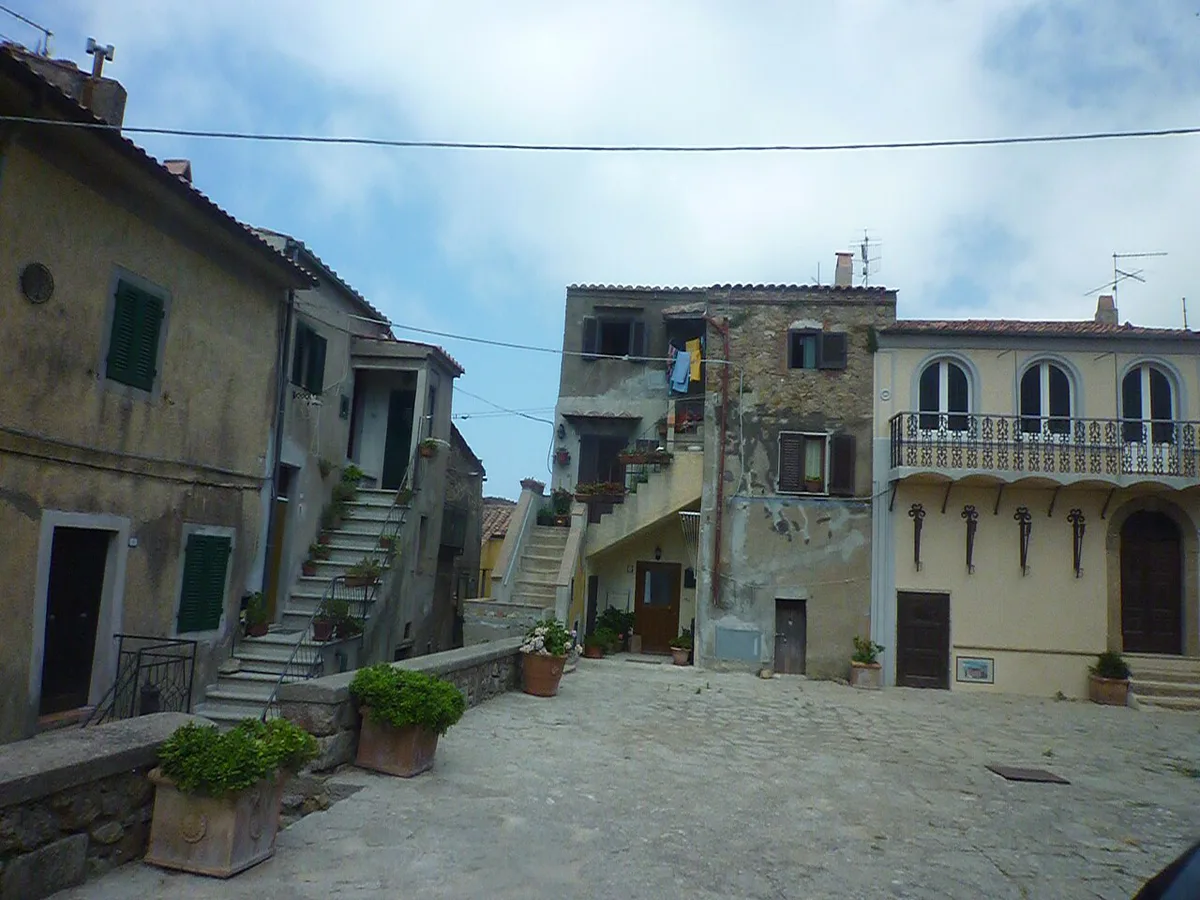
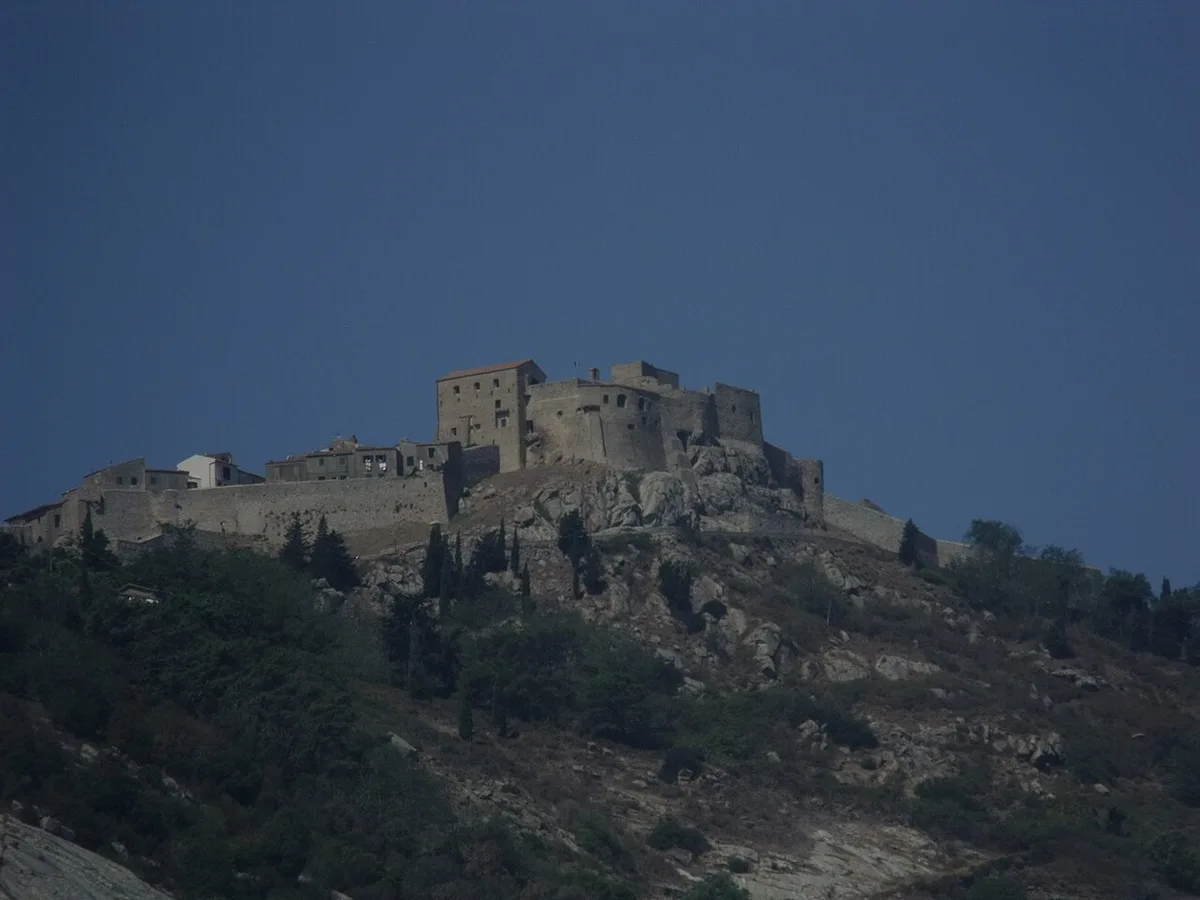
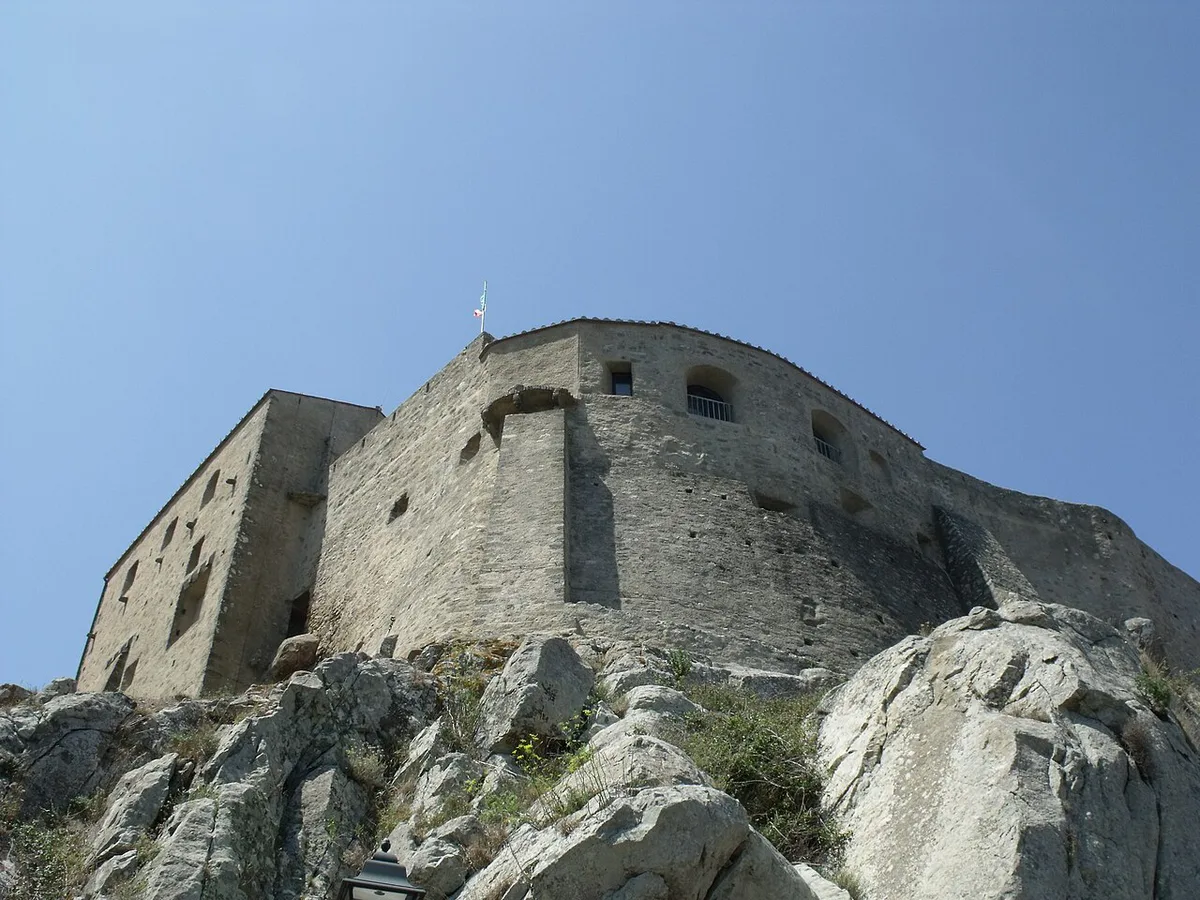
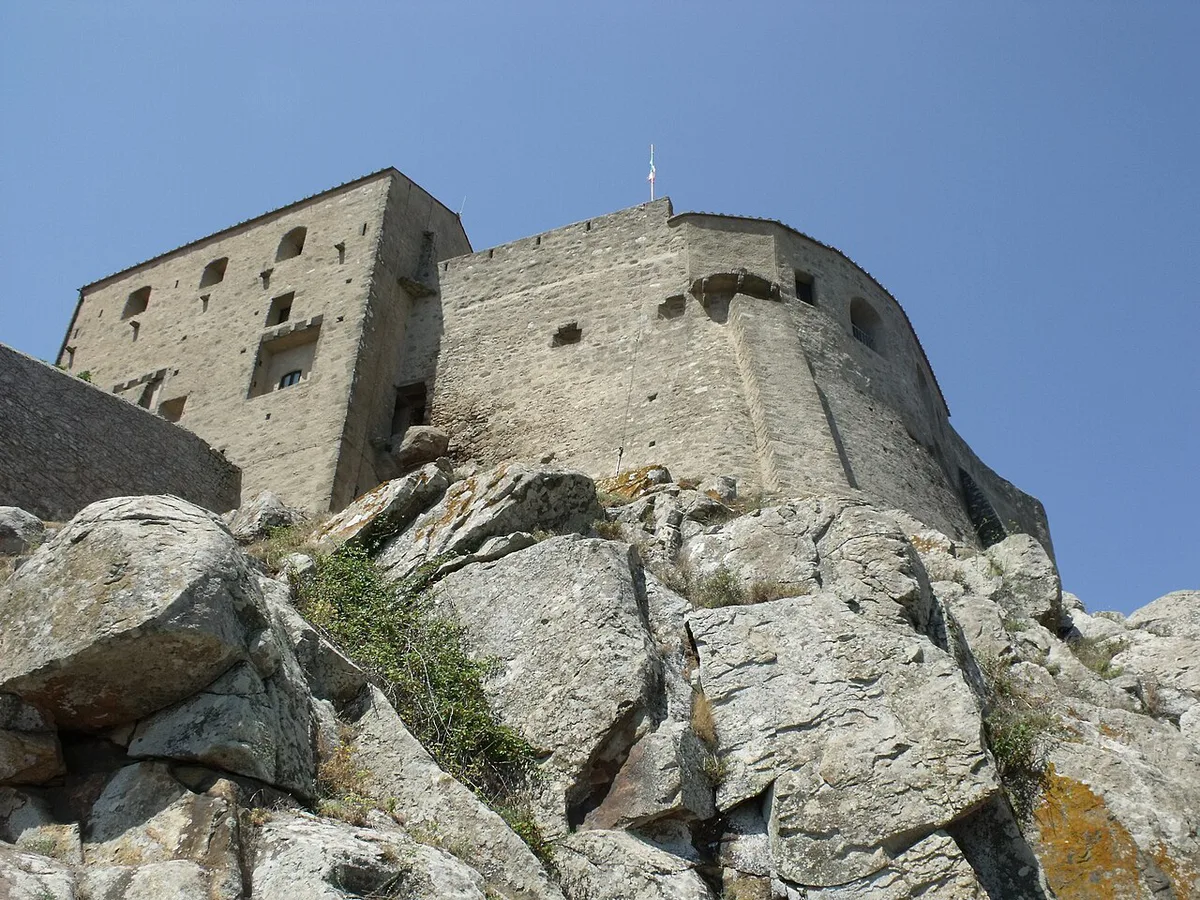
Start at Giglio Porto, where a Medici watchtower stands by the sea. Ride the bus up to Giglio Castello. Its arched stairways, tiny squares and views over both coasts reward slow walking. At the top, the Rocca Aldobrandesca was built by the Pisans and the Aldobrandeschi. It looks far out over the water. Finish at Torre del Campese, an old watchtower on a rock at the end of Campese bay. It is the island's favourite sunset photo spot. Bring a swimsuit and snorkel, because the granite coast has very clear water. Try the island's Ansonaco white wine from terraced vineyards. Pair it with panficato, a dense fruit-and-nut cake.
Giglio Island Beaches Compared
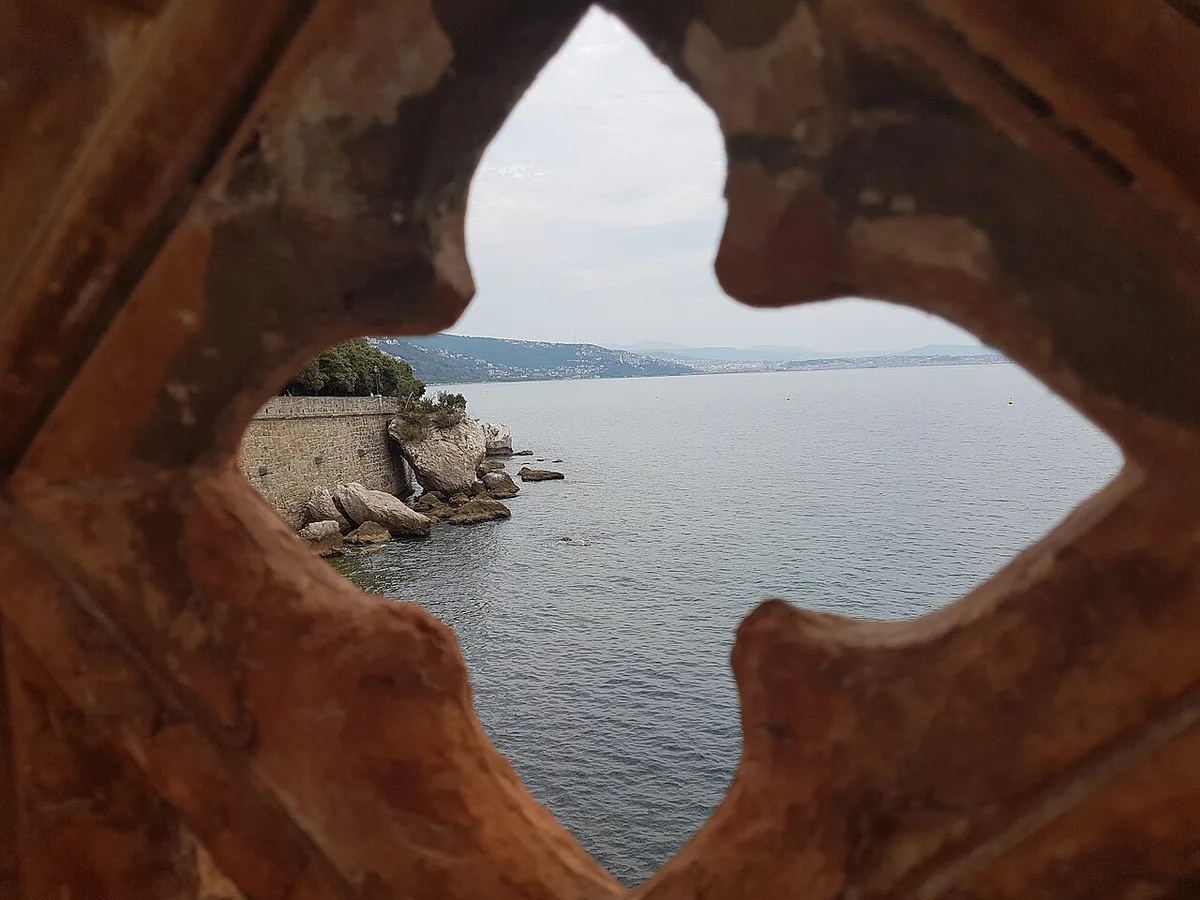
Four beaches can be reached on foot. Two lie just south of Giglio Porto: Cala delle Caldane and Cala delle Cannelle. Caldane is a foot-only walk past Punta di Capo Marino and the bay of Cala dello Smeraldo. Cannelle can be reached by car, but a scooter copes better with the difficult road. Campese is the longest sandy beach. Other bays are reachable only by private or rental boat.
| Beach | Setting | Access | Facilities | Best for |
|---|---|---|---|---|
| Campese | Longest sandy beach, west coast | Bus or car | Beach bars and rentals | Families, sunset |
| Cala delle Caldane | Cove south of Giglio Porto | On foot only | Minimal; bring water | Scenic walk and swim |
| Cala delle Cannelle | Cove south of Giglio Porto | Road; scooter easier | Ask locally | Quick swim |
| Arenella | One of four walkable beaches | Ask at your lodging | Ask locally | Quieter stop |
Giglio Island in One Day (and When to Stay Longer)
A day trip covers the main sights at a brisk pace. Typical stop lengths add up to about 3 hours 15 minutes on the ground. Add bus waits and lunch, and the ferry timetable becomes the binding limit. Take an early boat and fix your return sailing before anything else. Stay overnight if you want sunset at Campese, an evening in Castello, or a margin against a missed boat or bus.
- Giglio Porto harbour: about 30 minutes
- Giglio Castello walled village: about 45 minutes
- Rocca Aldobrandesca: about 15 minutes
- Torre del Campese: about 15 minutes
- Campese beach: about 1 hour 30 minutes
Getting Around Giglio Without a Car
You do not need a car. Local buses link Giglio Porto, Giglio Castello and Campese. Learn the last bus from Campese back to the port before settling on the beach. Taxis and scooters fill the gaps, and a scooter handles the Cannelle road better than a car. Castello is steep and stepped, so wear good shoes for its lanes and the climb to the Rocca. Luggage and strollers are awkward there.
When to Visit Giglio Island
June and September balance warm sea and manageable crowds. July and August bring the busiest ferries and beaches. May and October suit walking more than swimming. In winter, sailings are fewer and many restaurants and hotels close. Plan a winter visit around the operators' reduced timetables and call your lodging first.
Crossings take about 1 hour. Winter brings fewer sailings, so check the return time before you settle on lodging.
Costs and Booking Notes
Fares and beach-club prices change by season, so read them on the operator pages for Toremar and Maregiglio. Day trips avoid lodging costs, which are the largest line in summer. A bus or scooter costs less than a taxi for Campese. Book summer crossings and rooms early. Shoulder months usually ease both.
Mistakes to Avoid
Most problems on Giglio come from timing and terrain. Avoid these.
- Skipping the last-ferry and last-bus check before heading to the beach
- Expecting sand on every beach, when Campese is the long sandy one
- Assuming year-round services, which thin out in winter
- Wearing sandals for Castello's stepped lanes and the Rocca climb
Nearby Islands and Next Steps
Compare Giglio with its closest archipelago neighbour in our Elba island guide. For a wider choice, start at our guide to Italian islands. For another Tyrrhenian option reached by ferry from the mainland, see Ponza.
Frequently Asked Questions
Is the Isola del Giglio worth visiting?
Yes, if you want swimming, a walled medieval village and a quiet evening. Giglio Castello and Campese beach are the main draws. Skip it in winter, when many restaurants and hotels close.
What happened on Giglio Island?
The cruise ship Costa Concordia struck rocks off the island in January 2012. Thirty-two passengers and crew died. The wreck was later towed to Genoa for salvage.
Useful notes for your next island trip
Optional updates to our guides.
You might also like

Continue reading
More guides you'll find useful