
Naples to Ischia Ferry: Times, Tickets & Which Boat
How to get from Naples to Ischia by ferry or hydrofoil: crossing times, fares from €15, ports, and tips for choosing the right boat.
On this page
Last updated November 2026: the Naples to Ischia ferry crosses about 18 miles of the Bay of Naples in roughly 1h to 1h30, depending on vessel and company. Caremar's slower ferry sailings are listed at 1h45m. Deck passage starts from about €15, so choose a hydrofoil for speed or a ferry if you carry a car or heavy bags.
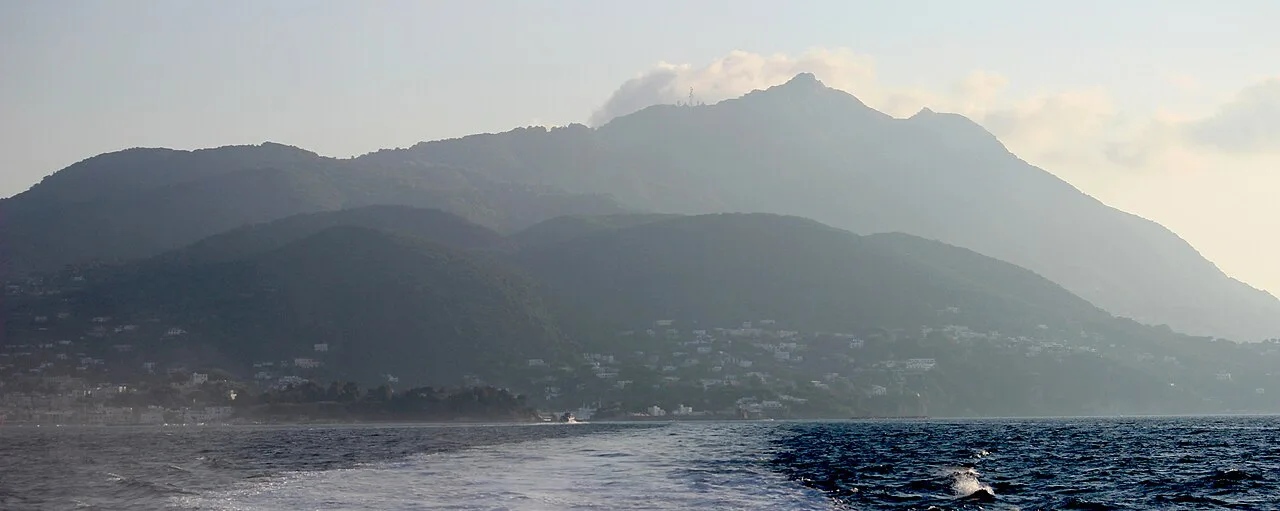
Featured image: Miguel Hermoso Cuesta, CC BY-SA 4.0, via Wikimedia Commons.
Naples to Ischia ferry: the quick answer
Caremar sails the route all year, and its official timetable and fares are the reference for any sailing you book. Prices and hours checked November 2026. Deck passage starts from about €15, and a seat costs around €18. A family travelling with a car should budget roughly €60 to €120, depending on the options chosen. Treat all of these as "from" prices, because fares move with season and vessel. Caremar, SNAV, Medmar and Alilauro are the operators worth comparing for this crossing. Foot passengers who want the shortest crossing usually pick a hydrofoil. Travellers with a vehicle or bulky luggage usually pick a conventional ferry.
Ferry vs hydrofoil: which to take
Both boat types reach Ischia from Naples, but they suit different travellers. A conventional ferry is slower and has more deck space. Hydrofoils (aliscafi) are fast craft that mainly carry passengers. The table below sets out the trade-offs.
| Factor | Ferry (traghetto) | Hydrofoil (aliscafo) |
|---|---|---|
| Typical crossing | About 1h45m on Caremar's listed sailings | Shorter than the ferry; check the operator's timetable |
| Fare tier | From about €15 deck passage, about €18 seat | Check the operator's fare page |
| Vehicles | Cars carried on ferry services | Generally foot passengers only |
| Rough seas | Larger hull, sailings more likely to run | Fast craft are the first to be cancelled or swapped |
| Best for | Cars, heavy luggage, budget travellers | Day trippers and light packers |
| Motion sickness | Steadier ride on the open deck | Faster, bouncier ride in a closed cabin |
Naples departure ports and how to reach them
Services leave from two Naples quays, Molo Beverello and Calata Porta di Massa. Your operator's booking page states which quay each sailing uses, so read your ticket before you head to the waterfront. Both quays sit on the harbour side of the city centre. From Naples Centrale and the airport, allow a generous buffer before departure for city traffic and ticket queues. Arrive at the quay well ahead of a hydrofoil, because boarding closes early on fast craft. Plan the airport leg as a transfer to the quay, then a separate ferry ticket.
Ischia arrival ports: choose by where you're staying
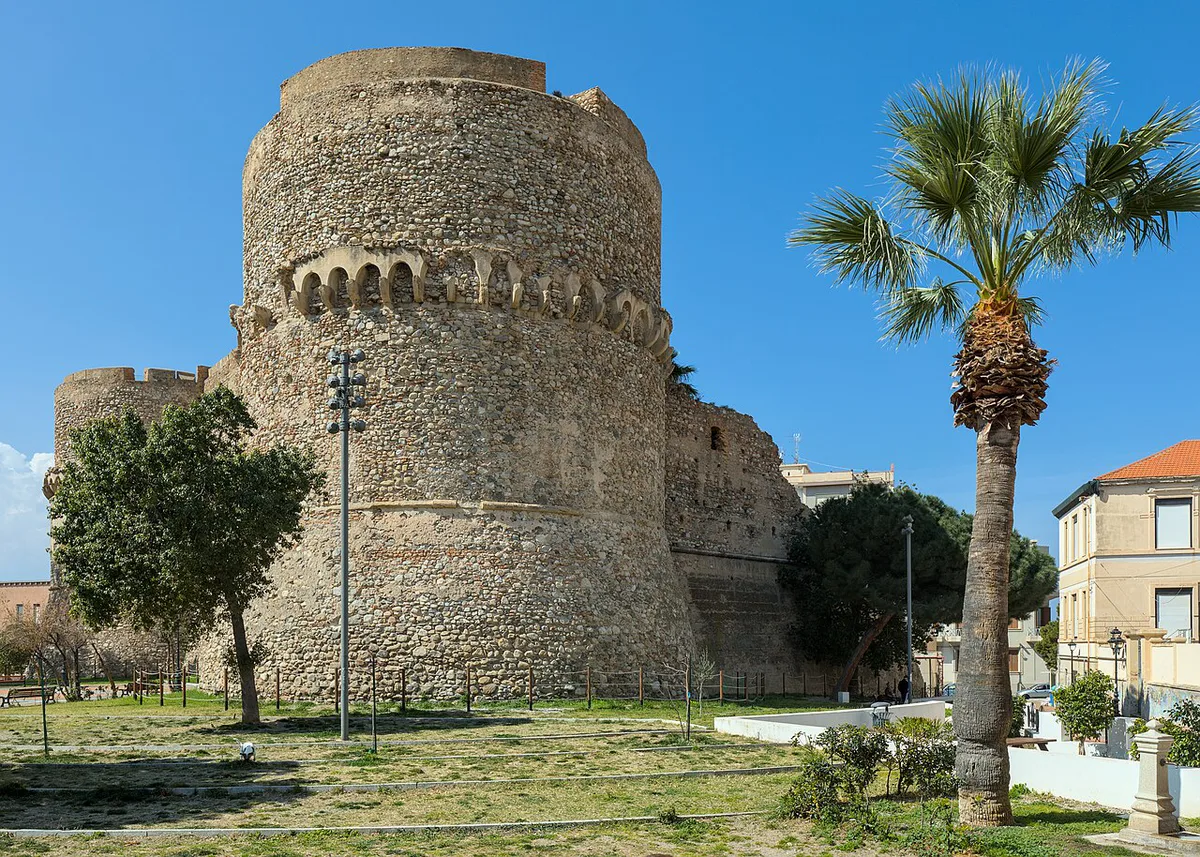
Boats from Naples call at Ischia Porto and at Casamicciola. Choose the one closest to your hotel, because a wrong landing means a bus or taxi across the island. Ischia Porto is the main arrival point and the default for most visitors. Casamicciola suits guests staying on the northern side near that town. Your ticket names the arrival port, so check it before you pay.
- Staying near Ischia Porto: book a sailing that lands at Ischia Porto.
- Staying in or near Casamicciola: book a sailing that lands at Casamicciola.
- Staying elsewhere on the island: ask your hotel which port is closer, and whether a pickup is offered.
Ticket prices and how to book
Published "from" fares are about €15 for deck passage and about €18 for a seat. Cars add to the total, and a family with a vehicle should expect roughly €60 to €120 overall. Compare the operators for your date on their own websites. Buy in advance for summer weekends and for any crossing with a car, since vehicle space is limited. Foot passengers outside peak days can usually buy at the port. Carry a valid photo ID, because ticket checks at boarding may ask for it.

Timetable patterns, seasons and last boats
Services run all year, but winter timetables are reduced. A sample November weekend on Caremar's ferry showed a first departure at 06:00 and a late sailing at 21:55, with frequent departures between them. Do not treat that as a fixed schedule. Summer adds sailings, and each operator publishes its own season dates. Look up the last return sailing before you book the outbound leg. Also compare which operators run on your day, because hydrofoil and ferry timetables differ.
Overnight stays remove the last-boat risk, so the sample late sailing at 21:55 matters mainly to day trippers.
Bad weather and cancellations
Rough seas can cancel a sailing or swap a hydrofoil for a slower vessel. Hydrofoils are usually affected first. Check your operator's website or phone line on the morning you travel. Keep a flexible ticket if the forecast looks poor. If a hydrofoil is cancelled, ask about the next conventional ferry, which adds time to the crossing. Do not book a tight onward connection, such as a flight home, on the same day as a weather warning.
If a hydrofoil is cancelled, a conventional ferry adds time, and Caremar's listed sailings already take 1h45m.
- Mistake: missing the last boat back to Naples.
- Mistake: arriving at the wrong Ischia port for your hotel.
- Mistake: having no plan if the sea is rough.
On board: seats, luggage and what to pack for the crossing
The crossing is short, but a little preparation makes it easier, especially on a busy summer morning when boats fill up.
Boarding and choosing your spot
- Arrive early. Queues form at the quay before departure, and boarding on fast craft closes ahead of sailing time. Check the boarding time printed on your ticket rather than assuming the departure time.
- Seats on a hydrofoil. These are usually in an enclosed cabin, so you are protected from spray and wind. If you get queasy, pick a seat near the middle of the boat, where movement is least, and look at the horizon rather than a screen.
- Decks on a ferry. A conventional ferry usually has open deck space. This suits you if you want fresh air and a view of Vesuvius and the Naples waterfront as you leave, and it helps if you feel unwell in a closed cabin.
Luggage and valuables
Keep your passport or ID, phone, wallet and return ticket in a small bag you carry with you. Hold larger suitcases in the luggage area, but keep them in sight where you can, and do not leave valuables in loose outer pockets while you queue at the quay. Naples ports are busy, so stay alert to pickpockets as you board.
What to pack for a day on the water
- A light windproof layer, since the open deck is cooler than the shore even in summer.
- Sunscreen, sunglasses and a hat if you plan to sit outside.
- Water and a snack, because onboard food is limited on shorter crossings.
- Motion sickness tablets, taken before departure if you are prone to it.
- A downloaded or printed copy of your ticket and the last return sailing time.
Tip: Take a screenshot of the return timetable before you leave Naples. Mobile signal can be patchy on the water and at the quay on Ischia, and you will want the last boat time to hand.
Day trip or overnight? Planning your time
Ischia works as a day trip if you start early. A 06:00 sailing from Naples in the sample November schedule arrives at 07:45, which leaves a full island day. Add transfer time between the quay and your port, then confirm the last return sailing before committing. A day trip suits one coastal town and a thermal park or beach. Staying overnight removes the last-boat risk and suits travellers with luggage. In winter, with fewer sailings, an overnight stay is the safer choice.
Onward trips: Procida, Capri and other islands
From Ischia you can continue to Procida's harbours, which sits close by in the same bay. Procida is one of the easiest add-ons to an Ischia stay. Heading the other way, ferries to Capri leave from the same Naples waterfront. For a longer trip, consider island-hopping to Ponza. For a wider overview, browse our guide to islands across Italy. Always check each leg's timetable, because connections between islands are not guaranteed daily.
Frequently Asked Questions
How do I get from Naples airport to Ischia?
Get from the airport to a Naples ferry quay first, then take the boat to Ischia. Allow a generous buffer before departure. Check current airport transfer options and your operator's boarding times before you travel.
Useful notes for your next island trip
Optional updates to our guides.
You might also like


Continue reading
More guides you'll find useful