
Île d'Aix Guide: Ferry, Napoleon Sights & Day Trip
Plan a day on Île d'Aix: ferry from Fouras, car-free routes, Napoleon sights, beaches, costs to check and the mistakes that cost you the last boat.
On this page
Last updated November 2026: ile d aix is a car-free island off Charente-Maritime, about a 20-minute boat crossing from Fouras-les-Bains. You can walk or cycle its 3 km length and fit in Napoleon sights, a fort and three public beaches in one day. Our guide sits under the French islands overview and covers boats, timing, costs and who should skip it.
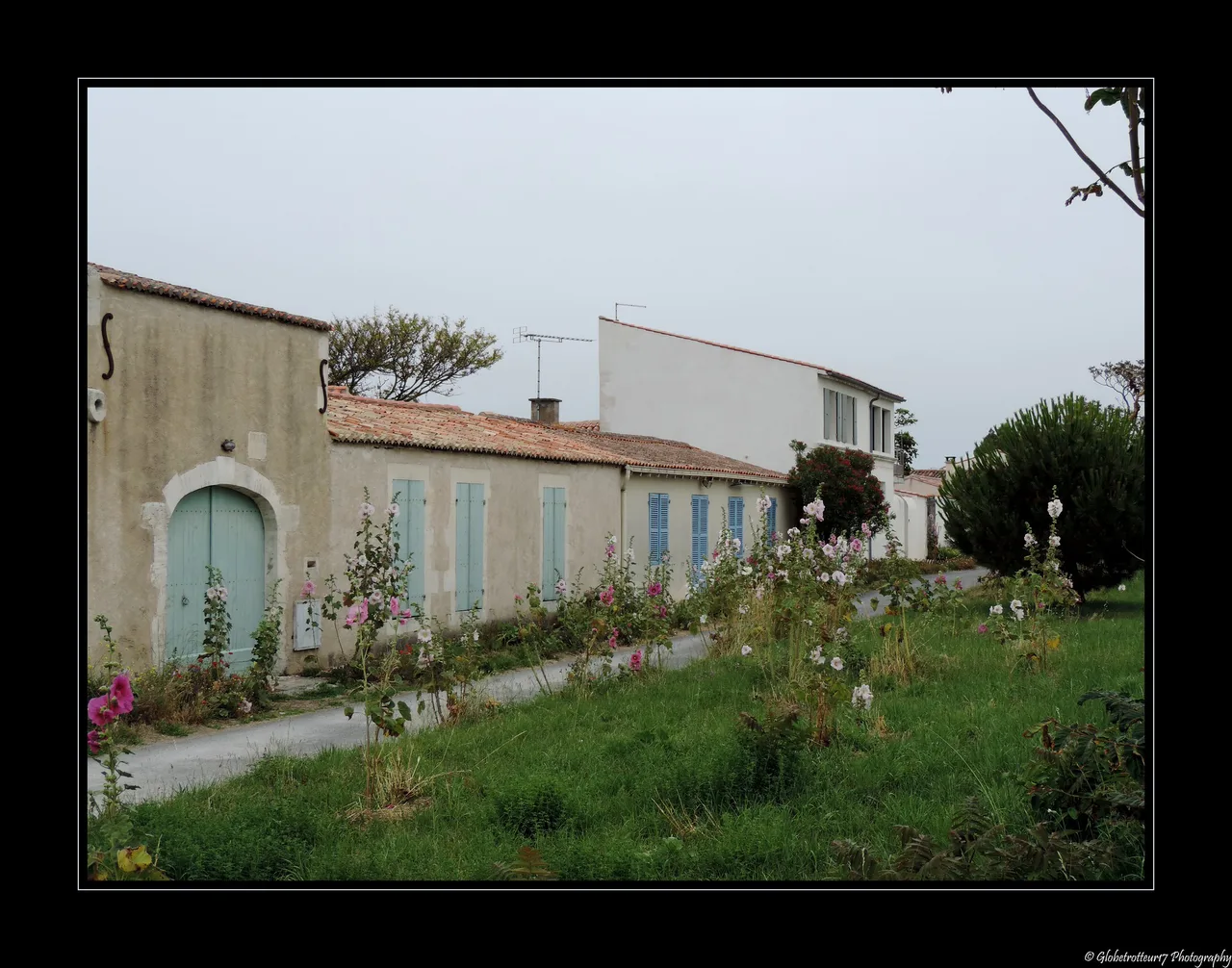
Featured image: Globetrotteur17... Ici, là-bas ou ailleurs..., CC BY-SA 2.0, via Flickr.
Is Île d'Aix worth a day trip?
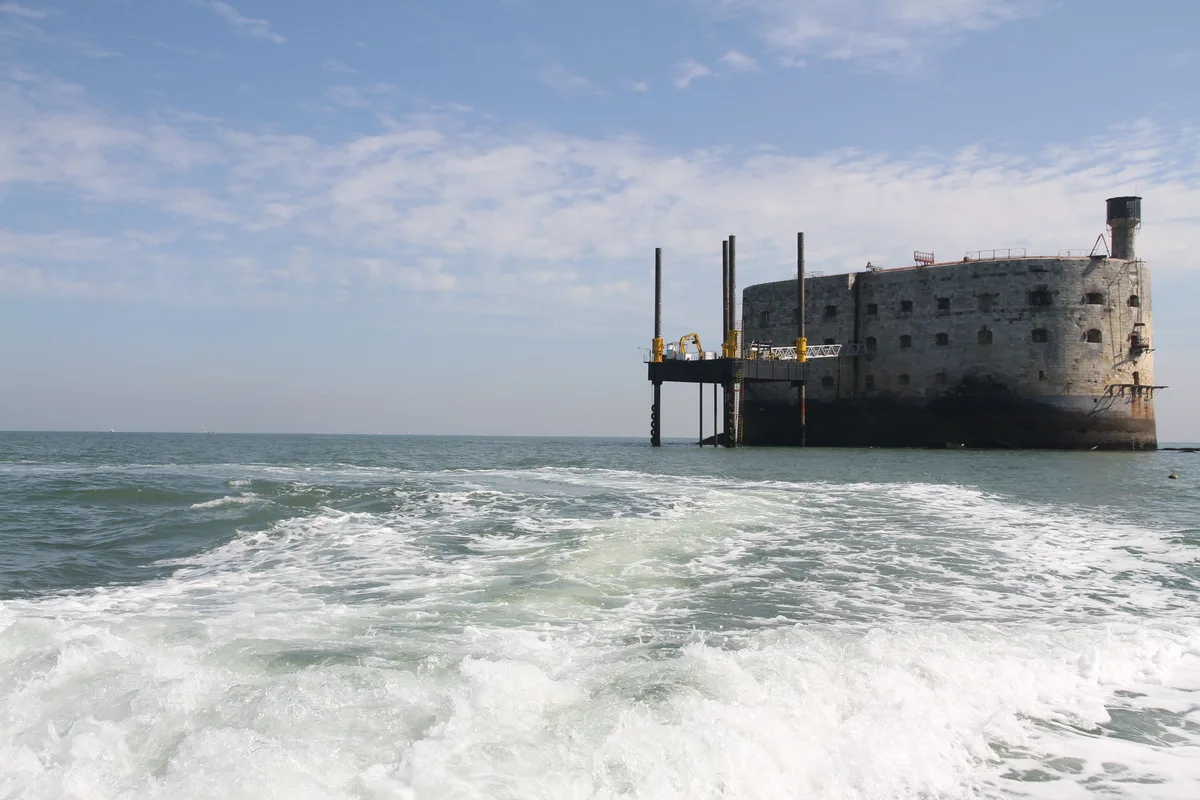
Île d'Aix is about 3 km long and 700 m wide, so it suits a slow day rather than a packed itinerary. Visitors do not bring cars, which makes it easy for families, cyclists and walkers. Napoleon history fans get a museum and a fort. Fort Boyard is visible from the island. Travelers who want nightlife, big sandy beaches or long hikes should look at Île d'Oléron instead.
Getting to ile d aix from Fouras
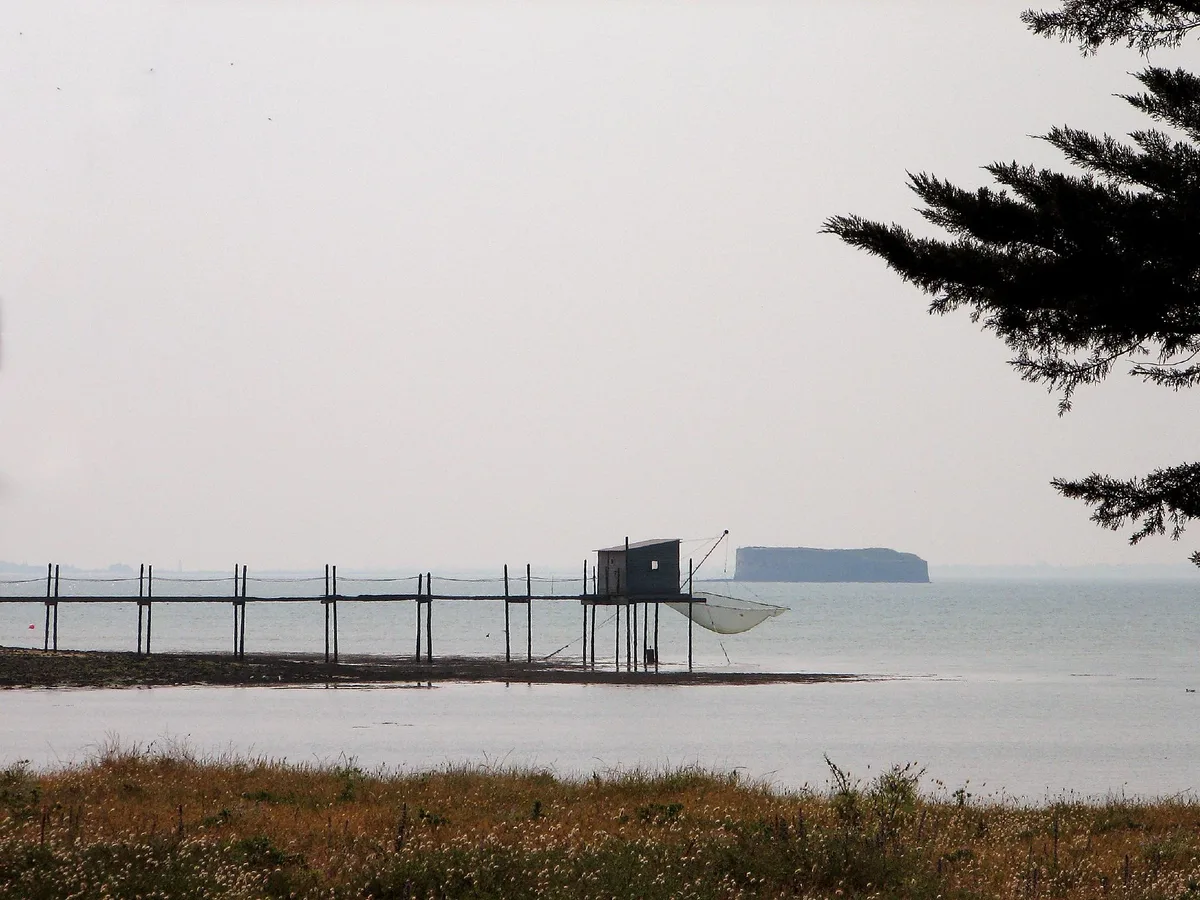
Boats leave from Fouras-les-Bains, and the crossing takes about 20 minutes. Compagnie Inter-Îles runs the service, with seasonal sailings from La Rochelle and Île d'Oléron as well. Sailings change by season, so read the operator's current timetable and reservation rules before you set a date. The island tourism office is the place for practical updates. Fouras is the simplest base if you are coming from La Rochelle or Rochefort. Look up current road and bus options locally rather than assuming a route. Fix your return boat before anything else, because the last sailing back decides how long you can stay.
- Mistake: planning the day around lunch and leaving the last boat as an afterthought.
- Mistake: arriving at the Fouras quay at the last minute in July or August.
- Mistake: assuming a missed boat has an easy fix, when it can mean finding a bed on a small island.
- Mistake: walking to the far north to see Fort Liédot with no time left for the return.
Getting around: walk, bike or bring a bike
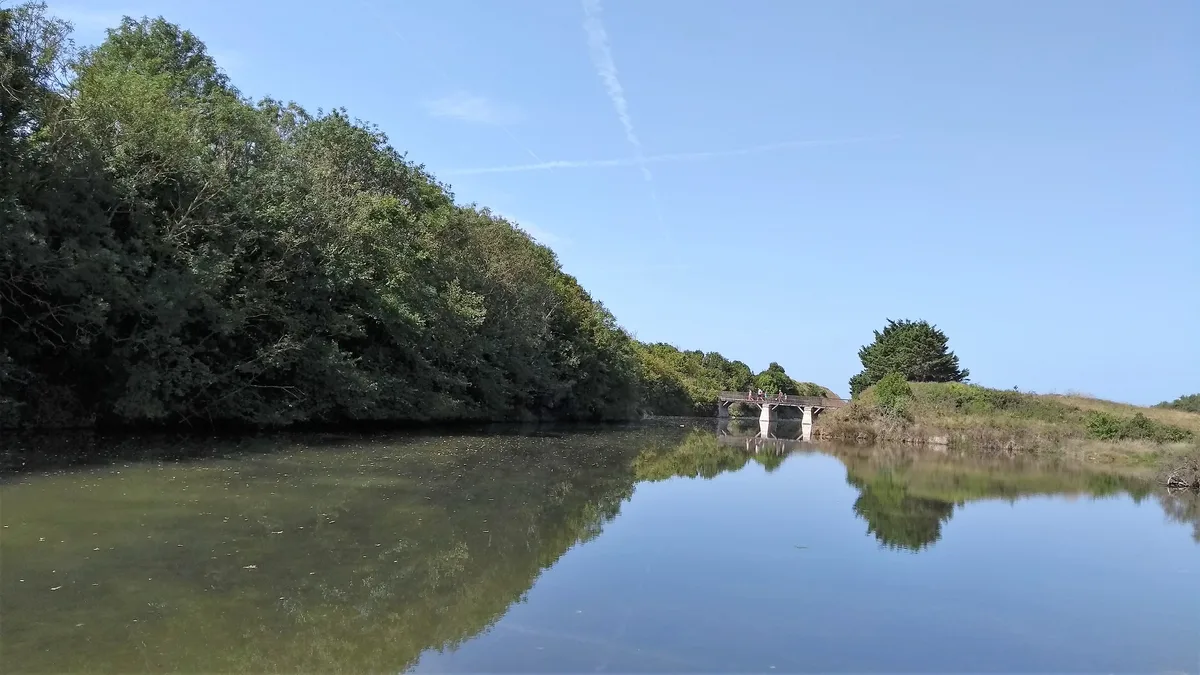
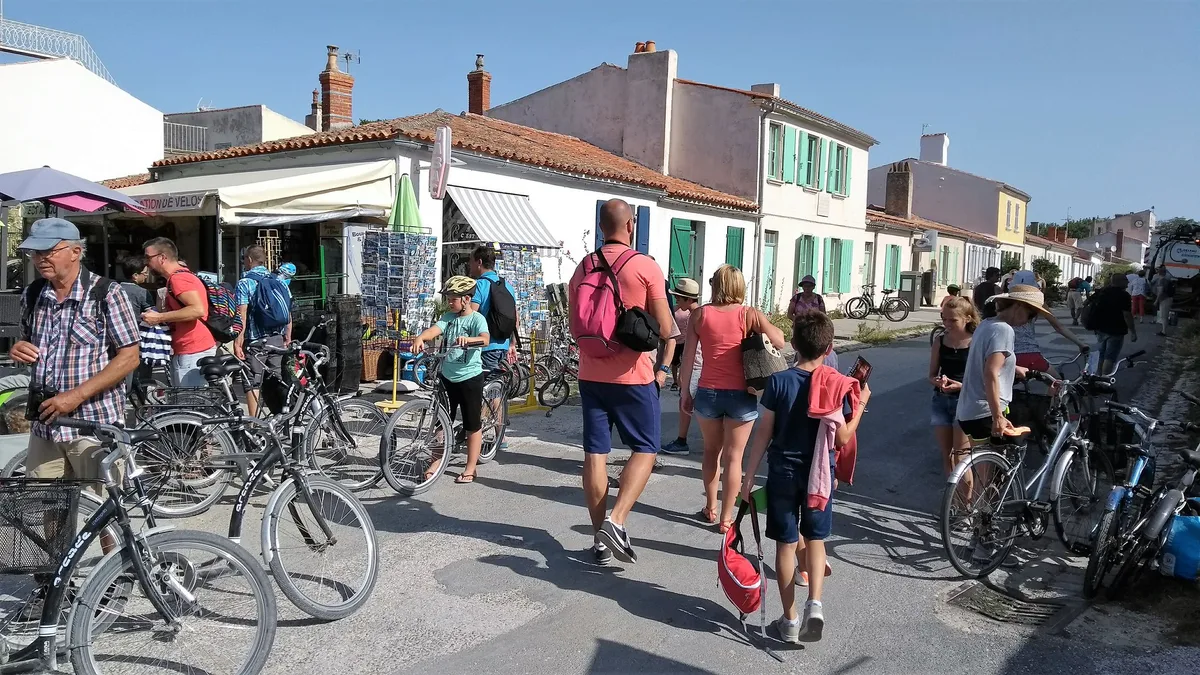
At 3 km long, the island is short enough to cross on foot, and a bike stretches your range to the beaches and the north. Ask the operator whether bikes are accepted on the boat, since rules vary by sailing. Hire is also an option, and the tourism office can tell you who rents bikes on the island. Fort Liédot sits in the north, so start there or finish there. Then work back toward the village and the quay.
What to see: Napoleon, Fort Liédot, the mother-of-pearl workshop and the coast
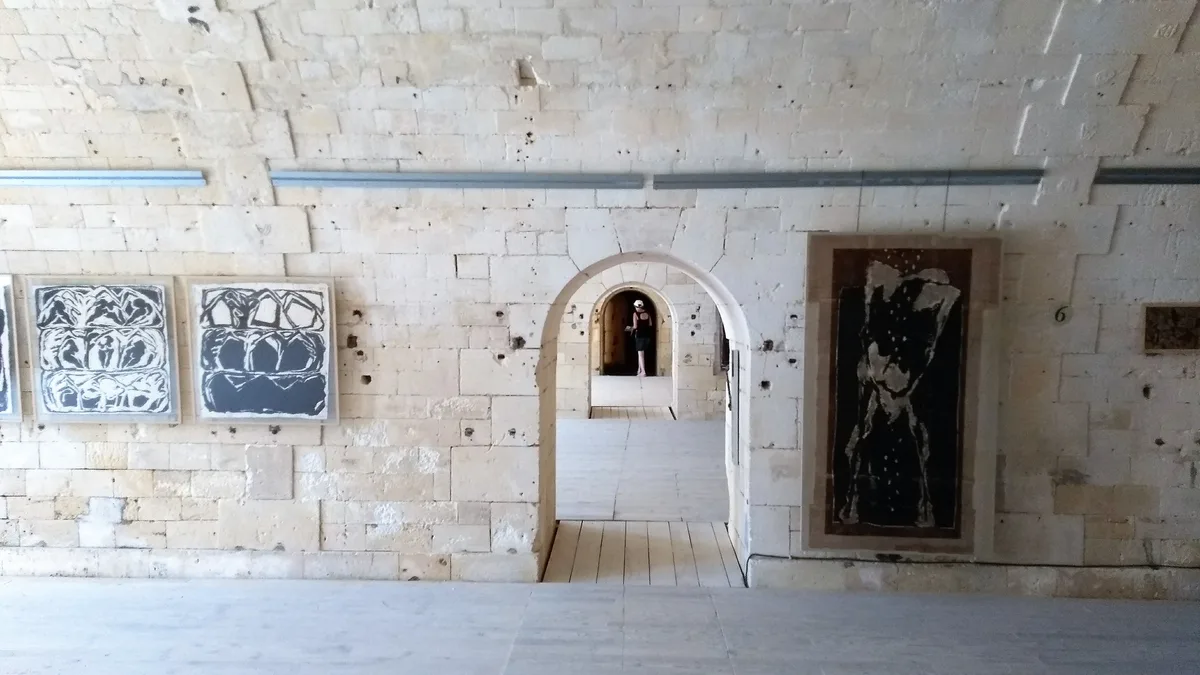
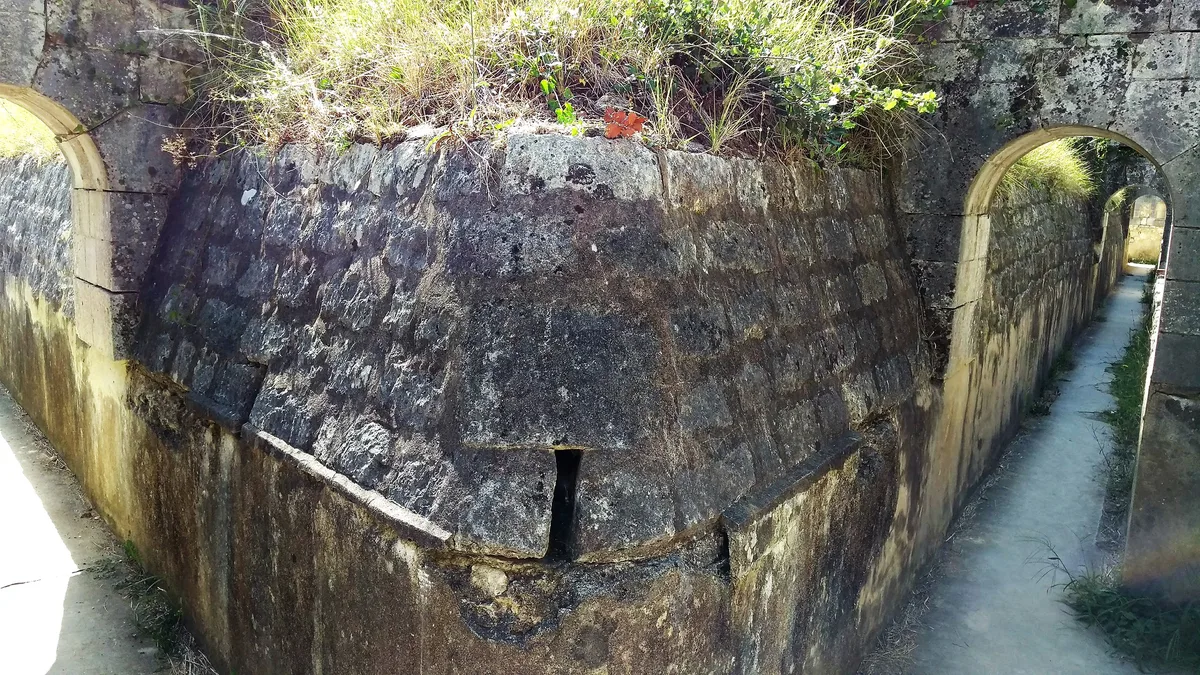
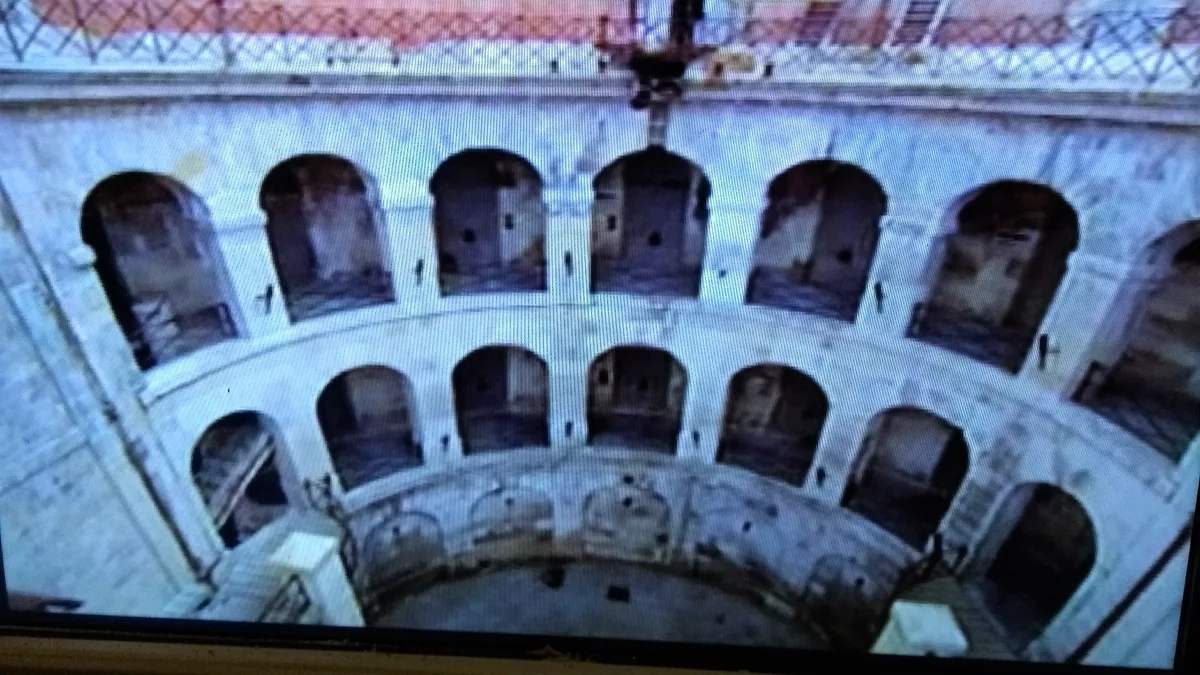
Napoleon spent 12 to 15 July 1815 on the island, his last days on French soil before exile. The commander's house built for him is now the Napoleon museum. Fort Liédot, a semi-subterranean fort in the north, was begun in 1811 and later served as a prison. Maison de la Nacre is open from 1 April to 30 September and is run by the last mother-of-pearl maker in France. Its museum opened in 2005. Coastal paths give the Fort Boyard view.
- Napoleon museum: the former commander's house, tied to his stay in July 1815.
- Fort Liédot: north of the island, started in 1811.
- Maison de la Nacre: workshop and museum, open 1 April to 30 September.
- Fort Boyard: visible from the coast on a clear day.
Beaches and swimming
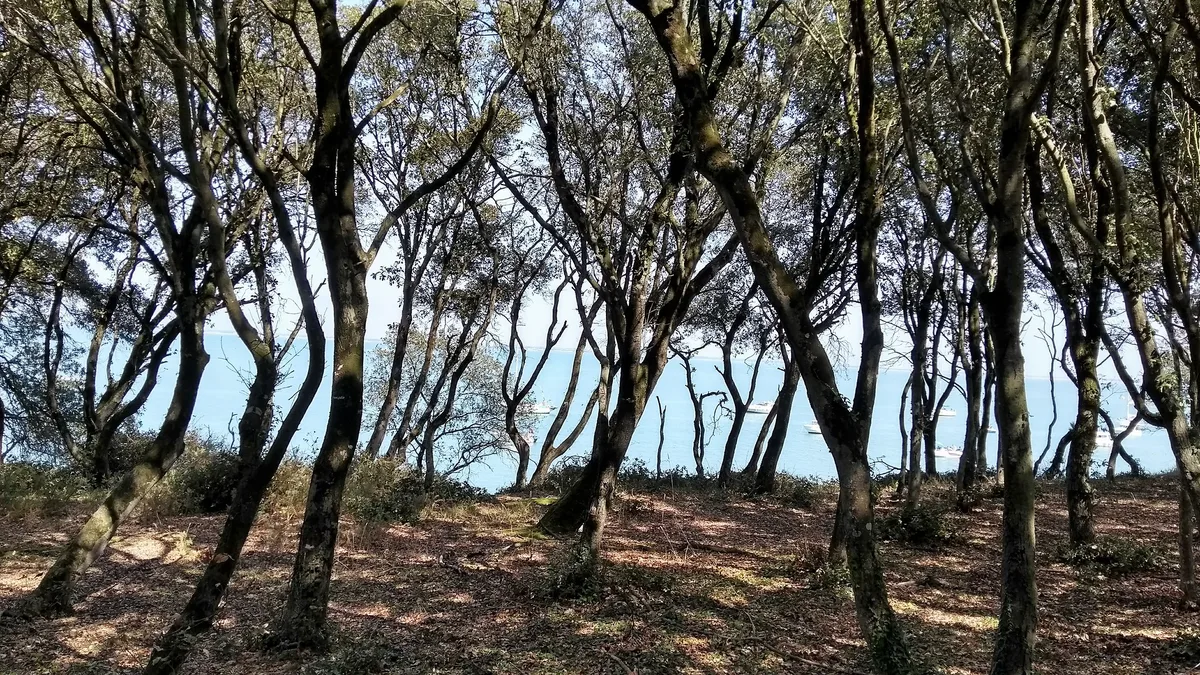
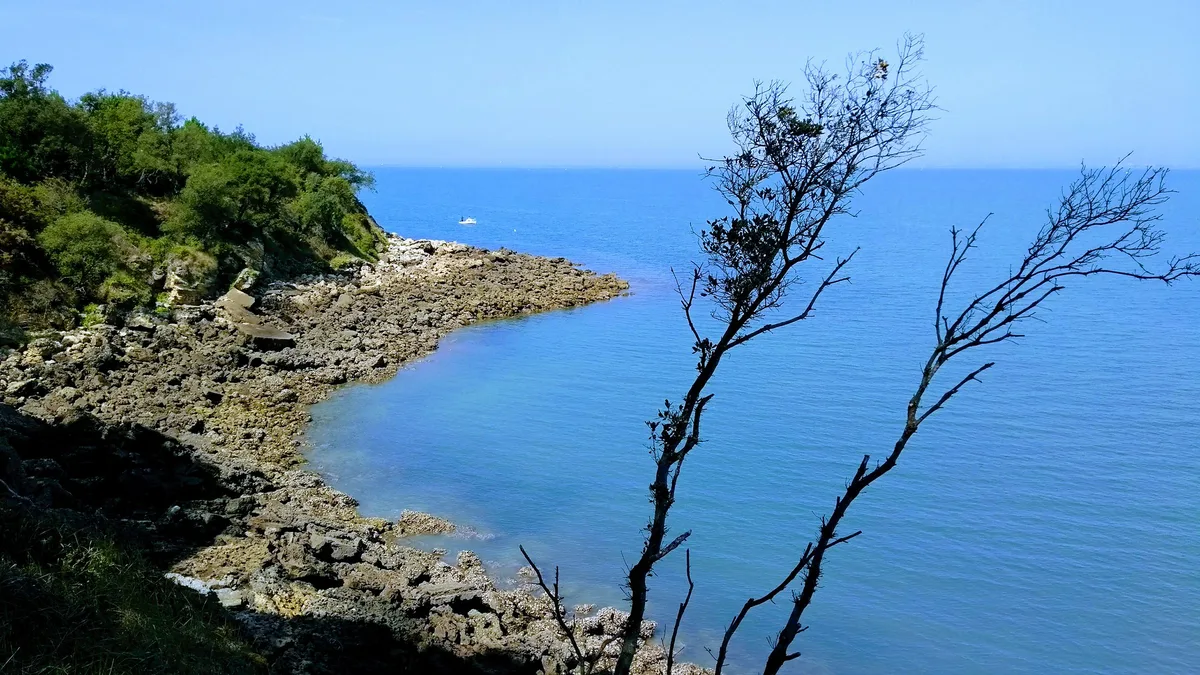
Three public beaches are open: Anse de la Croix, Tridoux de Jamblet and Le Saillant. Only Anse de la Croix is supervised, and that runs from July to August. Outside those months, swim with extra caution. Tide and wind change conditions quickly on an Atlantic island, so look at the marine forecast before you commit to a swim or a crossing. Choose Anse de la Croix if you are with children.
Costs, cash and what to book ahead
Prices and hours were checked in November 2026 only where published, and fares have not been confirmed here. Your main costs are the return ferry, bike hire, museum entries and lunch. The ferry is the one fixed cost you cannot avoid, so check the current fare with the operator. Cash dispensers are not available on the island, so withdraw money in Fouras or La Rochelle first. Ask the operator and each venue whether cards are accepted. In July and August, lunch tables fill up, so book ahead.
- Bring cash in euros.
- Bring a swimsuit and a towel.
- Pack water and sun protection.
- Wear shoes for sand and fort paths.
- Carry a printed or saved boat booking.
Half-day vs full-day plan
Your boat times decide how much you can fit in. A half-day works for the village, the Napoleon museum and one beach. A full day adds Fort Liédot, Maison de la Nacre and the coast loop.
Crossings take about 20 minutes, so timing the return sailing matters more than the journey itself.
| Plan | Time on island | Effort | Best season |
|---|---|---|---|
| Half-day | One boat out, an early return | Easy walk, no bike needed | Spring and autumn |
| Full day | First boat out, last boat back | Walk or bike, longer loop | July to August, with supervised swimming |
When to go
July and August bring the supervised beach at Anse de la Croix and the busiest boats. Maison de la Nacre opens from 1 April to 30 September, so April to September gives you the widest choice of sights. Outside that window, some attractions may be closed. Winter visits suit walkers who only want the coast, but ask the tourism office about current opening before you travel.
Where to stay and base yourself
Most visitors treat Île d'Aix as a day trip from Fouras, La Rochelle or Rochefort. Fouras is closest to the boat. La Rochelle and Rochefort offer more hotels and restaurants. An overnight stay gives you the island after the last day boat leaves, but check accommodation with the Charente-Maritime tourism board first, because options are limited.
Île d'Aix versus other French islands
Choose Île de Ré or Île d'Oléron for longer cycling and more beaches. Try Belle-Île-en-Mer or Île d'Yeu if you want a longer stay. For another car-free option farther south, see Porquerolles. Île d'Aix wins on size: it is short, quiet and easy to finish in a day.
Useful notes for your next island trip
Optional updates to our guides.
You might also like
Continue reading
More guides you'll find useful