Gavdos Island Guide: Ferries, Beaches & Tips
Plan a trip to Gavdos, Greece's remote island south of Crete: ferries from Paleochora and Sfakia, best months, beaches, stays and costs.
On this page
Last updated November 2026. Gavdos is Europe's southernmost inhabited island, a small, sparsely populated spot in the Libyan Sea south of Crete. You reach it by seasonal ferry from southwest Crete, and it suits travelers who want remote beaches and can live with a few shops and no resort services. Gavdos sits well outside the usual Crete itineraries, so plan the crossing before anything else.
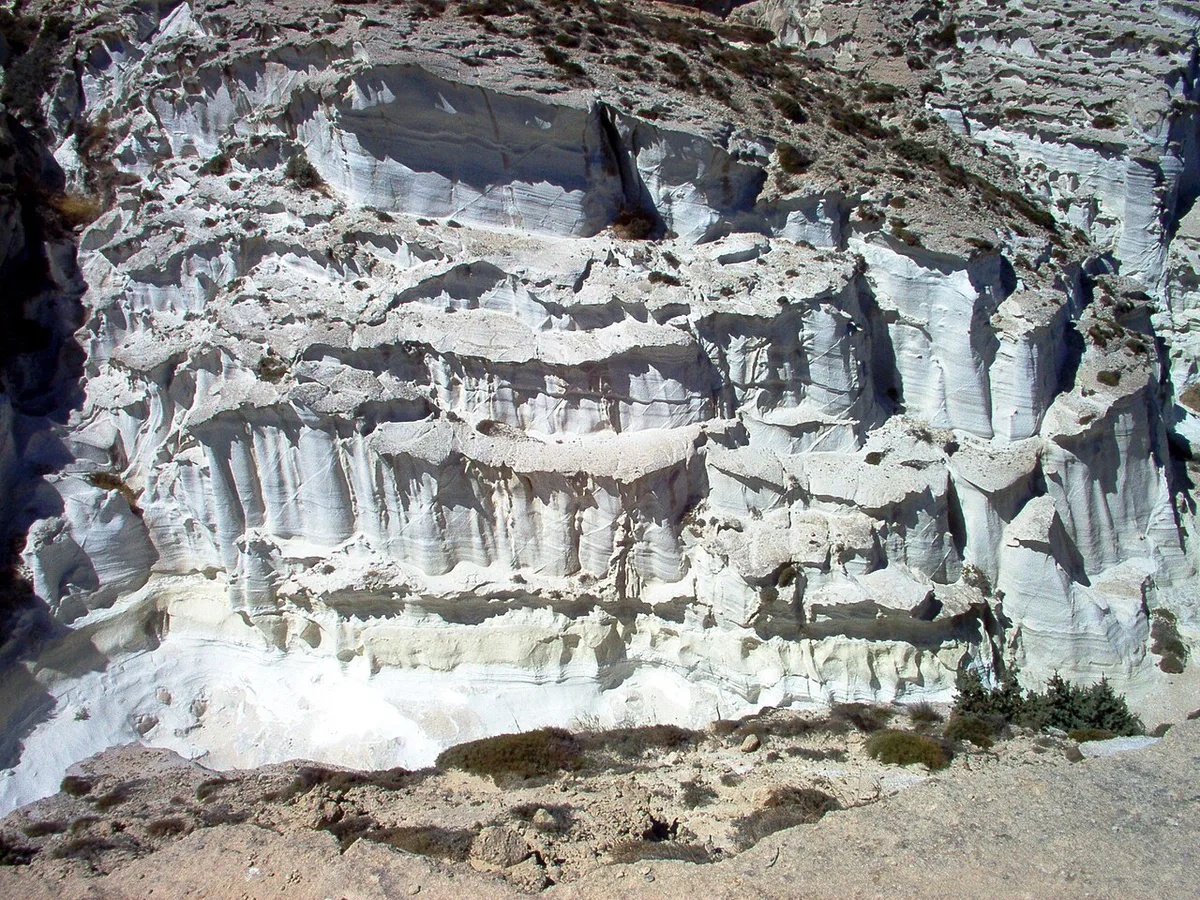
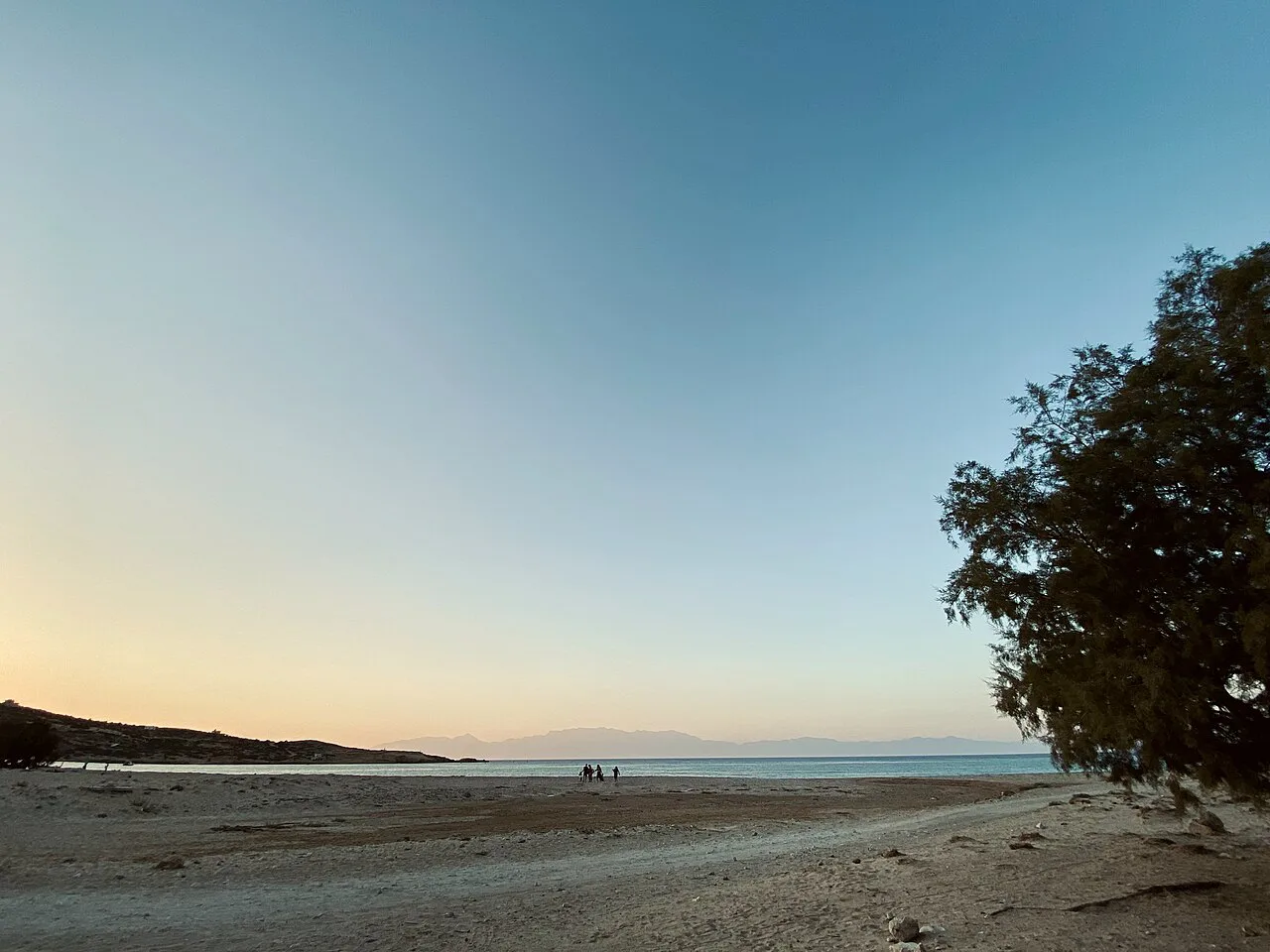
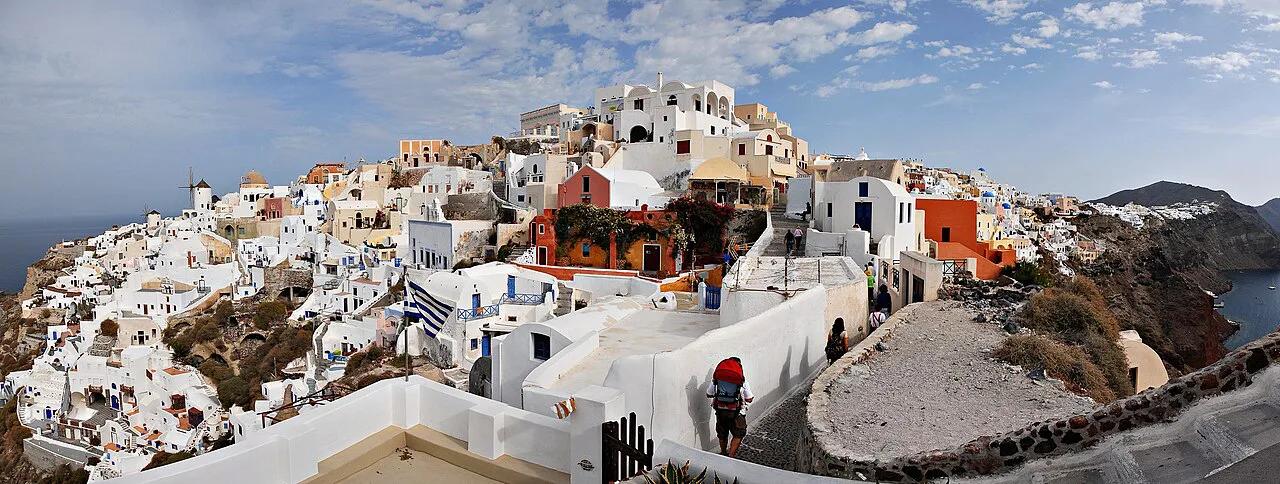
Featured image: Varvac, CC BY-SA 4.0, via Wikimedia Commons.
Gavdos at a glance
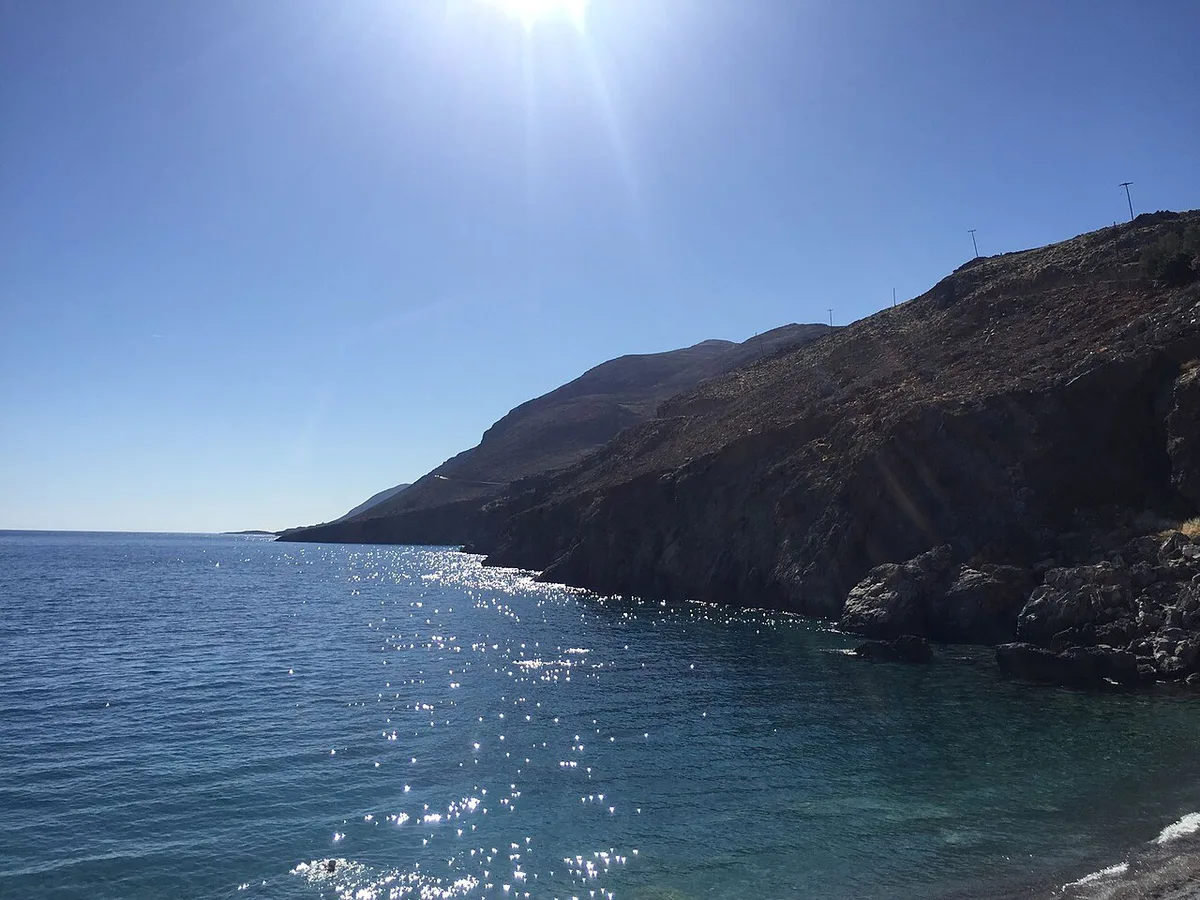
Gavdos is reached by sea only, and services are limited. Reviewers count about 3 small shops, so you shop on Crete first and treat the island as a place to unplug. Among Greek islands it is tiny, so see our largest Greek islands guide for scale. The sand beaches, cedar dunes and Cape Trypiti landmark are what draw visitors.
- Location: south of Crete, in the Libyan Sea.
- Access: seasonal ferry from Paleochora or Chora Sfakion, arriving at Karave.
- Services: a few small shops, simple rooms, tavernas and a public bus.
- Best for: walkers, campers who follow local rules, couples and sailors.
- Not for: nightlife, full facilities or tight schedules.
How to get to Gavdos from Crete
Ferries run seasonally from Paleochora and Chora Sfakion (Hora Sfakion) to Karave, the island's main port. Reviewers put the crossing at about 4 hours, though duration varies by vessel and route. Get to southwest Crete first with our guide to reaching Crete. Coming from the mainland? Read about the Athens to Crete Ferry: Ports, Times, Tickets and Tips. Operators and timetables change each season, so check the operator's current schedule and fares. Book the return leg at the same time, because sailings are seasonal and depend on weather.
Crossing takes about 4 hours, so a same-day return may not fit the ferry schedule.
| Option | Time | Season | Flexibility | Weather risk | Best for |
|---|---|---|---|---|---|
| Paleochora ferry | About 4 hours | Seasonal | Fixed timetable | Cancellations in rough seas | Travelers based in the west |
| Chora Sfakion ferry | About 4 hours | Seasonal | Fixed timetable | Cancellations in rough seas | Travelers based on the south coast |
| Private or charter boat | Varies by vessel | Flexible in calm windows | Set your own departure | Skipper decides on forecast | Groups and sailors |
Best time to visit Gavdos
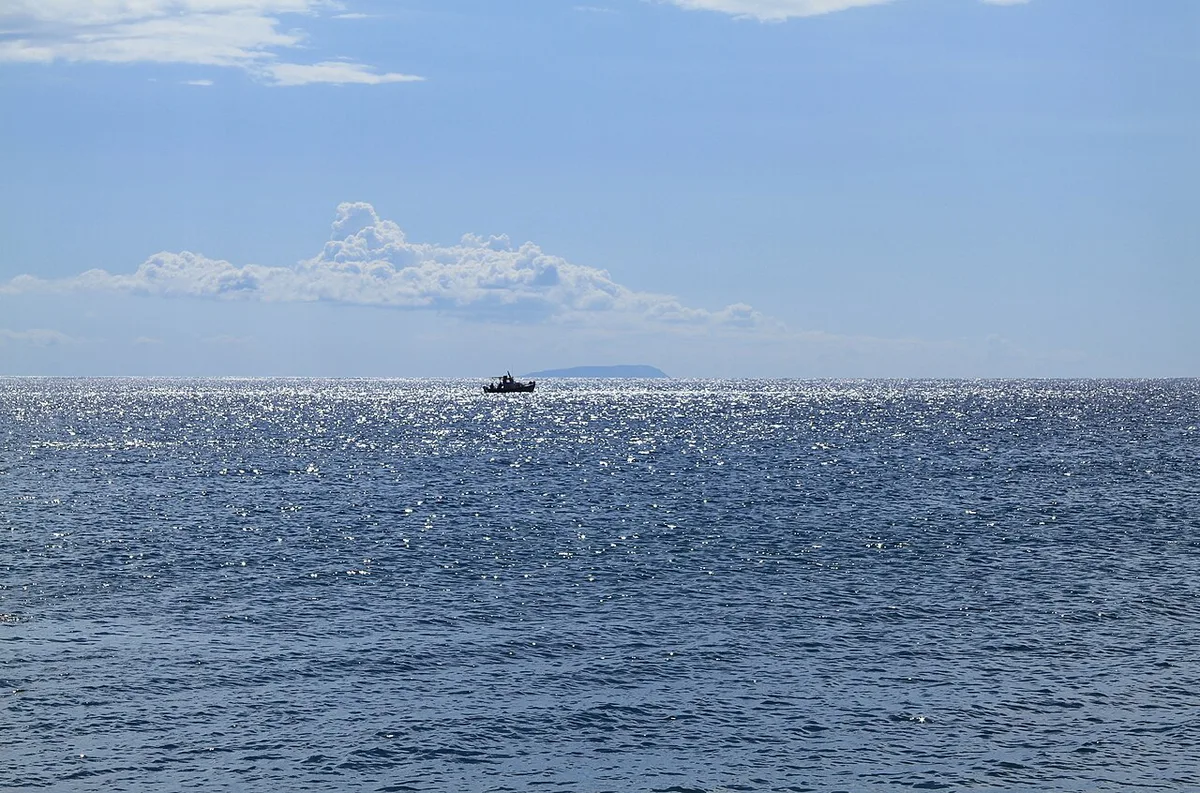
May to June and mid-September to October are the quieter windows. Reviewers say July and August bring more people, more heat and more litter on beaches. Winter days can still be mild enough to swim. Services shrink outside the ferry season, so ask the operator for season dates before you commit. Shoulder months also give you the best odds of finding a lone beach after a long walk.
Best Gavdos beaches and things to do
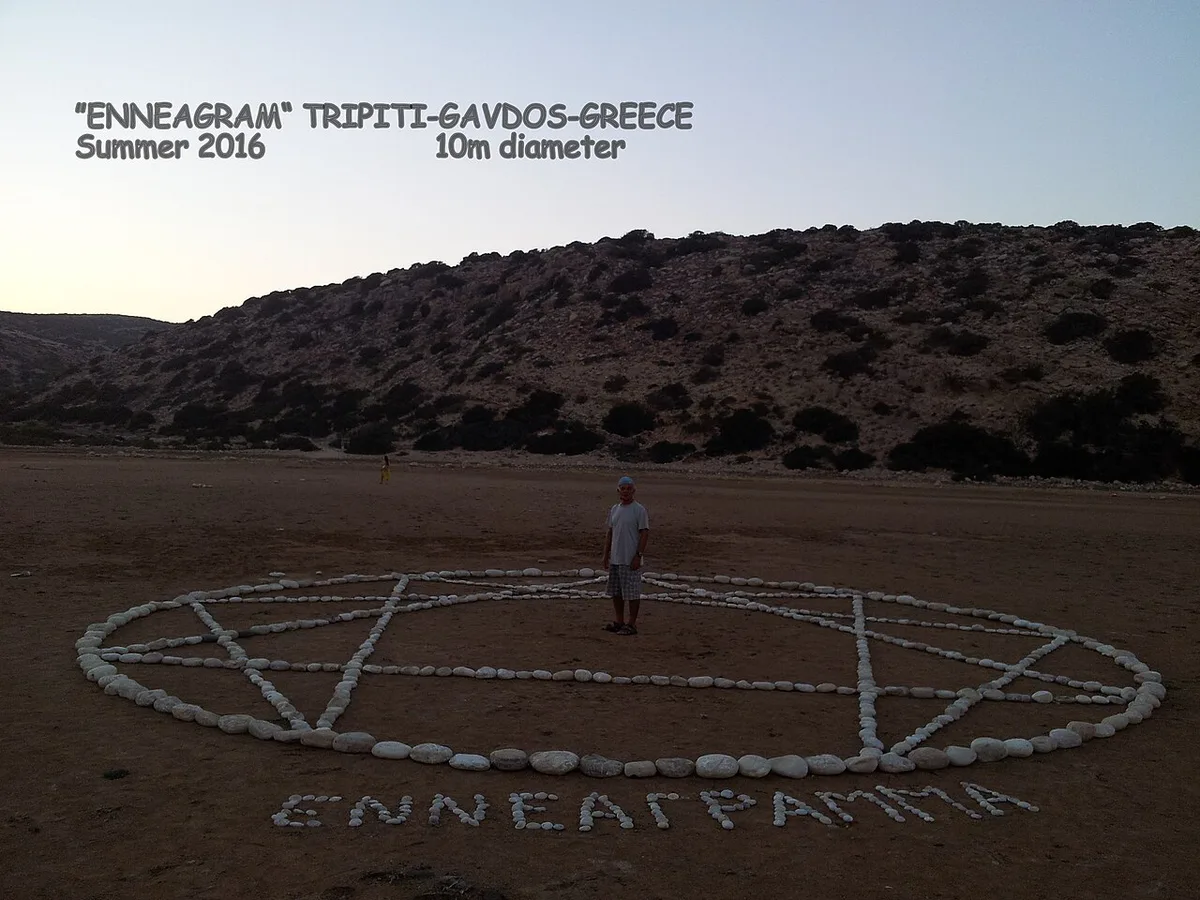
Most beaches need a walk, and reviewers quote 50 minutes to about 90 minutes for the longer ones. Only 3 or 4 are easy to reach by road or bus. Walkers often find a beach with fewer than 10 people. If one coast is windy, cross to the other, where the sea is often calm. Local spellings vary, so expect signs to differ from maps. Some beaches are clothing-optional, so expect that and respect others.
- Easy access: Sarakiniko and Agios Ioannis, the most-named beaches.
- Longer walks: Potamos, Lavrakas, Korfos and Pyrgos.
- Boat-only coves: ask at Karave about local boat trips.
- Landmark: Cape Trypiti, the southernmost point of Europe and the classic photo stop.
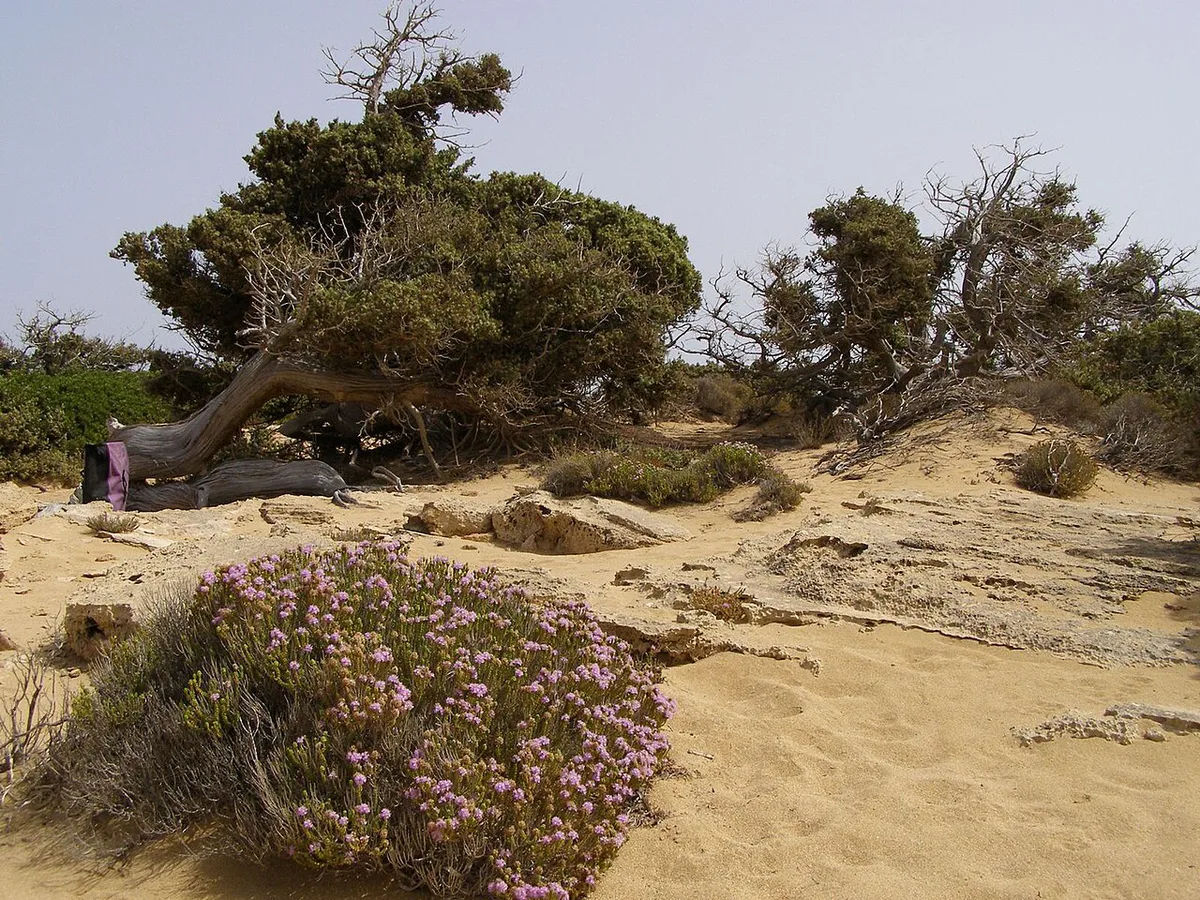
- Nature: cedar dunes behind the sand, protected under Natura rules.
Where to stay and eat on Gavdos
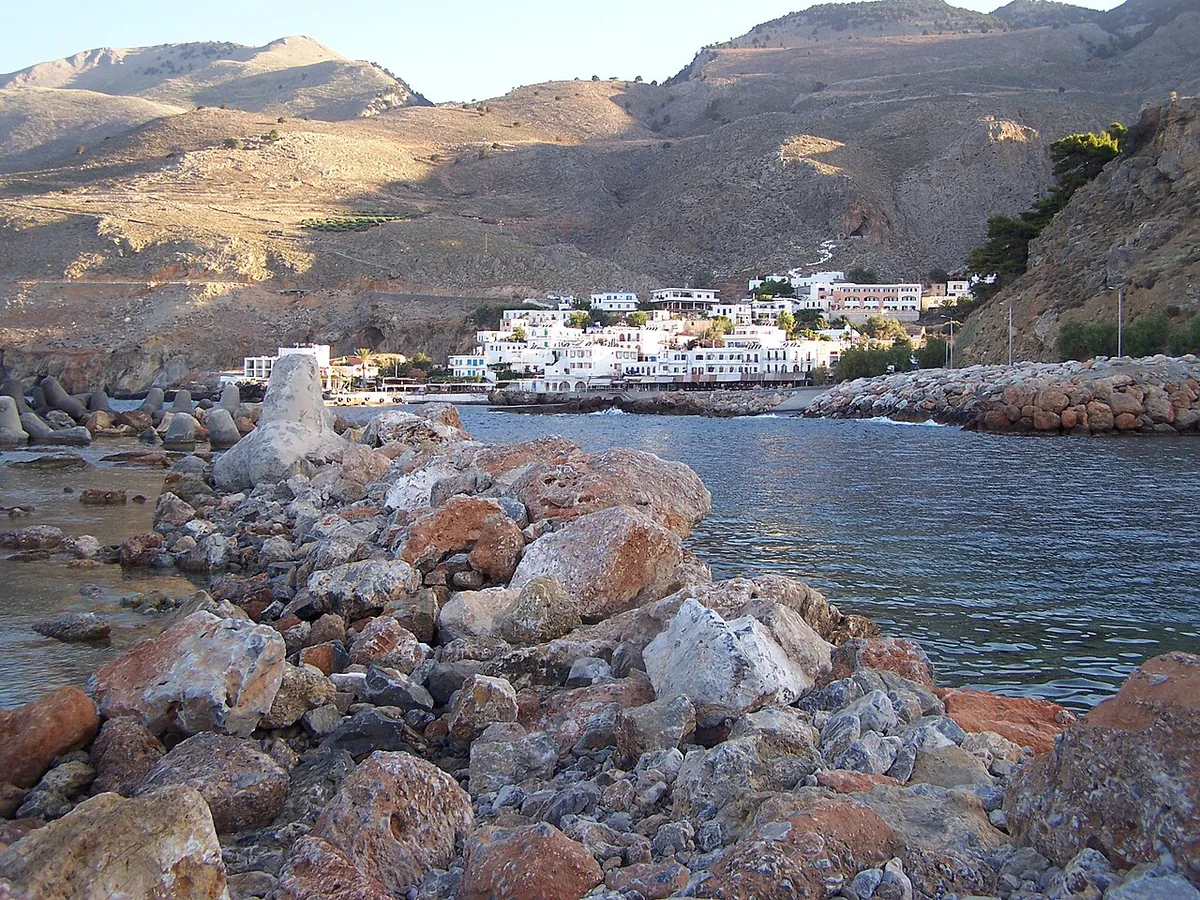
Accommodation is limited to simple rooms, studios and a few guesthouses, so book ahead in high season. Free camping is described in reviews, yet the dunes are protected and fires and beach camping are restricted. Do not assume camping is allowed, and ask locally. Tavernas serve traditional food and there are a few cafes. Bring cash and essentials, since the island has only about 3 small shops. For a base before departure, Elafonisi shows what southwest Crete beaches look like.
Getting around the island
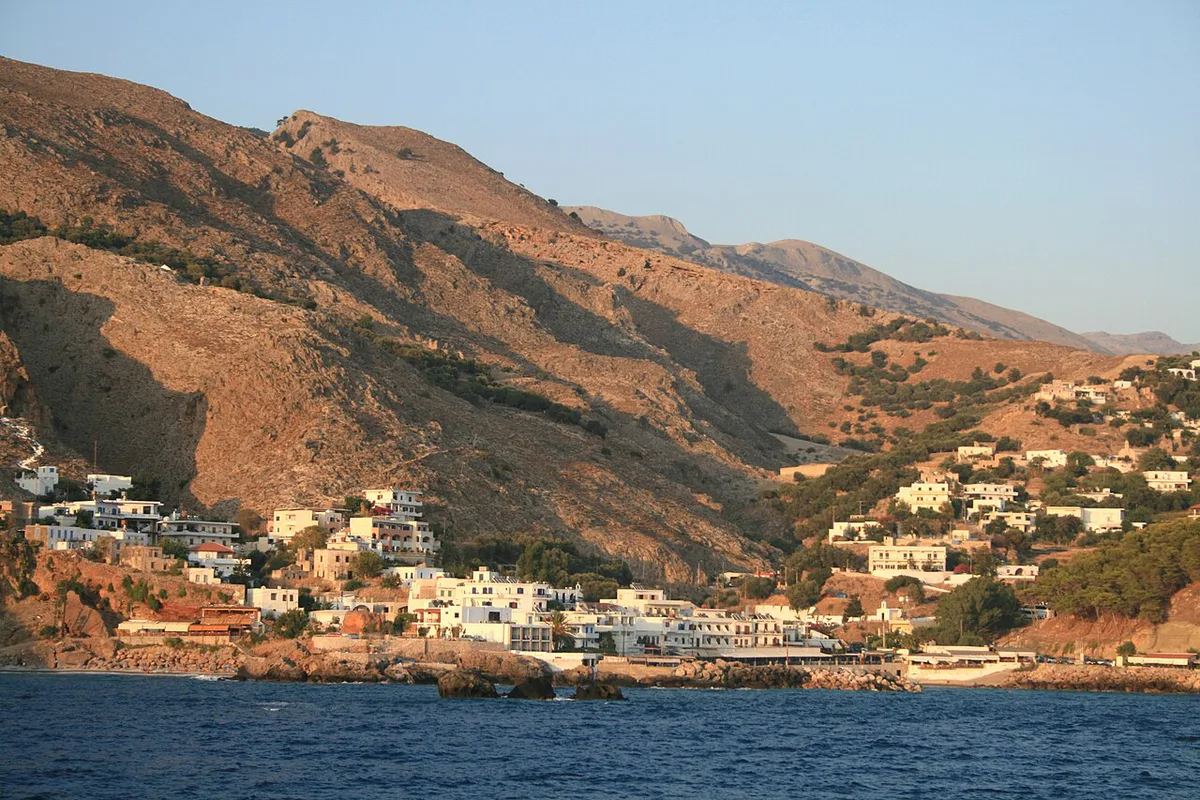
A public bus circles the island, and reviewers recommend it over renting a car or motorbike. Ask about the timetable on arrival, as it depends on the season. Walking links most beaches. Rental options are very limited, so do not count on a car or scooter. Carry water and a map on every walk.
Only 3 or 4 beaches are easy to reach by road or bus, and rentals are very limited, so plan on walking.
Costs and what to bring
Reviewers say water and food cost more than on Crete. Expect ferry fares and rooms to vary by season, and look at the operator and listing pages for current prices. Because the island has no drinkable tap water per reviewers, buy and carry water. Pack carefully before you leave Crete. For a comparable remote day trip, see Chrissi Island, Crete: Boat From Ierapetra, Costs & Tips.
- Drinking water and food for the first days.
- Cash in euros.
- Sun cover: hat, long sleeves, reef-safe sunscreen.
- Offline maps and a printed ferry booking.
- A bag to carry out all rubbish.
Sailing and anchoring notes
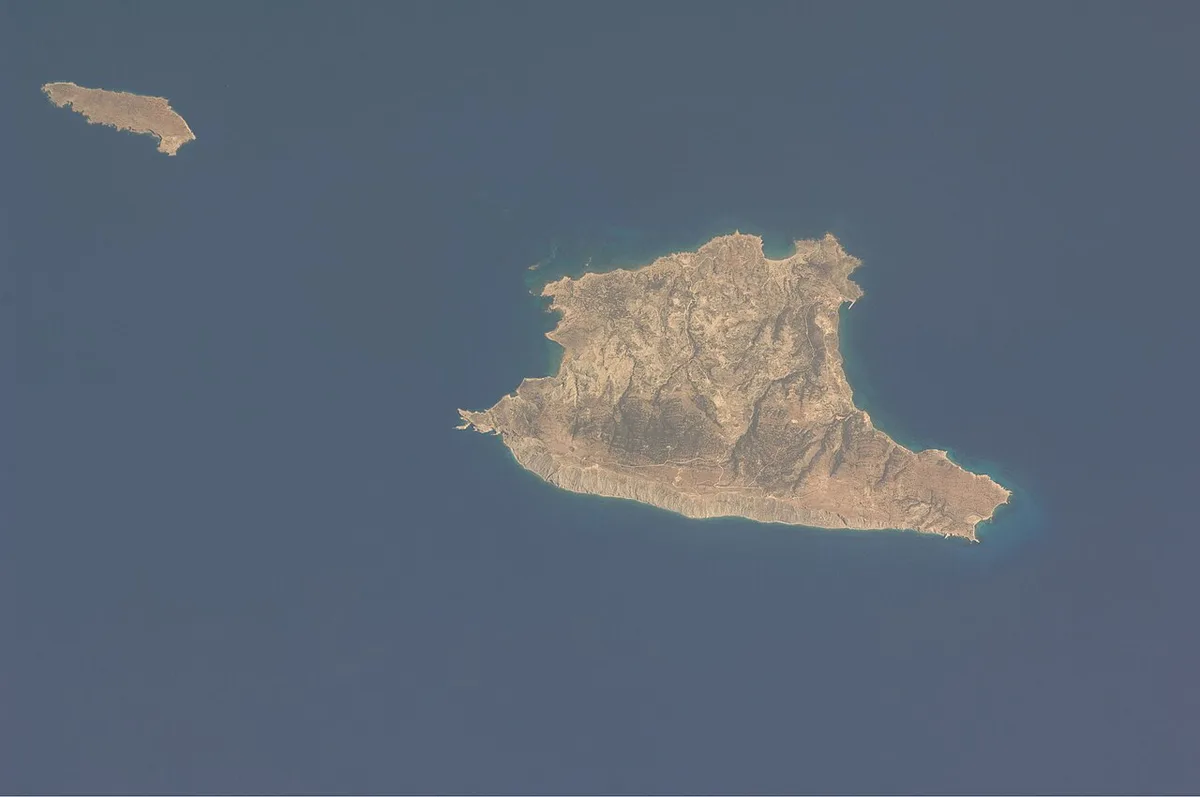
Karave harbour gives good protection, and skippers anchor to the east of the ferry dock while leaving it clear. Sand anchorages include Sarakiniko, Potamos and Korfos. The southwest side takes swell and meltemi wind. Fuel and water are limited, so top up on Crete. Check official charts and the port authority before sailing.
Sample plans for Gavdos
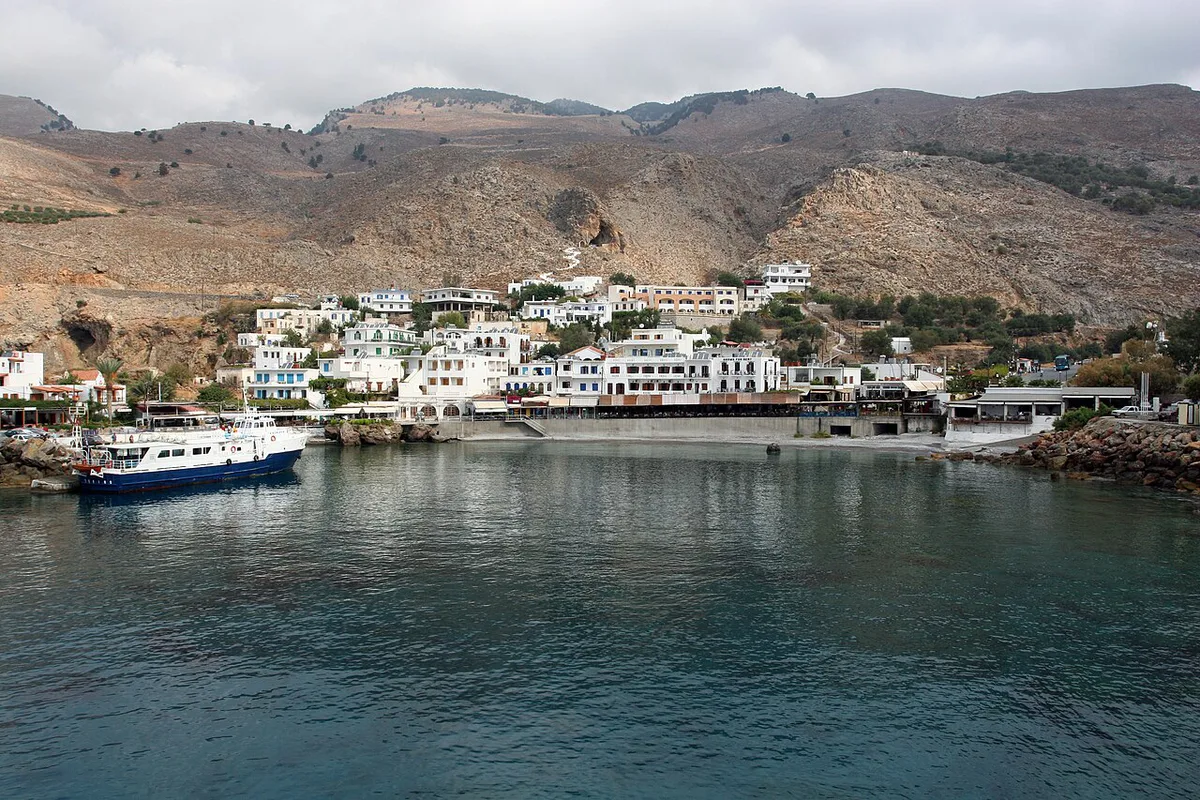
A same-day return may not fit the ferry schedule, so ask before booking. Two to three nights is the best balance for most visitors. Five or more nights suits slow walkers. If a sailing is cancelled, keep a spare night on Crete and a flexible onward booking.
- Day trip: only if the timetable allows a same-day return.
- 2–3 nights: base near Karave, then one long walk to Potamos or Lavrakas.
- 5+ nights: move between beaches on foot, with a bus day for supplies.
- Contingency: rebook the next sailing and keep a Crete room for the return.
Who should skip Gavdos
Families who need facilities, travelers short on time and anyone wanting nightlife will do better elsewhere. The same applies if you need guaranteed return flexibility. Choose Crete's beaches or compare options in Crete vs Santorini: Which Greek Island Should You Pick?. Also see Crete or Rhodes: Which Greek Island Should You Pick? for a different island base.
For trip-planning details, see Visit Greece, Crete.
Frequently Asked Questions
What are the southernmost Greek islands?
Gavdos, south of Crete, is Europe's southernmost inhabited island. It is reached by seasonal ferry from Paleochora or Chora Sfakion.
Useful notes for your next island trip
Optional updates to our guides.
You might also like
Continue reading
More guides you'll find useful