Corfu vs Crete: Which Greek Island Should You Pick?
Corfu or Crete? Compare size, beaches, getting around, season, budget and trip length, with a clear if/then guide to the island that fits you.
On this page
Last updated November 2026: corfu vs crete is a choice between a compact, green Ionian island and the largest island in Greece, on opposite sides of the country. Pick Corfu for five days or fewer, calmer water and Venetian streets. Pick Crete for a week or more with big beaches, Minoan sites and gorges.
Featured image: Martin Falbisoner, CC BY-SA 4.0, via Wikimedia Commons.
Corfu or Crete? The short answer
Both islands suit a first Greek trip, so your days, season and driving comfort should decide. Corfu is the northernmost of the Ionian Islands, in northwest Greece. Crete lies in the south Aegean, with its main gateways at Heraklion and Chania. Treat them as separate trips, not neighbours.
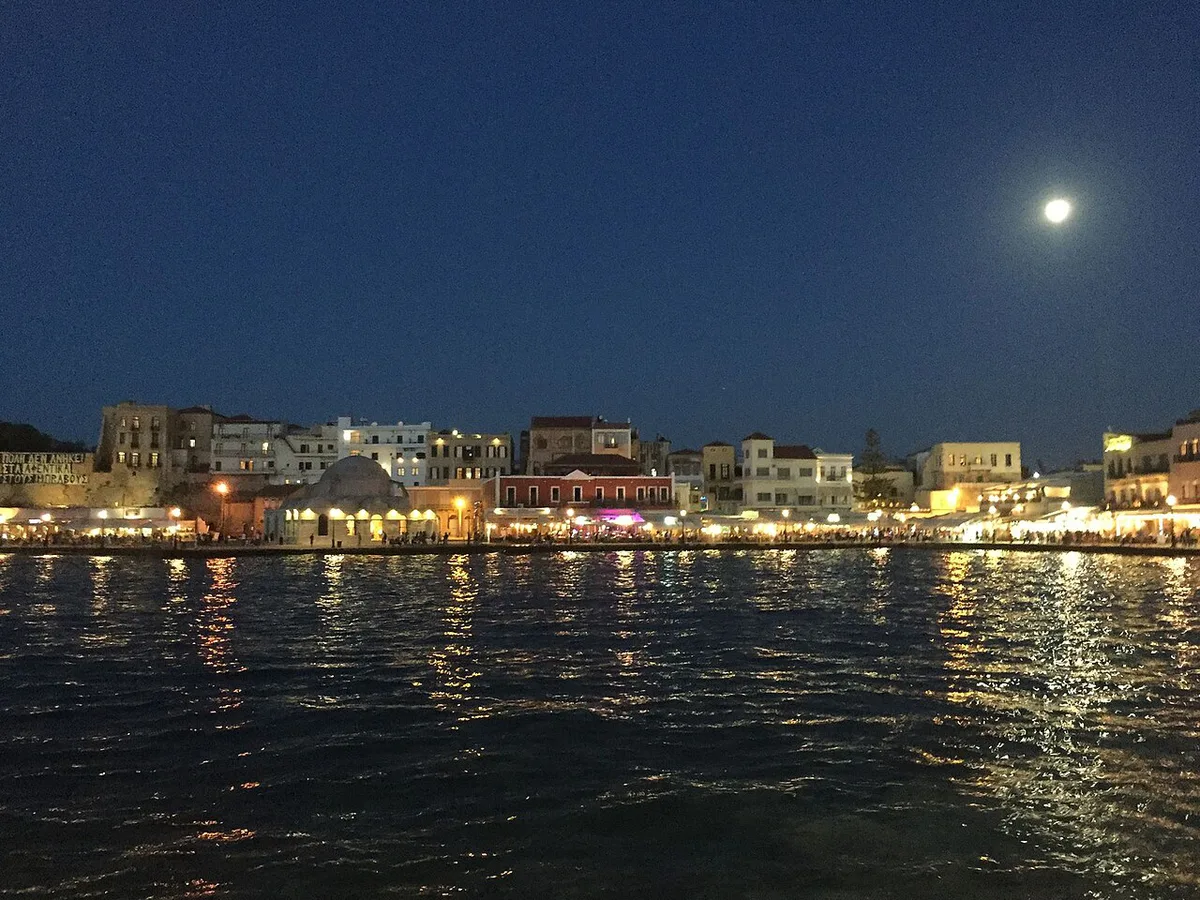
- Choose Corfu if you have about five days or fewer, want green hillsides, a walkable Old Town and sheltered Ionian bays, or are travelling with young children.
- Choose Crete if you have seven days or more, want Minoan ruins, gorge hikes and several distinct towns, and are happy to drive or join long day trips.
Corfu vs Crete at a glance
Use this table for a fast side-by-side. Size figures are approximate, and day counts are our editorial judgement rather than official guidance.
| Factor | Corfu | Crete |
|---|---|---|
| Location | Ionian Sea, northwest Greece, near Albania and Italy | South Aegean, south of the Cyclades |
| Size | About 585 km² | About 8,300 km², the largest Greek island |
| Character | Green, Venetian-influenced, compact | Varied: mountains, gorges, long coastline |
| Gateway airports | Corfu airport, about 4 km from the Old Town | Heraklion and Chania |
| Days needed | About 4–5 days is plenty | At least 7 days |
| Beaches | Sheltered west-coast bays and northeast coves | Large beaches and full-day trips such as Balos and Elafonissi |
| History | Venetian Old Town, a UNESCO World Heritage Site | Knossos, Heraklion Archaeological Museum, Venetian Chania and Rethymno |
| Hiking | Gentler walking | Samariá Gorge and other gorges |
| Getting around | One car or the bus network | Car strongly advised; distances are real |
| Crowd pattern | Busy Old Town in July–August | Very busy north coast in July–August; calmer south |
| Budget level | Mid-range; Old Town stays carry a premium | Mid-range; cheaper tavernas away from tourist strips |
How many days do you have?
Time is the biggest trade-off. Corfu works well for four or five days because most bases sit within a short drive of each other. Crete rewards seven days or more, since the west, centre and east involve long drives on mountain roads. With fewer than five days on Crete, you would likely pick one base and skip the rest. If a short trip is your constraint, Corfu is the safer pick.
Four or five Corfu days leave room for the ferry to Sarandë, which takes roughly 30 minutes, though border and ID rules apply.
Getting there and getting around
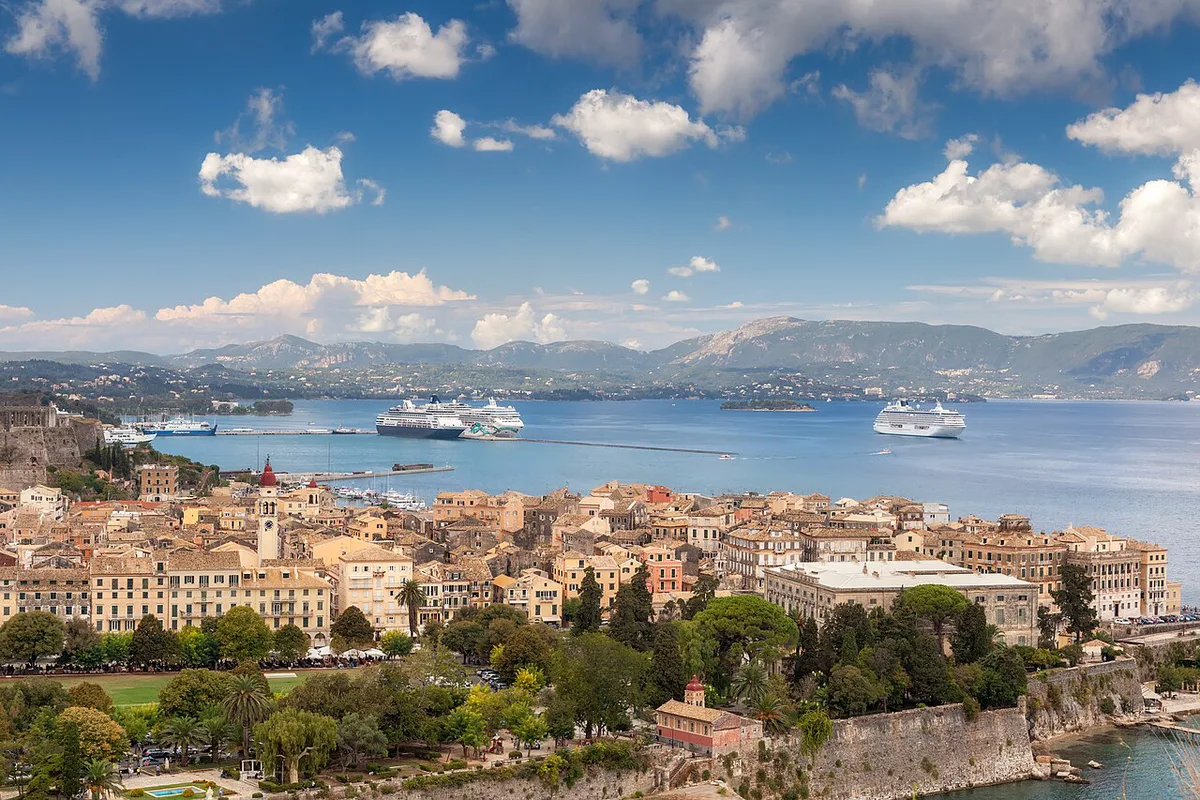
Most visitors fly to Corfu. Its airport sits about 4 km from the Old Town and links to Athens and other European cities. Corfu is also close to Albania, and a ferry to Sarandë takes roughly 30 minutes. Border and ID rules apply, so read the operator's terms first. For island hopping within the Ionian chain, the Corfu to Paxos Ferry: Times, Prices & Best Route is the most useful link. Day trips there pair well with Paxos itself. Crete has two main airports, Heraklion and Chania. Both ports also run ferries to Athens. Buses cover the north coast, but a car makes day trips realistic. Non-EU drivers may need an international driving permit, so check Greek rules before renting. Combining the two islands means routing through Athens, which we would not attempt in under two weeks.
A landing at Corfu airport puts you about 4 km from the Old Town, which can offset the premium that Old Town stays carry.
Beaches and sea
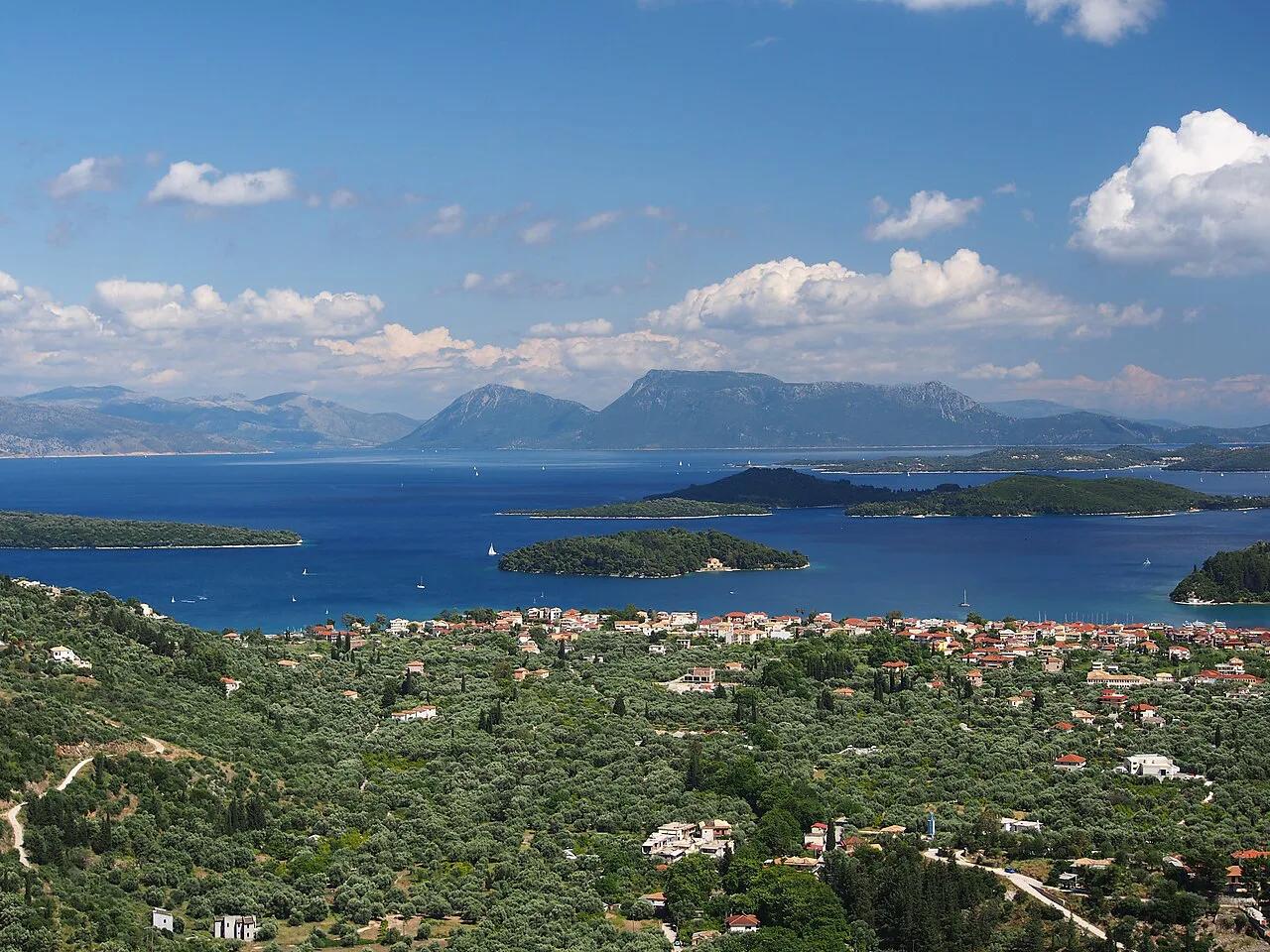
Corfu's best-known swimming spots are Paleokastritsa on the west coast, Sidari in the north and the coves near Kassiopi in the northeast. Boat rental is popular for reaching bays that roads miss. The Ionian is generally calmer than the Aegean, which helps if you dislike choppy boat trips. Crete offers bigger names. Balos and Elafonissi are both full-day trips from Chania, with Balos usually reached by boat from Kissamos. Check current access rules, fees and ferry operation before you commit a day.
History, towns and culture
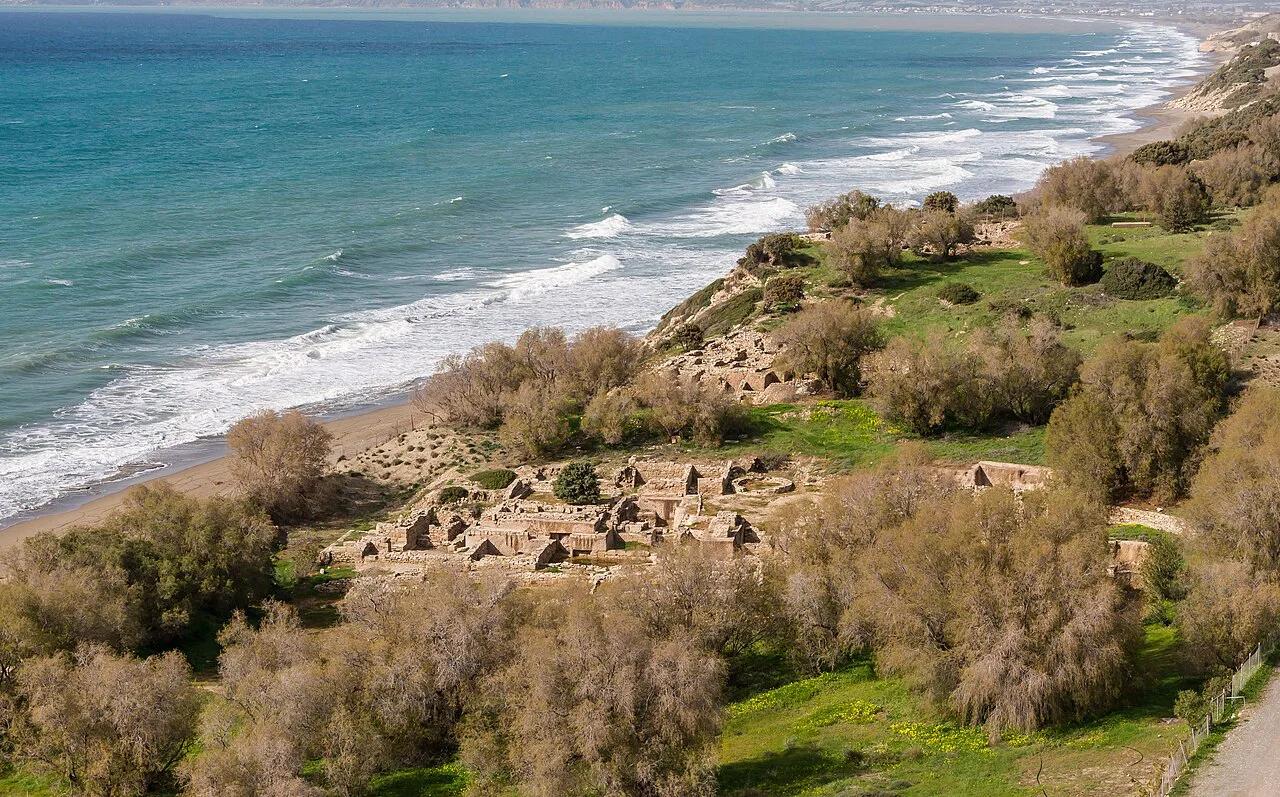
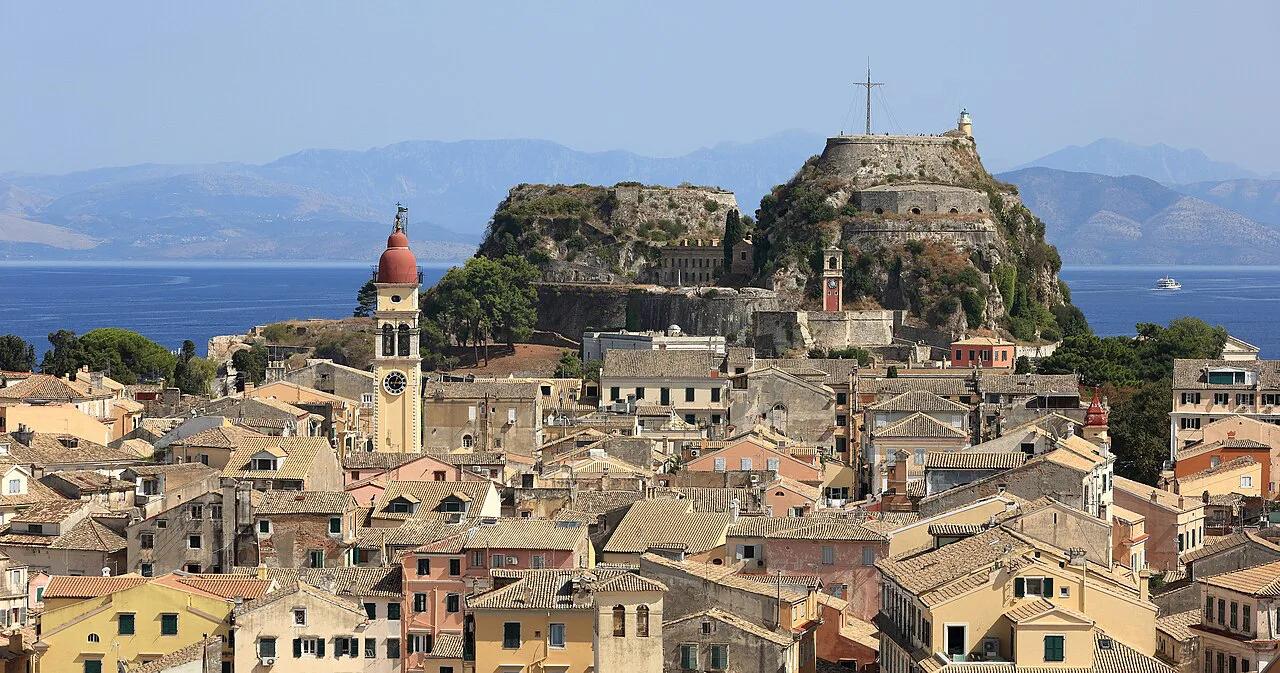
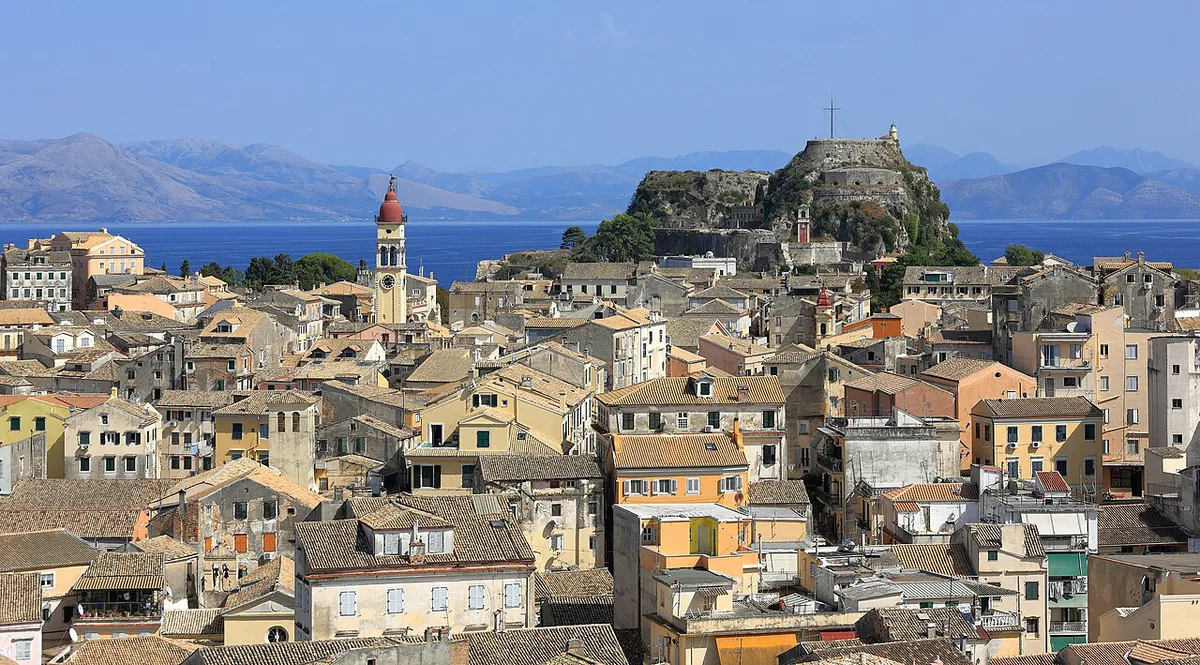
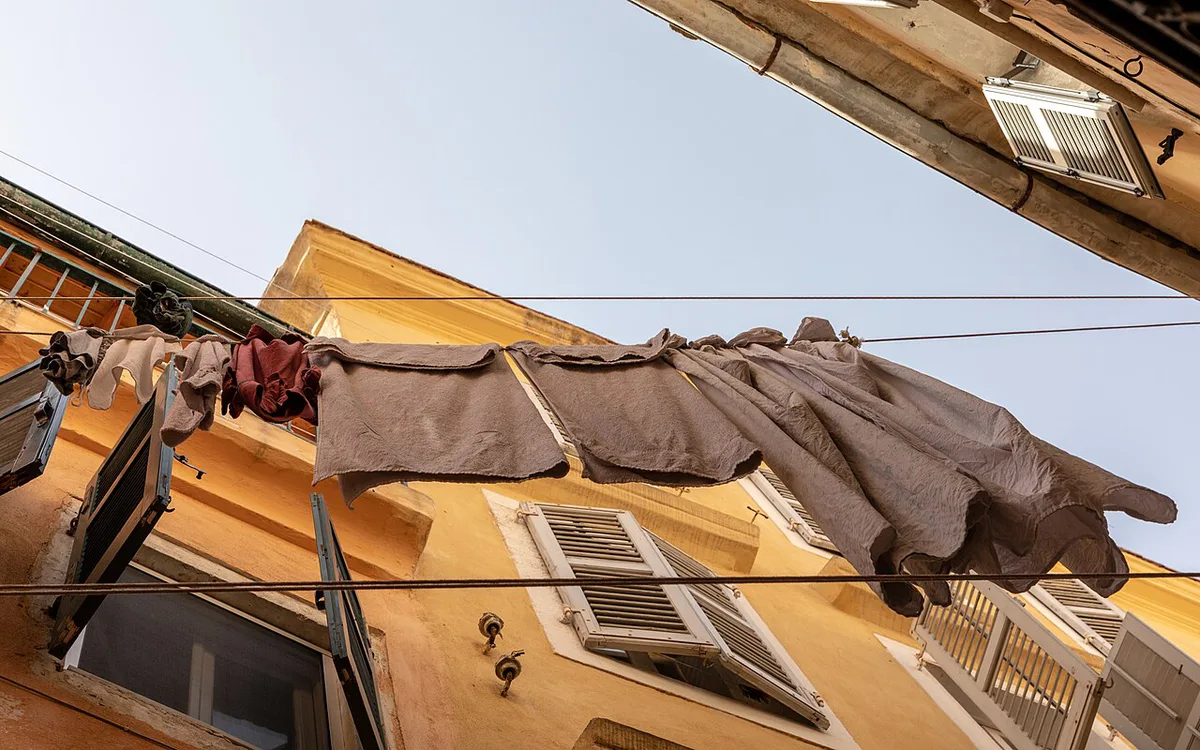
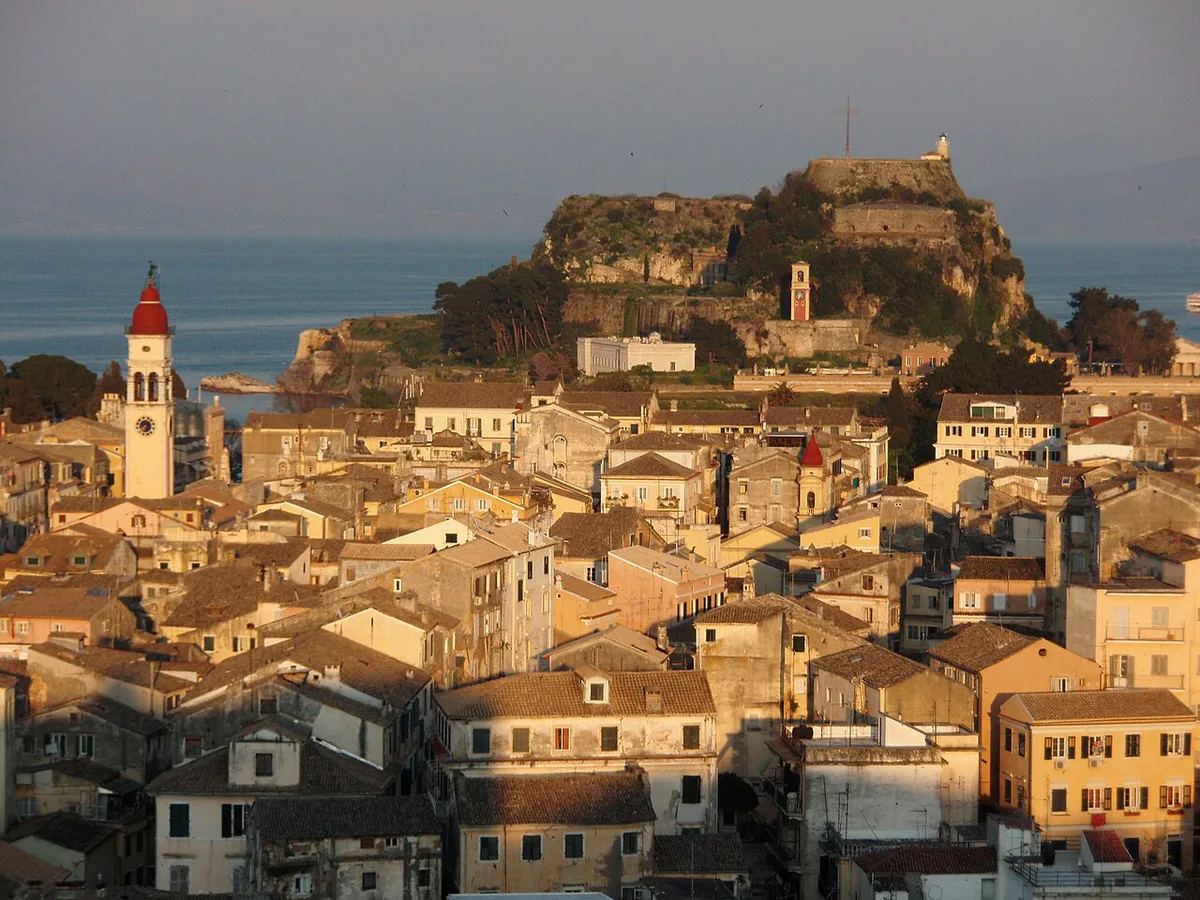
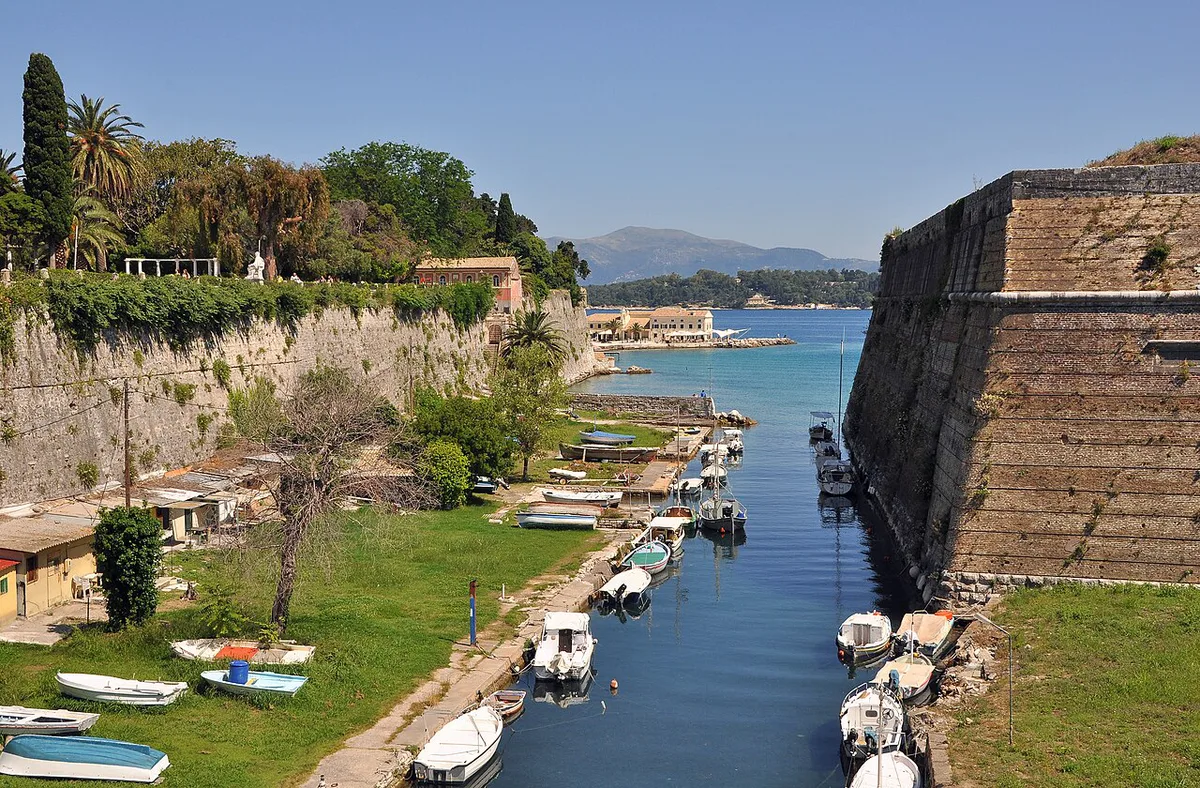
Corfu Town's Old Town is a UNESCO World Heritage Site, shaped by Venetian rule. You can cover its arcades, forts and lanes on foot in a day or two. Crete spreads its history across several cities. Heraklion has Knossos and the Archaeological Museum. Chania and Rethymno have Venetian harbours and old quarters. Opening hours and tickets change, so check the Ministry of Culture listings for Knossos and the museum.
Hiking and nature
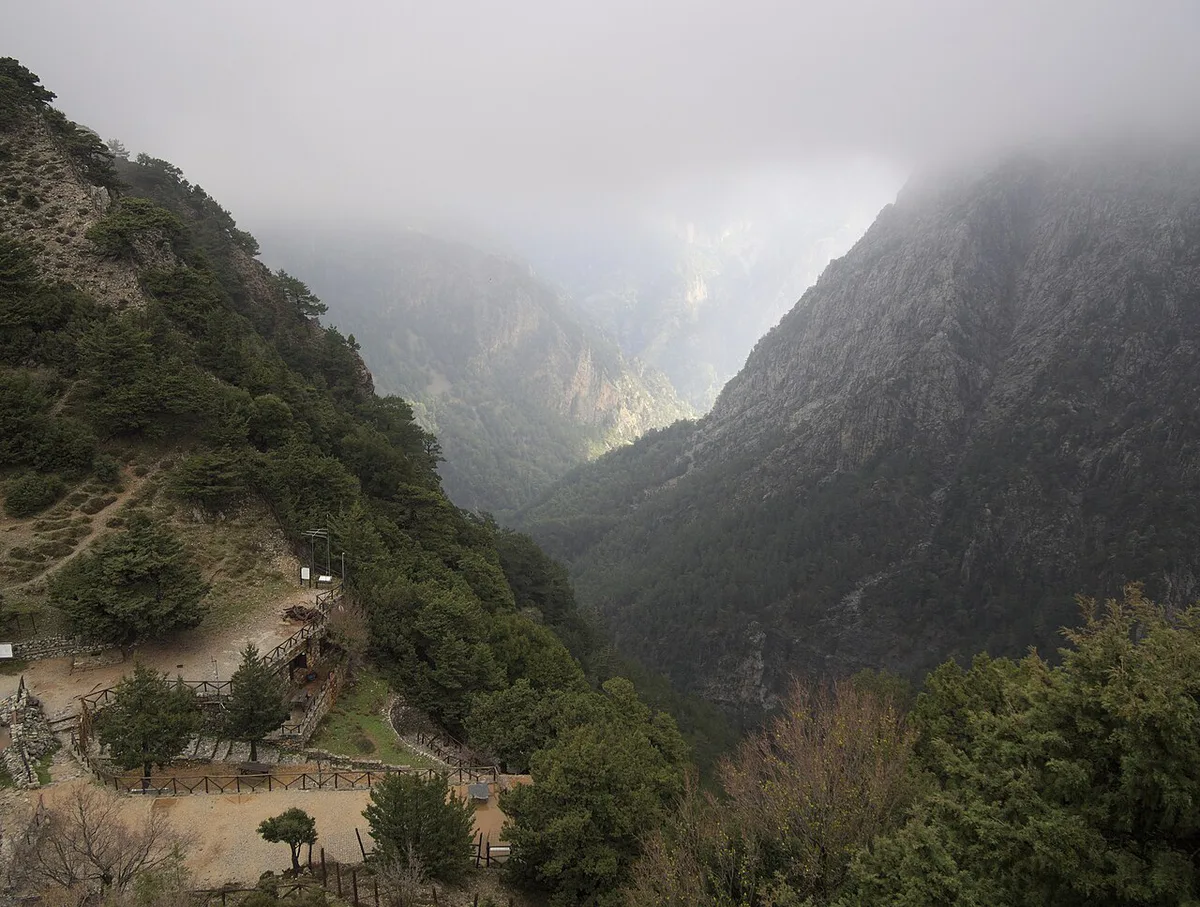
Crete is the stronger choice for serious walking. Samariá Gorge is the headline hike, and it has a season and entry rules set by the park authority. Wear proper trainers or hiking shoes, since flip-flops are a common and avoidable mistake. Corfu offers gentler paths through olive groves and hills. Its greener landscape suits casual walkers who want scenery without a full-day commitment.
Food
Both islands serve classic Greek dishes such as salads, gyros and moussaka. Corfu adds Venetian-influenced plates, including pastitsada, sofrito and bourdeto. Crete is known for dakos, local cheeses, kaltsounia pastries and raki after a meal. Eating where locals eat matters more than choosing one island for its menu.
Best time to go: season by season
June and September are the easiest months on both islands, with comfortable heat and fewer crowds than midsummer. July and August are hottest and busiest. Crete's south can run especially hot, so check Hellenic National Meteorological Service climate data for exact temperatures. Outside summer, expect some seasonal closures and fewer ferries and flights.
| Period | Heat | Crowds | Notes |
|---|---|---|---|
| June | Warm, manageable | Moderate | Good for hiking Samariá on both-island trips |
| July–August | Hottest | Highest | Book lodging early; Corfu Old Town fills up |
| September | Warm sea, milder days | Moderate | Easiest all-round month |
| Shoulder or off season | Cooler | Low | Some seasonal closures; fewer ferries and flights |
Cost drivers and budget level
Both islands sit at a mid-range level for Greece. A commonly quoted rough planning range is €800–€1,200 per person for a week including flights, lodging, food and activities. Treat it as a starting point rather than a quote. August lodging and car rental drive costs most. Corfu Old Town stays command a premium, while Crete offers cheaper tavernas away from the north coast resorts. Local tours to Balos or Elafonissi add a day's cost on Crete, so factor them in.
Where to base yourself
Pick a base to match your plan, and check the exact location on a map before booking.
- Corfu Town: best for history, restaurants and bus access. Book early for August.
- Kassiopi and the northeast: best for coves and quieter evenings. A car helps.
- Paleokastritsa and Sidari: best for west-coast and north-coast beaches. Expect busy summers.
- Chania: best for Old Town atmosphere and trips to Balos and Elafonissi. Plan for full days.
- Rethymno: central north base with a Venetian harbour. Good for splitting drives east and west.
- Heraklion: best for the airport, Knossos and the museum. Less relaxed than Chania for many visitors.
- South coast of Crete: quieter swimming and villages. Longer drives to everything else.
Which traveler fits which island
Use this if/then ladder to settle it fast.
- Short trip of about five days: Corfu.
- Week or more with history and hiking: Crete.
- Young children and calmer water: Corfu.
- Couples wanting a walkable old town: Corfu or Chania.
- Hikers: Crete.
- First-time Greece visitors: Corfu for ease, Crete if you have the time.
- Want another Ionian decision? Read Kefalonia vs Zakynthos: Which Island to Choose or browse the 7 Ionian Islands: Which One to Choose.
Mistakes to avoid
Most regrets come from logistics, not the islands themselves.
- Booking the wrong base: Corfu includes party-resort areas such as Kavos.
- Underestimating Crete's distances between west, centre and east.
- Skipping a car on Crete when you want day trips.
- Forgetting an international driving permit if your licence requires one.
- Leaving August lodging unbooked.
- Hiking gorges in unsuitable footwear.
- Assuming Corfu is only package tourism. Its inland villages and west coast reward a car.
For trip-planning details, see Visit Greece Corfu.
Frequently Asked Questions
Is Corfu nicer than Crete?
It depends on what you want. Corfu is greener, smaller and easier for a short trip. Crete offers more variety, with gorges, Minoan sites and long beaches, but needs more days.
Which is warmer, Crete or Corfu?
Crete lies further south and tends to run hotter in July and August, especially on the south coast. Corfu is greener and slightly milder at the peak. Check the Hellenic National Meteorological Service for current climate data.
Useful notes for your next island trip
Optional updates to our guides.
You might also like
Continue reading
More guides you'll find useful