St Agnes, Isles of Scilly: Getting There, Gugh & Things to Do
Plan a trip to St Agnes in the Isles of Scilly. Get boat logistics, the Gugh tide link, beaches, the island walk, and a day trip vs overnight comparison.
On this page
Last updated November 2026: St Agnes Scilly is the most southwesterly inhabited island in Britain, reached by boat from St Mary's. It has no cars, so you explore on foot. This guide helps you choose between a day trip and an overnight stay.
Featured image: D-Stanley, CC BY 2.0, via Flickr.
St Agnes at a glance
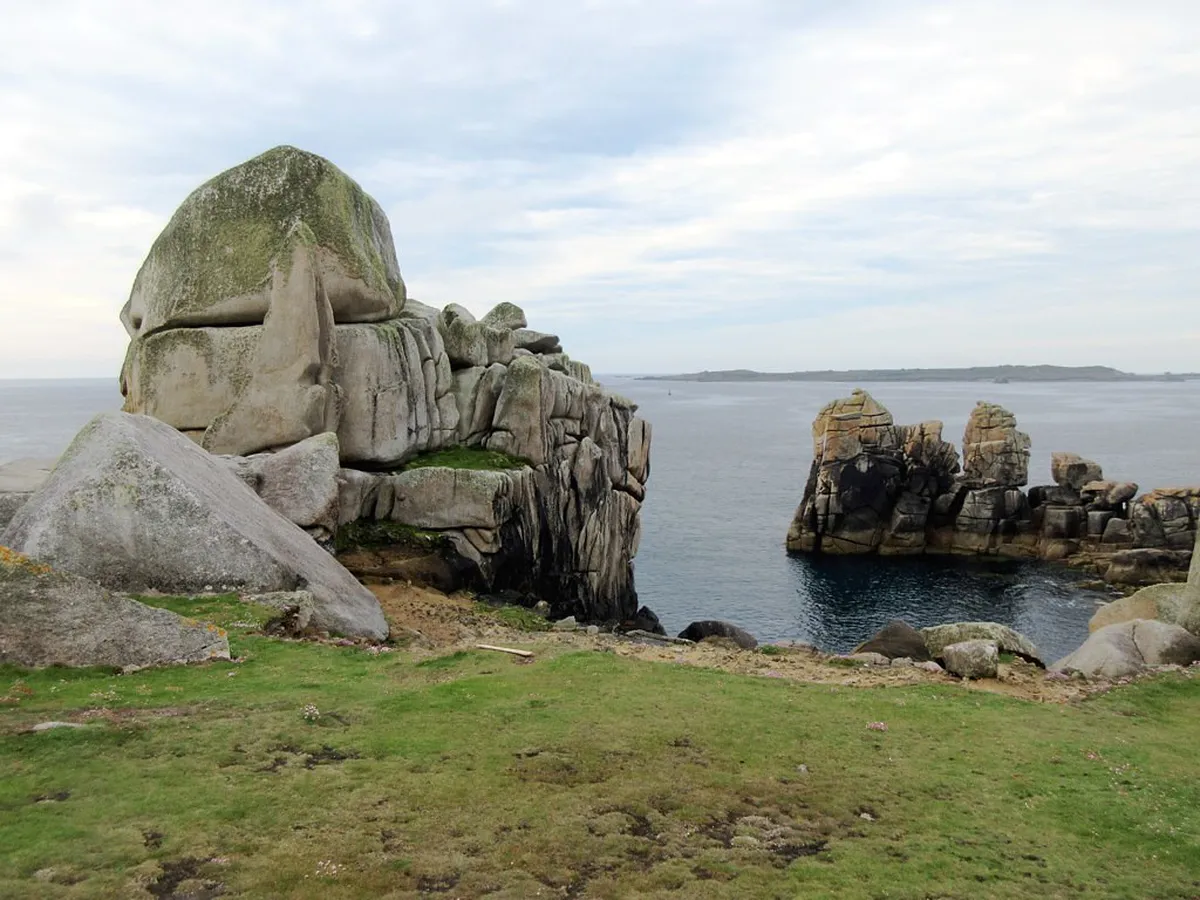
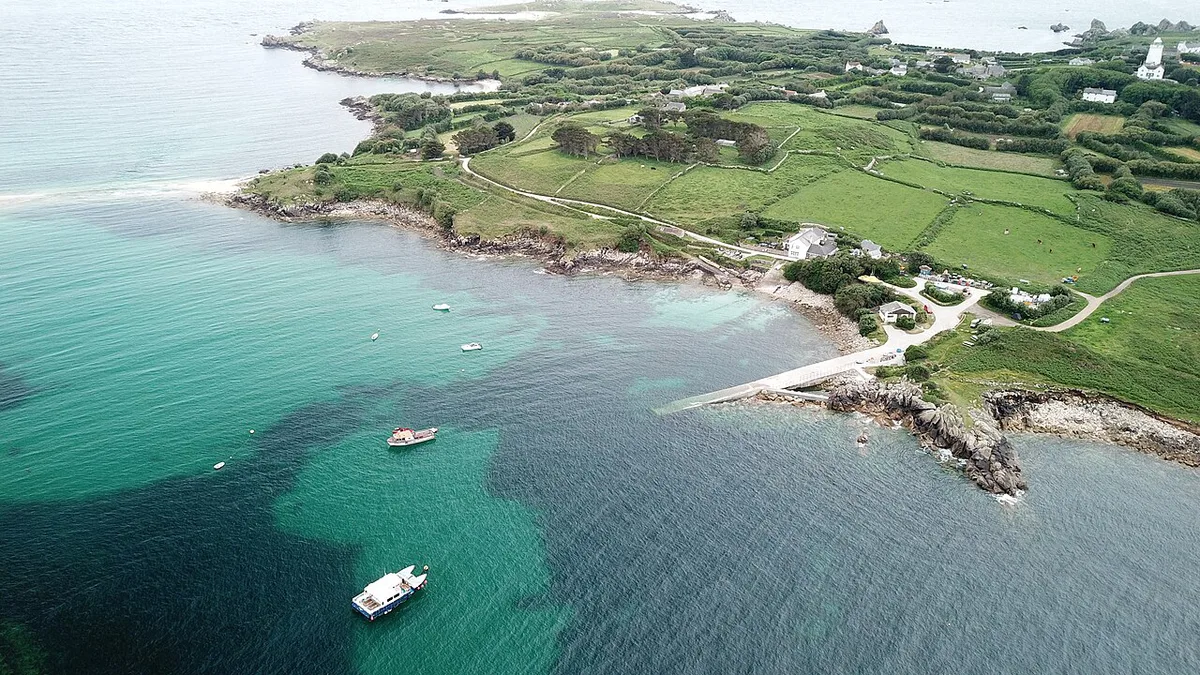
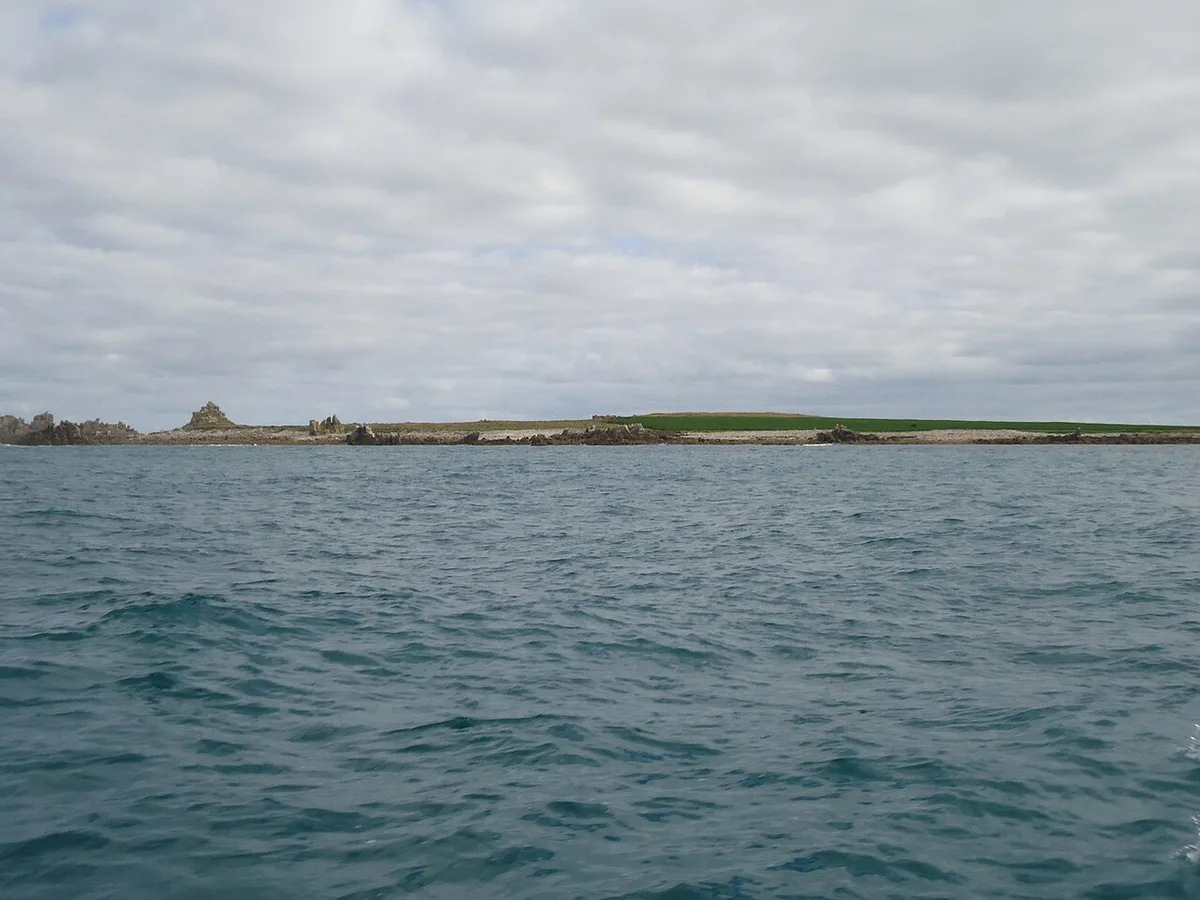
St Agnes sits in an archipelago 45 km west of Land's End. That archipelago has more than 140 islets and rocks, and only five are inhabited. Visitors come for heath, granite coves, birdlife and a pub, not for sights that need a plan. The island suits walkers, birders and anyone who wants a slow day away from St Mary's.
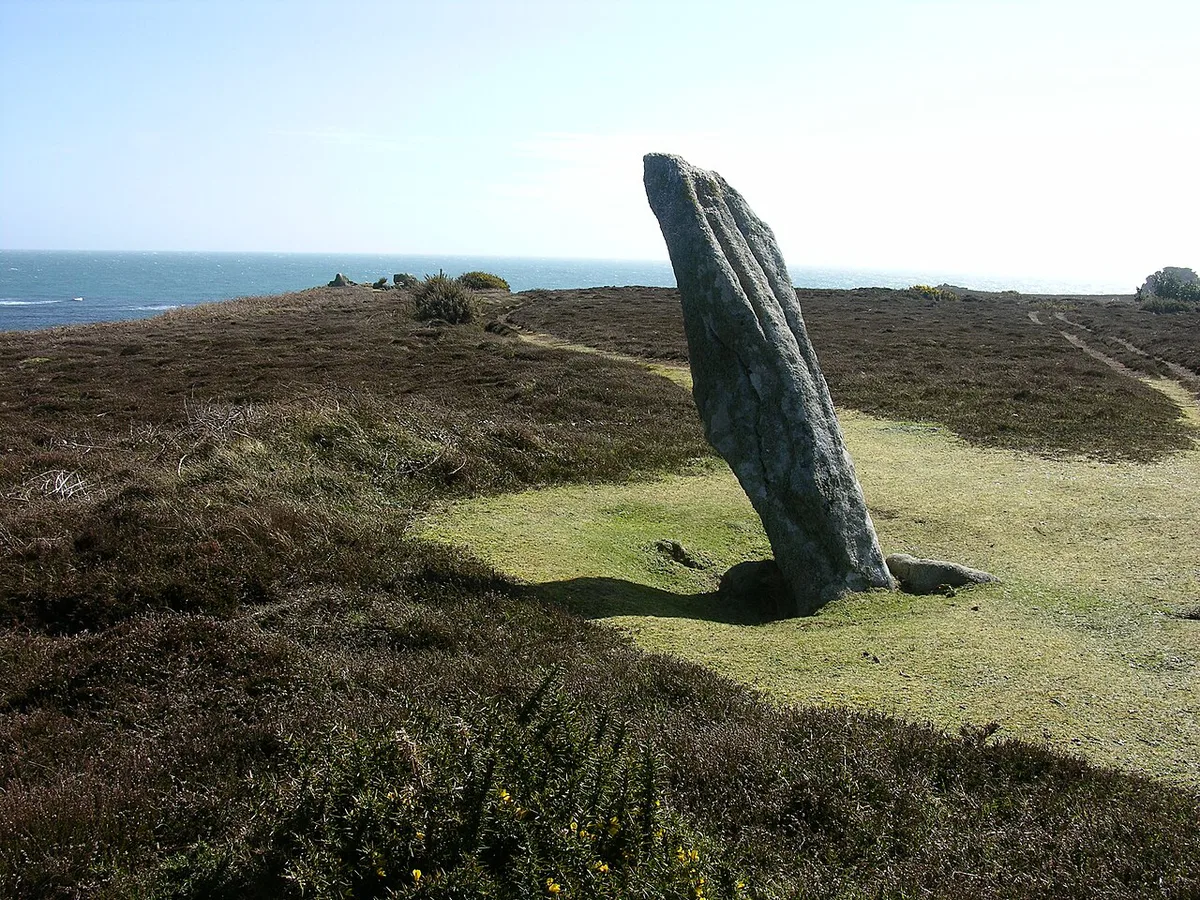
- Location: most southwesterly inhabited island in Britain
- Access: boat from St Mary's, weather and tide permitting
- Transport on the island: your own feet
- Best known for: Turk's Head pub, Troy Town Maze, Wingletang Down, Gugh sandbar
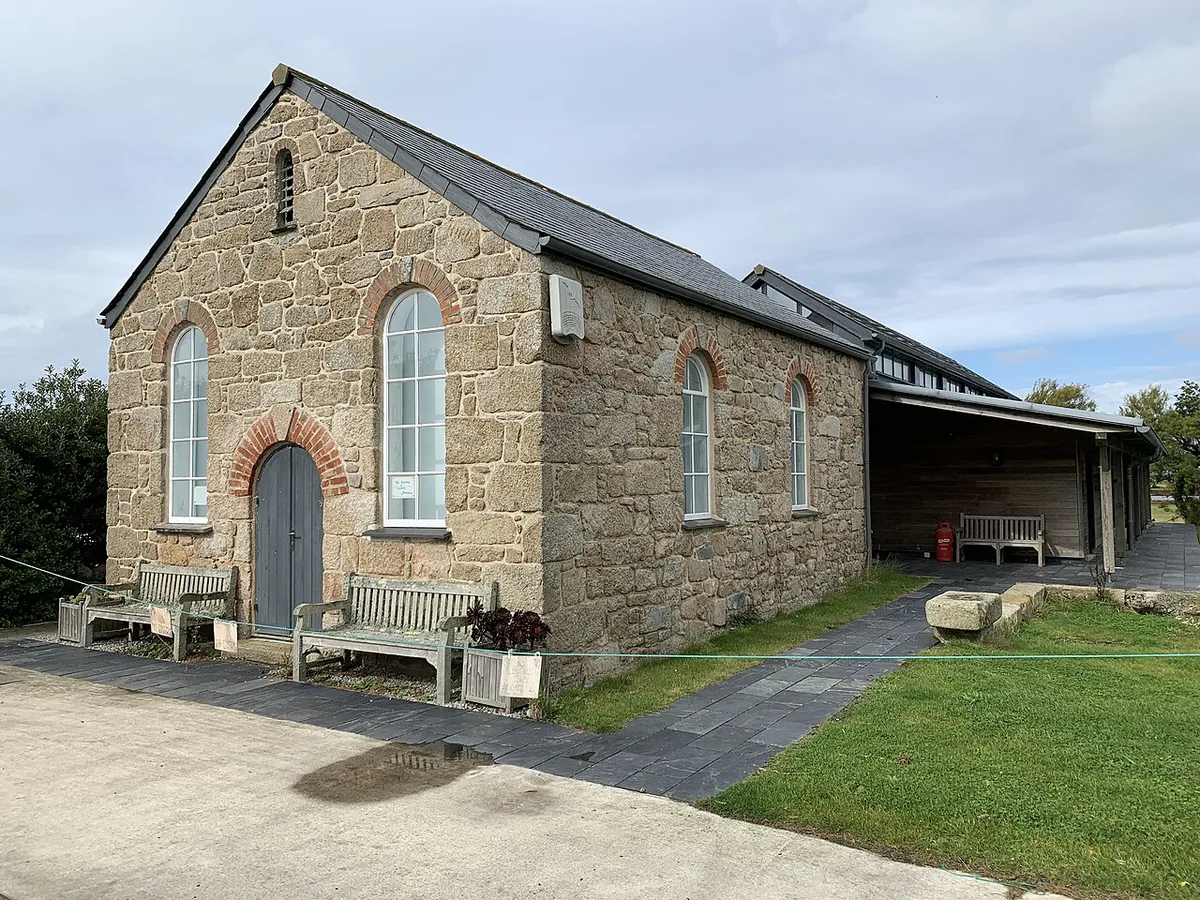
How to get to St Agnes
You cannot sail to St Agnes directly from the mainland. Reach St Mary's first, then take an inter-island boat. Our guide to getting to the Isles of Scilly covers the mainland leg. Inter-island boats run to a schedule set by operators and weather, and sailings often depend on the tide and the quay. Check current times on the Isles of Scilly Steamship Group site and with the boat operators in Hugh Town on St Mary's. Fares change by season, so we quote none here. Wind and swell can cancel boats, so keep a buffer day before any onward flight or ferry.
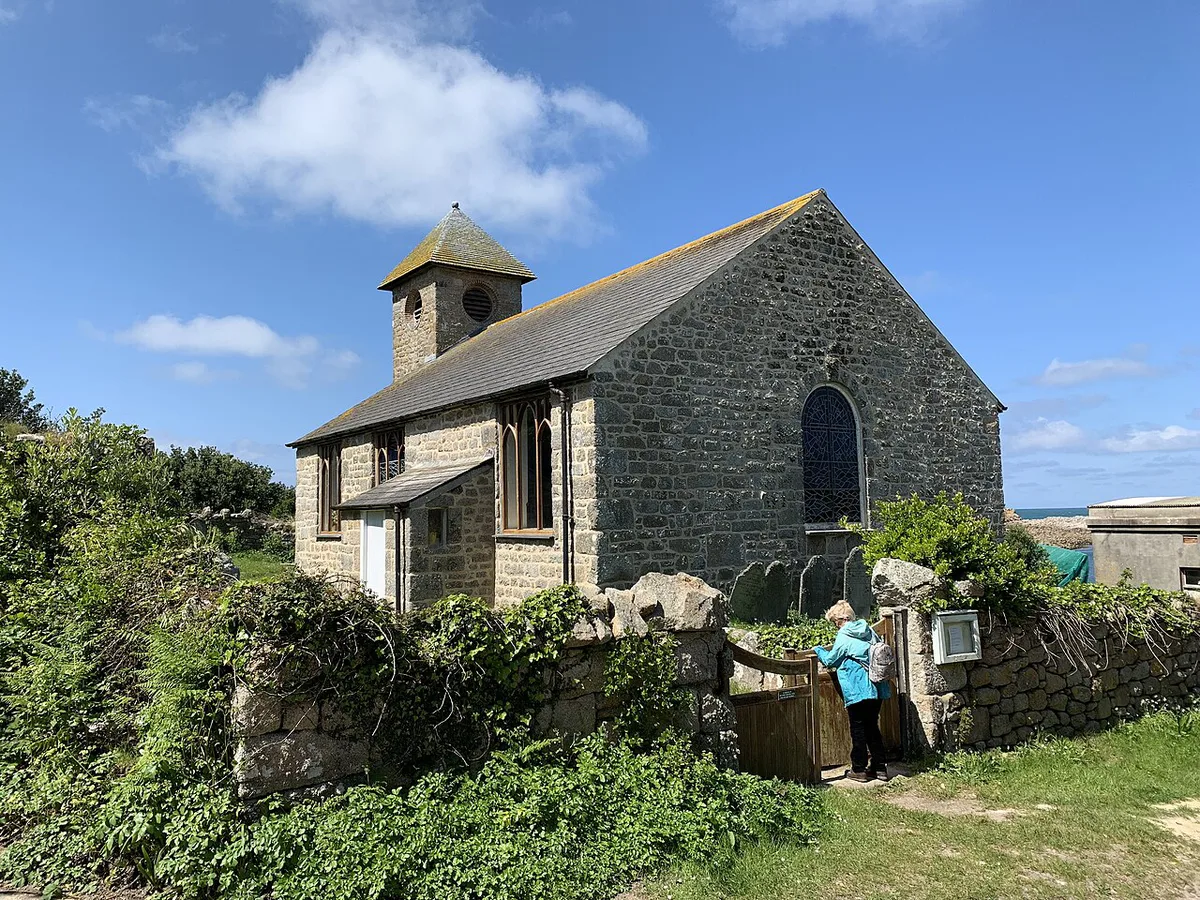
Day trip or stay overnight?
A day trip works if you want one walk, a pub lunch and the Gugh sandbar. Staying overnight gives you the evening light and removes the pressure of the last boat home. Both choices depend on the return boat, so settle that time before you land.
| Factor | Day trip | Overnight stay |
|---|---|---|
| Time on island | Set by boat times | Flexible, includes evening and early morning |
| Cost level | Lower, boat fare and food only | Higher, adds accommodation and meals |
| Weather risk | Cancelled boat can strand you | Easier to absorb a delay |
| Best for | First-timers, walkers short on time | Birders, photographers, slow travellers |
Best things to do on St Agnes
Start with the circular walk around the coast. Paths cross grass, heath and sand, with little shelter from wind. Wear sturdy shoes and carry a windproof layer. Plan your own pace, since no distance or timing is fixed here.
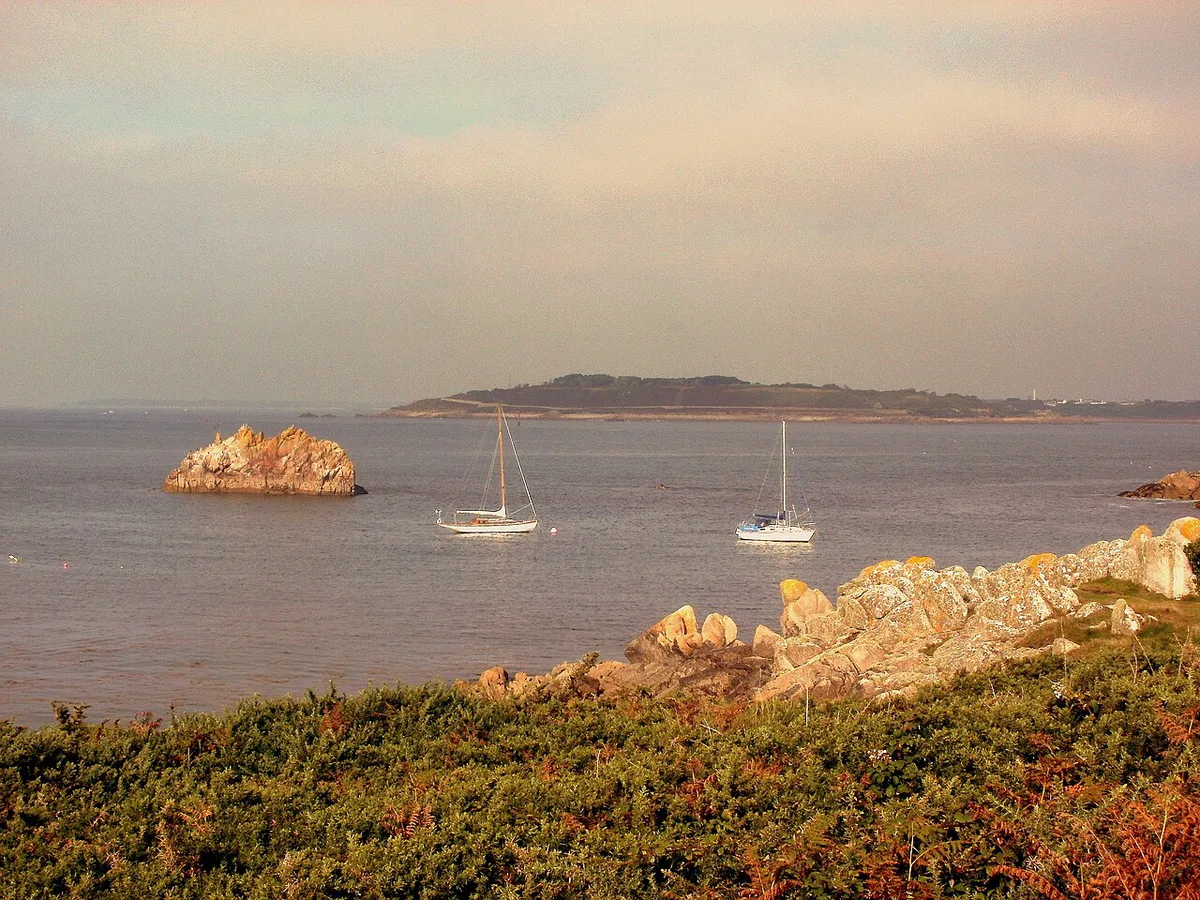
- Wingletang Down: open heath on the island's southwestern side, rich in birdlife
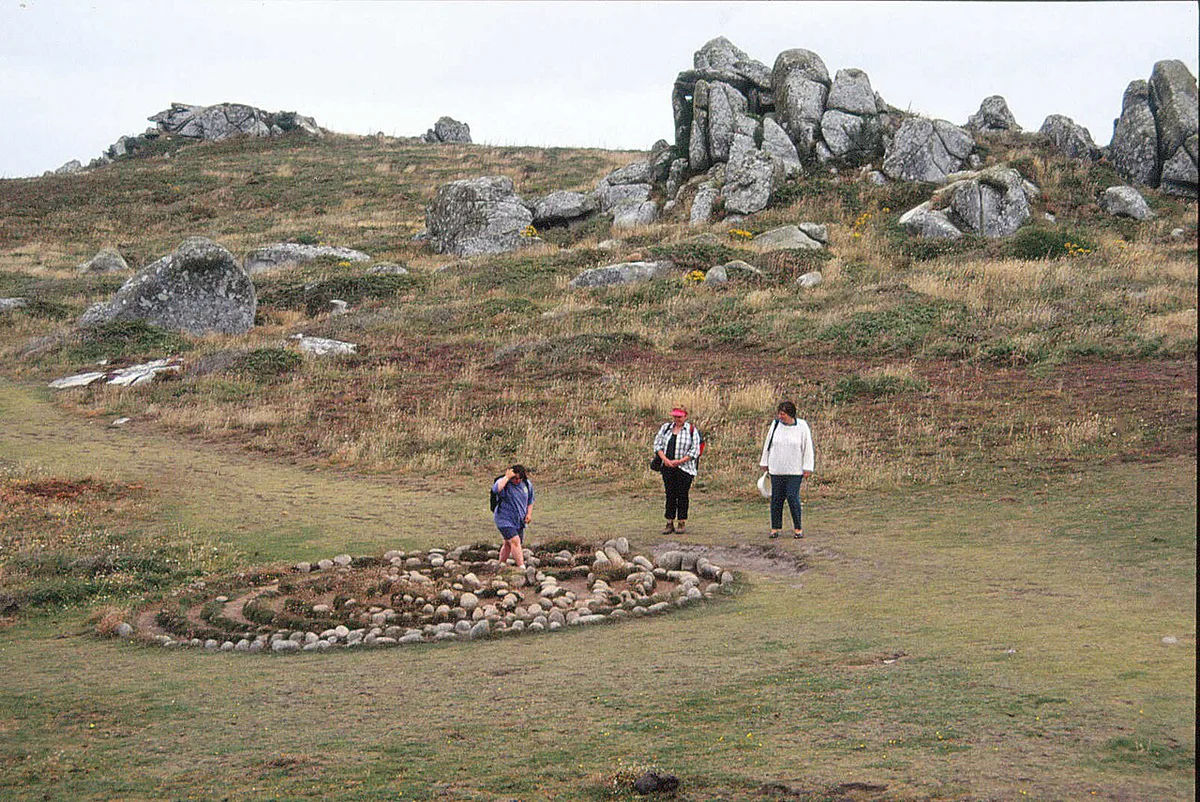
- Troy Town Maze: a stone-laid maze near the coast, worth a short detour
- Gugh: reach it over the sandbar at low tide, and check tide tables first
- Beady Pool: a cove known for small coloured beads washed up on the shore
- Turk's Head: the island pub, a natural lunch or sunset stop
Beaches and safety
Periglis Cove and Porth Conger are good places to sit and watch the sea. Treat swimming with caution, because currents can be strong and the coast is rocky. Do not assume a lifeguard is on duty. The Gugh sandbar is the biggest risk for visitors. Cross only on a falling or low tide, and never on a rising one. Three mistakes ruin days here: missing the last boat, crossing Gugh as the tide rises, and arriving with no food or water.
Eating, drinking and supplies
The Turk's Head is the best-known place to eat and drink. Island opening is seasonal and can change, so ring ahead out of season. A small island shop stocks basics, but it is no substitute for the supplies on St Mary's. Bring water and snacks for your walk. Pubs and shops can shut earlier than you expect.
Where to stay
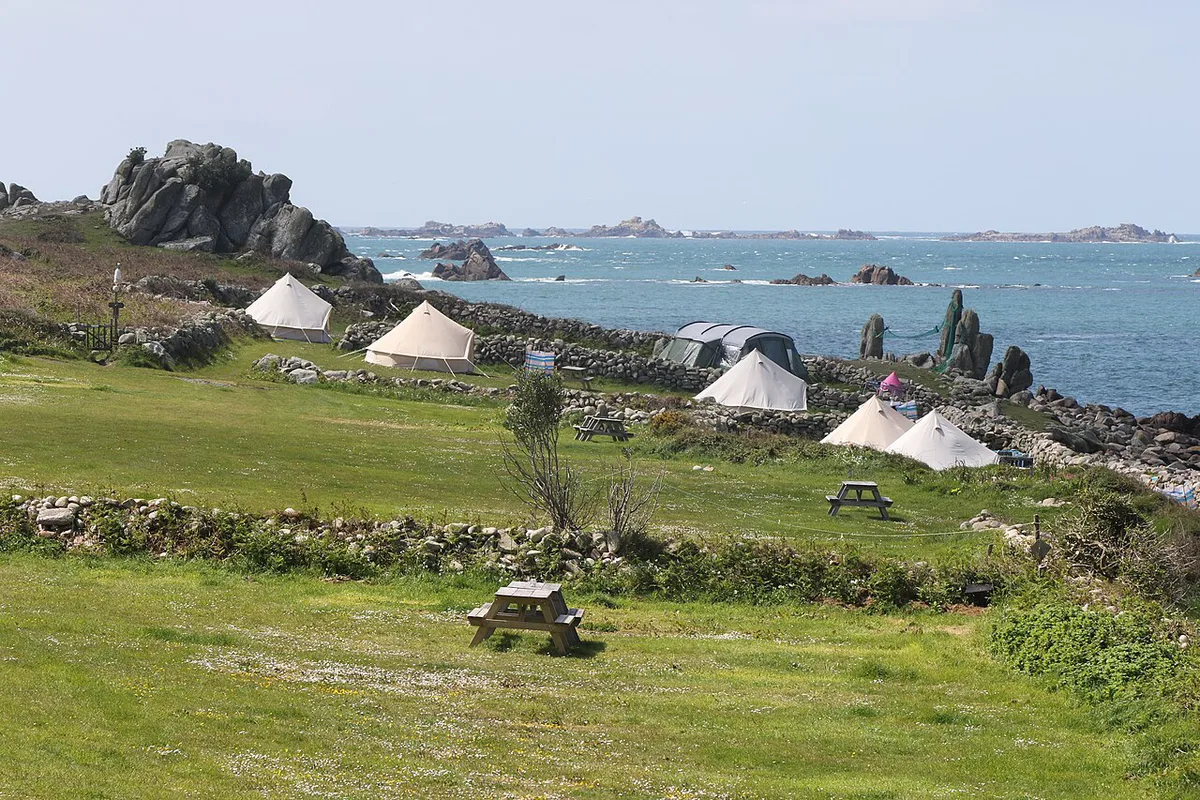
St Agnes has limited accommodation, and summer fills first. Options usually include B&Bs, self-catering and camping, though availability changes. Book early for peak months and see the St Agnes community site for current options. Travellers who miss the last boat often wish they had booked a bed.
St Agnes vs neighbouring islands
St Agnes is wilder and quieter than St Mary's, which is the transport hub. Tresco is more manicured, while Bryher is rugged and small. St Martin's offers long beaches and a similar sense of space. Choose St Agnes for the Gugh sandbar and heath walking. For the wider picture, read our Isles of Scilly overview. Another car-free option further afield is Lundy, which sits in a different archipelago.
Out of more than 140 islets and rocks in the archipelago, only five are inhabited, so a quiet day on St Agnes is easy to find.
Best time to visit and weather
Late spring to early autumn offers the longest days and the most reliable boats. Autumn brings migrating birds, which draws birders. Winter is quieter, with more cancellations and some seasonal closures. Our Isles of Scilly weather guide goes month by month. You can also check the Met Office forecast for St Mary's before you sail.
Frequently Asked Questions
Are there any shops in St Agnes?
St Agnes has a small island shop for basics. Opening is seasonal, so bring water and snacks, and stock up on St Mary's for anything bigger.
Is St Agnes a town or village?
St Agnes is a small island community rather than a town. Its houses are scattered across the island, and Hugh Town on St Mary's is the main settlement in the archipelago.
Useful notes for your next island trip
Optional updates to our guides.
You might also like
Continue reading
More guides you'll find useful