
Formentera Travel Guide: Getting There, Beaches & Where to Stay
Planning Formentera? How to get there from Ibiza, which base suits you, how many days you need, beach access rules, and when to go.
On this page
Last updated November 2026: Formentera is the smallest inhabited Balearic island, about 19 km long and roughly 6 km south of Ibiza. It has no airport, so every visitor arrives by boat from La Savina. We'd send beach, cycling and quiet-seeking travelers here and keep nightlife fans on Ibiza, in the wider 4 Balearic Islands Compared: Which to Visit and How to Connect group.
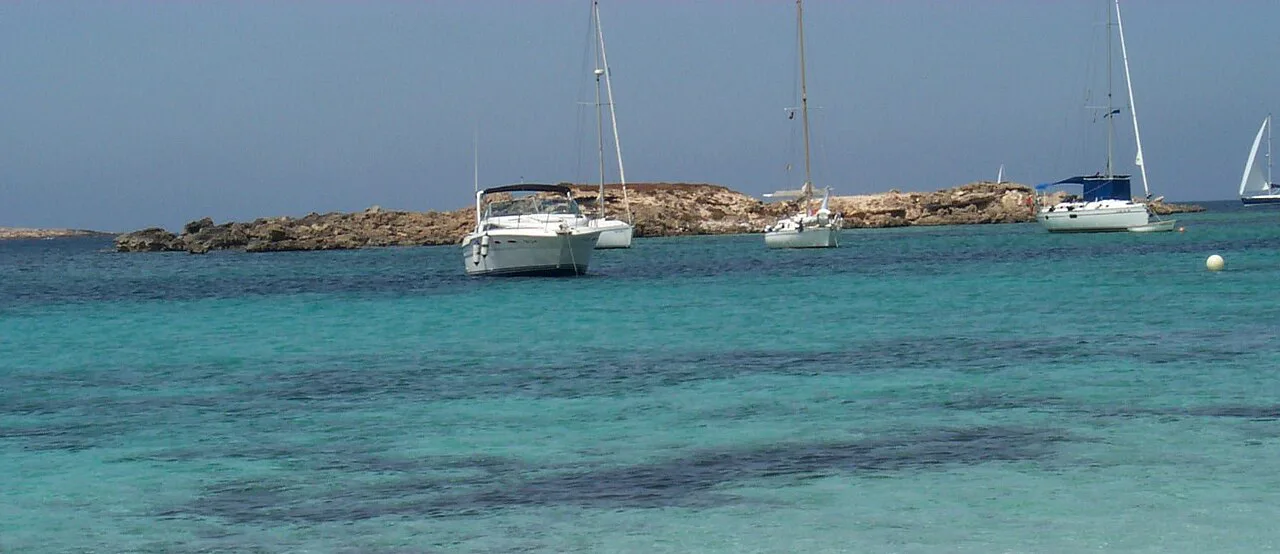
Featured image: Poudou99, CC BY 4.0, via Wikimedia Commons.
Formentera at a glance: is it worth visiting?
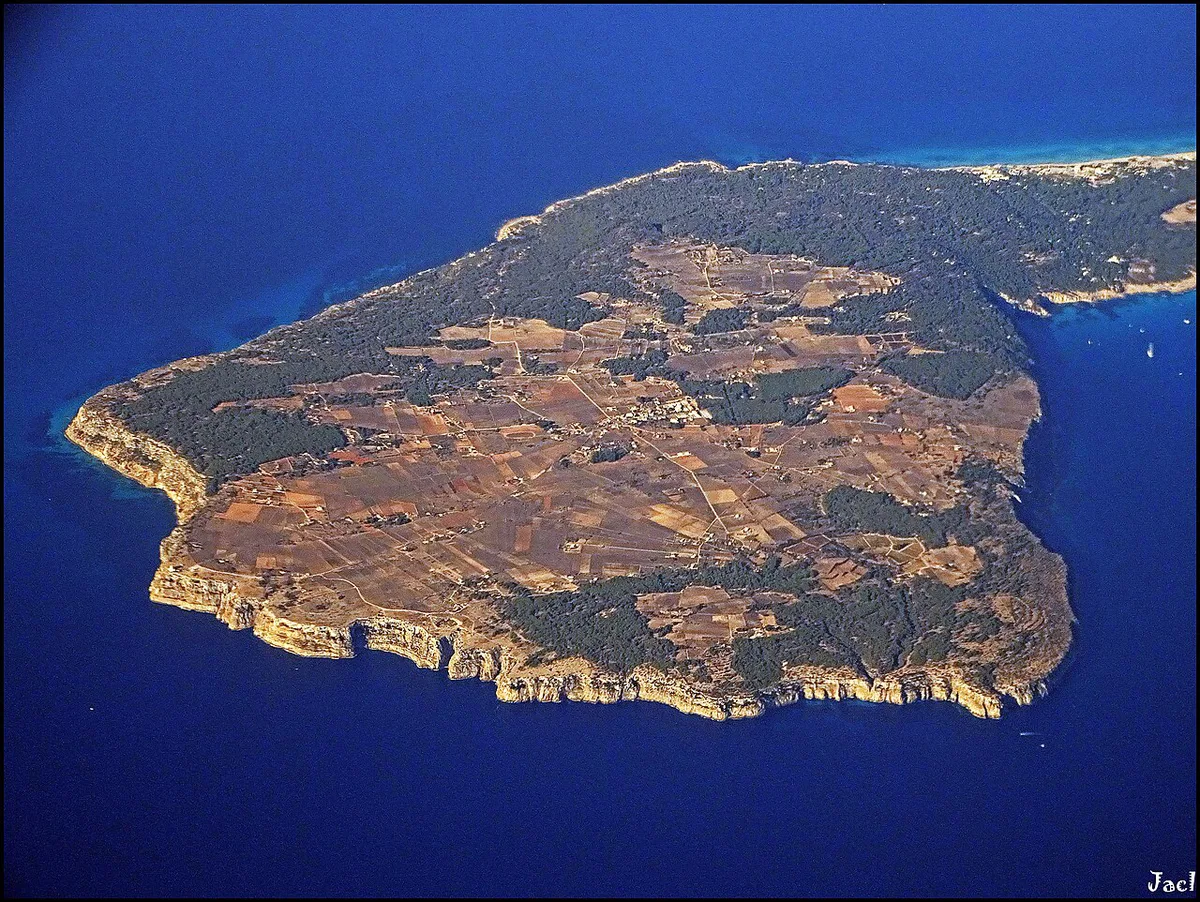
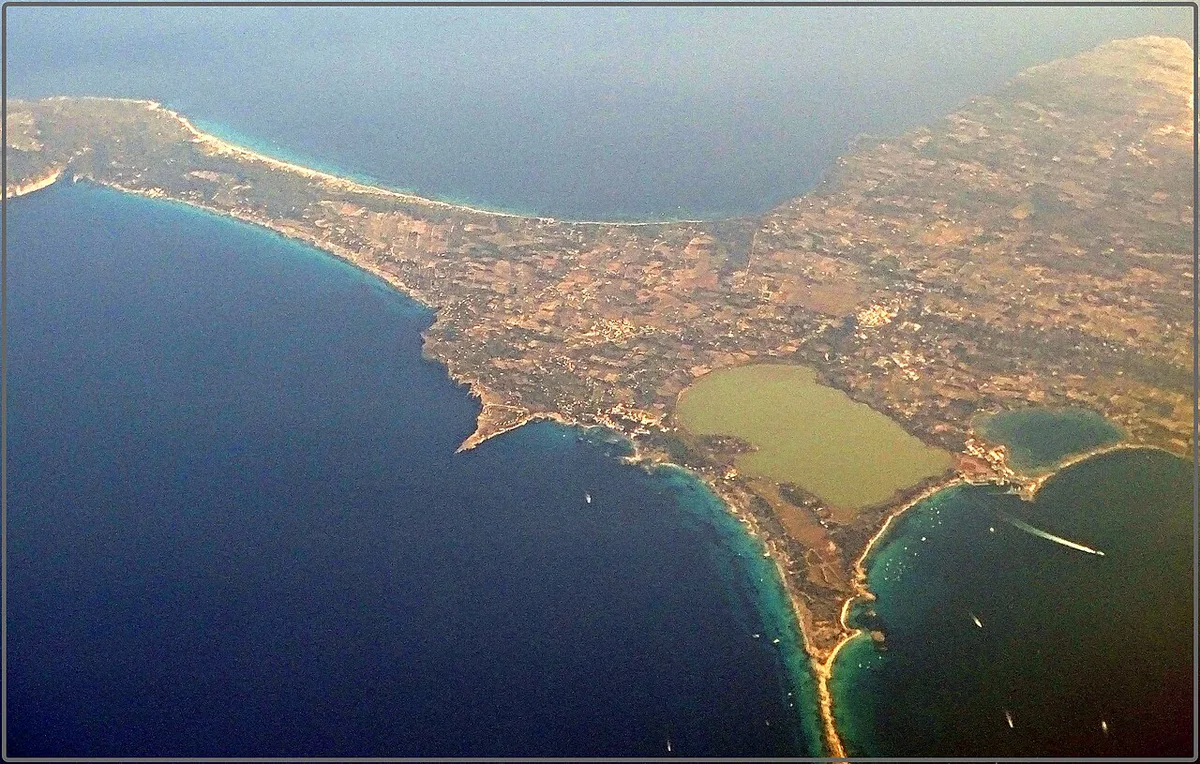
Formentera covers 83.24 km² and had an estimated 11,389 residents on 1 January 2023. Its highest point is La Mola at 119 m, so the terrain is mostly flat. That flatness is why cycling works so well here. Beaches are the main draw, with pale sand and clear water over Posidonia seagrass. Our view is that the island is worth the crossing for anyone who wants sea, space and slow days. It is a poor fit for rainy-day sightseeing, because covered options are few.
- Suits: beach-first travelers who want long swims and sunset spots.
- Suits: cyclists and walkers who like flat routes and dedicated paths.
- Suits: couples and families who want a quieter base than Ibiza.
- Skip it if: you want a late club scene, since the island has very little nightlife.
- Skip it if: your trip depends on museums or indoor sights.
How to get to Formentera
Formentera has no airport. Most travelers fly into Ibiza and take a fast ferry from Ibiza Town (Eivissa) port to La Savina. Crossings take about 30 minutes on large catamarans. In high season, boats leave roughly every half hour. One traveler reported a 45-minute sailing around midday, so durations vary by operator and sailing. Trasmapi is one named operator, and fares change by season and ticket type. Ferry details were checked in November 2026, and the operator's timetable is the final word on last sailings. Our full route guide is in Ibiza to Formentera Ferry: Ports, Boats and Day-Trip Timing. Coming from the mainland, you reach Ibiza first. Read Barcelona to Ibiza by ferry for that leg. For the Valencia crossing, see Valencia to Ibiza by ferry. For island rules and transport notices, the Consell de Formentera is the local authority.
Day trip or stay overnight?
A day trip works if beaches are your only goal. Overnight stays make sense once you want sunsets, a market or a lighthouse. Ferry timing decides most of it. A midday arrival and an evening return leave only a few hours on the sand. Staying also removes last-boat risk.
Crossings take about 30 minutes, but one traveler's 45-minute midday sailing means a day trip's timing needs a buffer.
| Factor | Day trip from Ibiza | Overnight stay |
|---|---|---|
| Time on island | A few hours after the crossing | Full days plus an evening |
| Beach access | One beach, usually near the port side | Several beaches, including sunset spots |
| Nightlife | Practically none on return | Es Pujols evenings |
| Last-ferry risk | Present in the evening | None |
| Cost direction | Cheaper, but ferry fares come twice | Higher, with lodging added |
| Best fit | Ibiza visitors with one spare day | Beach and cycling travelers |
How many days do you need in Formentera?
Match the length to your interests rather than a fixed itinerary. One day covers a single beach and a quick ride. Two to three days let you add a second coast, the La Mola lighthouse and a sunset. Four days or more suit cyclists who want to work through some of the island's 32 green routes. We'd treat three nights as the sweet spot for first-timers. Anything shorter feels rushed, and anything longer needs a specific plan such as hiking or wine.
- 1 day: one beach, one meal, early boat back.
- 2-3 days: two coasts, La Mola, sunset at Migjorn or Cap de Barbaria.
- 4+ days: cycling routes, boat trips, kayaking and stargazing.
Best beaches in Formentera and how access works
Access shapes your beach day more than sand quality does. Ses Illetes sits in the Ses Salines natural park, where entry is limited and may carry a fee. Reports describe parking outside and a 10–15 minute walk in. Nude sunbathing is allowed on most beaches, so expect it. The Formentera tourism office lists beaches and conditions.
- Ses Illetes: north, park access limited, busiest beach, restaurants on the sand, no sunbeds reported. Caution: arrive early and plan the walk.
- Llevant: north-east, between Punta des Trucadors and Platja des Canyers. Quieter and good for long walks. Caution: wind brings strong currents and high waves.
- Migjorn: about 5 km of sand on the south coast. Beach bars and sunsets. Caution: jellyfish are reported in August.
- Cala Saona: west coast, calmer, with a hotel and restaurant. Good for late swims and sunset.
- Cala des Mort (spelled Cala des Muertes on some maps): small cove, rocky underfoot, uncomfortable for lying down. Caution: limited space.
- Mistake to avoid: showing up at a beach restaurant in July or August without a booking.
- Mistake to avoid: swimming at an exposed beach on a windy day without checking the flags.
Where to base yourself in Formentera
Your base decides how much time you spend traveling. Es Pujols is the island's main tourist hub, with the most restaurants and services. Its beach is close, and the best-known northern shores are a 10–15 minute drive away. Migjorn suits sunset lovers. Cala Saona is quieter. La Mola is remote and small. We'd pick Es Pujols for a first stay and Migjorn for a second.
| Base | Best for | Trade-off |
|---|---|---|
| Es Pujols | Restaurants, nightlife, easy services | Busiest in peak season |
| Migjorn | Long beach, sunsets, couples and families | Fewer shops; distances to the port |
| Cala Saona | Quiet and romantic stays | Few services nearby |
| El Pilar de la Mola | Market, lighthouse, remoteness | Furthest from the port |
| Sant Francesc Xavier | Capital, shops, inland calm | Beaches need transport |
| La Savina | Port arrivals and early departures | Little atmosphere |
Getting around Formentera
Roads are paved across the island, and a drive from north to south takes about 40 minutes. There is no traffic light on the island. High-season rules restrict some vehicles, so check the Consell before booking a car or motorbike. Some of the best beaches sit at the end of dirt tracks. E-bikes handle that terrain better than most scooters.
Car drivers face parking outside at Ses Illetes, so budget the 10–15 minute walk in before you plan a beach visit.
| Mode | Suits | Watch for |
|---|---|---|
| Bike or e-bike | Flat routes, green routes, short beach hops | Heat at midday; dirt tracks |
| Scooter | Covering the island quickly | Road safety; check licence needs |
| Car | Families and luggage | High-season restrictions; parking at popular beaches |
| Bus | Port, villages and main beaches | Five routes in high season, one winter route (L2) |
| Taxi | Late nights and transfers | Limited supply in peak season |
Things to do beyond the beach
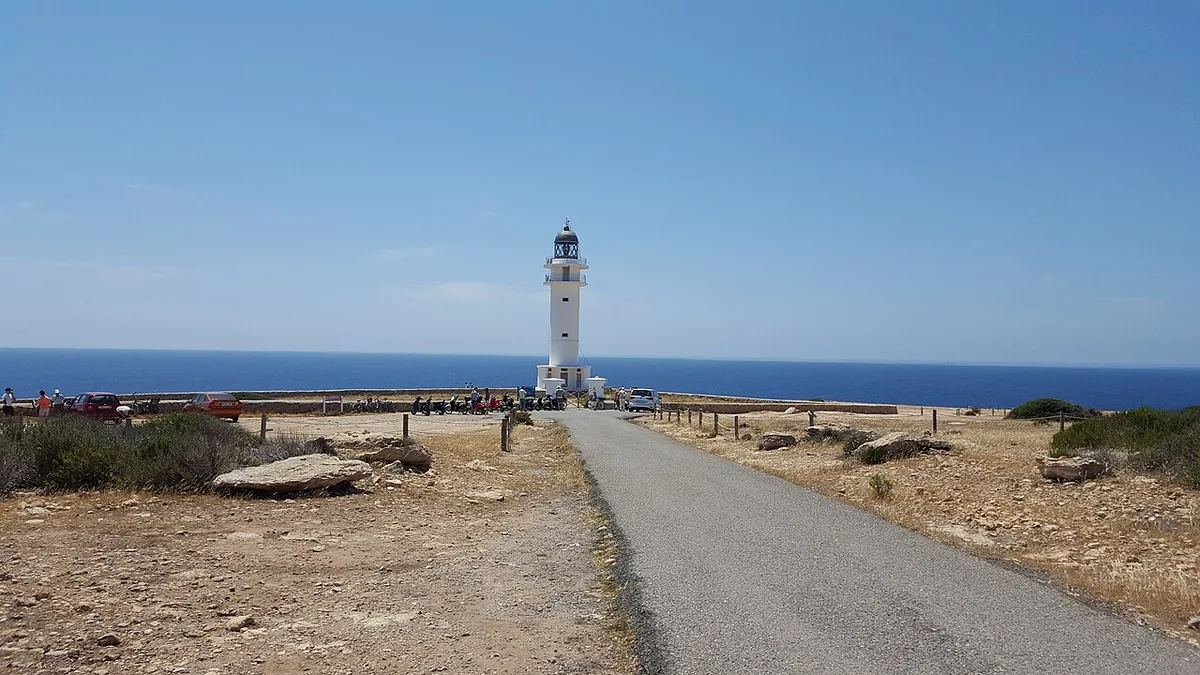
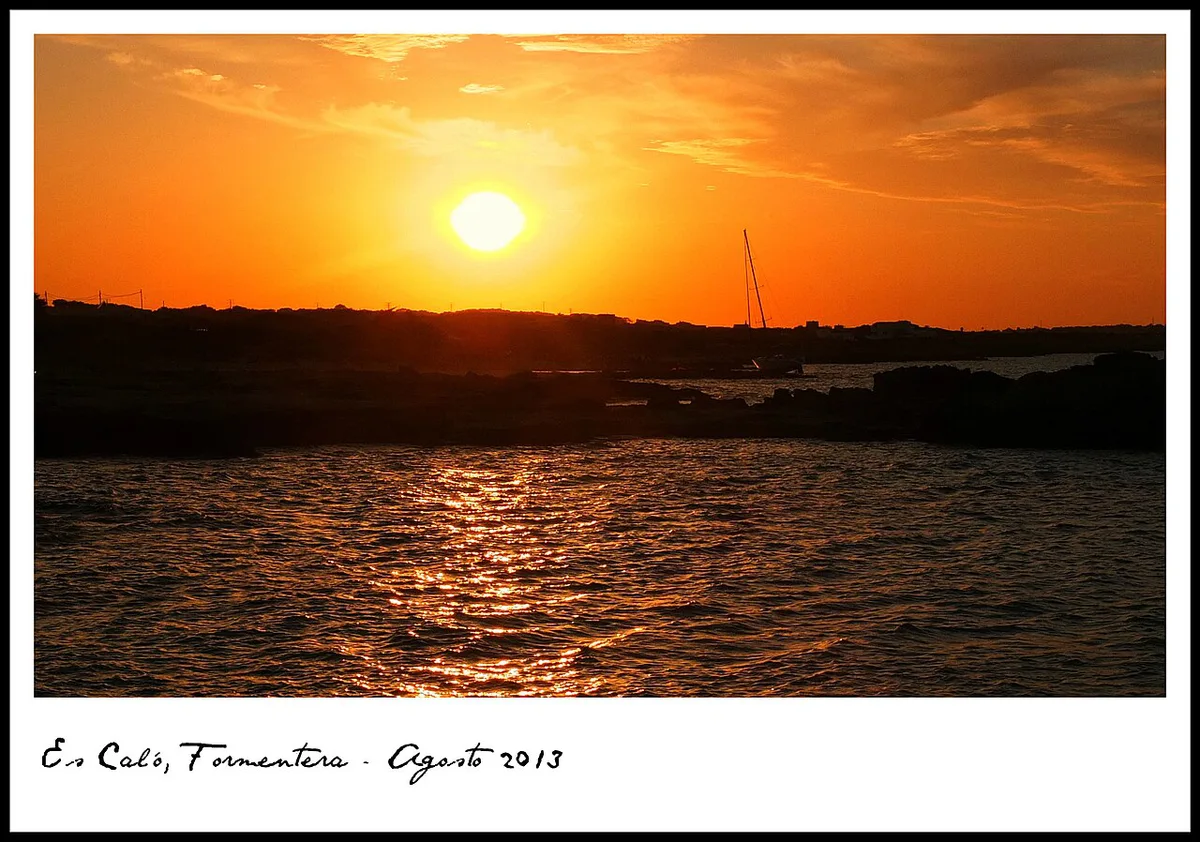
La Mola has a lighthouse, a mirador and a market on Wednesdays and Sundays from May to October. Cap de Barbaria has another lighthouse, and its cliff is a standard sunset stop with Es Vedrà on the horizon. Sant Francesc Xavier has shops, cafés and the island's church. The island is certified as a Starlight Destination, so stargazing from La Mola or Cap de Barbaria is a realistic evening plan. Boat trips and kayaking show the coast from the water. The Cap de Barbaria vineyard is reported as private now. Terramoll Winery is the usual alternative. Rain leaves few options, so we'd head to Sant Francesc Xavier for shops, cafés and a long lunch.
- La Mola: lighthouse, mirador, market in season.
- Cap de Barbaria: lighthouse and sunset.
- Sant Francesc Xavier: shops and a wet-day lunch.
- Green routes: 32 marked paths on the island.
- Boat trips and kayaking: best on calm mornings.
Where to eat in Formentera
Choose by setting rather than by a ranked list. Es Pujols has the seafront strip. Migjorn has beach bars for sunset drinks. Sant Francesc Xavier has café lunches. In peak season, book dinner by midday on the same day. Beach restaurants at Ses Illetes may need bookings days ahead. Try bullit de peix, a fish stew, and sobrasada, a cured sausage. Restaurants change often, so confirm opening status before building a plan around one.
When to go to Formentera
May, June and September are the sweet spot for warm weather and thinner crowds. July and August are busiest, with full ferries and booked restaurants. October can be pleasant and quiet. Winter brings fewer services, and only the L2 bus route keeps running. The island averages about 18.6 °C a year and 2,883 hours of sunshine. Rainfall is low at 370–420 mm a year.
| Season | Crowds | Services | Notes |
|---|---|---|---|
| May–June | Moderate | Most open, market running | Warm, calm sea |
| July–August | Heaviest | Full; booking essential | Warm water, jellyfish possible |
| September–October | Falling | Mostly open | Pleasant, quieter |
| November–April | Lowest | Some closures, one bus route | Cooler; limited beach services |
Formentera vs the other Balearics
Formentera is for slow beach days. Ibiza adds nightlife and size, and Mallorca adds mountains and cities. Read Ibiza vs Mallorca: Which Balearic Island Should You Pick? if you're weighing the two larger islands. For a calmer comparison, Mallorca vs Menorca: Which Island Should You Choose? covers the next pair. Our Balearic Islands guide places Formentera among all four.
Protecting Formentera’s beaches and seagrass
Formentera’s clear water depends on Posidonia seagrass, which grows beneath many swimming and boating areas. Avoid dropping an anchor on visible seagrass, and use marked moorings where they are provided. Take all rubbish away from small coves, including cigarette ends and food containers.
At Ses Illetes, parking may be outside the protected area, followed by a 10–15 minute walk to the sand. Treat that walk as part of protecting a fragile shoreline rather than a reason to drive closer. Nude bathing is normal on many beaches, including quieter stretches around Llevant, so give other visitors space.
The island also has 32 marked green routes. Stay on signed paths when walking or cycling, especially near dunes and dry-stone landscapes. On windy days, choose sheltered water and follow beach flags rather than entering exposed surf.
Frequently Asked Questions
Is it worth going to Formentera?
Yes, if you want beaches, cycling and quiet evenings. The crossing from Ibiza takes about 30 minutes. Skip it if you want nightlife or rainy-day sights.
Is Formentera a nudist island?
Not exclusively, but nude sunbathing is allowed on most beaches. Expect to see it at places such as Llevant and the northern end of Ses Illetes. Swimsuits are equally normal.
Is Formentera nicer than Ibiza?
It depends on what you want. Formentera is quieter, flatter and beach-led. Ibiza has nightlife, more towns and an airport.
What language is spoken in Formentera?
The official languages are Catalan and Spanish. Locals speak an Ibizan variant of Balearic Catalan. English, Italian, German, French and Dutch are widely heard in summer.
Useful notes for your next island trip
Optional updates to our guides.
You might also like

Continue reading
More guides you'll find useful