
Channel Islands Weather: Best Time to Visit, Month by Month
Channel Islands weather by season: when it's warmest and sunniest, how wind and fog affect ferries, and what to pack for Jersey, Guernsey, Alderney, Sark and Herm.
On this page
Last updated November 2026. Channel Islands weather is mild and maritime, with cool summers and frost-light winters, and wind and sea fog matter more to your plans than temperature. This guide covers Jersey, Guernsey, Alderney, Sark and Herm in the English Channel, not the California Channel Islands. It sits inside our wider Channel Islands travel guide.
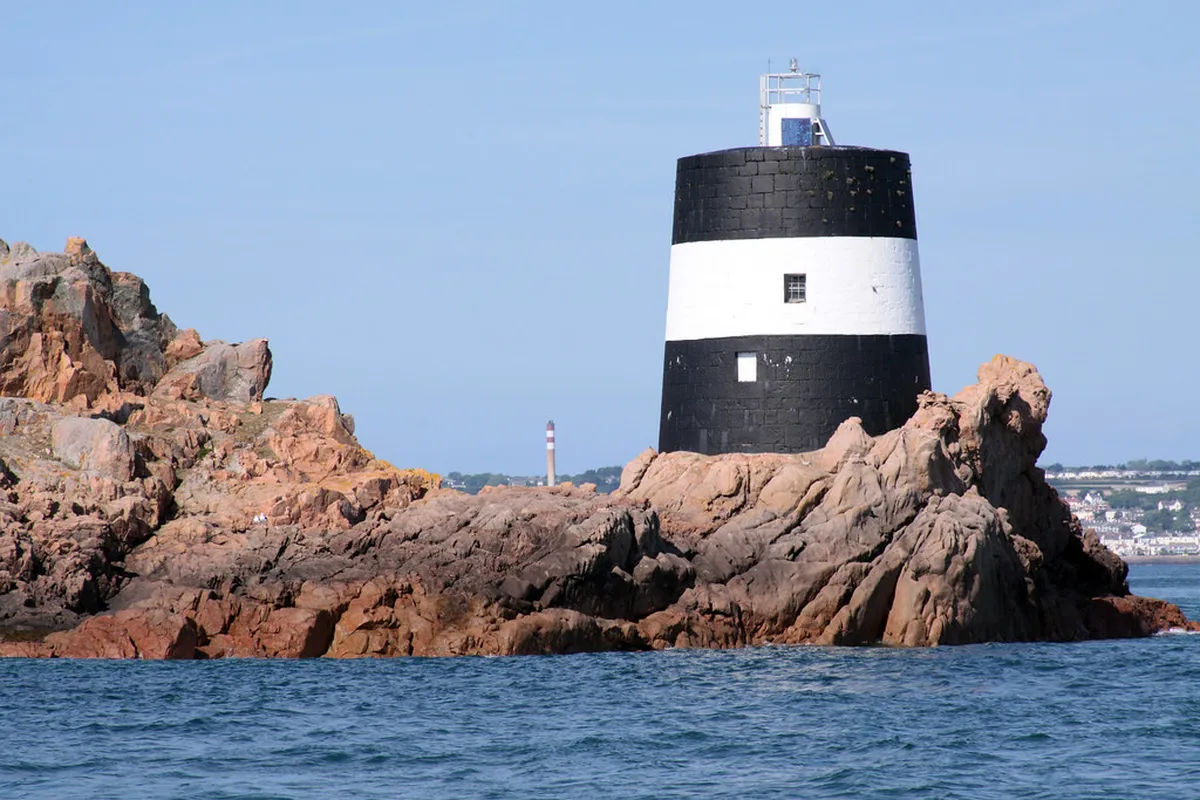
Featured image: Andy Hawkins, CC BY-SA 2.0, via Flickr.
Channel Islands weather at a glance
The sea keeps the islands moderate all year. Winter days typically sit around 8°C (46°F). Summer afternoons typically reach about 21°C (70°F). Heatwaves are rare and deep cold is brief. Snow is uncommon. For live forecasts, use the Jersey Met Department forecast. Figures here are typical long-term ranges, so treat them as planning guides rather than guarantees. The islands are Crown Dependencies, a point covered in our guide on whether they are part of the UK.
- Warmest months: July and August
- Sunniest stretch: late spring through summer
- Wettest stretch: autumn and early winter
- Biggest travel risk: wind, swell and sea fog, not heat or cold
Channel Islands weather by season
Spring warms slowly because the sea is still cold. Expect roughly 12°C (54°F) in April and a bright, breezy feel. Summer is the main season, with long evenings and sea breezes. Autumn stays soft into October, but rain and gales build. Winter is damp and windy, with daytime highs near 8°C (46°F) and sea around 10°C (50°F).
| Season | Typical daytime high | Feel | Best for | Main risk |
|---|---|---|---|---|
| Spring (Mar–May) | 10–15°C (50–59°F) | Fresh, bright, breezy | Cliff walks, wildflowers, quiet roads | Cold sea, cool wind |
| Summer (Jun–Aug) | 18–22°C (64–72°F) | Mild, sunny, sea breeze | Beaches, Herm and Sark day trips | Crowds, full ferries |
| Autumn (Sep–Nov) | 12–19°C (54–66°F) | Soft early, wet later | Walking, cycling, lower prices | Gales, shorter days |
| Winter (Dec–Feb) | 7–9°C (45–48°F) | Damp, windy, rarely frosty | Storm watching, quiet towns | Cancelled sailings, early dark |
Channel Islands weather month by month
The seasonal table gives the broad picture. This month-by-month view helps when you are choosing specific dates. Figures are typical long-term ranges for Jersey and Guernsey, rounded, and will vary from year to year. Check the Jersey Met Department forecast closer to your trip.
| Month | Typical high | Sea temperature | What to expect |
|---|---|---|---|
| January | 8°C (46°F) | about 9°C (48°F) | Damp, windy, short days |
| February | 8°C (46°F) | about 9°C (48°F) | Coldest sea, occasional bright spells |
| March | 10°C (50°F) | about 9°C (48°F) | Brightening, still breezy |
| April | 12°C (54°F) | about 10°C (50°F) | Clear light, wildflowers, cool wind |
| May | 15°C (59°F) | about 12°C (54°F) | Often among the sunniest months |
| June | 18°C (64°F) | about 14°C (57°F) | Longest days, sea fog possible |
| July | 20°C (68°F) | about 16°C (61°F) | Warm, busiest ferries |
| August | 21°C (70°F) | about 17°C (63°F) | Warmest sea of the year |
| September | 19°C (66°F) | about 17°C (63°F) | Settled, quieter, good for walking |
| October | 15°C (59°F) | about 15°C (59°F) | Rain and first gales arrive |
| November | 11°C (52°F) | about 13°C (55°F) | Wet and blustery, early dark |
| December | 9°C (48°F) | about 11°C (52°F) | Mild but stormy, short days |
Two patterns are worth planning around. First, the sea lags the air, so September water is warmer than June water even though the air is similar. Second, May and June are often drier and sunnier than July, which makes them strong choices for walking trips, though June mornings can start in sea fog that burns off by midday.
Best time to visit the Channel Islands by trip type
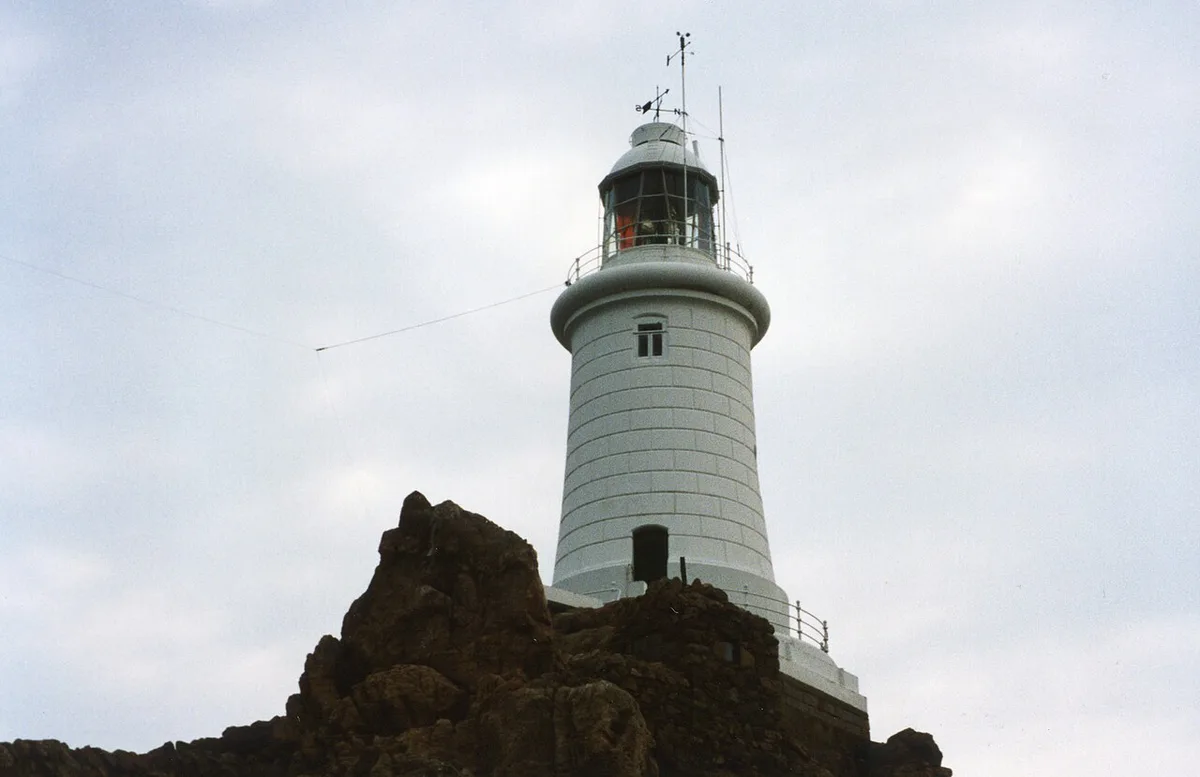
Late May to early September suits most visitors. Accommodation follows the weather. As an editorial planning estimate, a double room might cost around £90 a night in March and £160 or more in July. Prices checked November 2026, so look at current rates before booking.
- Beaches and swimming: July to early September. Skip winter and early spring unless you want a wetsuit.
- Walking and cycling: May, June and September. Cliff paths are drier and the light is long.
- Sark and Herm day trips: June to September, when boats run most often. See our guides to Sark and Herm.
- Wildlife and birdwatching: April to May and September to October.
- Quiet and budget travel: March, April and October. Skip these if you need guaranteed sun.
How weather affects ferries, flights and island-hopping
Strong wind, heavy swell and fog can delay or cancel sailings and flights. Small boats to Sark, Herm and Alderney are most exposed. Winter carries the highest risk, though autumn gales and summer fog also cause delays. Check live notices with Condor Ferries and the airline before you leave. Our guide on How to Get to the Channel Islands: Ferry & Flight Guide covers routes. Fixed-date plans need a buffer. Leave one spare day before any flight home or onward ferry. Choose flexible tickets in October through March. For route details, see ferries to Jersey, ferries to Guernsey and the Jersey to Guernsey crossing.
Island-by-island differences
Jersey and Guernsey have very similar weather. Compare their character in our Jersey vs Guernsey: Which Channel Island to Visit? guide. Alderney is the most exposed, so expect more wind. Sark and Herm are small and depend on boats, so a fine-looking morning does not guarantee a return crossing. Sark has no cars, so you walk or cycle in whatever the weather brings.
Tides, sea temperature and daylight
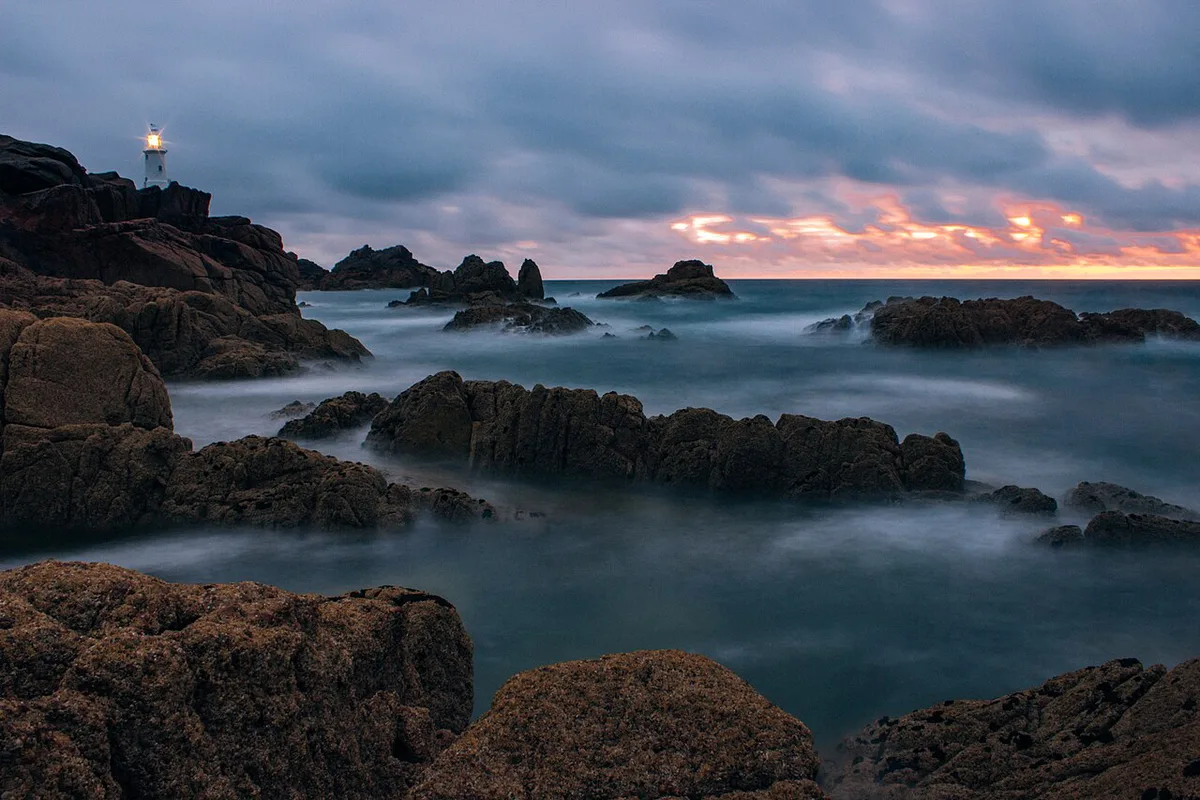
Tidal range here is among the largest in Europe, so beaches, slipways and some paths change dramatically within hours. Always check official tide tables before heading to a beach or a tidal islet. Sea temperature peaks near 17°C (63°F) in August and falls to about 9°C (48°F) in late winter. That is cold enough to need a wetsuit for longer swims. Daylight is generous in June and short in December, so plan winter walks for the middle of the day.
Beaches and swimming suit July to early September, and the sea peaks near 17°C (63°F) in August.
What to pack for Channel Islands weather
Pack layers in every season. A windproof, waterproof shell matters more than a heavy coat. Bring sun protection from spring onward, because sea breeze can hide strong sun. Wear grippy shoes for cliff paths and wet slipways.
- Mistake: packing for a mainland summer and forgetting wind layers.
- Mistake: booking a tight same-day island hop in autumn or spring.
- Mistake: assuming the beach is reachable at every tide state.
- Mistake: trusting a single day's forecast.
Food, events and a weather-flexible visit
For food-focused breaks and town events, late spring through early autumn gives the broadest choice of outdoor plans. June to August usually brings daytime highs of 18–22°C, so harbour dining, markets and coastal walks can fit comfortably into the same day. Keep an indoor alternative for exposed waterfront plans when wind or rain arrives.
March, April and October can suit visitors who prefer quieter restaurants and more flexible accommodation. The article’s planning estimates put a double room at around £90 a night in March, compared with £160 or more in July. Those figures can change, so compare current rates before booking.
For a fixed-date event or special meal, stay on Jersey or Guernsey rather than relying on a same-day boat connection from Sark or Herm. Build in a spare day if an onward flight or ferry cannot be missed. Check the local forecast and operator notices on the day, especially from October through March.
Frequently Asked Questions
Is it cold in the Channel Islands?
Winters are mild rather than cold, with daytime highs around 8°C (46°F). Wind makes it feel cooler. Summer is comfortable, rarely above the low 20s°C.
Does it snow on Jersey island?
Snow is uncommon and rarely settles for long. Winter is more likely to bring rain, wind and gales than snow.
Useful notes for your next island trip
Optional updates to our guides.
You might also like


Continue reading
More guides you'll find useful