
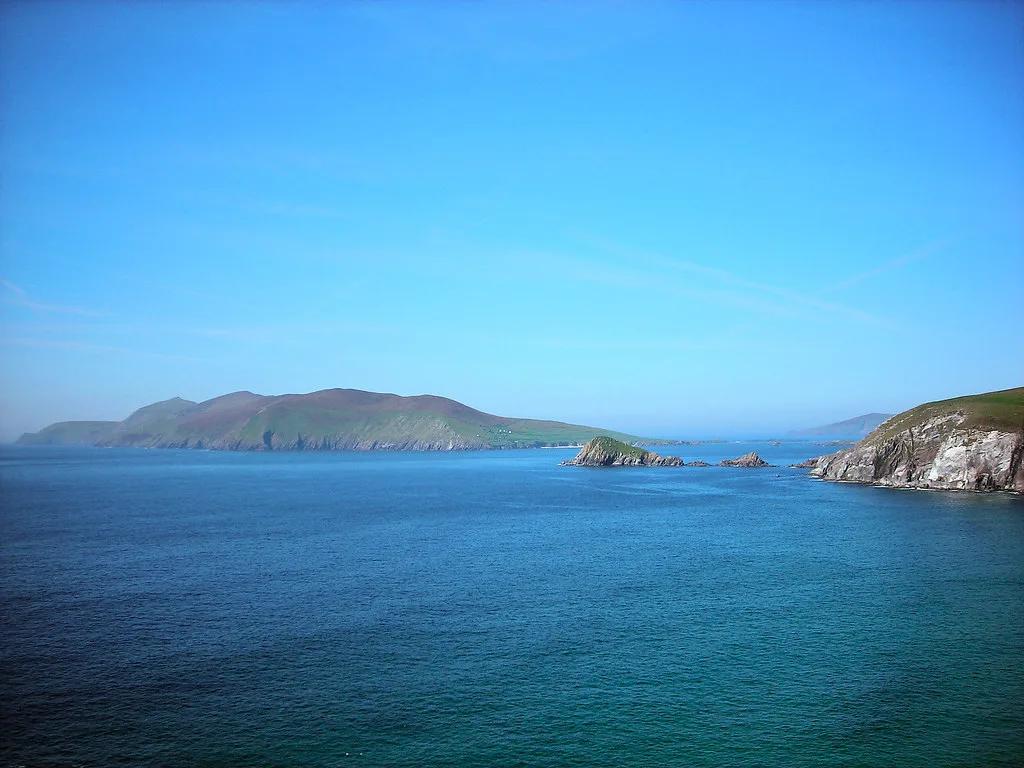
Blasket Islands Guide: Visiting the Great Blasket
Plan a trip to the Blasket Islands: how to reach the Great Blasket, the Blasket Centre, season and weather, overnight options and trade-offs.
On this page
Last updated November 2026: the Blasket Islands are an uninhabited island group off the western tip of the Dingle Peninsula in County Kerry. Visitors land on the Great Blasket, which is reached by seasonal boat. The Blasket Centre in Dún Chaoin is the mainland starting point.
Featured image: Jim Linwood, CC BY 2.0, via Flickr.
Blasket Islands at a Glance
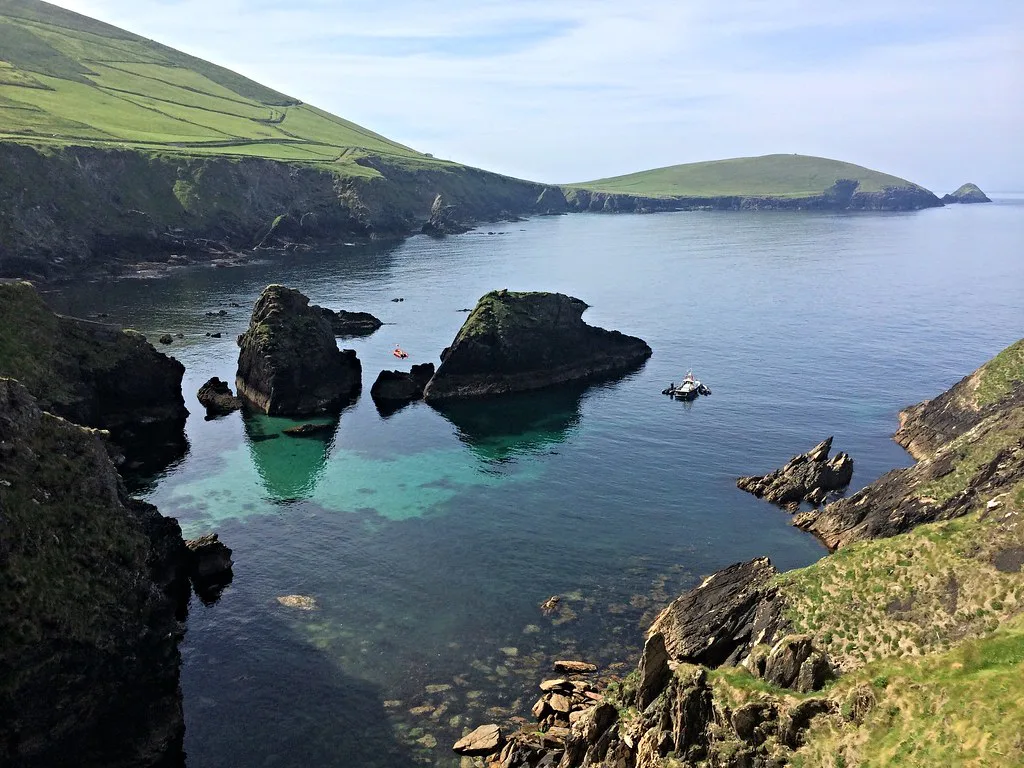
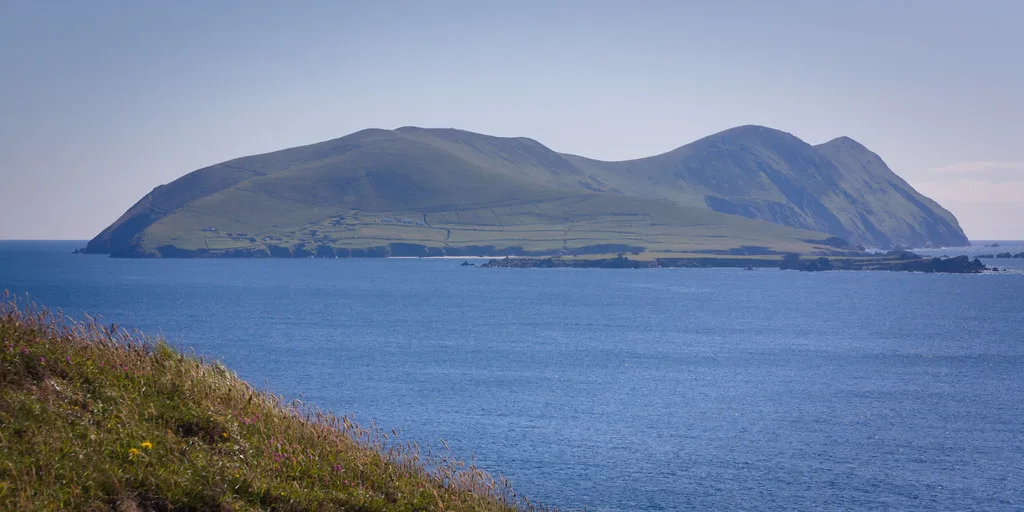
The Blaskets sit in the Atlantic beyond Dún Chaoin, at the far west of the Dingle Peninsula. Within our wider Irish islands guide, they are one of the most remote day trips on offer. Only the Great Blasket is a realistic visit. Great Blasket was abandoned in 1953, and its stone houses now stand roofless on the hillside. Before that, islanders spoke Irish and several of them wrote books about island life. Those writings are why people still cross the water. What you see on the ground, from ruined houses to village paths, ties back to the exhibits at the Blasket Centre.
- Location: off the Dingle Peninsula, County Kerry.
- Island you can visit: the Great Blasket.
- Population: none, since the 1953 evacuation.
- Access: seasonal boat, weather permitting.
- Mainland base: Dún Chaoin and the Blasket Centre.
- Services: expect no shops, so carry what you need.
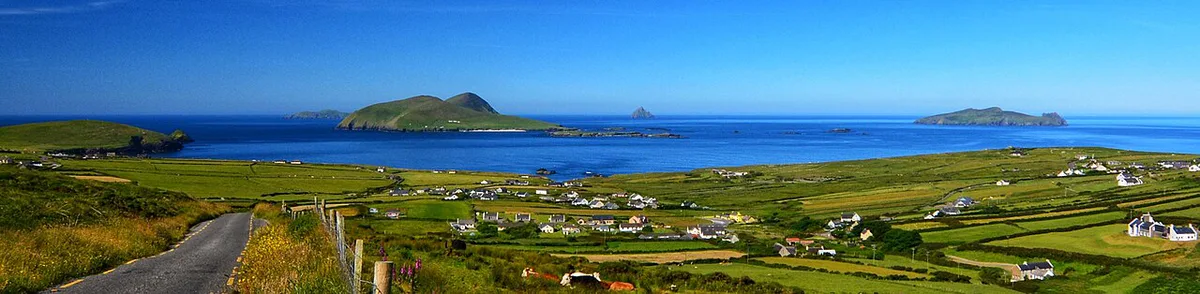
How to Visit the Great Blasket Island
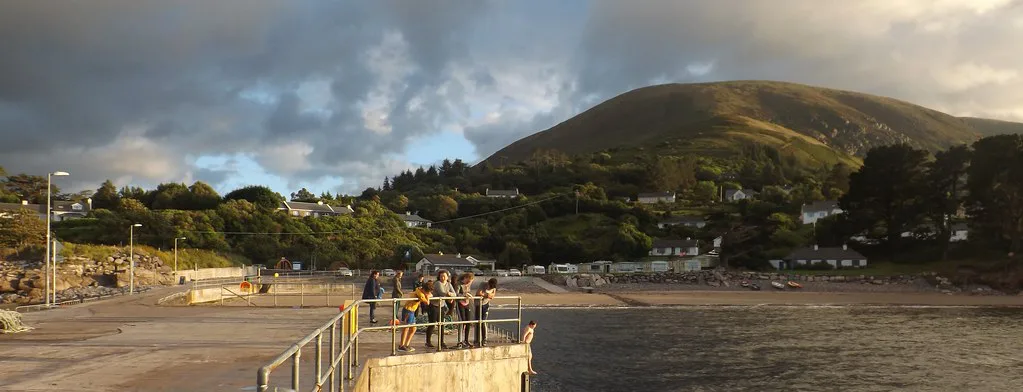
Crossings run in the warmer months only, and they depend on sea conditions. Operators publish their own departure points, timetables and cancellation terms. Check those pages before you plan anything around a fixed date. Boats are reported to leave from Dún Chaoin pier, with other boat trips operating from Dingle. Compare the two on road time, crossing length and parking. Book the crossing first and the Blasket Centre second, because the boat is the part most likely to move. Local visitor information is listed on the Dingle Peninsula tourism site.
| Day trip to the island | Half a day or more | High, as crossings can be cancelled | Easy to demanding, depending on walks | Walkers and heritage fans |
| Blasket Centre only | 1 to 2 hours | Low, since it is indoors | Easy | Families, limited mobility, bad-weather days |
| Boat or wildlife cruise | Short to half a day | Moderate | Easy | Seal and seabird watching without landing |
| Overnight stay | One night or more | High | Moderate | Travelers who want the island after day visitors leave |
The Blasket Centre (Ionad an Bhlascaoid Mhóir)
The Blasket Centre stands in Dún Chaoin and tells the island's story through photographs, manuscripts and objects. It is run by the Office of Public Works. Visit it before the crossing if you can. The exhibits make the ruined village easier to read once you are standing in it. It also works as your fallback when the boat is cancelled. Opening days and ticket prices change by season, so use the official Blasket Centre page for current details.
What to Do on the Great Blasket
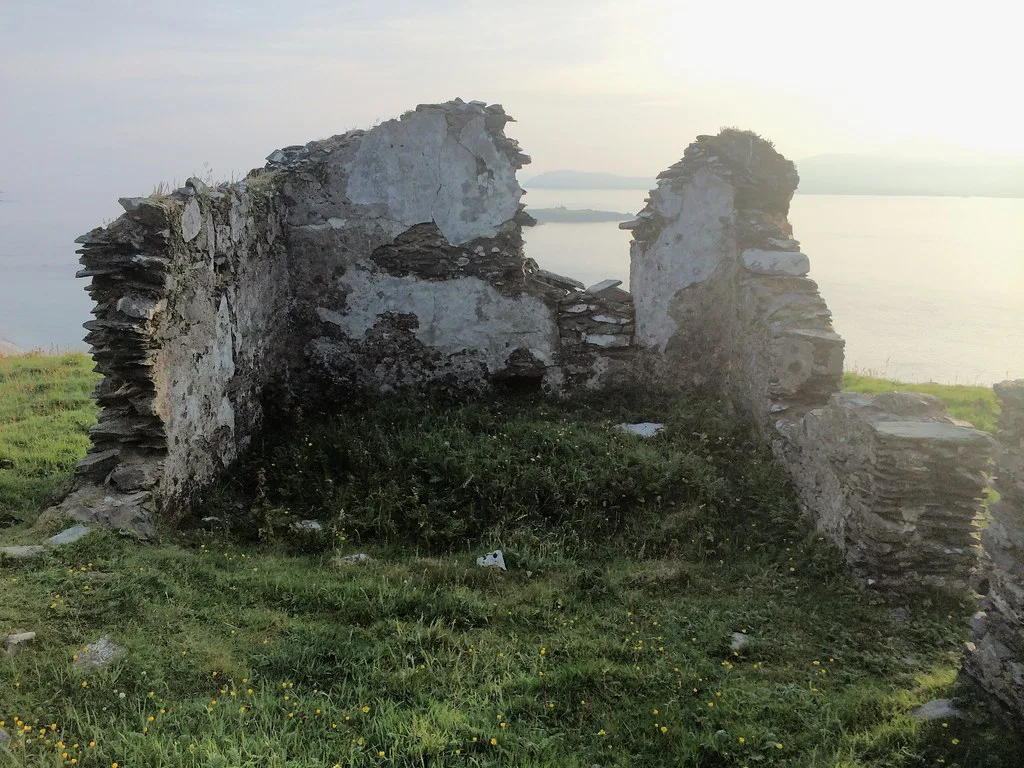
Most visitors spend their time walking, looking and listening. Plan the day around the return boat, not around a long checklist.
- Village paths and ruined houses: an easy wander along the main track. Stay out of the ruins themselves.
- Loop walk: a longer route around the island that climbs to the high ground. Treat it as demanding, and keep away from cliff edges.
- Beach and seal stop: grey seals are the animal most often reported here. Keep your distance.
- Seabirds and photography: bring a long lens or binoculars, and allow time to sit still.
- Rest stop: do not count on a café being open. Check with the operator on the day.
Day Trip or Overnight Stay?
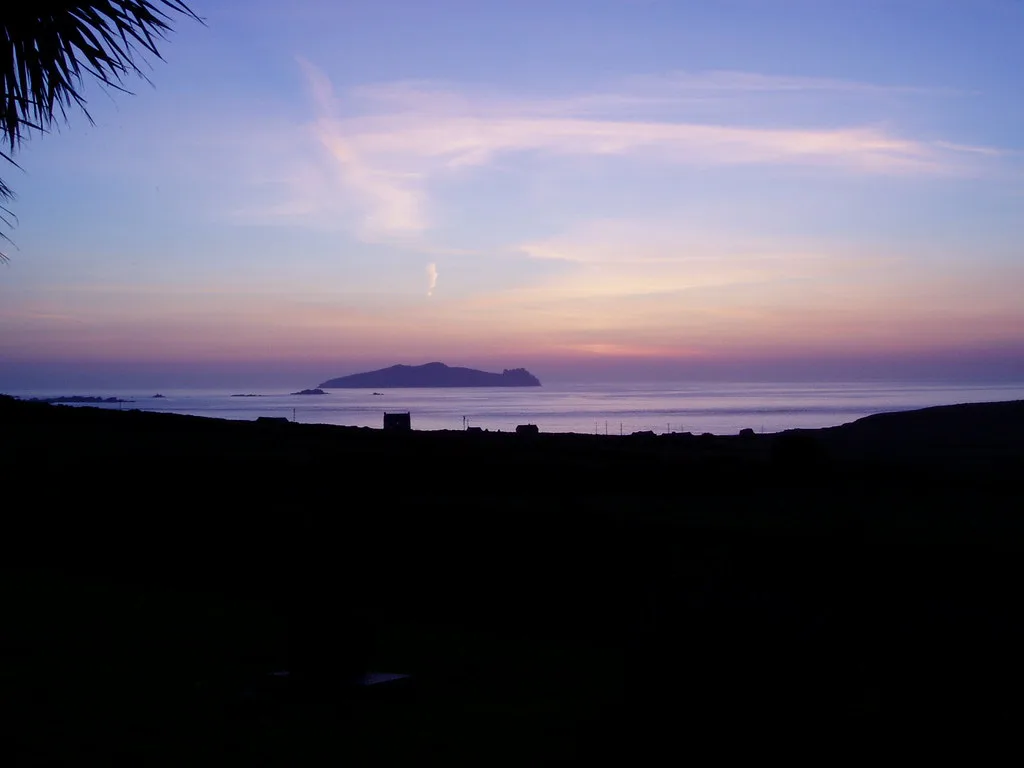
A day trip suits most people. It fits a single Dingle day and leaves room to rebook if the sea turns rough. Staying overnight gives you the island once the day boats leave. It also raises the stakes on weather, because a missed return can stretch your trip. Accommodation, supplies and booking are handled by the operators and the island's own listings. Read their current terms before you commit, and do not assume any cottage is stocked.
Costs, Time and Planning Trade-Offs
Crossing fares and Blasket Centre tickets vary by operator and season. Use each operator's own page and the official Blasket Centre page for current prices.
Fitting the Blaskets into a Dingle Peninsula Trip
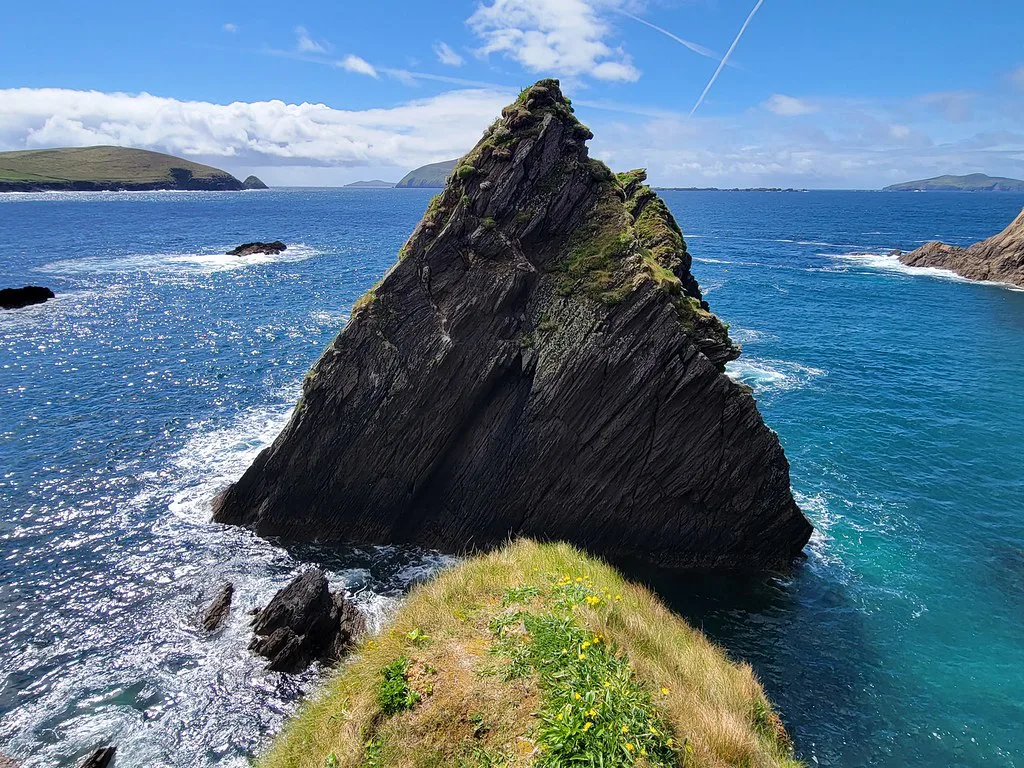
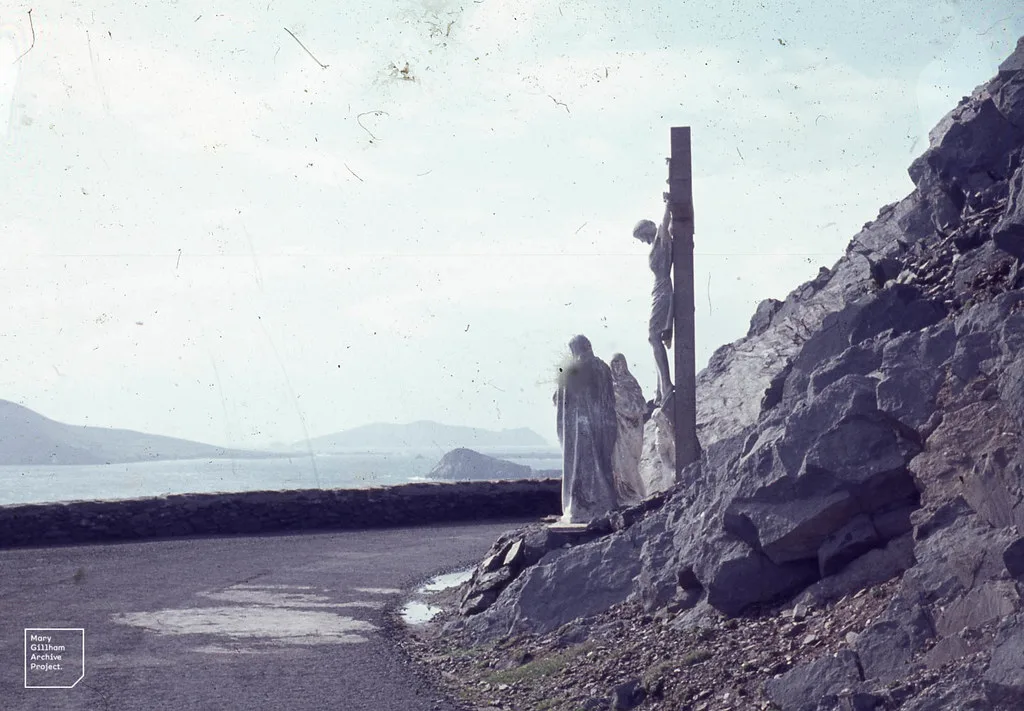
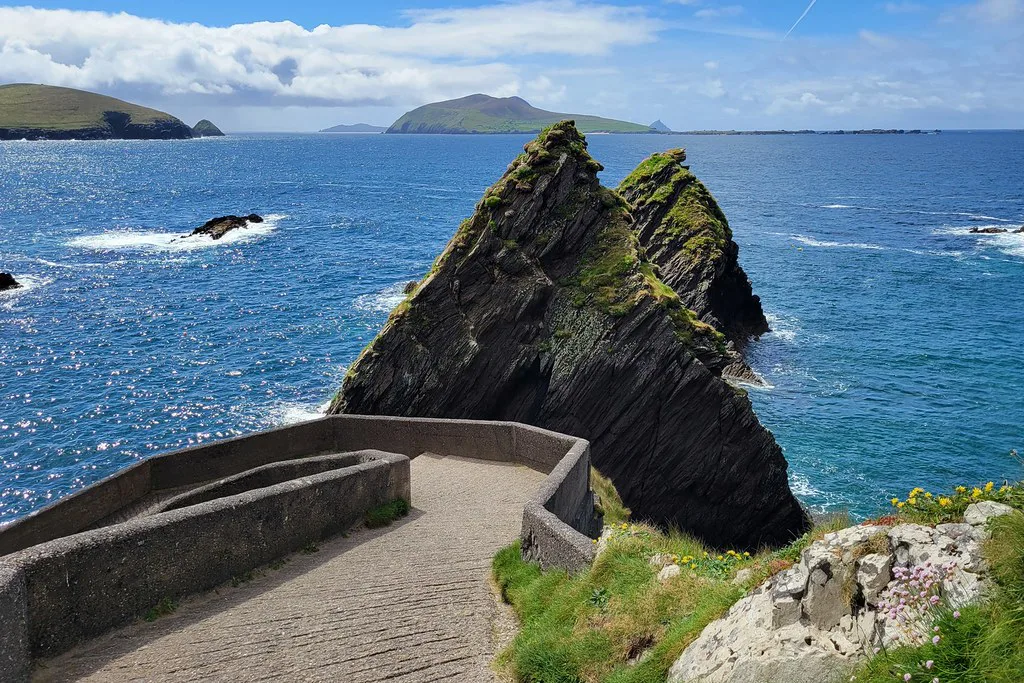
Dún Chaoin lies along the Slea Head route west of Dingle town. Start with the drive, stop at the Blasket Centre, and then take the boat if conditions allow. On a half day, pair the Centre with clifftop views over the water. On a full day, add the crossing and leave a buffer before any evening plans. If the boat is cancelled, the Centre and the Slea Head viewpoints still make a solid day. Do not book a tight onward connection or a late ferry out of Dingle on the same day. The Wild Atlantic Way route passes through this stretch of coast.
Visiting Responsibly and Staying Safe
Wear sturdy footwear, because paths are uneven and the cliffs are unfenced. Bring your own water and food, and carry out all rubbish. Keep your distance from seals and nesting birds. Do not enter ruined houses. Check the current drone rules before flying anything. Mobile signal can be patchy, so tell someone your return boat time.
Other Irish Islands to Consider
Kerry has another island trip in Valentia Island Guide: Getting There, Things to Do & Planning, which is closer to the mainland. For a regular ferry and a lived-in community, look at the Aran Islands Guide: Which Island, How to Get There & Costs. If you want another remote day trip, Clare Island, Mayo: Ferry, Walks, Abbey and Day-Trip Guide is one option. Inishbofin is another.
Planning the Great Blasket Loop Walk
The longer Great Blasket loop is the island’s main walking commitment. Allow about 5 hours for the route, rather than trying to fit it around a relaxed visit to the village. The high point is An Cró Mór, at 292 m, so the walk involves a sustained climb as well as exposed coastal ground.
Set off only after confirming your return-boat time. Turn back early if the weather worsens or your pace is slower than expected. The island’s cliffs are unfenced in places, and paths can be uneven after rain. Keep well back from edges, especially in wind.
Wear sturdy footwear and carry water, food and an extra warm layer. The route is best for confident walkers with enough time to complete it safely. If you want a gentler day, explore the village paths and beach instead of committing to the full loop.
Frequently Asked Questions
Is it worth going to the Blasket Islands?
Yes, if you like walking, quiet places and Irish heritage. Pair the Great Blasket with the Blasket Centre so the ruins make sense. Allow flexibility, because boats can be cancelled.
Why was Blasket Island abandoned?
The island's population shrank as younger people left, and life there became harder to sustain. In 1953 the remaining islanders were moved to the mainland. Many resettled around Dún Chaoin.
Useful notes for your next island trip
Optional updates to our guides.
You might also like
Continue reading
More guides you'll find useful